
When it comes to construction materials, few options match the versatility of Cloth-faced Gypsum Board. This board combines practicality with aesthetic appeal, making it a popular choice among builders and designers. Choosing the right product can be daunting, given the wide range of options available. This guide offers helpful tips to navigate your purchasing journey effectively.
The first step is understanding your specific needs. Consider the intended use of the Cloth-faced Gypsum Board. Will it be exposed to moisture? Are you aiming for soundproofing? Assessing these factors will help narrow down your choices. It's also vital to pay attention to the quality. Look for boards with certifications to ensure they meet safety standards.
Another consideration is the installation process. Knowing the expertise required will shape your decision. If you're planning a DIY project, ensure you feel comfortable with the installation techniques needed. Finding trusted resources or consultation can add to your confidence. Ultimately, making an informed choice enhances your project’s overall success.
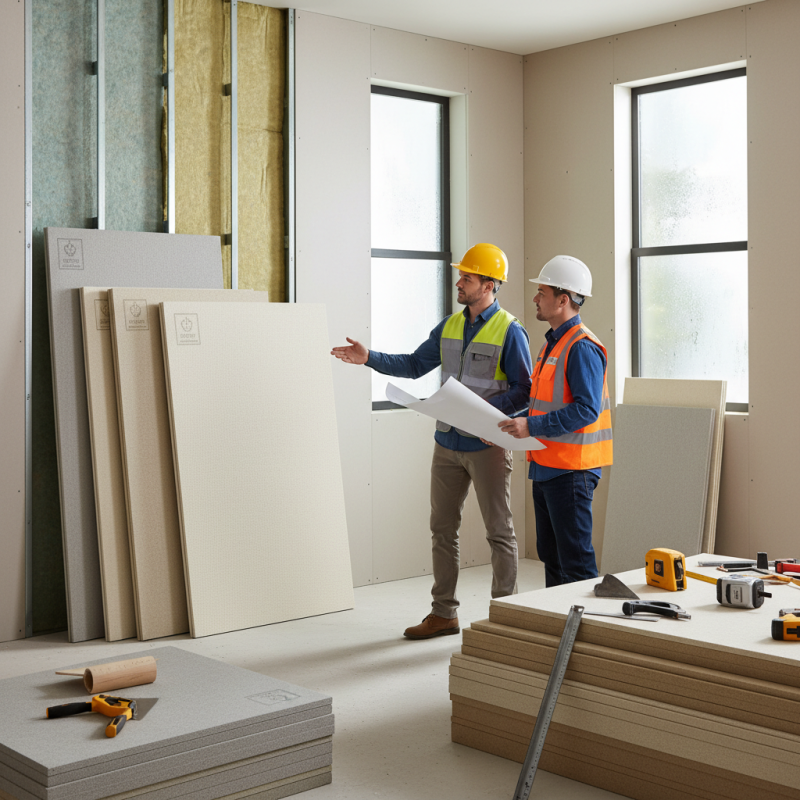
Cloth-faced gypsum board is gaining popularity due to its unique benefits. These boards combine the durability of gypsum with the aesthetic appeal of fabric. This product is lighter than traditional options, making it easier to install. According to the Gypsum Association, the demand for decorative boards has risen by over 25% in recent years. This indicates a growing trend among designers and builders.
One significant advantage of cloth-faced gypsum board is its improved acoustic properties. It effectively reduces noise levels, creating a more pleasant environment. A report by the National Institute of Building Sciences indicates that noise-related issues can impact productivity by as much as 50%. Additionally, the fabric face can be customized, enhancing a space's overall design. However, it's important to consider that not all cloth-faced boards offer the same performance level. Selecting the right type requires careful evaluation.
Maintenance can be another challenge. While these boards are easy to clean, they may require special care to maintain their appearance. Regular inspections and cleaning can prevent aesthetic deterioration. Moreover, some boards may not adhere well to specific paints or finishes, so testing is crucial. Proper knowledge of the material's limitations is necessary. This can greatly affect your project's success.

When selecting cloth-faced gypsum boards, quality is essential. Potential buyers should closely examine specific features that ensure durability and performance. Look for boards with high moisture resistance. This feature extends the life of the board in humid environments. Consider the thickness of the board as well. Thicker boards often provide better sound insulation and fire resistance.
Another critical aspect is the integrity of the gypsum core. A robust core indicates less chance of cracking over time. Surface quality also matters. Look for a smooth finish that allows for easier painting and less maintenance. Pay attention to the edges as well; square edges help achieve a tighter fit during installation, reducing potential gaps.
It’s important to be mindful of certification labels. Boards that meet industry standards are typically more reliable. Many boards claim high performance but may not live up to expectations. Gathering feedback from others in the industry can aid in making informed decisions.
Understanding the climate where the board will be installed adds another layer of insight. In some cases, local conditions might necessitate special considerations. Evaluating these features thoughtfully can help avoid future regrets.
Selecting the right thickness and size of cloth-faced gypsum board is crucial for your project. Generally, a thickness of 1/2 inch is standard for most residential applications. However, thicker boards, such as 5/8 inch, provide better sound insulation and fire resistance. It's essential to assess the structure's specific needs before making a decision. Consider local building codes as well. These regulations can impact your choice significantly.
Size is another critical factor. The standard size is 4x8 feet, but other dimensions are available. If you have a larger space, opting for 4x12 feet boards may reduce seams and increase efficiency. However, handling larger boards can be challenging. Always ensure your workspace accommodates the size you choose. It’s important to measure room dimensions accurately. Missing this step could lead to waste and added costs.
Finding the right balance between size and thickness requires experience. Take your time to evaluate the environment where the boards will be installed. Changes in humidity and temperature can affect durability. And remember, if you're unsure, consult with a professional. Mistakes in selection can lead to additional expenses. Prioritize making informed choices to enhance your project's outcome.
This bar chart illustrates the different thickness options available for cloth-faced gypsum boards. Understanding the most commonly selected thicknesses can help you make an informed decision for your project, ensuring it meets both structural and aesthetic needs.
When researching manufacturers of cloth-faced gypsum board, it's vital to dig deep. Look beyond flashy marketing. Examine the materials they use in production. Often, the details reveal a lot about quality. Researching third-party reviews enhances your understanding of different brands.
Tip: Read customer feedback. Honest reviews offer insight into real-world performance. Check forums and specialized websites for unbiased opinions. They often highlight strengths and weaknesses that brands may not disclose.
Visit local suppliers and ask questions. Engage with staff who know the products well. Often, their expertise can guide you toward reputable brands. Remember to compare warranties, too. A solid warranty usually indicates a company's confidence in their product.
Tip: Consider environmental impact. Many manufacturers are moving towards sustainable practices. Assessing their eco-friendly credentials can influence your decision. Identifying sustainable choices is becoming increasingly important in the buying process.
When budgeting for cloth-faced gypsum board, consider various factors impacting cost. On average, gypsum board can range from $10 to $20 per sheet. Installation costs can add another $1.50 to $3 per square foot. These figures highlight the importance of planning your budget accurately.
Materials alone account for a significant portion of expenses. High-quality boards may save costs in maintenance and longevity. Research from the Gypsum Association indicates that proper installation can reduce long-term repair costs by up to 25%. Additionally, consider other expenses, such as tools and labor. With labor costs averaging about $50 per hour, having a clear budget is essential.
Don't overlook potential hidden costs. Damage or wastage during transportation can inflate your final expenses. Also, energy efficiency ratings may affect your overall investment. Choosing boards with better thermal performance often leads to savings on heating and cooling. Remember, careful budgeting today can pay off in better energy usage tomorrow.

Cepex is the brand for the fluid handling market belonging to the Fluidra group. One of the leading european manufacturer of valves and fittings in thermoplastic materials.
Dedicated to the swimming pool, irrigation and industrial markets, we distribute our products worldwide with the Fluidra commercial network and presence in 46 countries with 136 sales branches.


