
When selecting Steel Road Plates for your projects, careful consideration is key. James Thompson, a noted expert in infrastructure safety, states, "Choosing the right Steel Road Plates can significantly enhance site safety and efficiency." This highlights the importance of informed decisions in this crucial industry.
Steel Road Plates serve multiple purposes—from covering trenches to providing temporary road surfaces. The right choice can mean the difference between smooth operations and costly delays. Many factors influence this selection, including size, thickness, and load capacity. Each project has its unique requirements. Therefore, understanding those specifics is vital.
It's common to overlook how wear and tear impacts these plates over time. Regular assessments can identify when plates need replacement. Moreover, not all Steel Road Plates are created equal. Some may not meet local safety standards. This can lead to unintentional risks and liabilities. Always consult experts familiar with regulations to ensure compliance. Such diligence can prevent setbacks down the line, reinforcing the maxim that “an ounce of prevention is worth a pound of cure.”
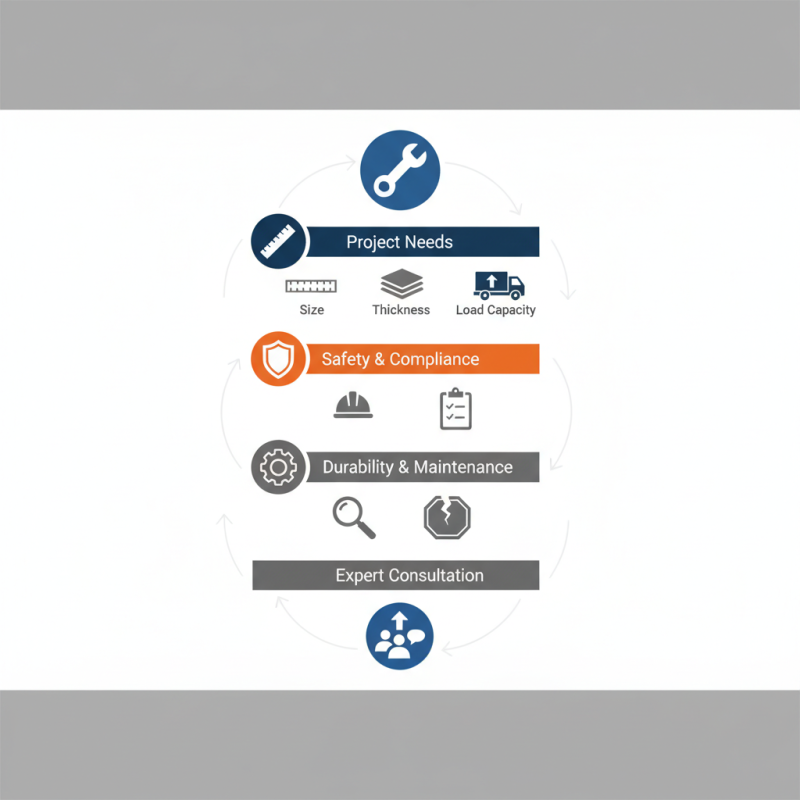
When selecting steel road plates for projects, understanding the various types available is crucial. Steel road plates come in different thicknesses and sizes, which can greatly influence their performance. Consider the load capacity required for your project. Thicker plates often provide better support but may be heavier and harder to handle.
There are generally two types of steel road plates: smooth and diamond tread. Smooth plates are ideal for flat surfaces and light traffic. They are easier to lay down and remove. Diamond tread plates offer better traction, making them suitable for high-traffic areas and adverse weather conditions. However, they can lead to increased wear on tires, which might be a drawback.
It’s essential to assess the site conditions as well. A plate that works well in one setting may not be suitable in another. Often, incorrect choices lead to project delays. Contractors may overlook the finer details, like the surface beneath the plates. This oversight can cause instability. Understanding all the aspects can prevent future complications. Ensure your choice aligns with both safety and functionality.
| Type of Steel Road Plate | Thickness (inches) | Weight (lbs) | Usage | Load Capacity (lbs) |
|---|---|---|---|---|
| Standard Steel Plate | 0.25 | 100 | General Use | 20,000 |
| Heavy-duty Steel Plate | 0.5 | 200 | Construction Sites | 40,000 |
| Anti-Skid Steel Plate | 0.375 | 150 | Road Repair | 30,000 |
| Composite Steel Plate | 0.25 | 90 | Utility Work | 18,000 |

When evaluating load capacity requirements for steel road plates, it's crucial to understand your project's specific demands. Road plates must bear various weights, from light vehicles to heavy machinery. According to the American Society of Civil Engineers (ASCE), improperly-rated plates can lead to injuries and costly delays. Each plate has a maximum load capacity that should be carefully assessed before selection.
Consider the maximum weight of vehicles that will traverse the plates. For example, a standard steel road plate often supports loads of 40,000 pounds or more. However, if your project involves heavier construction machinery, a plate with a higher load specification is necessary. Ignoring these details may result in significant damage or even catastrophic failures during operations.
Reviewing material specifications is vital. Some reports indicate that the thickness and type of steel used directly influence the load capacity. Plates made from high-strength steel can offer greater performance but may also come with increased costs. Determining the ideal balance between safety and budget is essential, yet many projects overlook this step. Failing to engage with engineering consultants can lead to poor choices. Each project presents unique challenges that should inform your selection process.
When selecting steel road plates for construction projects, surface texture is critical. A textured surface enhances traction, reducing slip risks. Consider how gravel, mud, or rain can create hazardous conditions. Plates with a rough finish provide better grip for vehicles and pedestrians. This simple feature can significantly improve safety on your worksite.
Safety features go beyond just texture. Look for plates with raised edges or anti-slip coatings. These additions can help prevent accidents and ensure stability. Pay attention to the weight and thickness of the plates as well. Thicker plates resist bending and damage, maintaining their effectiveness over time. However, heavier plates may be more challenging to handle.
Reflect on your project needs. A balance between safety and manageability is essential. Sometimes, thicker plates might be overkill. Lighter options can still provide adequate safety with ease of installation. Remember, making an informed choice means considering all factors, including potential risks.
When selecting steel road plates, understanding dimensions and weight is crucial. These factors significantly impact transportation and installation. Each plate's size can determine how easily it fits into specific project requirements. The weight of the plate affects both the machinery needed for transport and the physical effort required for on-site handling.
Heavy plates may require specialized equipment for installation, posing challenges in tight spaces. Smaller dimensions can ease transport but may not provide sufficient coverage for larger areas. Assessing your project's needs will help strike a balance between size and weight. Consider the terrain and access points to ensure smooth movement.
Installers should also reflect on their capabilities. Heavy lifting can lead to injuries if proper safety measures are overlooked. Understanding the project scope will help guide choices about steel plates. An informed decision can prevent complications later on. Adjusting for unexpected conditions is always a wise strategy.
When budgeting for steel road plates, it’s crucial to consider initial costs and long-term maintenance. Steel road plates vary in price based on size, thickness, and supplier. Be cautious; cheaper options may not offer the durability needed. Investing a bit more can pay off, as high-quality plates resist wear and tear.
Maintenance is another key factor. Regular inspections ensure that plates remain in good condition. Corrosion can be an issue if plates are not properly maintained. Cleaning them periodically can extend their lifespan. Ignoring maintenance may lead to costly replacements down the road.
Consider transportation costs as well. Steel plates are heavy, which could add to your overall budget. Renting might offer short-term savings, but purchasing could be more economical for long-term projects. Think about your project's specific needs and assess the costs thoroughly. Balancing quality and expense requires careful planning and reflection.

Cepex is the brand for the fluid handling market belonging to the Fluidra group. One of the leading european manufacturer of valves and fittings in thermoplastic materials.
Dedicated to the swimming pool, irrigation and industrial markets, we distribute our products worldwide with the Fluidra commercial network and presence in 46 countries with 136 sales branches.


