
Top Tips for Choosing Solar PV Modules for Your Needs?
FLUID HANDLING EXPERTS

Blog, all our news

Top Tips for Choosing Solar PV Modules for Your Needs?

Choosing the right Solar Pv Modules is crucial for any solar installation. With a growing market, over 118 GW of solar capacity was installed globally in 2020 alone, a record high. This rapid expansion highlights the importance of understanding different solar technologies and selecting the best modules for your specific needs.

Solar PV Modules vary significantly in efficiency, durability, and cost. Research indicates that monocrystalline modules are often the most efficient, converting up to 22% of sunlight into energy. However, they typically come at a higher price. In contrast, polycrystalline modules tend to be more affordable but are less efficient, with conversion rates averaging around 15-17%. It's essential to weigh these factors against your budget and energy goals.

Additionally, buyers often overlook the importance of warranties and certifications. Higher-quality modules often come with 25-year warranties. This can indicate durability and reliability, but not all manufacturers offer the same level of assurance. Selecting the right Solar PV Modules is not just about upfront costs; long-term performance matters. It's wise to invest time in research and reflection before making this significant decision.
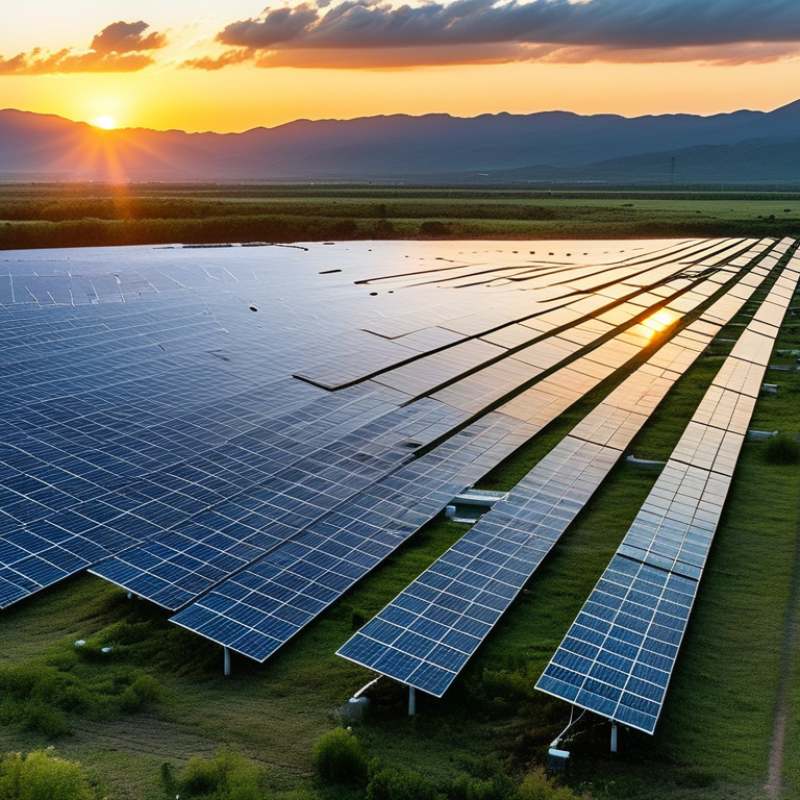
Top Tips for Choosing Solar PV Modules for Your Needs?

Understanding Solar PV Modules: Types and Technologies Explained

Understanding solar PV modules is essential for making informed decisions. There are two primary types: monocrystalline and polycrystalline. Monocrystalline modules are known for their higher efficiency, often ranging between 15% to 22% as per industry studies. They are ideal for limited spaces since they generate more power per square foot. However, they tend to come at a higher cost.

Polycrystalline modules, while generally less efficient, have become increasingly popular due to their affordability. Efficiency rates typically range from 13% to 16%. They are made from multiple silicon crystals, which can lead to a slightly lower performance in hot conditions. According to a report from the National Renewable Energy Laboratory, the choice between these two types can significantly impact overall energy yield and return on investment.

Emerging technologies like Bifacial Solar Panels show promise. These modules can capture sunlight from both sides, potentially increasing efficiency by up to 30%. Yet, they may not be suitable for all installations. It’s crucial to consider environmental conditions when choosing a type.

Evaluate your specific needs carefully to maximize your investment in solar technology. The decisions you make now will influence long-term energy savings and utility expenses. A well-informed choice can lead to significant benefits while also allowing for adjustments in future installations.

Assessing Your Energy Needs: Calculating Required Solar Output

Assessing your energy needs is crucial when choosing solar PV modules. Start by understanding how much energy your household consumes. Data from the U.S. Energy Information Administration shows that the average American home uses about 877 kWh per month. This value can vary significantly depending on factors like location and energy efficiency.

To calculate the required solar output, consider your monthly energy consumption. If you want to offset your energy costs entirely, multiply your total monthly usage by the number of sunlight hours in your area. For example, if you live in a region receiving about 5 sunlight hours per day, your calculations might look like this: 877 kWh divided by 30 days equals approximately 29.2 kWh per day. Dividing this number by 5 sunlight hours gives you around 5.84 kW of solar power requirement.

Remember, this calculation assumes optimal conditions. Real-world factors can reduce efficiency. Dust, shading, and even aging equipment impact performance. This nuance is vital to consider. Using comprehensive data is essential but so is anticipating the need for adjustments based on environmental conditions. Managing expectations can lead to better energy solutions tailored to your specific situation.

Factors to Consider: Efficiency, Cost, and Warranty of Modules

When choosing solar PV modules, efficiency, cost, and warranty are critical factors. Solar panel efficiency defines how much sunlight is converted into usable electricity. The average efficiency of commercial panels ranges from 15% to 20%, according to the latest industry reports. Higher efficiency means better performance, especially in limited space. However, these panels often come at a higher initial cost.

Cost optimization is essential. While cheaper panels may appear appealing, they could lead to higher long-term expenses. A study from the National Renewable Energy Laboratory (NREL) suggests that investing in slightly more expensive, efficient panels can optimize energy production over time. You might end up saving on installation costs, utility bills, and maintenance.

Warranties serve as a safety net. Most reliable manufacturers offer warranties spanning 20-25 years. Research indicates that panels with robust warranties demonstrate better performance and longevity. It’s essential to read the fine print. Some warranties cover defects but not performance losses. A solid warranty can indicate a company's confidence in their product. Reflect on your needs and consider these factors carefully when making a selection.

Evaluating Installation Options: Roof Top vs. Ground Mount Systems

When evaluating installation options for solar PV modules, the choice between roof-mounted and ground-mounted systems is critical. Roof-mounted systems utilize existing structures, conserving land space and often reducing installation costs. According to the National Renewable Energy Laboratory, nearly 90% of residential solar installations are rooftop systems. This is due, in part, to their lower upfront costs and easier permitting processes.

Conversely, ground-mounted systems can offer significant advantages. These units can be optimized for maximum sunlight exposure, resulting in increased energy production. A study from the Solar Energy Industries Association indicates that ground-mounted systems often yield up to 20% more energy than their rooftop counterparts. However, they require more land and can lead to higher installation expenses.

Each option has its drawbacks. Roof systems might suffer from shading issues from nearby trees or buildings. Ground mounts can face zoning challenges and land use conflicts. Understanding these factors is essential for making an informed choice. Both options can be effective but require careful consideration of site conditions and budget constraints.

Researching Manufacturers: Brand Reputation and Customer Reviews

When selecting solar PV modules, investigating the manufacturer's reputation is critical. A well-established brand usually indicates reliability. Reports show that 68% of solar panel users prioritize brand recognition when making decisions. This emphasizes the need for solid research.

Customer reviews can provide valuable insights. For instance, a survey from the Solar Energy Industries Association found that 75% of customers rely on online reviews before purchasing solar products. These reviews can highlight common issues like panel efficiency and durability. Always check multiple sources for a rounded view.

Quality varies significantly among manufacturers. A concerning 20% of cheaper panels underperform compared to industry standards. Ensure you analyze ratings and performance data. If too many complaints arise about a specific brand, it might be worth reconsidering your choice. Balancing product quality with manufacturer reliability is essential for making an informed decision.

Copyright 2025 Fluidra S.A. | Created by BCM Marketing Agencia Privacy Policy Legal note | Cookie policy |

Technical cookies are strictly necessary for our website to work and you can navigate through it. These types of cookies are those that, for example, allow us to identify you, give you access to certain restricted parts of the page if necessary, or remember different options or services already selected by you, such as your privacy preferences. Therefore, they are activated by default, your authorization not being necessary in this regard. Through the configuration of your browser, you can block or alert the presence of this type of cookies, although such blocking will affect the proper functioning of the different functionalities of our website.


The analysis cookies allow us to study the navigation of the users of our website in general (for example, which sections of the page are the most visited, which services are used most and if they work correctly, etc.). From the statistical information on navigation on our website, we can improve both the operation of the page itself and the different services it offers. Therefore, these cookies do not have an advertising purpose, but only serve to make our website work better, adapting to our users in general. By activating them you will contribute to this continuous improvement. You can enable or disable these cookies by checking the corresponding box, being disabled by default.


Functionality cookies allow us to remember your preferences, to personalize certain characteristics and general options of our website, every time you access it (for example, the language in which the information is presented to you, the sections marked as favorites, your browser type, etc.) Therefore, this type of cookies does not have an advertising purpose, but by activating them you will improve the functionality of the website (for example, adapting to your type of browser) and the customization of it based on your preferences (for example, by presenting the information in the language that you have chosen in previous occasions), which will contribute to the ease, usability and comfort of our page during your navigation. You can enable or disable these cookies by checking the corresponding box, being disabled by default.


Advertising cookies allow us to manage the advertising spaces included in our website based on criteria such as the content shown or the frequency in which the ads are displayed. For example, if you have been shown the same ad several times on our website, and you have not shown a personal interest by clicking on it, it will not appear again. In summary, by activating this type of cookies, the advertising shown on our website will be more useful and diverse, and less repetitive. You can enable or disable these cookies by checking the corresponding box, being disabled by default.


Behavioral advertising cookies allow us to obtain information based on the observation of your browsing habits and behaviors on the web, in order to show you advertising content that best suits your personal tastes and interests. To understand it in a very simple way, we will give you a fictitious example: if your last searches on the web were related to suspense literature, we would show you advertising about suspense books. Therefore, activating this type of cookies, the advertising that we show you on our website will not be generic, but will be oriented to your searches, tastes and interests, therefore adjusting exclusively to you. You can enable or disable these cookies by checking the corresponding box, being disabled by default.
To understand it in a very simple way, we will give you a fictitious example: if your last searches on the web were related to suspense literature, we would show you advertising about suspense books. Therefore, activating this type of cookies, the advertising that we show you on our website will not be generic, but will be oriented to your searches, tastes and interests, therefore adjusting exclusively to you. You can enable or disable these cookies by checking the corresponding box, being disabled by default.

SAVE

We use our own and third-party cookies to ensure the proper functioning of the website and to analyse our services, improve your experience on our website and show you advertisements related to your interests according to profiling based on your browsing habits (e.g. websites visited). You can accept all cookies by clicking "ACCEPT" or set or reject them by clicking here. If you would like to know more about the use of cookies, please see our COOKIE POLICY.


ACCEPT ALL
Reject no essentials


