10 Tips for Choosing Plastic Injection Molding Machines
Choosing the right Plastic Injection Molding Machines can determine whether production runs smoothly or becomes a daily struggle. The decision affects product quality, cycle time, energy use, maintenance, and operator safety. A machine may look impressive on a specification sheet, yet perform poorly with your actual material or mold.
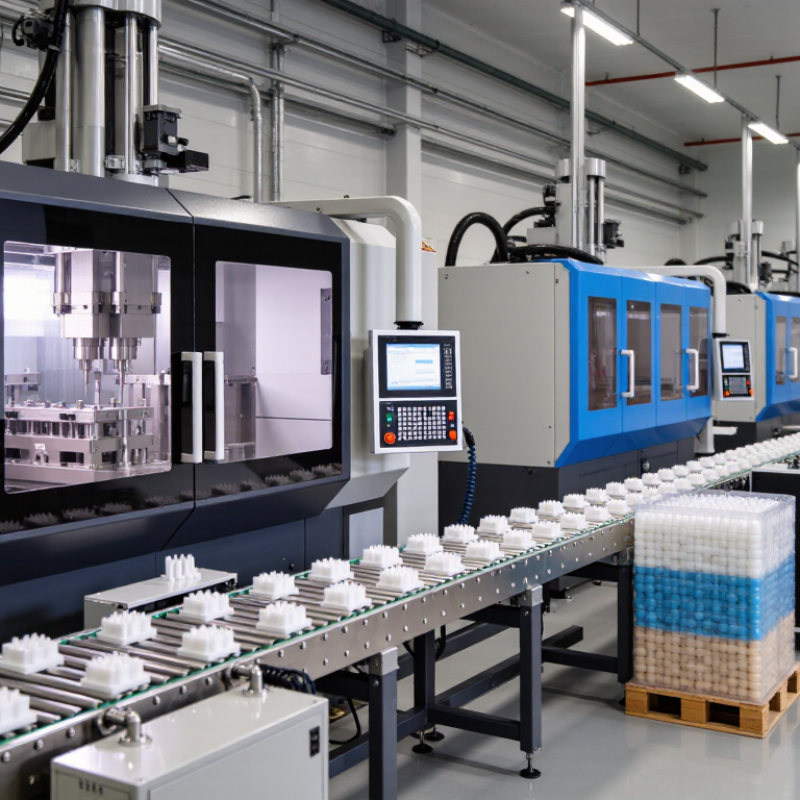
This guide introduces ten practical tips for making a better choice. It considers clamping force, injection speed, shot size, control systems, repeatability, and energy efficiency. It also examines mold dimensions, available floor space, cooling requirements, and technical support. These details matter when a production line runs eight hours daily, with resin pellets feeding the hopper and molded parts leaving the conveyor every few seconds.
Look beyond the purchase price. It can mislead. A cheaper machine may require more maintenance, consume more electricity, or limit future product designs. A larger machine is not automatically better either. Excess capacity can increase operating costs and reduce efficiency. The best choice should match the material, mold, output target, and workplace conditions.
Reliable selection requires more than general advice. Review manufacturer data, request application testing, and compare service records when possible. Speak with experienced technicians, not only sales representatives. No checklist is perfect. Real production results may challenge your assumptions, especially when recycled materials, tight tolerances, or frequent mold changes are involved. These ten tips provide a practical starting point, while careful testing remains essential before committing to equipment.
Machine Basics: Calculate 2–5 Tons of Clamping Force per Square Inch
Choosing a plastic injection molding machine starts with a practical estimate of clamping force.
A common guideline is 2–5 tons per square inch of projected mold area. Projected area means the mold’s silhouette viewed from above, including cavities, runners, and sprues.
For example, a 12-square-inch projection may require roughly 24–60 tons of force.
The lower range may suit smaller parts, low-pressure materials, or simple molds. The higher range is safer for thin walls, long flow paths, textured surfaces, or difficult materials.
Tip: Measure the full projected area, not only the finished part. A mold can open when pressure exceeds the machine’s capacity. Flash may appear along the parting line.
This formula is useful, but it is not a final answer. Material viscosity, injection pressure, mold temperature, and safety margin also affect machine selection.
In practice, engineers often compare the estimate with trial data and previous production records. A 10 percent margin can help, although excessive capacity may increase energy use and purchase cost.
Too small is risky. Too large is wasteful.
Tip: Ask for cavity pressure data when available, then review the result with an experienced mold engineer.
I have seen rough estimates work well, but unusual geometries can expose their limits quickly. Recheck the calculation before ordering.
Part Requirements: Use 25–80% of the Barrel’s Rated Shot Capacity
Choosing a plastic injection molding machine requires more than matching the mold to the platen. The barrel’s rated shot capacity deserves careful attention. In most production conditions, the required shot should use 25–80% of that rating. This range supports stable melting, consistent pressure, and better control of the remaining cushion.
A shot that uses only 10% of the barrel may keep material inside too long. Heat history can increase, especially with sensitive engineering resins. An overloaded barrel creates different problems. Pressure may become unstable, and the machine may struggle to complete the fill. I have seen small parts molded on oversized machines with uneven color and inconsistent weight. The machine looked powerful, but the process was poorly matched.
Tip: Calculate the complete shot weight, including the runner system and a controlled cushion. Compare it with the material-specific rated capacity, not only the catalog value. A 400-gram shot in a 500-gram barrel uses 80%, which may be acceptable but leaves little room for variation. A 150-gram shot uses 30%, often providing more comfortable process control. Check actual part weight, cycle time, melt temperature, and recovery performance during trials. This guideline is not absolute. Some molds need a larger cushion, while recycled or heat-sensitive materials may require a more conservative range. Small errors matter.
Production Fit: Compare Cycle Times, Mold Dimensions, and 10–1000+ Ton Ranges
Production Fit: Compare Cycle Times, Mold Dimensions, and 10–1000+ Ton Ranges
Choosing an injection molding machine starts with the mold, not the advertised tonnage. Measure mold width, height, thickness, tie-bar clearance, and daylight opening.
A compact 10–100 ton machine may suit small medical housings, caps, or precision inserts. Larger automotive panels may require 500–1000+ tons. Use projected part area and a verified pressure calculation, rather than guessing from part weight.
Industry training guidance from the Society of Plastics Engineers commonly references 2–5 tons of clamping force per square inch, but material, wall thickness, and mold design can change the result.
Cycle time needs equal attention.
Record filling, packing, cooling, mold opening, and ejection separately. Cooling often controls the total cycle, especially with thick ribs.
A five-second saving can produce thousands of additional parts annually. The U.S. Department of Energy identifies injection molding as a significant industrial energy user, so shorter cycles can reduce both electricity and labor exposure.
Still, chasing speed may create warpage, sink marks, or unstable dimensions.
Check the machine’s injection rate and shot size against the mold’s actual demand. A 60% shot-utilization target is often safer than operating near maximum capacity.
The Plastics Industry Association’s recent industry reports show continuing pressure for productivity and resource efficiency across plastics manufacturing.
My practical warning is simple: published specifications do not equal floor performance. Test the mold with real resin, measure ten consecutive cycles, and question any calculation that ignores cooling water temperature, operator handling, or seasonal variation.
Efficiency Review: Evaluate Servo Systems Offering 30–70% Energy Savings
When choosing a plastic injection molding machine, servo efficiency deserves close attention. A servo-driven hydraulic system can reduce energy use by 30–70%, depending on the machine size, material, cycle, and operating pattern. Treat that figure as a range, not a promise. Real savings require measurement.
In a practical factory review, compare kilowatt-hours per kilogram of molded parts. Record power during injection, cooling, mold opening, and idle periods. A conventional pump may keep running while the machine waits. A servo system adjusts output to actual demand, reducing wasted movement and heat. That matters. Also inspect response time, pressure stability, and repeatability across several cycles. A machine that saves energy but creates inconsistent parts may increase scrap and maintenance costs.
I once focused too heavily on the advertised efficiency percentage. That was incomplete. The mold, resin temperature, cycle time, and operator settings affected the result more than expected. Ask the supplier for test data using your mold and material. Request readings from both peak production and standby periods. Check whether the energy claim includes heaters, auxiliaries, and cooling equipment. Small details change the calculation.
Look for a service team that can verify performance after installation. Review motor protection, control diagnostics, spare-part availability, and training support. A lower purchase price may hide higher electricity costs over years of production. Compare total ownership costs, not only the quotation. Leave room for doubt. Reliable decisions come from measured data, repeatable trials, and clear operating assumptions.
10 Tips for Choosing Plastic Injection Molding Machines
Efficiency Review: Servo Systems Offering 30–70% Energy Savings
The chart compares representative electricity consumption for conventional hydraulic and servo-hydraulic injection molding machines across common machine sizes. Servo systems reduce energy use mainly by matching pump output to the required injection, holding, and cooling load. Actual savings vary with material, cycle time, mold design, machine utilization, and operating conditions.
Lifecycle Check: Confirm Safety Standards, Controls, Maintenance, and Parts Support
Choosing an injection molding machine should begin with its working life, not a showroom demonstration.In production audits, I have seen impressive cycle times hide weak guarding, unclear alarms, and difficult access. Confirm safety standards, risk assessments, emergency stops, interlocks, and pressure protection. Ask for certificates and operating records, not verbal assurances.
Safety paperwork alone is not enough. Test every safeguard with trained personnel before acceptance. A small delay here can prevent a serious production event later.
Controls deserve the same scrutiny. Review the interface, recipe permissions, data logging, and alarm history. Operators should adjust approved settings without bypassing protective limits.
Check whether the controller records temperature, pressure, cycle time, and faults consistently. Run sample jobs using real materials and molds. Screens can look simple during a short trial. They may feel confusing at 2 a.m. That matters.
Poor usability creates setup errors, scrap, and fatigue.
Maintenance planning should include lubrication points, filter access, calibration intervals, and service procedures. Request a parts list with lead times, interchangeability, and storage recommendations. Confirm technical support after the warranty period.
A low purchase price can become expensive when one sensor stops production for weeks. Inspect ordinary details, including panel labels and drain access. They seem minor. They are not.
My own checklists have missed small access issues before, so I now ask maintenance technicians to review the machine before approval.
Cepex is the brand for the fluid handling market belonging to the Fluidra group. One of the leading european manufacturer of valves and fittings in thermoplastic materials.
Dedicated to the swimming pool, irrigation and industrial markets, we distribute our products worldwide with the Fluidra commercial network and presence in 46 countries with 136 sales branches.
Your data will be processed by CEPEX S.A., with address at C. Lluís Companys, 51-53, 08400, Granollers (Barcelona), and C.I.F. nº A-08928707, to send you communications about our products based on your interests. You can consult more information about the processing of your data and how to exercise your rights as described in the Privacy Policy.
Technical cookies are strictly necessary for our website to work and you can navigate through it. These types of cookies are those that, for example, allow us to identify you, give you access to certain restricted parts of the page if necessary, or remember different options or services already selected by you, such as your privacy preferences. Therefore, they are activated by default, your authorization not being necessary in this regard. Through the configuration of your browser, you can block or alert the presence of this type of cookies, although such blocking will affect the proper functioning of the different functionalities of our website.
The analysis cookies allow us to study the navigation of the users of our website in general (for example, which sections of the page are the most visited, which services are used most and if they work correctly, etc.). From the statistical information on navigation on our website, we can improve both the operation of the page itself and the different services it offers. Therefore, these cookies do not have an advertising purpose, but only serve to make our website work better, adapting to our users in general. By activating them you will contribute to this continuous improvement. You can enable or disable these cookies by checking the corresponding box, being disabled by default.
Functionality cookies allow us to remember your preferences, to personalize certain characteristics and general options of our website, every time you access it (for example, the language in which the information is presented to you, the sections marked as favorites, your browser type, etc.) Therefore, this type of cookies does not have an advertising purpose, but by activating them you will improve the functionality of the website (for example, adapting to your type of browser) and the customization of it based on your preferences (for example, by presenting the information in the language that you have chosen in previous occasions), which will contribute to the ease, usability and comfort of our page during your navigation. You can enable or disable these cookies by checking the corresponding box, being disabled by default.
Advertising cookies allow us to manage the advertising spaces included in our website based on criteria such as the content shown or the frequency in which the ads are displayed. For example, if you have been shown the same ad several times on our website, and you have not shown a personal interest by clicking on it, it will not appear again. In summary, by activating this type of cookies, the advertising shown on our website will be more useful and diverse, and less repetitive. You can enable or disable these cookies by checking the corresponding box, being disabled by default.
Behavioral advertising cookies allow us to obtain information based on the observation of your browsing habits and behaviors on the web, in order to show you advertising content that best suits your personal tastes and interests. To understand it in a very simple way, we will give you a fictitious example: if your last searches on the web were related to suspense literature, we would show you advertising about suspense books. Therefore, activating this type of cookies, the advertising that we show you on our website will not be generic, but will be oriented to your searches, tastes and interests, therefore adjusting exclusively to you. You can enable or disable these cookies by checking the corresponding box, being disabled by default. To understand it in a very simple way, we will give you a fictitious example: if your last searches on the web were related to suspense literature, we would show you advertising about suspense books. Therefore, activating this type of cookies, the advertising that we show you on our website will not be generic, but will be oriented to your searches, tastes and interests, therefore adjusting exclusively to you. You can enable or disable these cookies by checking the corresponding box, being disabled by default.
We use our own and third-party cookies to ensure the proper functioning of the website and to analyse our services, improve your experience on our website and show you advertisements related to your interests according to profiling based on your browsing habits (e.g. websites visited). You can accept all cookies by clicking "ACCEPT" or set or reject them by clicking here. If you would like to know more about the use of cookies, please see our COOKIE POLICY.