
10 Tips for Buying Magnesium Oxide Powder Safely
FLUID HANDLING EXPERTS

Blog, all our news

10 Tips for Buying Magnesium Oxide Powder Safely

Buying Magnesium Oxide Powder safely starts with asking more than, “What is the price per kilogram?” Grade, particle size, moisture, packaging, and intended use can all affect whether a powder suits your process. A fine white sample may look consistent, yet still differ in purity or performance from the next batch. Request a current specification sheet and certificate of analysis, then check that the product details match your application.

A reliable expert quotation was not provided, so I won’t invent one or attribute words to a named specialist. The practical rule is simple: verify the evidence before you buy. Ask suppliers how they identify batches, protect sealed bags from moisture, and handle quality concerns. Check whether the documents identify test methods and measurable limits, not just broad claims such as “high purity.” Small details matter.

This guide’s 10 tips will help you compare suppliers, review documentation, assess packaging, and avoid rushed decisions. Some buyers may focus too heavily on one specification; that deserves a second look. The right Magnesium Oxide Powder is the one whose verified properties, handling guidance, and supply records fit your needs.
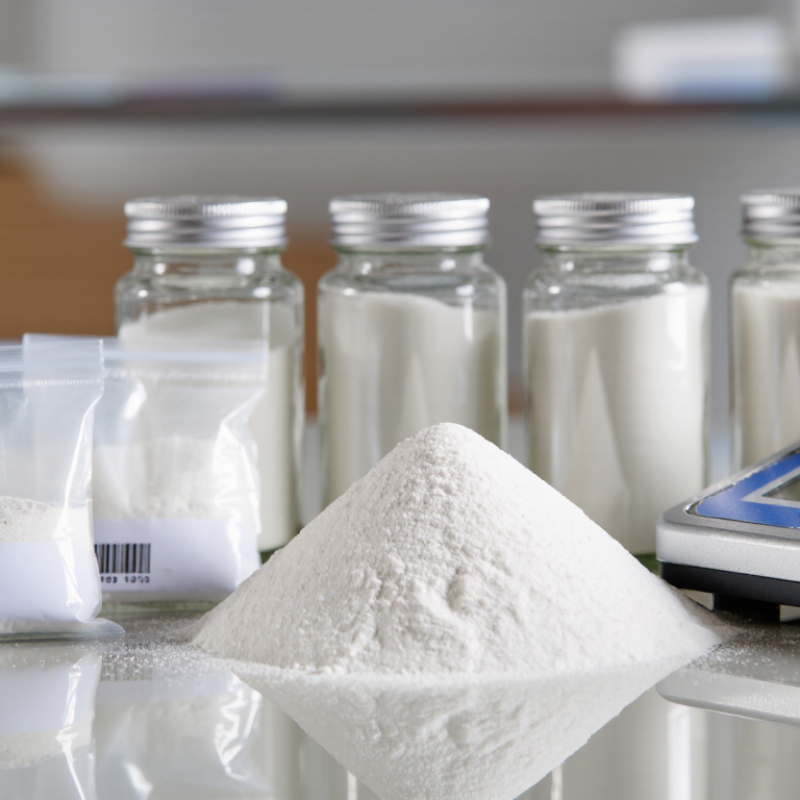
10 Tips for Buying Magnesium Oxide Powder Safely

Understand Magnesium Oxide Powder and Its Intended Use

Understand Magnesium Oxide Powder and Its Intended Use

Magnesium oxide powder is not a one-size-fits-all material. Its grade, particle size, purity, and reactivity can vary with its intended application. A construction product, for example, may have different specifications from material intended for laboratory work or food-related use. Check the product specification sheet rather than relying on the name alone. Details matter.

Before buying, define how the powder will be used and what performance you need. Fine particles may disperse differently from coarse ones, while reactive grades can behave differently when exposed to moisture. Ask the supplier for a current certificate of analysis and safety data sheet. Confirm that the stated grade matches your application, and seek qualified advice for health-related uses. Do not assume that a product suitable for one purpose is suitable for another.

Handling needs attention, too. Powder can become airborne when poured, so use the precautions listed on its safety data sheet and avoid creating dust. Keep the container sealed and dry, and label any transferred material clearly. A specification can look reassuring, yet still leave questions about testing or traceability. Ask those questions before ordering; a small sample may help confirm handling and suitability, but it does not replace quality documentation.

Define the Grade, Purity, and Quantity You Need

Do not treat “magnesium oxide” as one uniform powder. Ask whether you need light, heavy, caustic-calcined, or dead-burned material; density and reactivity affect handling. The USGS estimated global magnesite mine output at roughly 28 million metric tons in 2023 (Mineral Commodity Summaries 2024). That figure describes ore, not finished magnesium oxide. The distinction matters when comparing supplier claims. Small detail, big consequences.

Specify the grade for its intended use, then define purity with an assay and impurity limits. The USP–NF Magnesium Oxide monograph gives an assay range of 96.0–100.5% on an ignited basis; this applies to that compendial grade, not every commercial powder. Ask suppliers to report calcium oxide, silica, iron, moisture, and loss on ignition, with test methods and lot-specific certificates. A high headline purity can still hide a troublesome impurity.

For quantity, request a small trial lot before committing to routine volume. Estimate usage from your batch size, process losses, and shelf-life needs, then confirm packaging and storage conditions. Compare prices on the same grade, assay basis, and delivered quantity. I would still test a retained sample; paperwork alone can miss variation between lots.

Buying Magnesium Oxide Powder Safely: Define Grade, Purity & Quantity

Pure magnesium oxide (MgO) has a theoretical mass composition of approximately 60.3% magnesium and 39.7% oxygen. Use this as a chemical reference—not as a substitute for checking the product grade, certificate of analysis, purity specification, or required quantity with the supplier.

Check Supplier Credentials and Product Documentation

Before ordering magnesium oxide powder, verify who is supplying it and what the documents actually cover. Ask for the supplier’s registered business details, physical contact information, and a clear explanation of its quality-control process. A professional-looking website is not proof of consistent handling. Request a certificate of analysis for the specific batch, not just a generic sample. Check that its lot number matches the label and that it lists relevant results, such as assay, moisture, and particle size, when these matter to your application. Small details matter.

Read the safety data sheet and technical data sheet, too. They should describe the material’s hazards, storage conditions, specifications, and intended uses in language you can understand. Confirm the test date and method, and ask whether testing was performed in-house or by an independent laboratory. If a document is unclear, request a corrected copy before paying. I may be overly cautious, but a missing batch number makes verification difficult. Keep the quotation, product documents, and delivery records together. When the powder arrives, compare the packaging label with the paperwork and note any damage or mismatched details before use.

10 Tips for Buying Magnesium Oxide Powder Safely - Check Supplier Credentials and Product Documentation

Tip What to Check Useful Evidence Warning Sign
1 Confirm the chemical identity. Magnesium oxide is identified by the formula MgO and CAS Registry Number 1309-48-4. Product specification and Safety Data Sheet (SDS) with matching identity information. The product name, formula, or identifier differs between documents.
2 Match the grade to the intended use. Industrial, laboratory, food, and pharmaceutical applications can have different requirements. A written grade designation and specification appropriate to the application and destination market. A general-purpose grade is presented as suitable for a regulated use without supporting documentation.
3 Request a current, lot-specific Certificate of Analysis (COA). Check that the reported results correspond to the material being offered. COA showing the batch or lot number, test results, units, test methods, and issue date. The COA is undated, generic, or does not identify the lot.
4 Review the assay and how it is reported. Confirm the stated purity basis and any specified limits for relevant impurities. Product specification and COA with clear methods, units, and applicable limits. A purity figure is given without a test method, basis, or supporting results.
5 Check physical properties that matter to your process, such as particle-size range, bulk density, or loss on ignition. A technical data sheet or specification listing the relevant property ranges and test methods. Important process specifications are missing or described only as “standard.”
6 Ask whether testing covers contaminants relevant to your application. Required analytes and limits vary by use and jurisdiction. Risk-based test results or a documented testing plan with methods and reporting limits. Broad claims such as “contaminant-free” are made without test data or defined limits.
7 Read the SDS before purchase and handling. Check hazard information, precautions, storage guidance, and emergency measures. A current SDS in a language and format suitable for the intended workplace and market. No SDS is available, or it describes a different substance or product.
8 Verify traceability and supplier quality practices. Ask how lots are identified, retained, and investigated if a quality issue occurs. Documented lot-tracking procedures and relevant quality-system or audit information. The seller cannot explain how a delivered lot is linked to its test records.
9 Inspect packaging and storage instructions. Packaging should be intact and suitable for the shipment and expected storage conditions. Packaging details, lot labeling, and written guidance for keeping the product dry and protected from contamination. Damaged, unsealed, or poorly labeled packaging, or unclear storage instructions.
10 Confirm requirements before ordering, including applicable regulations, import documents, sampling, and acceptance criteria. Written purchase specifications and agreed documentation requirements for the destination and intended use. Compliance or certification claims cannot be supported by documents that apply to the product and market.

Review Safety Standards, Packaging, and Storage Requirements

Before buying magnesium oxide powder, request the current safety data sheet and a lot-specific certificate of analysis. Check the stated grade, particle size, assay, and impurity limits against your intended use. Packaging matters. Choose intact, sealed bags or drums with clear product identification, batch numbers, and hazard information where applicable. A torn liner or damp carton can signal poor handling, though it does not prove contamination. Ask how the material was stored and shipped, and inspect the delivery before accepting it.

Storage conditions can affect powder quality. Keep containers closed, dry, and off the floor on a pallet; avoid placing them beside water sources or incompatible materials identified in the safety data sheet. Use local dust controls when opening bags, and avoid creating visible clouds. The NIOSH Pocket Guide lists exposure limits for magnesium oxide fume of 10 mg/m³ total dust and 5 mg/m³ respirable dust. These figures concern occupational exposure to fume, so they should not be treated as a powder-specific safe handling guarantee. Small details matter. I still find labels easy to overlook during receiving, especially when several lots arrive together. Record the lot number and keep the supplier’s documentation accessible to workers handling the material.

Compare Prices, Delivery Terms, and Return Policies

When comparing magnesium oxide powder quotes, match the details before comparing the numbers. Check the stated grade, purity, particle size, packaging, and order quantity. A low price per kilogram may exclude freight, pallet charges, or special handling. Ask for a written quote that lists these costs separately. Keep the quote. It makes later checks easier.

Tip: Compare the delivered cost, not just the unit price. Confirm the shipping method, dispatch date, estimated arrival window, and who handles damage claims. “Ships in three days” may mean dispatch, not delivery. Ask whether the shipment includes a certificate of analysis and a current safety data sheet. Details can vary by lot, so check that documents match the material offered.

Before paying, read the return policy closely. Some suppliers accept returns only for sealed, dry packages; others require notice within a short period. Ask what happens if the powder arrives torn, damp, or outside the agreed specification. Keep photos of the packaging and delivery label if there is a problem. It is easy to focus too much on price. I would also compare response times and how clearly the seller answers questions—though that judgment is not as tidy as a spreadsheet.

Copyright 2025 Fluidra S.A. | Created by BCM Marketing Agencia Privacy Policy Legal note | Cookie policy |

Technical cookies are strictly necessary for our website to work and you can navigate through it. These types of cookies are those that, for example, allow us to identify you, give you access to certain restricted parts of the page if necessary, or remember different options or services already selected by you, such as your privacy preferences. Therefore, they are activated by default, your authorization not being necessary in this regard. Through the configuration of your browser, you can block or alert the presence of this type of cookies, although such blocking will affect the proper functioning of the different functionalities of our website.


The analysis cookies allow us to study the navigation of the users of our website in general (for example, which sections of the page are the most visited, which services are used most and if they work correctly, etc.). From the statistical information on navigation on our website, we can improve both the operation of the page itself and the different services it offers. Therefore, these cookies do not have an advertising purpose, but only serve to make our website work better, adapting to our users in general. By activating them you will contribute to this continuous improvement. You can enable or disable these cookies by checking the corresponding box, being disabled by default.


Functionality cookies allow us to remember your preferences, to personalize certain characteristics and general options of our website, every time you access it (for example, the language in which the information is presented to you, the sections marked as favorites, your browser type, etc.) Therefore, this type of cookies does not have an advertising purpose, but by activating them you will improve the functionality of the website (for example, adapting to your type of browser) and the customization of it based on your preferences (for example, by presenting the information in the language that you have chosen in previous occasions), which will contribute to the ease, usability and comfort of our page during your navigation. You can enable or disable these cookies by checking the corresponding box, being disabled by default.


Advertising cookies allow us to manage the advertising spaces included in our website based on criteria such as the content shown or the frequency in which the ads are displayed. For example, if you have been shown the same ad several times on our website, and you have not shown a personal interest by clicking on it, it will not appear again. In summary, by activating this type of cookies, the advertising shown on our website will be more useful and diverse, and less repetitive. You can enable or disable these cookies by checking the corresponding box, being disabled by default.


Behavioral advertising cookies allow us to obtain information based on the observation of your browsing habits and behaviors on the web, in order to show you advertising content that best suits your personal tastes and interests. To understand it in a very simple way, we will give you a fictitious example: if your last searches on the web were related to suspense literature, we would show you advertising about suspense books. Therefore, activating this type of cookies, the advertising that we show you on our website will not be generic, but will be oriented to your searches, tastes and interests, therefore adjusting exclusively to you. You can enable or disable these cookies by checking the corresponding box, being disabled by default.
To understand it in a very simple way, we will give you a fictitious example: if your last searches on the web were related to suspense literature, we would show you advertising about suspense books. Therefore, activating this type of cookies, the advertising that we show you on our website will not be generic, but will be oriented to your searches, tastes and interests, therefore adjusting exclusively to you. You can enable or disable these cookies by checking the corresponding box, being disabled by default.

SAVE

We use our own and third-party cookies to ensure the proper functioning of the website and to analyse our services, improve your experience on our website and show you advertisements related to your interests according to profiling based on your browsing habits (e.g. websites visited). You can accept all cookies by clicking "ACCEPT" or set or reject them by clicking here. If you would like to know more about the use of cookies, please see our COOKIE POLICY.


ACCEPT ALL
Reject no essentials


