
What is a Sink Strainer and How Does It Work?
FLUID HANDLING EXPERTS

Blog, all our news

What is a Sink Strainer and How Does It Work?

A Sink Strainer is an essential tool in modern kitchens. It prevents food debris from clogging drains while allowing water to flow freely. According to industry expert John L. Baker, "A good sink strainer protects your plumbing and ensures smooth drainage." This highlights the strainer's vital role in household maintenance.

Using a sink strainer can greatly reduce plumbing issues. Without it, kitchens can encounter frequent clogs. Food scraps may build up over time, and that can lead to costly repairs. A simple, effective sink strainer can save homeowners from unexpected messes and expenses. It's remarkable how such a small item can have such a large impact.

However, not all sink strainers are created equal. Some may allow smaller particles to slip through. Others might not fit well, which can lead to leaks. Regular checks and maintenance of your strainer are necessary for optimal performance. Being proactive about this small appliance can make a big difference in long-term plumbing health.
What is a Sink Strainer and How Does It Work?

What is a Sink Strainer: Definition and Purpose

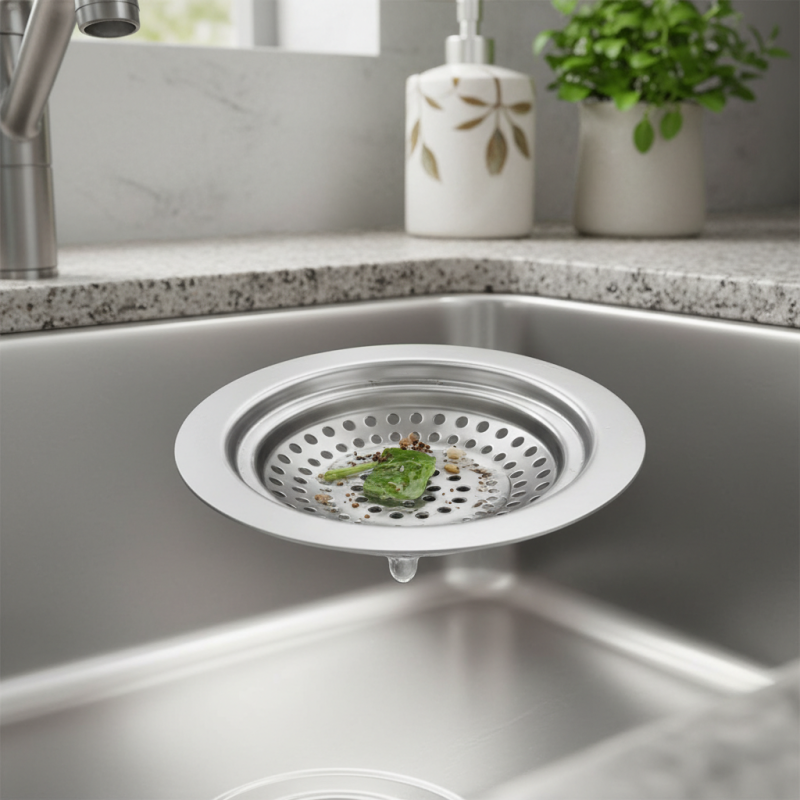
A sink strainer is a crucial kitchen and bathroom accessory. Its primary purpose is to prevent debris from clogging drains. This simple device sits in the sink’s drain opening, catching food particles, hair, and other small objects. It helps maintain proper drain function and minimizes plumbing issues.

When using a sink strainer, regular maintenance is key. Remove the strainer periodically and clean it. Accumulated debris can lead to unpleasant odors. If you notice slow drainage, check the strainer first. A dirty strainer can easily be the culprit.

To enhance your kitchen experience, consider these tips: make it a habit to rinse dishes before placing them in the sink. This simple act can reduce the amount of food particles reaching the strainer. Always ensure the strainer fits snugly in the drain to maximize its effectiveness. A loose strainer may allow some debris to slip through, causing future problems. Regular attention to this small device can save you from larger plumbing issues down the line.

Types of Sink Strainers: Materials and Designs

Sink strainers play a crucial role in preventing clogged drains. They are available in various materials and designs. Each type offers unique benefits, making them suitable for different kitchen or bathroom sinks.

Metal strainers, such as stainless steel, are durable and resistant to corrosion. They blend well with most sink designs. Plastic strainers are lightweight and often more affordable. They can be an ideal choice for temporary setups. Additionally, silicone strainers are flexible and easy to clean. They can easily conform to different sink shapes.

Designs also vary widely. Some strainers have a simple basket shape, while others feature intricate patterns. Mesh strainers can catch smaller debris but might require more frequent cleaning. It’s important to consider the specific needs of your sink. Choosing the right material and design can help you maintain clear drains. However, selecting the perfect strainer can be challenging. Reflecting on your sink usage can guide your decision.

How a Sink Strainer Functions: Mechanism Explained

A sink strainer is a simple yet essential tool in any kitchen or bathroom sink. It acts as a barrier that stops food particles, hair, and other debris from entering the plumbing system. The mechanism is quite straightforward. A strainer typically consists of a mesh or perforated device that fits snugly into the drain opening. When water flows through, it passes while trapping unwanted debris.

When using a sink strainer, it’s important to check it regularly. Over time, the collected debris can create clogs if not removed. The strainer’s design allows for easy cleaning, which is crucial for maintaining proper water flow. Some users overlook this task. A clogged strainer can lead to unpleasant odors and plumbing issues.

The functionality of a sink strainer lies in its simplicity. It’s easy to install and maintain, yet it plays a vital role in plumbing health. However, it can be a challenge to remember to clean it often. Engaging with such a basic yet beneficial tool can prevent more significant plumbing disasters down the line. Awareness of its importance will encourage better maintenance habits.

Installation Process: How to Set Up a Sink Strainer

Installing a sink strainer is a straightforward process that significantly impacts your kitchen's functionality. It acts as a barrier to prevent food waste from entering the plumbing system. According to the National Association of Home Builders, nearly 38% of households experience plumbing issues due to clogged drains. A properly installed sink strainer can help reduce this risk.

To set up a sink strainer, start by removing the drain cover. This allows access to the plumbing beneath. Ensure you have a bucket ready to catch any residual water. Place the strainer into the drain hole and secure it tightly. It's vital to use plumber's putty or silicone sealant to prevent leaks. In 2022, the plumbing industry reported that improper installation is a leading cause of leaks in residential sinks.

After installation, the next step is to test for leaks. Run water through the sink and check for any drips. If found, tightening the components may help. However, not every installation goes perfectly. Some might notice persistent issues despite following guidelines. Regular maintenance, cleaning, and occasional checks are necessary. These practices can help in identifying problems early and ensuring a well-functioning kitchen sink.

Maintenance Tips: Keeping Your Sink Strainer Effective

Maintaining your sink strainer is crucial for a smoothly functioning kitchen. Regular cleaning prevents clogs and foul odors. A simple routine can keep your strainer effective. After each use, rinse the strainer under hot water. This helps wash away food particles. If you notice buildup, soak the strainer in a solution of vinegar and baking soda. This natural method breaks down grease and grime.


Inspect your sink strainer monthly for damage. Look for cracks or warping. A damaged strainer won't catch debris properly. Replace it if necessary. Sometimes, we overlook these small details, but they make a big difference. Store small tools nearby, like a brush or a cloth, for easy cleaning.


Finally, don't forget to check the plumbing beneath your sink. Ensure there are no leaks or blockages. Addressing issues promptly can save you from bigger problems later. Learning to maintain your sink strainer takes time, but the rewards are worth it. Regular care leads to a cleaner, healthier kitchen environment.

Copyright 2025 Fluidra S.A. | Created by BCM Marketing Agencia Privacy Policy Legal note | Cookie policy |

Technical cookies are strictly necessary for our website to work and you can navigate through it. These types of cookies are those that, for example, allow us to identify you, give you access to certain restricted parts of the page if necessary, or remember different options or services already selected by you, such as your privacy preferences. Therefore, they are activated by default, your authorization not being necessary in this regard. Through the configuration of your browser, you can block or alert the presence of this type of cookies, although such blocking will affect the proper functioning of the different functionalities of our website.


The analysis cookies allow us to study the navigation of the users of our website in general (for example, which sections of the page are the most visited, which services are used most and if they work correctly, etc.). From the statistical information on navigation on our website, we can improve both the operation of the page itself and the different services it offers. Therefore, these cookies do not have an advertising purpose, but only serve to make our website work better, adapting to our users in general. By activating them you will contribute to this continuous improvement. You can enable or disable these cookies by checking the corresponding box, being disabled by default.


Functionality cookies allow us to remember your preferences, to personalize certain characteristics and general options of our website, every time you access it (for example, the language in which the information is presented to you, the sections marked as favorites, your browser type, etc.) Therefore, this type of cookies does not have an advertising purpose, but by activating them you will improve the functionality of the website (for example, adapting to your type of browser) and the customization of it based on your preferences (for example, by presenting the information in the language that you have chosen in previous occasions), which will contribute to the ease, usability and comfort of our page during your navigation. You can enable or disable these cookies by checking the corresponding box, being disabled by default.


Advertising cookies allow us to manage the advertising spaces included in our website based on criteria such as the content shown or the frequency in which the ads are displayed. For example, if you have been shown the same ad several times on our website, and you have not shown a personal interest by clicking on it, it will not appear again. In summary, by activating this type of cookies, the advertising shown on our website will be more useful and diverse, and less repetitive. You can enable or disable these cookies by checking the corresponding box, being disabled by default.


Behavioral advertising cookies allow us to obtain information based on the observation of your browsing habits and behaviors on the web, in order to show you advertising content that best suits your personal tastes and interests. To understand it in a very simple way, we will give you a fictitious example: if your last searches on the web were related to suspense literature, we would show you advertising about suspense books. Therefore, activating this type of cookies, the advertising that we show you on our website will not be generic, but will be oriented to your searches, tastes and interests, therefore adjusting exclusively to you. You can enable or disable these cookies by checking the corresponding box, being disabled by default.
To understand it in a very simple way, we will give you a fictitious example: if your last searches on the web were related to suspense literature, we would show you advertising about suspense books. Therefore, activating this type of cookies, the advertising that we show you on our website will not be generic, but will be oriented to your searches, tastes and interests, therefore adjusting exclusively to you. You can enable or disable these cookies by checking the corresponding box, being disabled by default.

SAVE

We use our own and third-party cookies to ensure the proper functioning of the website and to analyse our services, improve your experience on our website and show you advertisements related to your interests according to profiling based on your browsing habits (e.g. websites visited). You can accept all cookies by clicking "ACCEPT" or set or reject them by clicking here. If you would like to know more about the use of cookies, please see our COOKIE POLICY.


ACCEPT ALL
Reject no essentials


