
What Is a Silicone Universal Lid and How Does It Work?
FLUID HANDLING EXPERTS

Blog, all our news

What Is a Silicone Universal Lid and How Does It Work?

A Silicone Universal Lid is a flexible kitchen cover designed to seal bowls, cups, pans, jars, and containers of different sizes. Its elastic silicone stretches over a rim, while surface tension helps maintain contact. Pressing the center can remove some trapped air and improve the seal. In a busy kitchen, that means fewer loose plastic wraps and fewer mismatched lids in crowded drawers.

The market context is substantial. Grand View Research estimates that the global silicone market reached approximately USD 18 billion in 2023, with continued growth expected through 2030. Mordor Intelligence also identifies food-grade silicone as a growing material category, supported by reusable kitchen products and changing consumer preferences. These figures describe silicone broadly, not Universal Lids alone. That distinction matters.

Dr. Chris DeArmitt, a polymer materials expert, states, “Material choice should follow the application.” His point fits this product closely. A Silicone Universal Lid must balance flexibility, tear resistance, temperature tolerance, and food-contact safety. The U.S. Food and Drug Administration lists silicone rubber under specific conditions in 21 CFR 177.2600, but not every silicone item automatically meets every food-use requirement. Check the manufacturer’s documentation.

The concept sounds simple.

The real performance varies.

A lid may seal soup smoothly but fail on a rough ceramic edge. It may tolerate heat yet deform after repeated dishwasher cycles. Grand View Research reports also warn that market growth does not guarantee consistent product quality. Therefore, this guide examines how the lid works, what affects its seal, and where its convenient design has practical limits.
What Is a Silicone Universal Lid and How Does It Work?

Definition and Key Features of a Silicone Universal Lid

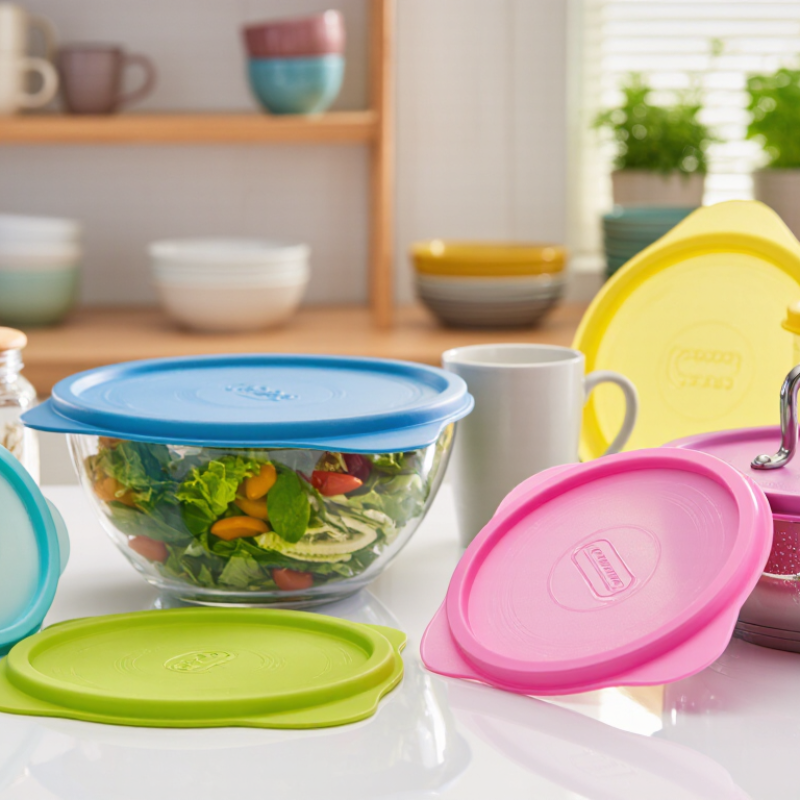
A silicone universal lid is a flexible, reusable cover for bowls, pots, cups, and food containers. It stretches across different openings and creates a close seal around the rim. Unlike rigid plastic covers, it can adapt to uneven shapes and slightly wider edges. The word universal means versatile, not suitable for every container.

Most lids use food-contact silicone, valued for flexibility, durability, and resistance to moisture. Many tolerate both refrigeration and moderate heating, but the product’s stated temperature range should guide use. A secure lid usually has a soft, elastic edge that grips the container. Some designs include a small pull tab for easier removal. Others offer a central vent or raised area for handling warm food.

In daily use, I find the seal works best on clean, smooth, dry rims. Crumbs, oil, or rough edges can reduce its grip. The lid may cover a bowl well but fail on a sharp-rimmed pan. That surprised me. “Airtight” can also be an overstatement, because flexible silicone lids vary in pressure and fit. They help slow spills, protect food from dust, and reduce the need for disposable wrap. They do not replace careful storage or safe temperature control. Washing by hand can preserve the seal, although some lids are dishwasher-safe. Check the care instructions.

Materials, Design, and Size Adaptability

A silicone universal lid is a flexible cover designed to fit containers with different diameters. Its main material is silicone rubber, valued for heat resistance, elasticity, and a nonporous surface. Food-contact safety still depends on curing quality and compliance documents, so material claims should be checked rather than assumed. Some lids use reinforced silicone around the edge for better stability.

The design usually combines a broad, stretchable membrane with a raised tab or handle. When pressed over a bowl, pan, or cut fruit, the rim follows the container’s lip and forms a close seal. Light pressure can expel some air, but this is not always a true vacuum. It is not magic. A dry, smooth rim works best. Oil, crumbs, or a chipped edge can weaken the seal and cause slow leakage.

Size adaptability comes from controlled stretching, not unlimited expansion. A lid may cover several nearby diameters, while extreme size differences create wrinkles and loose corners. I have found that a smaller lid often grips firmly on a glass bowl but slips on a thin, flexible container. Shape matters too; round vessels are usually easier than square ones with sharp corners. Look for a measured size range, flexible thickness, and a rim wide enough to sit securely. Silicone can tolerate repeated use, yet stretching it beyond its intended range may cause permanent distortion.

What Is a Silicone Universal Lid and How Does It Work? - Materials, Design, and Size Adaptability

Data Dimension Typical Specification How It Works or Matters Practical Consideration
Primary Material Food-grade silicone rubber, generally made from silicone polymers with approved pigments or additives. Silicone provides flexibility, resilience, and a non-porous surface that can form a seal against many smooth container rims. Choose a lid identified as food-contact safe and free from unwanted fillers or strong chemical odors.
Temperature Resistance Many food-grade silicone products are designed for approximately -40°C to 200°C, but the exact limit depends on the product construction. The material remains flexible across a broad temperature range, allowing use with chilled foods and many hot foods. Always follow the lid's stated limits. Temperature resistance does not automatically mean suitability for direct flame, ovens, or broilers.
Stretch and Elasticity The flexible sheet can stretch around container openings that are slightly larger or smaller than the lid's relaxed diameter. Elastic tension helps the lid conform to the rim and maintain contact when the surface is smooth and clean. Stretching capacity is limited. Excessive tension may reduce sealing performance or shorten service life.
Universal Size Adaptability A single round lid commonly fits several container diameters within a stated range, such as about 15–25 cm. The lid adapts through elastic deformation rather than using a rigid, fixed-size locking mechanism. Measure the outside diameter and rim shape of the container before selecting a size range.
Sealing Mechanism A flexible perimeter, sometimes combined with a raised center or pull tab, creates a close contact seal. Pressing the lid onto the opening removes some air and allows the silicone edge to grip the rim. The seal is usually splash-resistant or airtight only when the rim is smooth, dry, and free from crumbs or grease.
Container Compatibility Bowls Cups Pots Containers The flexible material can cover glass, ceramic, metal, and many rigid food-safe plastic containers. Best results occur on flat, continuous rims. Containers with sharp edges, deep curves, or damaged lips may not seal well.
Surface and Texture Usually smooth, non-porous, and slightly tacky, with a flexible edge that may include ribs or concentric rings. The surface helps resist liquid absorption, while edge texture can improve handling and contact with the container. A smooth surface is easier to clean, but it can attract lint or dust when stored without drying.
Air and Liquid Control Designed to cover food and reduce exposure to air, spills, and household odors; performance varies by fit. Close contact limits air exchange and helps contain liquids during normal stationary storage. A universal lid is not necessarily leak-proof during shaking, transport, or pressure changes unless it has a dedicated locking design.
Transparency Many silicone lids are translucent or semi-transparent, while some are opaque due to pigmentation. Translucency allows users to identify the covered food without fully removing the lid. Color and transparency do not determine sealing quality; edge contact and correct sizing are more important.
Cleaning Method Typically washable by hand and often suitable for dishwashers when permitted by the product instructions. The non-porous material generally releases food residue more easily than absorbent materials. Wash after oily foods, allow the lid to dry fully, and inspect the edge for cuts, tears, or permanent deformation.
Reusable Life Intended for repeated use; service life depends on heat exposure, stretching, cleaning, storage, and physical damage. Silicone can repeatedly flex and recover its shape, reducing the need for disposable plastic wrap. Replace the lid if it becomes sticky, cracked, permanently stretched, brittle, or unable to maintain contact.
Key Limitations Not suitable for every container shape or every cooking application. The lid relies on surface contact and cannot compensate for rough, porous, sharply angled, or heavily irregular rims. Do not use as a pressure-cooker seal, a substitute for a canning closure, or directly over an open flame unless specifically designed for that purpose.

How a Silicone Universal Lid Creates a Seal

What Is a Silicone Universal Lid and How Does It Work?

How a Silicone Universal Lid Creates a Seal

A silicone universal lid seals by stretching gently over a container’s rim. Its flexible material presses against the surface and blocks gaps where air could enter. When you press the lid’s center, trapped air moves outward. The rim then grips the container more firmly. This creates a practical seal, although it is not always a true vacuum. Smooth glass, ceramic, metal, and some plastic surfaces usually work best. Rough, chipped, or uneven rims may weaken the seal.

In daily kitchen use, alignment matters more than force. Place the lid flat and center it carefully. Press around the middle first, then smooth the outer edge with your fingers. A clean, dry rim improves contact. I once assumed a larger lid would seal every bowl, but that was not reliable. Diameter alone does not guarantee compatibility. The container’s shape, rim width, and surface texture also matter. Check for trapped crumbs, wrinkles, or stretched areas before storing food.

Tips: Wash and dry the lid before use. Avoid sharp utensils near the silicone. Leave room around hot food because steam can loosen the seal. Test the edge gently before moving the container. If the lid slips, leaks, or shows cracks, replace it. A small gap can matter.

Compatible Containers and Common Household Uses

A silicone universal lid is a flexible cover designed to seal containers with different shapes and sizes. It usually uses soft, stretchable silicone that grips the rim through light tension. The word “universal” can mislead, though. It will not fit every bowl, jar, or pan securely. A smooth, flat rim usually works best, while sharp edges and heavily textured surfaces may cause leaks.

Compatible containers often include glass bowls, ceramic dishes, stainless steel pans, and some plastic storage boxes. I have found these lids useful for covering leftover soup, sliced fruit, or a half-used canister in the refrigerator. They can also protect dough while it rests, cover a mug during short storage, or keep dust away from a serving dish. Some designs include a small pull tab, making removal easier without touching the food.

Before use, match the lid’s size to the container opening. Press the center gently after placing it, then check the edge for gaps. A secure seal should feel even, not stretched to its limit. Silicone may tolerate moderate heat, but temperature limits vary by product. Do not assume every lid belongs in an oven, microwave, or freezer. I once chose a lid that was slightly too small; it looked sealed, but air entered within minutes. That small mistake showed why fit matters more than flexibility. Wash the lid thoroughly after oily foods, because grease can remain around the inner rim.

What Is a Silicone Universal Lid and How Does It Work?

A silicone universal lid uses a flexible, stretchable surface and a slightly larger rim to create a temporary seal over containers with smooth, even edges. It is commonly used with glass, ceramic, stainless-steel, and many rigid plastic containers when the lid diameter matches the opening.

The chart shows typical reference temperatures for common household situations. Freezer, refrigerator, room-temperature, and covered-food uses are common applications; microwave or hot-food use should only be permitted when the individual silicone lid is specifically rated for heat. Silicone lids are not automatically oven-safe.

Cleaning, Storage, and Safe Handling Practices

What Is a Silicone Universal Lid and How Does It Work?

A silicone universal lid uses flexible material and gentle pressure to cover bowls, pans, cups, and containers of different sizes. Its smooth underside forms a seal against a clean, dry rim. A small handle or central tab helps users lift it without touching the food. Unlike rigid lids, it can flex around uneven edges, but it cannot repair a badly chipped or cracked container. In daily kitchen use, the lid works best when the surface is flat and free from grease, crumbs, and moisture.

Cleaning should happen soon after use, especially after sauces or dairy-based foods. Wash the lid with warm water, mild dish soap, and a soft sponge. Avoid sharp scrubbers, knives, and abrasive powders, which may weaken the surface. Check the lid under bright light for cuts, sticky patches, or unusual odors. If anything seems damaged, replace it. That may feel wasteful, but continued use can make cleaning less reliable. Follow the product’s heat instructions, and never assume every silicone lid belongs in an oven, microwave, or dishwasher.

Tips: Dry the lid completely before storage. Store it flat, or place it loosely in a drawer without heavy items on top. Do not fold it tightly for long periods. Before covering hot food, allow excessive steam to escape when appropriate. Lift the lid slowly from one edge. Sudden release can splash hot liquid. A simple habit helps: inspect the seal each time.

Article Source:

Copyright 2025 Fluidra S.A. | Created by BCM Marketing Agencia Privacy Policy Legal note | Cookie policy |

Technical cookies are strictly necessary for our website to work and you can navigate through it. These types of cookies are those that, for example, allow us to identify you, give you access to certain restricted parts of the page if necessary, or remember different options or services already selected by you, such as your privacy preferences. Therefore, they are activated by default, your authorization not being necessary in this regard. Through the configuration of your browser, you can block or alert the presence of this type of cookies, although such blocking will affect the proper functioning of the different functionalities of our website.


The analysis cookies allow us to study the navigation of the users of our website in general (for example, which sections of the page are the most visited, which services are used most and if they work correctly, etc.). From the statistical information on navigation on our website, we can improve both the operation of the page itself and the different services it offers. Therefore, these cookies do not have an advertising purpose, but only serve to make our website work better, adapting to our users in general. By activating them you will contribute to this continuous improvement. You can enable or disable these cookies by checking the corresponding box, being disabled by default.


Functionality cookies allow us to remember your preferences, to personalize certain characteristics and general options of our website, every time you access it (for example, the language in which the information is presented to you, the sections marked as favorites, your browser type, etc.) Therefore, this type of cookies does not have an advertising purpose, but by activating them you will improve the functionality of the website (for example, adapting to your type of browser) and the customization of it based on your preferences (for example, by presenting the information in the language that you have chosen in previous occasions), which will contribute to the ease, usability and comfort of our page during your navigation. You can enable or disable these cookies by checking the corresponding box, being disabled by default.


Advertising cookies allow us to manage the advertising spaces included in our website based on criteria such as the content shown or the frequency in which the ads are displayed. For example, if you have been shown the same ad several times on our website, and you have not shown a personal interest by clicking on it, it will not appear again. In summary, by activating this type of cookies, the advertising shown on our website will be more useful and diverse, and less repetitive. You can enable or disable these cookies by checking the corresponding box, being disabled by default.


Behavioral advertising cookies allow us to obtain information based on the observation of your browsing habits and behaviors on the web, in order to show you advertising content that best suits your personal tastes and interests. To understand it in a very simple way, we will give you a fictitious example: if your last searches on the web were related to suspense literature, we would show you advertising about suspense books. Therefore, activating this type of cookies, the advertising that we show you on our website will not be generic, but will be oriented to your searches, tastes and interests, therefore adjusting exclusively to you. You can enable or disable these cookies by checking the corresponding box, being disabled by default.
To understand it in a very simple way, we will give you a fictitious example: if your last searches on the web were related to suspense literature, we would show you advertising about suspense books. Therefore, activating this type of cookies, the advertising that we show you on our website will not be generic, but will be oriented to your searches, tastes and interests, therefore adjusting exclusively to you. You can enable or disable these cookies by checking the corresponding box, being disabled by default.

SAVE

We use our own and third-party cookies to ensure the proper functioning of the website and to analyse our services, improve your experience on our website and show you advertisements related to your interests according to profiling based on your browsing habits (e.g. websites visited). You can accept all cookies by clicking "ACCEPT" or set or reject them by clicking here. If you would like to know more about the use of cookies, please see our COOKIE POLICY.


ACCEPT ALL
Reject no essentials


