
What is a Self Drilling Screw and How to Use It?
FLUID HANDLING EXPERTS

Blog, all our news

What is a Self Drilling Screw and How to Use It?

In the world of construction and manufacturing, the term "Self Drilling Screw" holds great significance. These screws are unique because they can drill their own holes. Expert Sarah Thompson, a mechanical engineer with over 15 years of experience, states, “Understanding self-drilling screws can transform your approach to fastening.”

Self drilling screws are equipped with a sharp tip, allowing them to penetrate materials like wood, metal, and plastic seamlessly. This feature reduces the need for pre-drilled holes, saving time and enhancing efficiency in various projects. However, using them improperly can lead to stripped holes or inadequate fastening.

Many users underestimate the importance of selecting the right type and size of self drilling screws. The wrong choice can compromise the integrity of the entire assembly. It is crucial to consider factors like material thickness and screw length. With careful attention, these versatile tools can significantly improve project outcomes and ensure lasting results.
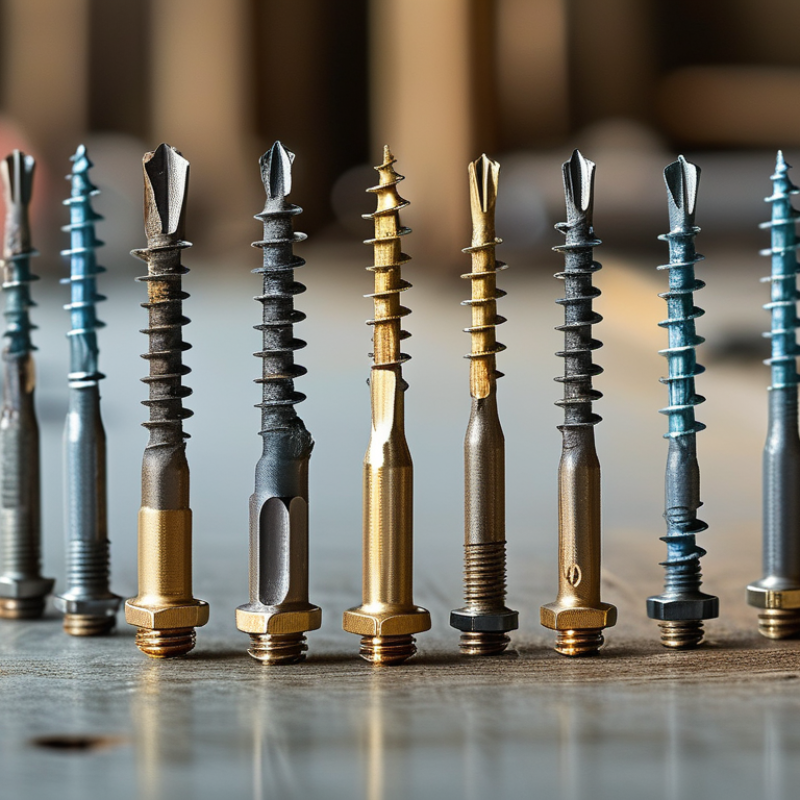
What is a Self Drilling Screw and How to Use It?

What are Self-Drilling Screws? An Overview of Their Design and Function

Self-drilling screws are revolutionary fasteners that integrate a drill bit and a screw in one. Designed for ease of use, they eliminate the need for pre-drilling holes. This feature makes them particularly useful in metal-to-metal and metal-to-wood applications. According to industry reports, the self-drilling screw market is anticipated to grow significantly, driven by increasing construction and automotive demand.

The unique design of self-drilling screws allows the tip to penetrate materials effortlessly. This design often features a sharp point and fluted shank, which helps in removing debris while drilling. Reports indicate that the efficiency of self-drilling screws can improve installation speed by up to 50%. This can lead to reduced labor costs and quicker project turnaround times.

**Tips:** When using self-drilling screws, ensure you choose the right screw size for the material thickness. Over-tightening can strip the screw or damage the base material, so apply controlled pressure during installation. Regularly inspect screws in outdoor applications for wear, as environmental factors may affect their durability.

Types of Self-Drilling Screws and Their Specific Applications

Self-drilling screws are essential tools in construction and manufacturing. They come in various types, each designed for specific applications. Understanding these types can enhance your project’s efficiency.

One common type is the steel self-drilling screw. It is used primarily in metal-to-metal applications, such as attaching metal sheets. This screw features a sharp tip that drills through metal without needing a pilot hole. Being fast and reliable makes it valuable for roofing and siding installations. However, improper installation may lead to stripping or breaking.

Another type is the self-drilling screw for wood. It often has a coarse thread to grip into softer materials. This screw is ideal for constructing wooden frames or furniture assembly. Yet, care must be taken to avoid overtightening, which can cause splitting. Recognizing your application can prevent mistakes that might waste time and resources.

What is a Self Drilling Screw and How to Use It? - Types of Self-Drilling Screws and Their Specific Applications

Screw Type Description Material Size Common Applications
Self-Drilling Drywall Screw Designed for fastening drywall to metal or wood. Steel #6 to #8 x 1" to 2" Wallboard installation, ceiling framing
Self-Drilling Sheet Metal Screw Used for fastening metal sheets together or to other materials. Stainless Steel #10 to #14 x 3/4" to 2" HVAC installation, metal roofing
Self-Drilling Lag Screw Designed for heavy-duty applications, allowing for a strong grip. Carbon Steel 1/4" to 1/2" diameter Wood-to-wood connections, framing
Self-Drilling Deck Screw Specially designed for installing decking material. Coated Carbon Steel #8 to #10 x 1.25" to 3" Decking, wooden flooring
Self-Drilling Roofing Screw Used in the installation of metal roofing and siding. Galvanized Steel #12 to #14 x 1" to 2" Metal roofs, siding installation

The Benefits of Using Self-Drilling Screws in Construction and Manufacturing

Self-drilling screws are essential in construction and manufacturing. Their unique design eliminates the need for pre-drilling, saving time and labor. According to industry reports, using self-drilling screws can reduce installation time by up to 30%. This efficiency is crucial in large projects, where every minute counts.

The benefits extend beyond just time savings. Self-drilling screws provide reliable and durable fastening. A study by a leading engineering firm showed that utilizing these screws can increase the overall strength of connections by 20%. This durability leads to longer-lasting structures and reduces maintenance costs. However, not all self-drilling screws are created equal. Many professionals must consider material compatibility and environmental exposure.

While self-drilling screws streamline processes, improper use can lead to issues. Oversizing holes or torque settings may compromise their effectiveness. Continuous training and careful selection are vital. Mastery of these tools requires ongoing learning. The advancements in self-drilling technology present opportunities and challenges. Embracing these innovations demands attention to detail and a commitment to quality.

Installation Techniques for Self-Drilling Screws: A Step-by-Step Guide

Self-drilling screws have transformed the fastening industry. These screws eliminate the need for a pilot hole, allowing for quicker installation. They work by using a sharp tip that drills into materials like metal or wood. This simplicity is appealing, but proper installation is crucial for a successful outcome.

When installing self-drilling screws, it’s vital to select the right type for your project. Check the material's thickness and density. Use a power drill with the correct torque settings. Too much pressure can strip the screw or damage the material. Always drill at a consistent speed for best results.

Tips: Ensure you start with a steady hand. A wobbly grip can misalign screws. It's helpful to practice on scrap material first. Consider wearing safety goggles to protect your eyes from flying debris. Remember that each installation provides an opportunity for improvement. If a screw doesn’t seem tight, reflect on your technique and adjust accordingly. Aim for precision in every step; it pays off in the performance of your project.

Self-Drilling Screws Usage Analysis

Industry Standards and Best Practices for Self-Drilling Screw Usage

Self-drilling screws have become essential in various industries due to their ease of use and reliability. These screws eliminate the need for pre-drilling by featuring a drill point that creates its own hole. However, to maximize their effectiveness, adhering to industry standards and best practices is crucial.

When using self-drilling screws, it's important to select the right type for your material. The size, coating, and thread design can impact performance. For example, using a screw with a fine thread might be suitable for thin materials, while coarse threads may be better for thicker ones. Incorrect size or type can lead to stripped threads or insufficient hold, causing potential failures.

In addition, proper installation techniques must be followed. A consistent speed and torque are vital when driving screws. Over-torquing can strip the material or break the screw. Conversely, insufficient torque may not secure the joint effectively. Always consider the material's characteristics and environmental factors, as these can influence the chosen method. Regular inspections of installed screws can help identify any issues early, ensuring ongoing reliability. It’s not just about initial placement; ongoing maintenance is key.

Copyright 2025 Fluidra S.A. | Created by BCM Marketing Agencia Privacy Policy Legal note | Cookie policy |

Technical cookies are strictly necessary for our website to work and you can navigate through it. These types of cookies are those that, for example, allow us to identify you, give you access to certain restricted parts of the page if necessary, or remember different options or services already selected by you, such as your privacy preferences. Therefore, they are activated by default, your authorization not being necessary in this regard. Through the configuration of your browser, you can block or alert the presence of this type of cookies, although such blocking will affect the proper functioning of the different functionalities of our website.


The analysis cookies allow us to study the navigation of the users of our website in general (for example, which sections of the page are the most visited, which services are used most and if they work correctly, etc.). From the statistical information on navigation on our website, we can improve both the operation of the page itself and the different services it offers. Therefore, these cookies do not have an advertising purpose, but only serve to make our website work better, adapting to our users in general. By activating them you will contribute to this continuous improvement. You can enable or disable these cookies by checking the corresponding box, being disabled by default.


Functionality cookies allow us to remember your preferences, to personalize certain characteristics and general options of our website, every time you access it (for example, the language in which the information is presented to you, the sections marked as favorites, your browser type, etc.) Therefore, this type of cookies does not have an advertising purpose, but by activating them you will improve the functionality of the website (for example, adapting to your type of browser) and the customization of it based on your preferences (for example, by presenting the information in the language that you have chosen in previous occasions), which will contribute to the ease, usability and comfort of our page during your navigation. You can enable or disable these cookies by checking the corresponding box, being disabled by default.


Advertising cookies allow us to manage the advertising spaces included in our website based on criteria such as the content shown or the frequency in which the ads are displayed. For example, if you have been shown the same ad several times on our website, and you have not shown a personal interest by clicking on it, it will not appear again. In summary, by activating this type of cookies, the advertising shown on our website will be more useful and diverse, and less repetitive. You can enable or disable these cookies by checking the corresponding box, being disabled by default.


Behavioral advertising cookies allow us to obtain information based on the observation of your browsing habits and behaviors on the web, in order to show you advertising content that best suits your personal tastes and interests. To understand it in a very simple way, we will give you a fictitious example: if your last searches on the web were related to suspense literature, we would show you advertising about suspense books. Therefore, activating this type of cookies, the advertising that we show you on our website will not be generic, but will be oriented to your searches, tastes and interests, therefore adjusting exclusively to you. You can enable or disable these cookies by checking the corresponding box, being disabled by default.
To understand it in a very simple way, we will give you a fictitious example: if your last searches on the web were related to suspense literature, we would show you advertising about suspense books. Therefore, activating this type of cookies, the advertising that we show you on our website will not be generic, but will be oriented to your searches, tastes and interests, therefore adjusting exclusively to you. You can enable or disable these cookies by checking the corresponding box, being disabled by default.

SAVE

We use our own and third-party cookies to ensure the proper functioning of the website and to analyse our services, improve your experience on our website and show you advertisements related to your interests according to profiling based on your browsing habits (e.g. websites visited). You can accept all cookies by clicking "ACCEPT" or set or reject them by clicking here. If you would like to know more about the use of cookies, please see our COOKIE POLICY.


ACCEPT ALL
Reject no essentials


