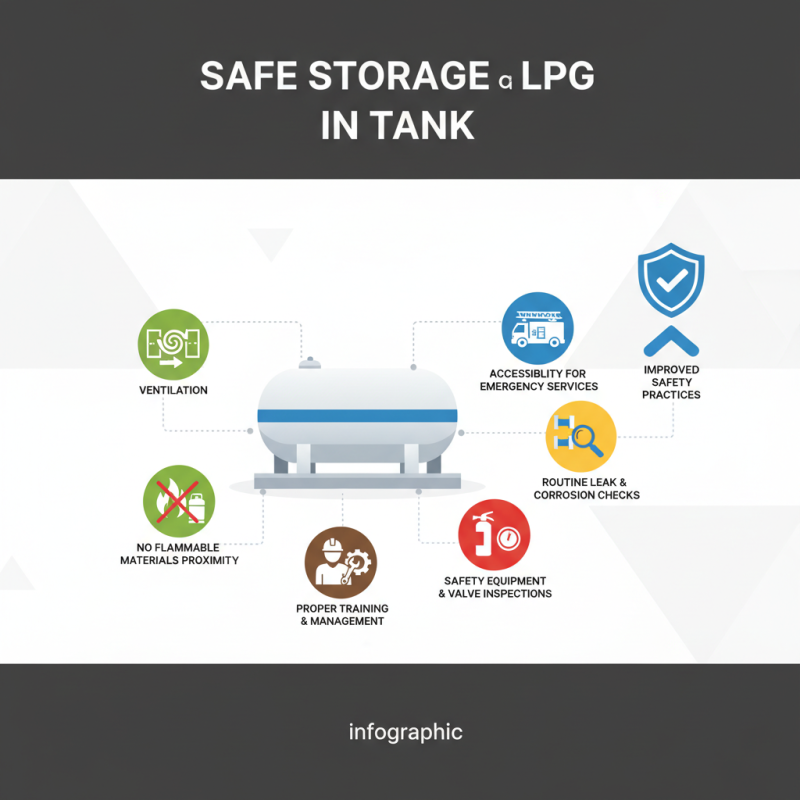
Storing LPG safely is crucial for both personal safety and environmental protection. An LPG Storage Tank should be well-maintained and positioned in a safe location. It is important to consider factors like ventilation, proximity to flammable materials, and accessibility for emergency services.
Routine checks are necessary to detect leaks or corrosion. These small actions can prevent larger disasters. Just filling the tank isn't enough; understanding how to manage it is equally vital. The importance of proper training cannot be overstated.
Investing in safety equipment can also make a significant difference. Regularly inspecting safety valves and other components ensures they function properly. There's always room for improvement in our approach to LPG management. Engaging with professionals can offer insights that might improve safety practices.
Safety Regulations for LPG Storage Tank Installation
When installing LPG Storage Tanks, safety regulations are crucial. According to the National Fire Protection Association (NFPA), proper spacing between tanks and structures minimizes risk. Additionally, maintaining a distance of at least 10 feet from any ignition source is essential. Tanks should be located on stable ground, not prone to flooding or erosion.
Regular inspections are vital. The American Petroleum Institute (API) suggests checking for leaks or corrosion quarterly. Operators need training in emergency response. This prepares them for gas releases or tank failures. Proper signage around the storage areas reminds people of potential hazards.
Not all installations comply with the guidelines. Some facilities cut corners to save costs. This can lead to dangerous situations. It's baffling that a portion of storage tanks lacks secondary containment. This oversight can result in spills, which are harmful to the environment. Adhering to established safety norms is not just optional; it's essential for community safety.
Safety Regulations for LPG Storage Tank Installation
Choosing the Right Location for LPG Storage Tanks
When choosing the right location for LPG storage tanks, safety is paramount. Ensure the area is well-ventilated. This helps prevent gas accumulation. Look for flat ground, away from homes and busy areas. Clear signage is essential. It informs everyone about the potential hazards.
Tips: Choose a site at least 10 meters away from any building. Avoid areas prone to flooding or natural disasters. Regularly inspect the surrounding area for any changes that could pose risks.
Keep in mind the proximity to utilities. Gas lines, electric poles, and water sources should be far away. This mitigates risks of accidents. Also, consider access for maintenance and emergency services. A complicated location can create problems in urgent situations.
Tips: Establish a clear path for emergency vehicles. Ensure easy access for tank filling and inspection. It's crucial to keep the area tidy and free of debris. Unkept surroundings can lead to oversight or hazards.
Essential Equipment for Safe LPG Storage
When it comes to safely storing LPG in a storage tank, essential equipment plays a crucial role. The LPG storage tank should be designed for pressurized environments. A safe tank minimizes the risk of leaks or explosions. Regular inspections can help ensure the tank’s structural integrity. According to industry data, over 80% of accidents are due to equipment failure. Investing in high-quality valves and pressure regulators is vital.
In addition to tank integrity, monitoring systems are key. Sensors can detect leaks early. They provide real-time data on pressure and temperature. This immediate feedback helps prevent hazardous situations. Studies show that implementing automated monitoring can cut risk factors by 30%! Safety equipment, such as fire extinguishers and personal protective gear, must be easily accessible.
It's important to remember that even with the best equipment, human error can occur. Training personnel in handling and monitoring LPG is essential. Reports indicate that a lack of proper training is a significant cause of accidents. Regular drills can reinforce safety practices, but complacency can still creep in. Establishing a culture of safety takes continuous effort and vigilance.
Handling and Maintenance Practices for LPG Tanks
Storing LPG safely requires diligent handling and regular maintenance of storage tanks. According to industry reports, proper storage can significantly reduce risks related to leaks and explosions. Tanks should be kept in well-ventilated areas, away from flammable structures. Regular inspections are key. Check for corrosion or leaks on a monthly basis. Use soap solutions to test for leaks; bubbling indicates a problem.
Tips: Always ensure safety valves and pressure relief valves are operational. This helps manage pressures and reduces the chance of incidents.
Monitoring tank levels is vital. Never let levels drop too low. This can lead to poor mixing and increased risks during transfers. Ensure your hoses and fittings are in good condition. Weak points can lead to leaks that go unnoticed for long periods.
Remember, safety is ongoing. Regular training for handling LPG is essential. Infrequent maintenance can risk accidents that may have been preventable. A forgetful approach will not suffice. Make a schedule to check equipment and train personnel consistently.
Emergency Procedures for LPG Leak or Fire Incidents
In case of an LPG leak or fire, immediate action is vital. Your first step is to evacuate all personnel from the area. Ensure everyone is at a safe distance. Call emergency services right away. Sharing your location and the nature of the incident helps them respond effectively.
Tips for handling LPG incidents: - Always keep emergency contact numbers accessible. - Practice regular drills with all staff. - A well-prepared team can save lives.
Engaging in a quick assessment of the situation is also crucial. Identify the source of the leak if it’s safe to do so. Avoid using electrical devices; sparks might ignite gas. Instead, try to cut off the LPG supply from the tank if possible.
Tips again: - Regularly inspect safety equipment. - Maintain clear paths to exits. - Equipment should be functional and accessible.
Remember, prevention is always better than cure. Regular training on emergency procedures is essential. Vulnerabilities exist in storage systems. Flaws must be addressed proactively. In moments of crisis, being prepared can make a significant difference.
How to Safely Store LPG in a Storage Tank? - Emergency Procedures for LPG Leak or Fire Incidents
Dimension
Details
Storage Tank Material
Carbon Steel or Stainless Steel
Capacity
5000 Liters
Temperature Range
-20°C to 50°C
Pressure Rating
Up to 10 Bar
Safety Features
Emergency Venting, Pressure Relief Valves
Leak Detection
Electronic Gas Detectors
Emergency Procedure
Evacuate area, Activate alarms, Use fire extinguishers if safe
Cepex is the brand for the fluid handling market belonging to the Fluidra group. One of the leading european manufacturer of valves and fittings in thermoplastic materials.
Dedicated to the swimming pool, irrigation and industrial markets, we distribute our products worldwide with the Fluidra commercial network and presence in 46 countries with 136 sales branches.
Your data will be processed by CEPEX S.A., with address at C. Lluís Companys, 51-53, 08400, Granollers (Barcelona), and C.I.F. nº A-08928707, to send you communications about our products based on your interests. You can consult more information about the processing of your data and how to exercise your rights as described in the Privacy Policy.
Technical cookies are strictly necessary for our website to work and you can navigate through it. These types of cookies are those that, for example, allow us to identify you, give you access to certain restricted parts of the page if necessary, or remember different options or services already selected by you, such as your privacy preferences. Therefore, they are activated by default, your authorization not being necessary in this regard. Through the configuration of your browser, you can block or alert the presence of this type of cookies, although such blocking will affect the proper functioning of the different functionalities of our website.
The analysis cookies allow us to study the navigation of the users of our website in general (for example, which sections of the page are the most visited, which services are used most and if they work correctly, etc.). From the statistical information on navigation on our website, we can improve both the operation of the page itself and the different services it offers. Therefore, these cookies do not have an advertising purpose, but only serve to make our website work better, adapting to our users in general. By activating them you will contribute to this continuous improvement. You can enable or disable these cookies by checking the corresponding box, being disabled by default.
Functionality cookies allow us to remember your preferences, to personalize certain characteristics and general options of our website, every time you access it (for example, the language in which the information is presented to you, the sections marked as favorites, your browser type, etc.) Therefore, this type of cookies does not have an advertising purpose, but by activating them you will improve the functionality of the website (for example, adapting to your type of browser) and the customization of it based on your preferences (for example, by presenting the information in the language that you have chosen in previous occasions), which will contribute to the ease, usability and comfort of our page during your navigation. You can enable or disable these cookies by checking the corresponding box, being disabled by default.
Advertising cookies allow us to manage the advertising spaces included in our website based on criteria such as the content shown or the frequency in which the ads are displayed. For example, if you have been shown the same ad several times on our website, and you have not shown a personal interest by clicking on it, it will not appear again. In summary, by activating this type of cookies, the advertising shown on our website will be more useful and diverse, and less repetitive. You can enable or disable these cookies by checking the corresponding box, being disabled by default.
Behavioral advertising cookies allow us to obtain information based on the observation of your browsing habits and behaviors on the web, in order to show you advertising content that best suits your personal tastes and interests. To understand it in a very simple way, we will give you a fictitious example: if your last searches on the web were related to suspense literature, we would show you advertising about suspense books. Therefore, activating this type of cookies, the advertising that we show you on our website will not be generic, but will be oriented to your searches, tastes and interests, therefore adjusting exclusively to you. You can enable or disable these cookies by checking the corresponding box, being disabled by default. To understand it in a very simple way, we will give you a fictitious example: if your last searches on the web were related to suspense literature, we would show you advertising about suspense books. Therefore, activating this type of cookies, the advertising that we show you on our website will not be generic, but will be oriented to your searches, tastes and interests, therefore adjusting exclusively to you. You can enable or disable these cookies by checking the corresponding box, being disabled by default.
We use our own and third-party cookies to ensure the proper functioning of the website and to analyse our services, improve your experience on our website and show you advertisements related to your interests according to profiling based on your browsing habits (e.g. websites visited). You can accept all cookies by clicking "ACCEPT" or set or reject them by clicking here. If you would like to know more about the use of cookies, please see our COOKIE POLICY.