
7 Tips to Choose RFID Tags for Asset Tracking
FLUID HANDLING EXPERTS

Blog, all our news

7 Tips to Choose RFID Tags for Asset Tracking

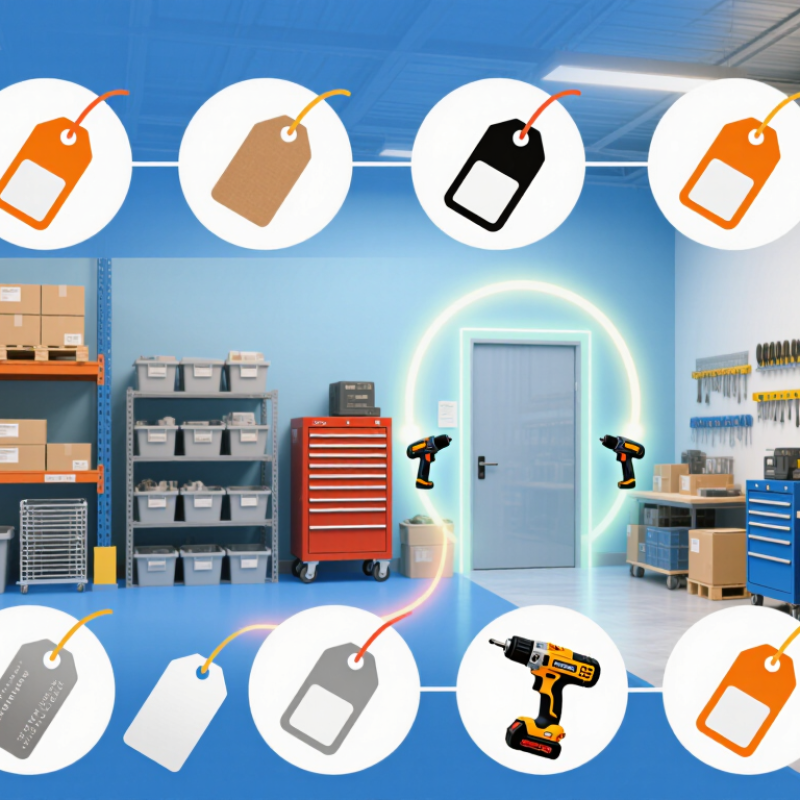
Choosing Rfid Tags For Asset Tracking is more than selecting the smallest label or strongest adhesive. The right tag must match the asset, environment, reader, and tracking process. A warehouse bin may need a low-cost passive tag, while a metal tool cabinet may require an on-metal design. Moisture, heat, vibration, and cleaning chemicals can also affect performance. Small details matter.

Start with the asset’s material and surface. Then examine read distance, mounting method, memory capacity, frequency, and reader compatibility. Tag durability deserves careful attention. A label that works on a cardboard box may fail on a steel rack or moving forklift. Testing samples in the actual workplace is more reliable than trusting a specification sheet alone. Measure read rates near doors, shelves, and crowded storage areas. Record failures honestly.

Seven practical tips can guide the decision. Define tracking goals, inspect the operating environment, match the tag to the asset surface, confirm reader compatibility, test performance, evaluate total cost, and plan data management. Cost is not only the purchase price. Replacement labor, missed scans, and poor inventory records can become more expensive. Avoid choosing based on appearance alone.

No tag performs perfectly everywhere. That matters. A pilot project may reveal unexpected interference, weak adhesive, or inconsistent reads. Reviewing those problems improves the final design. Suppliers with documented testing, technical support, and relevant industry experience can reduce avoidable mistakes. Reliable asset tracking begins with realistic requirements, measured results, and a willingness to revise the plan.
7 Tips to Choose RFID Tags for Asset Tracking

Define Asset Tracking Requirements Before Selecting RFID Tags

Before choosing RFID tags, define what asset tracking must achieve. In a warehouse, the goal may be locating pallets at dock doors, not tracking every movement. In a hospital, cleanability and attachment security may matter more than maximum reading distance. Write down asset types, dimensions, materials, travel paths, and read points. Include temperature, moisture, metal surfaces, and expected handling. That detail matters.

Frame the requirements around seven questions: identity, environment, mounting, range, speed, durability, and workflow.

Set measurable targets for read accuracy, scan speed, tag lifespan, and data capacity. Test tags on steel containers, plastic bins, fabric cases, and curved tools. A tag that performs well on cardboard may fail beside liquid or metal. Choose frequency and construction only after these conditions are clear. I once approved a small tag for crowded equipment, but its placement was inconsistent. The tag was technically suitable, yet the process was not. That mistake changed our checklist.

Your requirements should cover installation labor, removal needs, cleaning methods, and replacement costs. Decide whether workers will scan individually or through a portal. Confirm how missed reads will be detected and reviewed. Ask who owns tag encoding, inventory updates, and exception handling. Document acceptance tests with real assets, not empty samples. Run a pilot during busy and quiet periods. Results may expose assumptions. Revise the specification before purchasing at scale.

Match RFID Tag Frequencies to the Tracking Environment

Choosing RFID tags starts with the tracking environment, not the label shape. In warehouse trials, I have seen a promising tag fail beside a steel rack. Frequency was the real problem. Low-frequency tags, usually 125–134 kHz, travel through some moisture better but offer short read ranges. High-frequency tags at 13.56 MHz suit close-range identification, such as bins passing a handheld reader. Ultra-high-frequency tags, commonly 860–960 MHz, support longer reads across docks and storage aisles.

UHF performance drops around liquids, dense products, and metal surfaces. A pallet of bottled goods can behave like a moving shield. Use on-metal designs for steel tools, cabinets, or machinery, but confirm the required orientation. HF may be steadier for item-level checks near people or liquid containers. It is slower for wide-gate coverage. Not always. Reader power, antenna layout, tag memory, and mounting distance also matter. Frequency alone never solves the tracking problem.


Test samples in the actual room. Walk loaded carts past the reader, rotate tags, and record missed reads at different speeds. Check regional frequency rules before deployment, because permitted UHF bands differ by location. I once trusted a clean laboratory result too much; the warehouse floor exposed reflections and dead zones. That mistake changed my process. I now test seasonal stock, damaged packaging, and awkward mounting points before approving a tag. Keep results documented and repeatable.

Evaluate Tag Materials, Size, and Mounting Methods

Choosing RFID tags for asset tracking starts with the asset, not the reader. Start with the asset. In field audits, I record surface material, temperature, moisture, cleaning chemicals, and handling frequency. Metal can detune ordinary tags and reduce read distance. Use tags designed for metal, or add a tested spacer. Plastic may require a different adhesive than painted steel. Outdoor equipment needs protection from water, dust, sunlight, and temperature changes. A label can look durable. It may still fail at the edges.

Size affects performance and daily usability. Fit matters. Larger tags often provide better antenna area, especially near metal. However, oversized tags can snag on racks, tools, or moving parts. Measure the available flat area before ordering. Test the actual surface. Check read range on the real asset, not only in a data sheet. Test full and empty bins, stacked pallets, and dirty surfaces. Small is risky around dense materials.

Mounting should match the asset’s movement and maintenance schedule. Industrial adhesive works on clean, dry surfaces, but oil and dust weaken the bond. Screws, rivets, or cable ties may suit rugged assets, though drilling can affect corrosion protection. Keep the tag flat and follow its orientation guidance. Avoid motors, batteries, and tightly packed metal. I once approved a convenient mounting spot that became unreadable after adding a protective cover. A pilot installation would have caught it. Test after cleaning, repainting, and routine handling, then record the location and mounting method.

Compare Read Range, Memory, Durability, and Data Capacity

7 Tips to Choose RFID Tags for Asset Tracking

In asset tracking, tag performance depends on the environment, reader setup, and item material. A laboratory test is useful, but field conditions often expose unexpected weaknesses.

Tip 1: Compare read range at the actual mounting position. Metal surfaces, liquid containers, and crowded shelves can reduce reliable distance. A longer advertised range may not improve daily scanning.

Tip 2: Match memory to the data you truly need. Basic identification may require only a serial number. Maintenance dates, inspection notes, or location history need more space.

Tip 3: Check data capacity and encoding speed together. More memory is helpful, but slower writing can delay receiving operations.

Tip 4: Select durable materials for the asset’s working conditions. Review resistance to heat, moisture, dust, vibration, and repeated handling. I once underestimated abrasion near a loading area; the labels remained readable, but their edges lifted.

Tip 5: Test read consistency, not only maximum range. A tag that reads once from eight meters may fail during movement.

Tip 6: Compare performance across orientations. Workers rarely place every asset at the ideal angle.

Tip 7: Consider attachment method and surface compatibility. Adhesive, cable ties, rivets, or embedded mounting can change durability and read quality.

Do not trust a single sample. Test several tag types on real assets, during normal workflows, and after reasonable wear. The best choice is usually a practical balance between range, memory, durability, and capacity, not the strongest figure on a specification sheet.

Test Tag Performance and Confirm System Compatibility

RFID tag selection should begin with a real test, not a catalog promise. In asset tracking, metal cabinets, liquid containers, and dense storage racks can change read performance. Place sample tags on the actual assets and record read distance, orientation, and missed reads. Test them at normal walking speed.

Run the trial during busy operating hours. People, forklifts, stacked goods, and nearby equipment may affect the signal. Check each tag from several angles, including partial obstruction. A tag that performs well on an empty bench may fail inside a crowded room. Use repeated passes, not one impressive scan. Keep a simple log with asset type, placement, reader position, and successful reads. Small details matter.

System compatibility requires more than matching frequencies. Confirm that the tag’s operating band, encoding method, memory structure, and data format suit the readers and software. Verify that identifiers are captured correctly, stored without duplication, and linked to the right asset record. Test damaged labels, duplicate reads, and temporary signal loss. I have seen early assumptions fail after installation. A second test often exposes weak placement choices or software gaps. Ask the technical team to review the results before ordering large quantities.

Copyright 2025 Fluidra S.A. | Created by BCM Marketing Agencia Privacy Policy Legal note | Cookie policy |

Technical cookies are strictly necessary for our website to work and you can navigate through it. These types of cookies are those that, for example, allow us to identify you, give you access to certain restricted parts of the page if necessary, or remember different options or services already selected by you, such as your privacy preferences. Therefore, they are activated by default, your authorization not being necessary in this regard. Through the configuration of your browser, you can block or alert the presence of this type of cookies, although such blocking will affect the proper functioning of the different functionalities of our website.


The analysis cookies allow us to study the navigation of the users of our website in general (for example, which sections of the page are the most visited, which services are used most and if they work correctly, etc.). From the statistical information on navigation on our website, we can improve both the operation of the page itself and the different services it offers. Therefore, these cookies do not have an advertising purpose, but only serve to make our website work better, adapting to our users in general. By activating them you will contribute to this continuous improvement. You can enable or disable these cookies by checking the corresponding box, being disabled by default.


Functionality cookies allow us to remember your preferences, to personalize certain characteristics and general options of our website, every time you access it (for example, the language in which the information is presented to you, the sections marked as favorites, your browser type, etc.) Therefore, this type of cookies does not have an advertising purpose, but by activating them you will improve the functionality of the website (for example, adapting to your type of browser) and the customization of it based on your preferences (for example, by presenting the information in the language that you have chosen in previous occasions), which will contribute to the ease, usability and comfort of our page during your navigation. You can enable or disable these cookies by checking the corresponding box, being disabled by default.


Advertising cookies allow us to manage the advertising spaces included in our website based on criteria such as the content shown or the frequency in which the ads are displayed. For example, if you have been shown the same ad several times on our website, and you have not shown a personal interest by clicking on it, it will not appear again. In summary, by activating this type of cookies, the advertising shown on our website will be more useful and diverse, and less repetitive. You can enable or disable these cookies by checking the corresponding box, being disabled by default.


Behavioral advertising cookies allow us to obtain information based on the observation of your browsing habits and behaviors on the web, in order to show you advertising content that best suits your personal tastes and interests. To understand it in a very simple way, we will give you a fictitious example: if your last searches on the web were related to suspense literature, we would show you advertising about suspense books. Therefore, activating this type of cookies, the advertising that we show you on our website will not be generic, but will be oriented to your searches, tastes and interests, therefore adjusting exclusively to you. You can enable or disable these cookies by checking the corresponding box, being disabled by default.
To understand it in a very simple way, we will give you a fictitious example: if your last searches on the web were related to suspense literature, we would show you advertising about suspense books. Therefore, activating this type of cookies, the advertising that we show you on our website will not be generic, but will be oriented to your searches, tastes and interests, therefore adjusting exclusively to you. You can enable or disable these cookies by checking the corresponding box, being disabled by default.

SAVE

We use our own and third-party cookies to ensure the proper functioning of the website and to analyse our services, improve your experience on our website and show you advertisements related to your interests according to profiling based on your browsing habits (e.g. websites visited). You can accept all cookies by clicking "ACCEPT" or set or reject them by clicking here. If you would like to know more about the use of cookies, please see our COOKIE POLICY.


ACCEPT ALL
Reject no essentials


