
In today's dynamic HVAC landscape, choosing the right components can be challenging. One such critical component is the Static balancing valve. As James Turner, a renowned expert in fluid dynamics, once stated, "A static balancing valve ensures efficient flow distribution in HVAC systems." This statement underscores the valve’s importance in promoting energy efficiency.
Through proper flow management, static balancing valves optimize heating and cooling systems. They help maintain ideal indoor conditions and reduce energy waste. For building owners and HVAC professionals, these valves provide unmatched reliability and performance. However, not all static balancing valves are created equal, and picking the right one requires careful consideration.
The complexity of modern HVAC systems means that the stakes are high. An inefficient system can lead to higher operational costs and discomfort. Hence, understanding the advantages of static balancing valves is essential for making informed decisions. With the right knowledge, you can enhance system performance while saving costs in the long run.
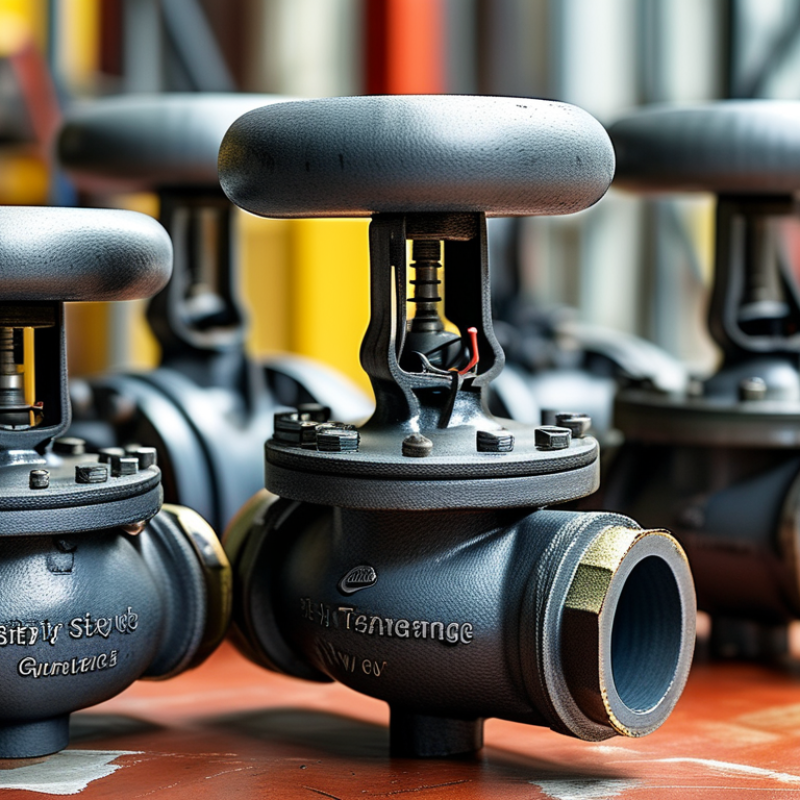
Static balancing valves are essential components in HVAC systems. They help regulate and balance the flow of water in heating and cooling processes. Improved efficiency is one of the key advantages of using these valves. According to a study from the American Society of Heating, Refrigerating and Air-Conditioning Engineers (ASHRAE), proper flow balance can enhance system performance by up to 30%. This means lower energy costs and better comfort for occupants.
Another benefit of static balancing valves lies in their reliability. They provide precise flow control, which can reduce wear and tear on system components. A report by the U.S. Department of Energy emphasizes that well-balanced systems operate more efficiently, resulting in a longer lifespan for HVAC equipment. However, there are challenges. Improper installation can lead to issues, such as noise or uneven heating. Users must be vigilant and ensure skilled professionals perform installations to fully unlock the potential of these valves.
Furthermore, ease of maintenance is a significant advantage. Static balancing valves require less frequent adjustments compared to dynamic valves. A recent survey found that 70% of HVAC professionals prefer static options for their straightforward maintenance. Yet, some may overlook regular checks, risking efficiency. Overall, while static balancing valves offer remarkable benefits, awareness of maintenance is crucial for optimal performance.

Static balancing valves serve a crucial role in fluid systems. These valves enable precise control over flow rates, ensuring optimal system performance. By using a static balancing valve, engineers achieve a well-balanced system that enhances efficiency. A proper balance can lead to energy savings and reduce wear on system components.
In operation, static balancing valves provide a fixed flow rate. This implies that once set, they maintain consistent conditions regardless of pressure changes. Such reliability is essential in applications where flow stability is vital. For instance, in a heating system, uneven flow can lead to cold spots. A static balancing valve mitigates this risk, promoting even heat distribution.
However, the setup demands attention. Incorrect calibration can lead to issues like excessive pressure loss. Regular maintenance checks are necessary to uphold performance. Static balancing valves also require a clear understanding of system demands. The complexity in these systems can pose challenges for engineers. Developing proficiency in setting and adjusting static balancing valves is essential for optimal results.
| Feature | Description |
|---|---|
| Improved Energy Efficiency | Static balancing valves help regulate flow rates, reducing energy consumption and improving system efficiency. |
| Consistent Performance | They provide stable flow conditions across various operating conditions, ensuring reliable system performance. |
| Ease of Installation | Static balancing valves are designed for straightforward installation, often requiring no special tools. |
| Cost-Effective Solution | They can reduce operational costs by minimizing energy wastage and enhancing system efficiency. |
| Durability and Reliability | Static balancing valves are built to withstand harsh conditions, ensuring long-lasting performance. |
| Enhanced Comfort | By ensuring proper flow, they contribute to more comfortable indoor environments by providing adequate heating and cooling. |
Static balancing valves and dynamic balancing valves serve distinct roles in hydraulic systems. Static balancing valves regulate flow rates effectively by maintaining a set balance under constant conditions. However, they lack the adaptability required for varying load conditions. According to the American Society of Heating, Refrigerating and Air-Conditioning Engineers (ASHRAE), static valves can ensure up to 75% energy efficiency in HVAC systems when operating under steady states.
On the other hand, dynamic balancing valves adjust based on changing system conditions. They can optimize energy consumption but may lead to complexity in maintenance. A study from the Institute of Heating and Ventilating Engineers indicates that systems with dynamic valves can see energy savings of about 25-35%. However, their installation might involve higher upfront costs and ongoing adjustments, which can be a burden.
Considering these factors, the choice of valve should align with the specific needs of your system. Static balancing valves shine in stable environments, whereas dynamic valves may be better suited for fluctuating demands. It's essential to assess your system's operational characteristics to make the most informed decision based on these trade-offs.
When selecting a static balancing valve, it is crucial to consider a few key factors. The first aspect is flow control accuracy. An effective valve ensures that each branch of the system receives the correct flow. This balance protects equipment and enhances overall efficiency. In contrast, poor flow distribution may lead to underperformance.
Another important consideration is the valve's pressure drop characteristics. A suitable valve should maintain a low-pressure drop across the system. High pressure drops can lead to increased energy consumption and operational costs. Knowing the delta pressure requirements helps in making the right choice.
Installation ease is also vital. Some valves may require extensive adjustments, while others offer straightforward setups. Additionally, understanding the materials used in the valve’s construction can impact its longevity and performance. Evaluating these factors ensures a better fit for your specific needs, creating a reliable and efficient system. Reflect on the long-term implications of your choice to avoid frequent replacements or adjustments. Each detail counts in achieving optimal results.
This chart illustrates the key factors to consider when selecting a static balancing valve, showcasing how important each factor is to potential users.
Static balancing valves play a crucial role in optimizing hydronic systems. According to a report by the American Society of Heating, Refrigerating, and Air-Conditioning Engineers (ASHRAE), improper balancing can waste up to 20% of energy. Using static balancing valves can help mitigate this energy loss effectively. They ensure that the proper flow rates are maintained throughout the system. This precise control leads to enhanced comfort and reduces wear on system components.
Implementing static balancing valves also brings long-term financial benefits. A study conducted by the Building Efficiency Initiative found that buildings with proper balancing report energy savings of up to 30%. This is significant for budget-conscious projects. In addition, stabilized flow rates extend the lifespan of heating and cooling equipment. Regular maintenance costs decrease. However, some engineers may overlook such solutions, reflecting an industry-wide challenge.
Moreover, static balancing valves contribute to sustainability goals. According to the International Energy Agency, improving energy efficiency could reduce greenhouse gas emissions by 50% by 2030. By prioritizing these valves, projects align with these environmental targets. Nonetheless, organizations must periodically assess their implementation processes to ensure they align with evolving standards. Achieving consistent performance requires ongoing evaluation and sometimes uncomfortable adjustments.

Cepex is the brand for the fluid handling market belonging to the Fluidra group. One of the leading european manufacturer of valves and fittings in thermoplastic materials.
Dedicated to the swimming pool, irrigation and industrial markets, we distribute our products worldwide with the Fluidra commercial network and presence in 46 countries with 136 sales branches.


