
What is a Quick Coupler Connection and How Does It Work?
FLUID HANDLING EXPERTS

Blog, all our news

What is a Quick Coupler Connection and How Does It Work?

The Quick Coupler Connection is a vital component in many industries. It allows for easy attachment and detachment of equipment. This feature enhances efficiency in tasks that require frequent changes of tools or attachments.

Understanding how a Quick Coupler Connection operates is essential. It typically consists of a latch mechanism that facilitates quick engagement and release. This design minimizes downtime, making operations smoother. Many professionals rely on this connection for its precision and reliability. However, improper usage can lead to failures or accidents, which highlight the need for adequate training.

While Quick Coupler Connections offer many benefits, awareness of their limitations is crucial. Regular maintenance ensures optimal performance. Users must reflect on their practices to avoid potential mishaps. A better understanding can lead to safer and more effective use of this innovative connection technology.
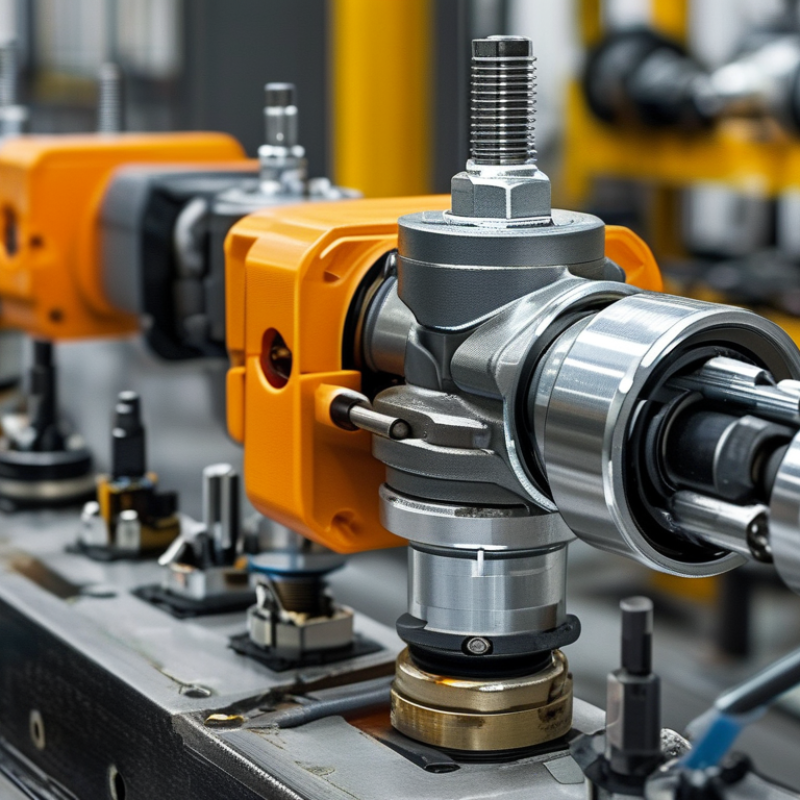
What is a Quick Coupler Connection and How Does It Work?

What is a Quick Coupler Connection?

A Quick Coupler Connection is a device used to join two parts in hydraulic systems or machinery. This connection allows for a quick attachment and detachment of hoses or components. Many industries rely on these connections for efficiency and convenience. Quick couplers are often found in construction, agriculture, and automotive applications.

The design of a quick coupler includes a male and female part that connect securely. Users can connect or disconnect them with minimal effort, which saves time and labor. However, the effectiveness of these connections can depend on proper use. If not aligned correctly, leaks can occur, leading to efficiency loss. Regular maintenance is crucial for ensuring they function optimally.

These connections may seem simple, but the technology behind them is complex. Many materials contribute to their strength and durability. Users must understand the limits of each coupler type to prevent failures. The stakes are high; a failure can halt operations. Understanding quick coupler connections can greatly benefit professionals in fields relying on quick and reliable hydraulic systems.

Types of Quick Coupler Connections Available

Quick coupler connections are essential in various industries. They allow for fast and efficient connections between hoses, pipes, and other equipment. Understanding the types available helps users choose the right one for their needs.

There are several types of quick coupler connections. First, the push-to-connect types are popular for their simplicity. Users can connect and disconnect with minimal effort. Another type is the screw-type couplers. They provide a more secure fit but may take longer to connect. These can be especially useful in high-pressure systems. Furthermore, you’ll find the automatic couplers, which engage and disengage without manual effort. These are effective in high-volume setups.

It's important to recognize that not all connections are created equal. Some couplers may leak if not properly maintained. Users should regularly inspect their equipment for wear and tear. In high-demand environments, the choice of coupler can significantly impact efficiency. Proper education on these options helps in minimizing operational issues. Knowledge of quick coupler types is crucial for optimal performance. Understanding the trade-offs can help users make informed decisions.

How Quick Couplers Function: Mechanisms Explained

Quick couplers are essential in various industries, offering efficiency in connecting and disconnecting machinery or equipment. These devices use a simple yet effective mechanism. When two components are brought together, a spring-loaded latch secures them. This action allows for quick engagement and disengagement without the need for tools. According to a recent industry report, quick coupler systems can improve operational efficiency by up to 30%. That's significant in high-paced work environments.

Understanding the function of quick couplers can enhance workflow and minimize downtime. They rely on a few key elements: the coupler itself, the connection type, and the sealing method. For instance, a robust sealing mechanism prevents leaks in hydraulic systems, ensuring safety. Data indicates that improper connections can lead to a 15% increase in maintenance costs. Small errors can have significant financial implications.

Tips: Always inspect couplers regularly for wear and tear. Proper maintenance ensures longevity. Additionally, train staff on correct usage. Misuse can complicate operations and lead to accidents. Regular training can mitigate these risks, creating a safer workplace. Attention to detail is crucial for maximizing efficiency and ensuring reliable operations.

Applications of Quick Couplers in Various Industries

Quick couplers play a crucial role in various industries, providing low-profile, efficient connections for fluid and gas transfer. In construction, for instance, these connections enable rapid equipment changes, increasing productivity on job sites. According to a report by the Association of Equipment Manufacturers, using quick couplers can reduce downtime by up to 30%. This efficiency translates to significant cost savings and improved safety.

In agriculture, quick couplers are vital for irrigation systems. Farmers rely on them for fast connection of hoses and attachments to machinery. A study by the American Society of Agricultural and Biological Engineers highlights that quick couplers can enhance water management efficiency by ensuring swift transitions between tasks. However, as systems become more complex, there is a need for proper training and awareness to prevent connection errors.

In the petrochemical industry, safety is paramount. Quick couplers facilitate quick and secure connections for the transfer of hazardous materials. The International Safety Equipment Association emphasizes the importance of quality control. While quick couplers must maintain high standards, continuous monitoring is essential to avoid leaks that could pose risks. Engaging with industry best practices can mitigate operational hazards.

Benefits of Using Quick Coupler Connections in Equipment

Quick coupler connections are essential in modern machinery. They enable quick attachment and detachment of hydraulic and other lines. This design enhances efficiency in various applications. For instance, operators can switch tools without unnecessary downtime. This feature is especially important in industries like construction and agriculture.

Using quick coupler connections brings several advantages. They save valuable time during equipment operation. When tasks require different attachments, quick couplers simplify the process. Workers can focus on their jobs rather than wrestling with connections. This convenience can lead to increased productivity and safety on job sites. However, operators must ensure these connections are properly maintained for optimal performance.

While the benefits are clear, issues can arise if couplers are not regularly inspected. Leaks can develop over time, leading to potential hazards. Furthermore, improper attachment can cause equipment failure. Maintaining a routine check-up schedule is essential to mitigate these risks. Quick couplers offer many advantages, but consistent care is vital for reliability and efficiency in heavy machinery.

Benefits of Using Quick Coupler Connections in Equipment

Copyright 2025 Fluidra S.A. | Created by BCM Marketing Agencia Privacy Policy Legal note | Cookie policy |

Technical cookies are strictly necessary for our website to work and you can navigate through it. These types of cookies are those that, for example, allow us to identify you, give you access to certain restricted parts of the page if necessary, or remember different options or services already selected by you, such as your privacy preferences. Therefore, they are activated by default, your authorization not being necessary in this regard. Through the configuration of your browser, you can block or alert the presence of this type of cookies, although such blocking will affect the proper functioning of the different functionalities of our website.


The analysis cookies allow us to study the navigation of the users of our website in general (for example, which sections of the page are the most visited, which services are used most and if they work correctly, etc.). From the statistical information on navigation on our website, we can improve both the operation of the page itself and the different services it offers. Therefore, these cookies do not have an advertising purpose, but only serve to make our website work better, adapting to our users in general. By activating them you will contribute to this continuous improvement. You can enable or disable these cookies by checking the corresponding box, being disabled by default.


Functionality cookies allow us to remember your preferences, to personalize certain characteristics and general options of our website, every time you access it (for example, the language in which the information is presented to you, the sections marked as favorites, your browser type, etc.) Therefore, this type of cookies does not have an advertising purpose, but by activating them you will improve the functionality of the website (for example, adapting to your type of browser) and the customization of it based on your preferences (for example, by presenting the information in the language that you have chosen in previous occasions), which will contribute to the ease, usability and comfort of our page during your navigation. You can enable or disable these cookies by checking the corresponding box, being disabled by default.


Advertising cookies allow us to manage the advertising spaces included in our website based on criteria such as the content shown or the frequency in which the ads are displayed. For example, if you have been shown the same ad several times on our website, and you have not shown a personal interest by clicking on it, it will not appear again. In summary, by activating this type of cookies, the advertising shown on our website will be more useful and diverse, and less repetitive. You can enable or disable these cookies by checking the corresponding box, being disabled by default.


Behavioral advertising cookies allow us to obtain information based on the observation of your browsing habits and behaviors on the web, in order to show you advertising content that best suits your personal tastes and interests. To understand it in a very simple way, we will give you a fictitious example: if your last searches on the web were related to suspense literature, we would show you advertising about suspense books. Therefore, activating this type of cookies, the advertising that we show you on our website will not be generic, but will be oriented to your searches, tastes and interests, therefore adjusting exclusively to you. You can enable or disable these cookies by checking the corresponding box, being disabled by default.
To understand it in a very simple way, we will give you a fictitious example: if your last searches on the web were related to suspense literature, we would show you advertising about suspense books. Therefore, activating this type of cookies, the advertising that we show you on our website will not be generic, but will be oriented to your searches, tastes and interests, therefore adjusting exclusively to you. You can enable or disable these cookies by checking the corresponding box, being disabled by default.

SAVE

We use our own and third-party cookies to ensure the proper functioning of the website and to analyse our services, improve your experience on our website and show you advertisements related to your interests according to profiling based on your browsing habits (e.g. websites visited). You can accept all cookies by clicking "ACCEPT" or set or reject them by clicking here. If you would like to know more about the use of cookies, please see our COOKIE POLICY.


ACCEPT ALL
Reject no essentials


