What is PVC Valves and How Do They Work in Various Applications?
FLUID HANDLING EXPERTS

Blog, all our news

What is PVC Valves and How Do They Work in Various Applications?

PVC valves play a crucial role in fluid control across various industries. According to a 2021 market report, the global PVC valve market is projected to grow significantly, reaching USD 4 billion by 2027. This growth reflects the increasing demand for durable and corrosion-resistant materials in plumbing, agriculture, and chemical processing.

These valves are favored for their lightweight properties and excellent chemical resistance. In applications, they can regulate water flow, control chemical processes, and even manage air pressure. However, relying solely on PVC valves does raise some concerns. Their performance can be affected by extreme temperatures and UV exposure, which are not always addressed in design.

Industries must consider both benefits and limitations. While PVC valves offer cost-effective solutions, examining potential weaknesses is essential. Improving designs could enhance performance in varying environmental conditions. As businesses move forward, a balanced approach is necessary to fully harness the advantages of PVC valves.
What is PVC Valves and How Do They Work in Various Applications?

What Are PVC Valves and Their Basic Components?

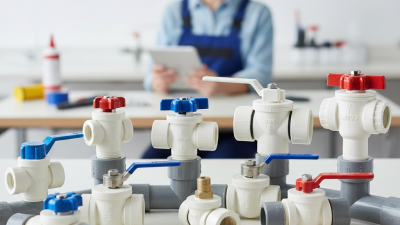
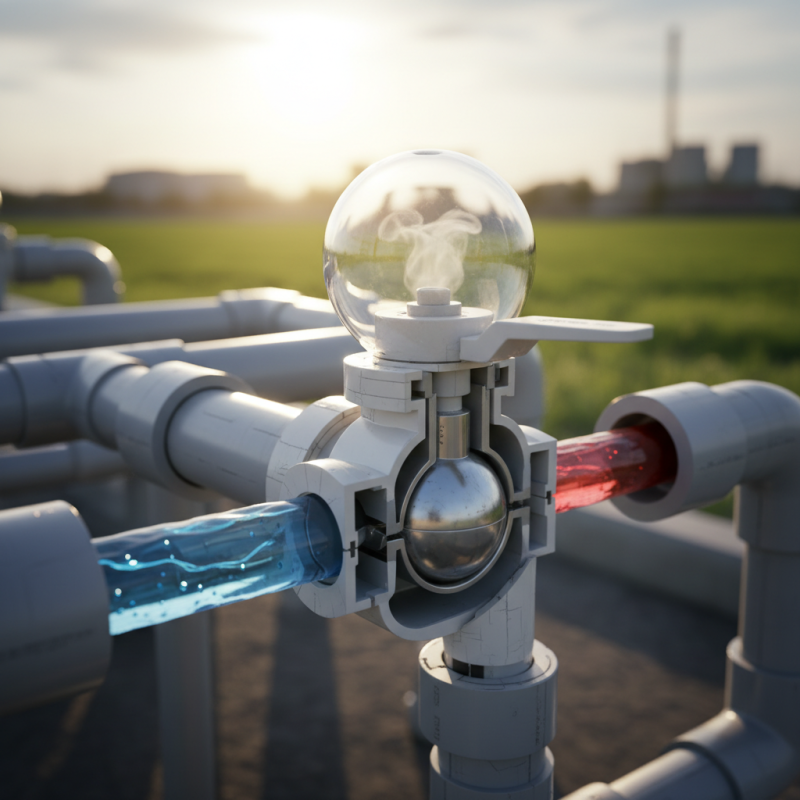
PVC valves are essential components in various applications. They are made from polyvinyl chloride, a durable plastic. This material is lightweight yet strong, making it suitable for handling different liquids and gases. When installed correctly, PVC valves regulate flow effectively. However, improper installation can lead to leaks or failures.

The basic components of PVC valves include the body, the handle, and the seat. The body holds everything together and provides structural integrity. The handle allows easy operation. It can be a simple lever or a more complex mechanism. The seat is the part that creates a seal when the valve is closed. If worn, it may cause drip issues.

These valves find use in irrigation systems, chemical processing, and plumbing. Their resistance to corrosion is a significant advantage. They are often lightweight and uncomplicated to transport. However, one must consider temperature limits. PVC can become brittle in extremely cold environments, affecting its performance. Regular maintenance is necessary to ensure longevity and efficiency.

What is PVC Valves and How Do They Work in Various Applications? - What Are PVC Valves and Their Basic Components?

Dimension Description Application Area Basic Component
Diameter Typically ranges from ½ inch to 12 inches. Water treatment, drainage systems. Body, seat, and disc.
Pressure Rating Commonly rated at 150 psi or higher. Agricultural irrigation, fluid control. Valve bonnet, stem, and handle.
Operating Temperature Usually up to 140°F (60°C). Chemical processing, refrigeration. Seals, packing, and actuator.
Type Includes ball, gate, and check valves. Wastewater management, plumbing. Lever, grip, and socket.
Material Made from durable PVC resin. Municipal water supply, industrial applications. PVC alloy, EPDM O-rings.

The Functionality of PVC Valves in Fluid Control Systems

What is PVC Valves and How Do They Work in Various Applications?

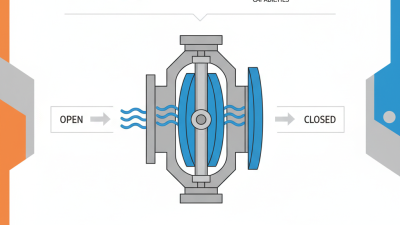
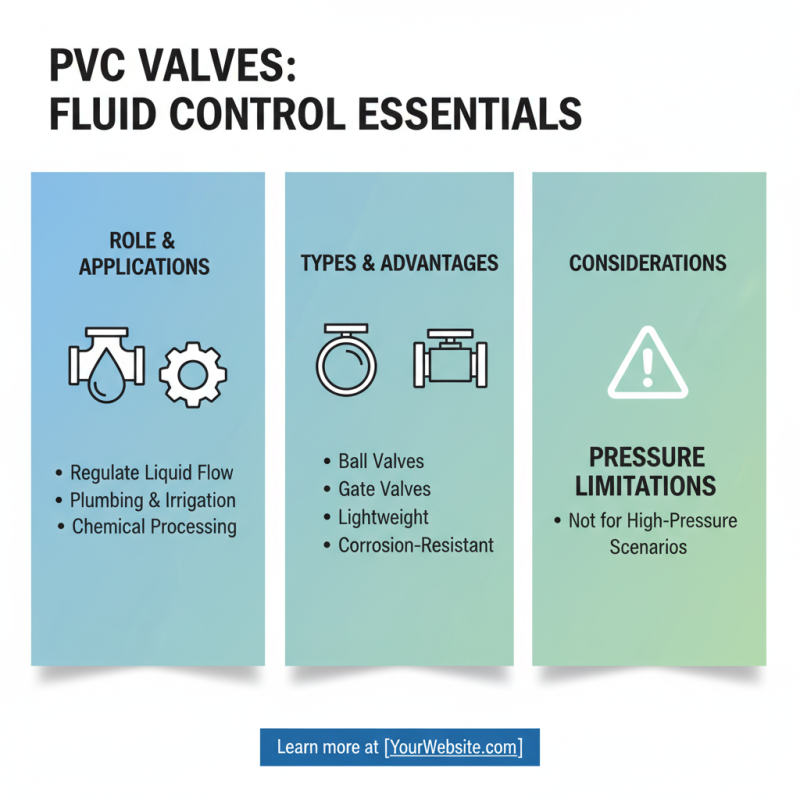
PVC valves play a crucial role in fluid control systems across various industries. These valves help regulate the flow of liquids in applications like plumbing, irrigation, and chemical processing. They come in different types, including ball valves and gate valves, each serving specific needs. PVC valves are lightweight and resistant to corrosion. However, understanding their limitations is essential. In high-pressure scenarios, some PVC valves may not hold up as expected.

The functionality of PVC valves lies in their simple design, which makes them easy to operate. Many people find them user-friendly, making installation and maintenance straightforward. A well-placed valve can prevent leakage and ensure efficient fluid management. Yet, improper installation often leads to issues, causing delays and extra costs. Some users struggle with identifying the right type for their needs, leading to a mismatch with the system requirements.

Despite their advantages, PVC valves can sometimes underperform in extreme temperatures. Users must consider the specific environment when choosing a valve. Ignoring this can lead to failures. Regular inspection is also necessary to ensure optimal function, as wear and tear can impact performance. Being aware of these factors helps in making informed decisions in fluid control applications.

Common Types of PVC Valves Used in Various Industries

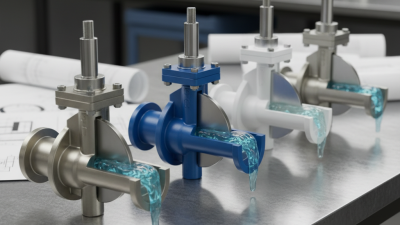
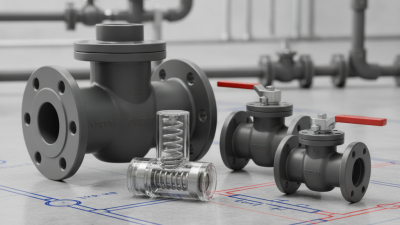
PVC valves are essential components in various industries, known for their durability and versatility. Common types include ball valves, gate valves, and check valves. Each serves a unique purpose in fluid control systems. Ball valves are popular due to their ease of use and quick shutoff capabilities. In fact, reports indicate that ball valves hold around 30% of the global valve market share.

Gathering data, the use of PVC gate valves is notable in irrigation and wastewater management. These valves help control the flow of water efficiently. They are lightweight and resistant to corrosion, making them preferred choices where chemical exposure occurs. According to industry analysts, the demand for PVC valves in agriculture has grown by approximately 5% over the last five years.

Check valves, another critical type, help prevent backflow in systems. They are commonly used in plumbing and chemical industries. The importance of these valves cannot be understated, as improper installation can lead to significant issues. Many contractors report challenges with the alignment and sealing of check valves. This highlights the need for training and awareness in valve installation processes. The growing complexity of industrial systems also demands constant innovation in valve technology.

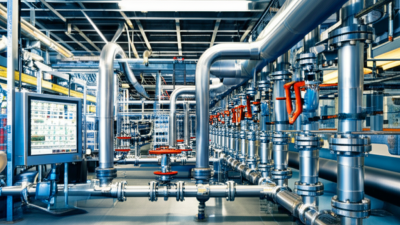
PVC Valves Usage in Various Industries

Applications of PVC Valves in Water Management and Irrigation

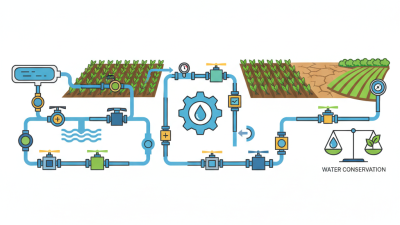
PVC valves play a vital role in water management and irrigation. They are lightweight, durable, and resistant to corrosion. These characteristics make them ideal for various applications. In agricultural settings, PVC valves help control water flow. They ensure crops receive adequate hydration without wastage. The precision in flow regulation is essential for effective irrigation.

In municipal water systems, PVC valves assist in managing water delivery. They help maintain pressure and prevent leaks. However, improper installation can lead to issues. Misalignment might cause water loss and increased costs. Regular inspection of these valves can prevent major problems.

Tips: Always check for signs of wear. This can help avoid unexpected failures. When installing, use proper fittings. This ensures a secure connection and optimizes performance. Regular maintenance is crucial for longevity. Identify any strange noises or vibrations early.

Benefits and Limitations of Using PVC Valves in Systems

What is PVC Valves and How Do They Work in Various Applications?

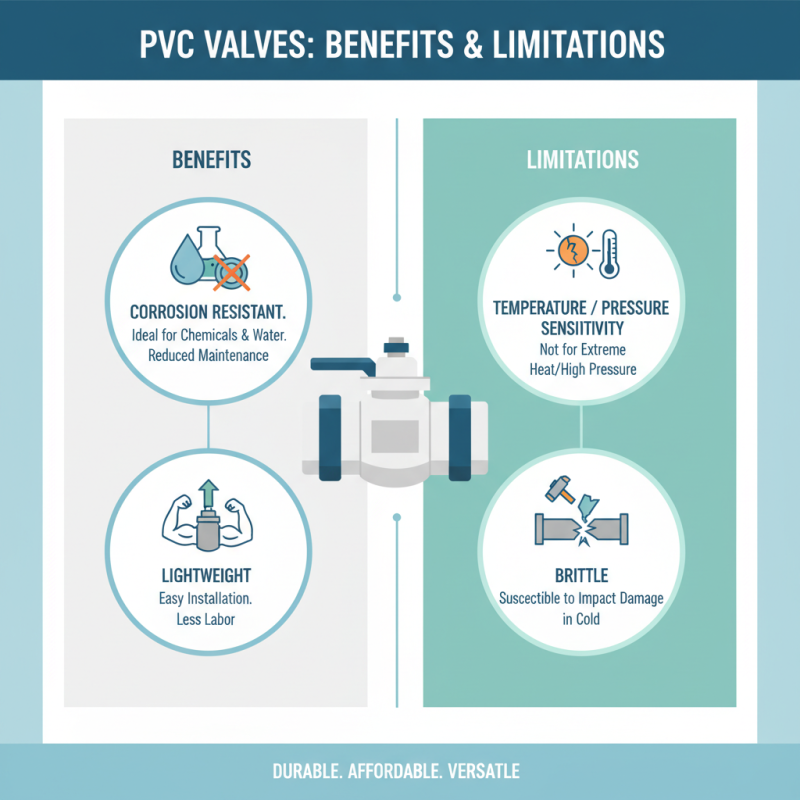
PVC valves are commonly used in various applications due to their distinct benefits and limitations. One significant benefit is their resistance to corrosion. PVC valves do not rust or corrode, making them ideal for transporting chemicals and water. This can lead to reduced maintenance costs over time. They are lightweight, which makes installation easier and less labor-intensive.

However, there are limitations to consider. PVC valves can only handle certain temperatures, typically below 140°F. Exceeding this temperature can cause the material to warp and fail. In high-pressure systems, PVC may not perform as well as metals. This can lead to concerns in critical applications. Users must evaluate the specific needs of their system before choosing PVC.

Another factor to reflect on is the environmental impact. While PVC can last for years, it is not biodegradable. This raises questions about sustainability. Proper disposal methods are essential to minimize harm. Balancing performance and environmental responsibility is crucial when utilizing PVC valves in any project.

Copyright 2025 Fluidra S.A. | Created by BCM Marketing Agencia Privacy Policy Legal note | Cookie policy |

Technical cookies are strictly necessary for our website to work and you can navigate through it. These types of cookies are those that, for example, allow us to identify you, give you access to certain restricted parts of the page if necessary, or remember different options or services already selected by you, such as your privacy preferences. Therefore, they are activated by default, your authorization not being necessary in this regard. Through the configuration of your browser, you can block or alert the presence of this type of cookies, although such blocking will affect the proper functioning of the different functionalities of our website.


The analysis cookies allow us to study the navigation of the users of our website in general (for example, which sections of the page are the most visited, which services are used most and if they work correctly, etc.). From the statistical information on navigation on our website, we can improve both the operation of the page itself and the different services it offers. Therefore, these cookies do not have an advertising purpose, but only serve to make our website work better, adapting to our users in general. By activating them you will contribute to this continuous improvement. You can enable or disable these cookies by checking the corresponding box, being disabled by default.


Functionality cookies allow us to remember your preferences, to personalize certain characteristics and general options of our website, every time you access it (for example, the language in which the information is presented to you, the sections marked as favorites, your browser type, etc.) Therefore, this type of cookies does not have an advertising purpose, but by activating them you will improve the functionality of the website (for example, adapting to your type of browser) and the customization of it based on your preferences (for example, by presenting the information in the language that you have chosen in previous occasions), which will contribute to the ease, usability and comfort of our page during your navigation. You can enable or disable these cookies by checking the corresponding box, being disabled by default.


Advertising cookies allow us to manage the advertising spaces included in our website based on criteria such as the content shown or the frequency in which the ads are displayed. For example, if you have been shown the same ad several times on our website, and you have not shown a personal interest by clicking on it, it will not appear again. In summary, by activating this type of cookies, the advertising shown on our website will be more useful and diverse, and less repetitive. You can enable or disable these cookies by checking the corresponding box, being disabled by default.


Behavioral advertising cookies allow us to obtain information based on the observation of your browsing habits and behaviors on the web, in order to show you advertising content that best suits your personal tastes and interests. To understand it in a very simple way, we will give you a fictitious example: if your last searches on the web were related to suspense literature, we would show you advertising about suspense books. Therefore, activating this type of cookies, the advertising that we show you on our website will not be generic, but will be oriented to your searches, tastes and interests, therefore adjusting exclusively to you. You can enable or disable these cookies by checking the corresponding box, being disabled by default.
To understand it in a very simple way, we will give you a fictitious example: if your last searches on the web were related to suspense literature, we would show you advertising about suspense books. Therefore, activating this type of cookies, the advertising that we show you on our website will not be generic, but will be oriented to your searches, tastes and interests, therefore adjusting exclusively to you. You can enable or disable these cookies by checking the corresponding box, being disabled by default.

SAVE

We use our own and third-party cookies to ensure the proper functioning of the website and to analyse our services, improve your experience on our website and show you advertisements related to your interests according to profiling based on your browsing habits (e.g. websites visited). You can accept all cookies by clicking "ACCEPT" or set or reject them by clicking here. If you would like to know more about the use of cookies, please see our COOKIE POLICY.


ACCEPT ALL
Reject no essentials