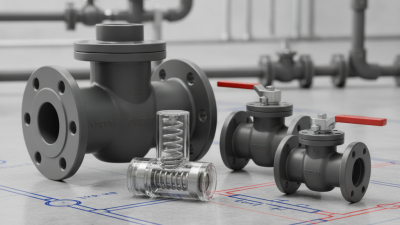
PVC check valves are essential components in various industrial applications. These valves prevent backflow and allow fluids to flow in one direction. According to a recent industry report, the global demand for PVC check valves has surged by 8% in the last year alone. This growth highlights their importance in sectors like water treatment, oil and gas, and chemical processing.
Manufacturers have recognized the advantages of PVC check valves. They are lightweight, corrosion-resistant, and cost-effective. However, the reliance on this material raises concerns over durability under extreme conditions. In some installations, users have reported cracking after prolonged exposure to high temperatures. This indicates a need for careful application and selection.
Valves serve a critical role in maintaining fluid integrity. Neglecting the quality of PVC check valves can lead to system failures and costly repairs. In fact, studies show that improper valve selection can increase operational costs by up to 15%. Understanding how PVC check valves operate is key to optimizing system performance. It’s imperative to weigh the benefits against potential risks to ensure reliable operation in any application.
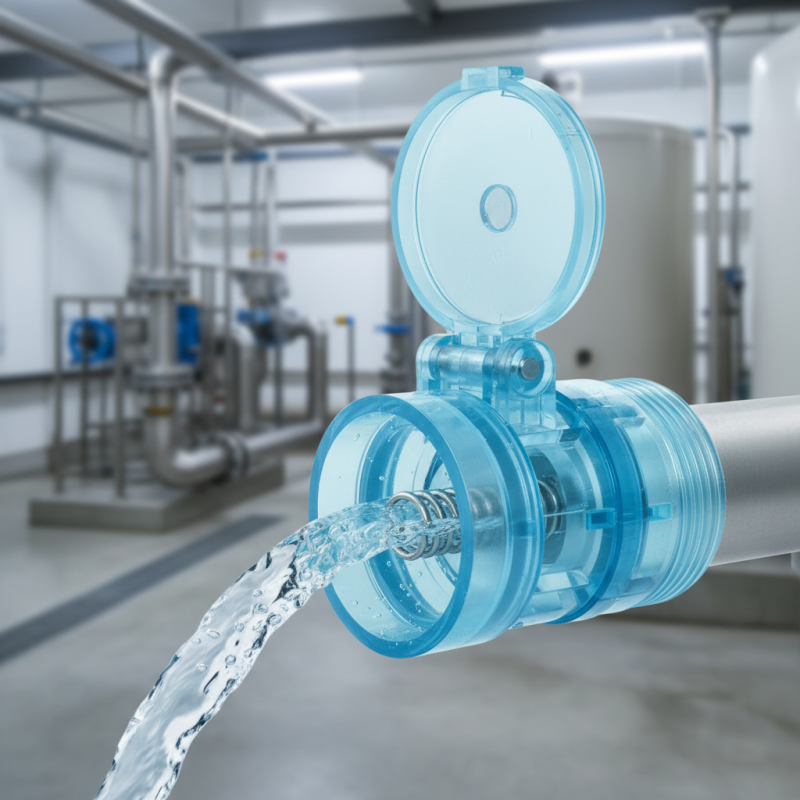
A PVC check valve is a critical component in plumbing and fluid systems. It allows fluid to flow in one direction while preventing backflow. This prevents damage and ensures systems operate efficiently. You often find these valves in pipelines, pump systems, and irrigation setups.
When installed correctly, a PVC check valve can save time and money. They are lightweight, easy to handle, and resistant to corrosion. However, improper installation can lead to leaks or failures. Always ensure they are oriented the right way, matching the flow direction marked on the valve.
Tips: Check the valve regularly for any signs of wear. Replacing a faulty valve quickly can prevent larger issues down the road. Remember to consider the pressure rating of the system when choosing your check valve. A mismatch can compromise the entire setup. Pay attention to your specific needs and avoid unnecessary complexities when selecting components.
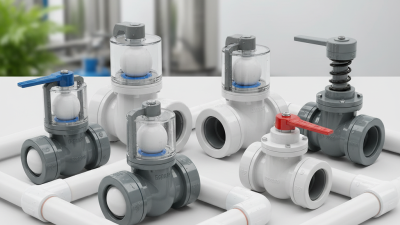
This chart illustrates the performance of a PVC check valve based on three important parameters: flow rate, pressure drop, and temperature. Understanding these metrics is crucial for ensuring effective valve operation in various applications.
PVC check valves are essential in many fluid systems. They allow flow in one direction while preventing backflow. Understanding their basic components can help in selecting the right valve for specific applications.
The main components of a PVC check valve include the body, disc, and seat. The body is typically made from durable PVC that resists corrosion. According to industry reports, PVC is favored in many applications due to its lightweight property and high chemical resistance. The disc, usually a rubber or plastic part, opens with forward flow and closes when flow reverses. This design ensures minimal energy loss and efficient operation.
The seat is where the disc rests when closed, playing a critical role in preventing leaks. Interestingly, a small amount of wear may occur over time. Regular inspections are advised, as worn components can lead to system inefficiencies. A report by the American Society of Civil Engineers highlights that improper maintenance can result in up to a 20% decrease in performance. These insights emphasize the importance of understanding each component's function to maintain optimal fluid flow.
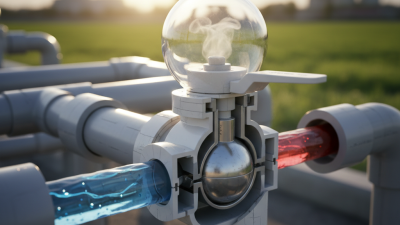
A PVC check valve is a simple yet effective device used in piping systems. Its primary function is to allow flow in one direction while preventing backflow. This mechanism is critical in maintaining the integrity of various systems, from drainage to water supply. The valve operates with a flapper or disc that moves up and down based on the flow of fluid. When fluid flows in the desired direction, the valve opens. If there is any attempt for reverse flow, the disc closes and seals off the pipe, stopping backflow.
When a PVC check valve is properly installed, it can significantly enhance system efficiency. However, improper installation can lead to issues. If the valve is not positioned correctly, it might not open fully. This could restrict flow and cause pressure buildup. Regular maintenance checks are essential to ensure that no debris obstructs the disc. Another common problem arises if the valve is exposed to extreme conditions, resulting in wear and tear.
Understanding how a PVC check valve functions can help users identify potential challenges. Awareness of its limitations fosters better installation and maintenance practices. A well-functioning valve is crucial for operational success. Yet, users must stay vigilant and proactive in monitoring its performance. Ignoring these aspects could lead to larger, more costly issues down the line.
| Feature | Description | Advantages | Applications |
|---|---|---|---|
| Material | PVC (Polyvinyl Chloride) | Corrosion resistant, lightweight | Water treatment, drainage systems |
| Function | Prevents backflow in piping systems | Maintains flow direction, reduces flooding | Sewage systems, irrigation |
| Pressure Rating | Up to 150 psi | Reliable in various pressure conditions | Residential plumbing, industrial applications |
| Size Range | From 1/2 inch to 12 inches | Versatile for different system needs | Construction, agricultural systems |
| Installation | Easy to install with solvent cement | Cost-effective and time-saving installation | Home improvement, public works |
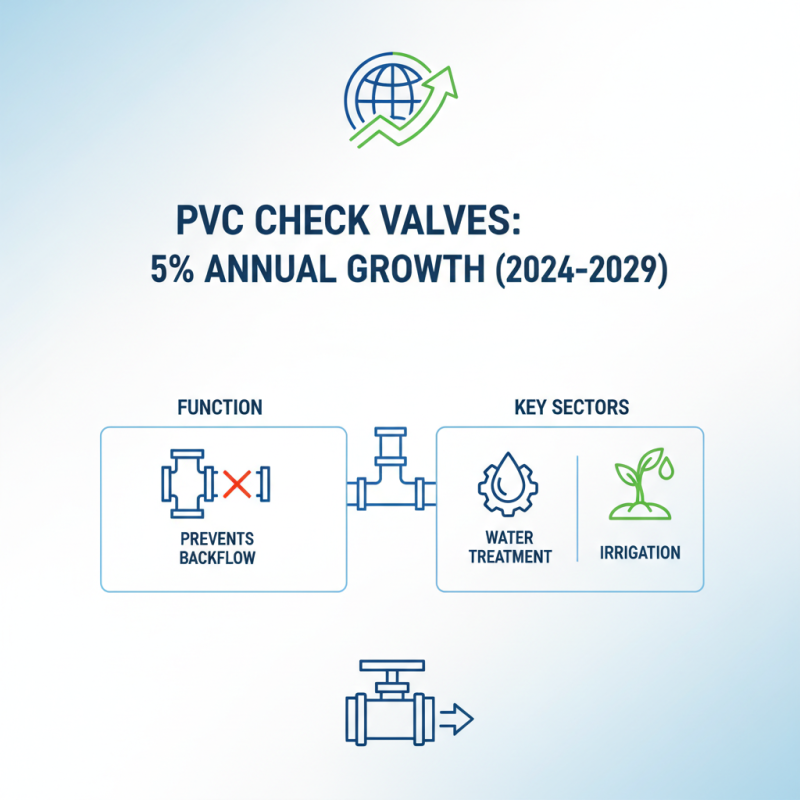
PVC check valves are gaining popularity in various sectors due to their efficient performance and cost-effectiveness. These valves prevent backflow in pipes, ensuring that fluids flow in one direction. According to industry reports, the global demand for PVC check valves is expected to grow by 5% annually over the next five years. This increase is largely driven by sectors like water treatment and irrigation.
In water treatment facilities, PVC check valves help maintain system integrity. They are resistant to corrosion and can withstand diverse chemical environments. Irrigation systems also benefit from these valves. They prevent siphoning, optimizing water usage in agriculture. The need for efficient water management in arid regions is pushing the adoption of these valves.
However, not all applications are perfect fits. Some users report minor leakage issues under high pressure. This can undermine system efficiency. Regular maintenance is essential to address such challenges. Operators should remain vigilant and monitor their systems closely. Improper installation can lead to significant setbacks. Understanding the specific requirements of each application is critical for success.
PVC check valves offer several advantages in plumbing systems. First, they prevent backflow, ensuring water flows in one direction. This is crucial in preventing contamination of clean water supplies. When the water pressure drops, the valve closes automatically, which helps maintain system integrity.
Additionally, PVC check valves are lightweight and easy to install. They resist corrosion and chemicals, making them suitable for various environments. Their durability means fewer maintenance issues over time. However, it's important to consider the specific system requirements. Not all systems may suit PVC, as temperature and pressure limits can vary.
Some users report issues with installation angles. If installed incorrectly, these valves can fail to function properly. Regular inspection of these components can mitigate potential problems. Even with their clear benefits, careful planning is essential for optimal performance.

Cepex is the brand for the fluid handling market belonging to the Fluidra group. One of the leading european manufacturer of valves and fittings in thermoplastic materials.
Dedicated to the swimming pool, irrigation and industrial markets, we distribute our products worldwide with the Fluidra commercial network and presence in 46 countries with 136 sales branches.