What is the Purpose of Irrigation Valves in Water Management Systems
FLUID HANDLING EXPERTS

Blog, all our news

What is the Purpose of Irrigation Valves in Water Management Systems

In the realm of water management systems, the role of irrigation valves cannot be overstated. These critical components serve not only to control the flow and distribution of water but also to enhance the efficiency of irrigation practices. According to Dr. John Smith, a leading expert in agricultural engineering, "Irrigation valves are the unsung heroes of modern irrigation systems; they enable precision in water use, which is essential for sustainable farming." His insight highlights the significance of these valves in optimizing water resources, especially in an age where water scarcity is a pressing concern.

Irrigation valves come in various forms, each designed to meet specific needs within a water management system. They help regulate water pressure, prevent backflow, and ensure that every part of a field receives an adequate amount of water. The ability to precisely control water delivery means that farmers can improve crop yields while conserving this precious resource. As we delve deeper into the purpose of irrigation valves, it is essential to understand how they contribute to efficient water management, the challenges they address in agricultural settings, and their impact on overall ecosystem health. When utilized effectively, irrigation valves represent a vital link in the chain of sustainable agriculture and responsible water use.
What is the Purpose of Irrigation Valves in Water Management Systems

Purpose and Functionality of Irrigation Valves in Water Management

What is the Purpose of Irrigation Valves in Water Management Systems

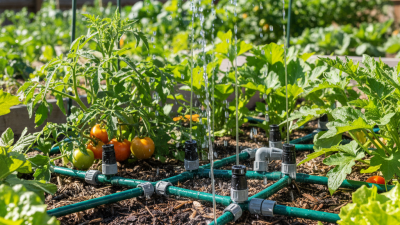
Irrigation valves play a critical role in efficient water management systems, specifically designed to regulate the flow of water in agricultural and landscaping applications. Their primary function is to control the distribution of water to different areas, ensuring that crops receive the precise amount of irrigation they need for optimal growth. By utilizing various types of valves, such as pressure-reducing valves, flow control valves, and automatic shut-off valves, water managers can achieve greater precision in their irrigation practices, optimizing both water usage and crop yield.

In addition to regulating flow, irrigation valves provide flexibility and response to changing environmental conditions. For instance, automated irrigation systems equipped with sensors can adjust valve operations based on soil moisture levels, rainfall, or weather forecasts. This adaptability is crucial for sustainable water management, as it helps minimize waste and conserve valuable resources. Furthermore, valves also serve to prevent backflow, protecting water supplies from contamination, thereby maintaining the integrity of the entire water management system. Overall, the functionality of irrigation valves is vital not only for enhancing agricultural efficiency but also for promoting responsible water use in various landscapes.


Types of Irrigation Valves and Their Specific Uses

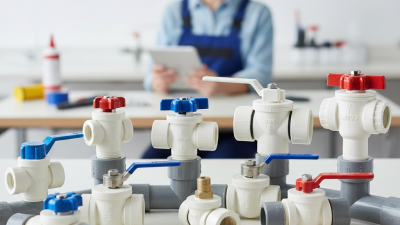
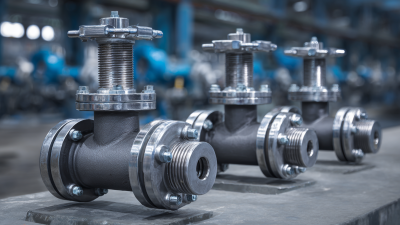
Irrigation valves play a crucial role in the effective management of water resources in agricultural and landscape irrigation systems. Various types of irrigation valves serve specific functions tailored to the needs of different irrigation setups. The most common type is the gate valve, which is used for controlling the flow of water in large pipelines. Gate valves are ideal for systems that require a complete shut-off, as they provide minimal resistance to flow when fully opened.

Another important category of irrigation valves is the globe valve, which is designed for regulating flow rates. Unlike gate valves, globe valves offer better throttling capabilities, making them suitable for applications where precise control over water distribution is necessary. Additionally, solenoid valves, often used in automated irrigation systems, allow for remote control and timed watering schedules. These valves enable efficient operation, reducing water wastage by ensuring that irrigation only occurs at predetermined intervals. Each type of valve, whether manual or automatic, plays a pivotal role in optimizing water management, ensuring that crops receive the appropriate amount of water for healthy growth.

Purpose of Irrigation Valves in Water Management Systems

Impact of Irrigation Valves on Water Efficiency and Conservation

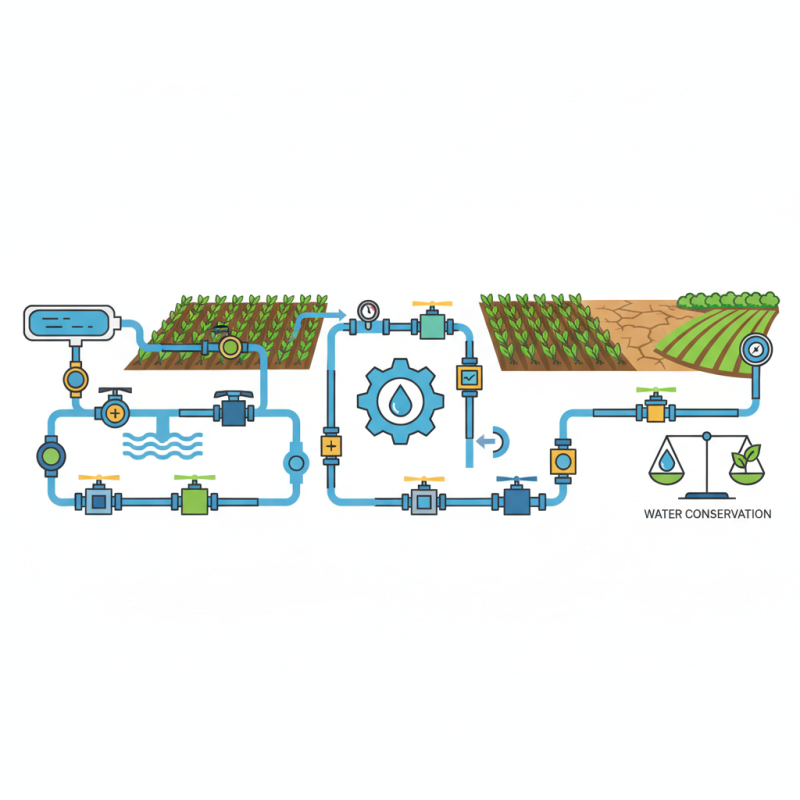
Irrigation valves play a crucial role in enhancing water efficiency and conservation within agricultural and landscape water management systems. These components regulate the flow and distribution of water, ensuring that resources are used effectively and minimizing waste. According to the USDA, effective irrigation management can improve water use efficiency by up to 30%, which is essential in areas facing water scarcity. By employing various types of valves, such as pressure relief and automatic control valves, farmers and irrigation managers can tailor their water delivery systems to the specific needs of their crops, thus reducing over-irrigation and runoff.

The impact of irrigation valves on water efficiency is particularly noticeable in their ability to adjust flow rates automatically based on environmental conditions and crop requirements. A study published by the International Journal of Water Resources Development indicates that systems equipped with automated valves can achieve water savings of up to 50% compared to traditional methods. This contributes significantly not only to conserving this precious resource but also to reducing energy consumption associated with water pumping and distribution. As water scarcity continues to challenge global agriculture, the integration of advanced irrigation valve technologies emerges as a vital strategy for promoting sustainable water practices.

Maintenance Practices for Optimal Performance of Irrigation Valves

Irrigation valves play a crucial role in water management systems, ensuring efficient distribution and control of water flow to agricultural fields and landscapes. To maintain optimal performance of these valves, regular maintenance practices are essential. Periodic inspections should be conducted to identify any signs of wear, corrosion, or blockages that could impede functionality. Cleaning the valves and removing debris will help prevent malfunctions, especially during peak irrigation seasons.

Additionally, lubricating the moving parts of the valves is vital to ensure smooth operation. This practice reduces friction and wear, prolonging the lifespan of the valves. It is also important to check for leaks and to ensure that all components are tightly secured. Scheduling routine maintenance, preferably before the irrigation season begins, will help address any potential issues and ensure that the irrigation system operates efficiently throughout its intended use. Proper maintenance not only enhances the performance of irrigation valves but also contributes to the overall efficacy of the water management system.

Future Innovations in Irrigation Valves and Water Management Systems

The future of irrigation valves and water management systems is poised for significant innovation as the agricultural industry increasingly adopts smarter technologies. Advances in automation, such as the integration of IoT (Internet of Things) capabilities, enable real-time data collection and remote monitoring, allowing farmers to optimize water usage effectively. According to a report from the International Irrigation Management Institute, modern irrigation techniques can lead to water savings of 20% to 50%, greatly enhancing sustainability in water management.

Moreover, the development of smart valves equipped with sensors for soil moisture, flow rate, and pressure can provide precise control over irrigation systems. This precise control not only ensures that crops receive the right amount of water but also minimizes waste. As technology progresses, the cost of these innovations is expected to decrease, making them accessible to a broader range of agricultural producers.

Tips: When selecting irrigation valves, consider those that offer compatibility with existing systems and provide adaptability for future technological upgrades. Moreover, regular maintenance of these valves will ensure optimal performance and longevity. Utilizing automation and data analytics can lead to informed decision-making, ultimately enhancing productivity and promoting sustainable water management practices.

What is the Purpose of Irrigation Valves in Water Management Systems - Future Innovations in Irrigation Valves and Water Management Systems

Feature Description Importance Future Innovations
Flow Control Regulates the amount of water that flows through the irrigation system. Ensures efficient water usage and prevents waste. Smart valves that can adjust flow automatically based on weather data.
Pressure Regulation Maintains optimal pressure within the irrigation system. Protects system components from damage due to excess pressure. Pressure sensors integrated with IoT technology for real-time monitoring.
Durability Constructed to withstand harsh environmental conditions. Reduces the frequency of replacements and maintenance costs. Innovative materials that are both lightweight and highly resistant to corrosion.
Automation Allows for automatic opening and closing based on scheduling or sensor input. Enhances convenience and allows for precise irrigation timing. Integration with AI algorithms for optimized water distribution based on plant needs.
Remote Monitoring Enables users to monitor system performance remotely. Facilitates quick response to issues such as leaks or clogs. Development of mobile applications for real-time updates and control.
Copyright 2025 Fluidra S.A. | Created by BCM Marketing Agencia Privacy Policy Legal note | Cookie policy |

Technical cookies are strictly necessary for our website to work and you can navigate through it. These types of cookies are those that, for example, allow us to identify you, give you access to certain restricted parts of the page if necessary, or remember different options or services already selected by you, such as your privacy preferences. Therefore, they are activated by default, your authorization not being necessary in this regard. Through the configuration of your browser, you can block or alert the presence of this type of cookies, although such blocking will affect the proper functioning of the different functionalities of our website.


The analysis cookies allow us to study the navigation of the users of our website in general (for example, which sections of the page are the most visited, which services are used most and if they work correctly, etc.). From the statistical information on navigation on our website, we can improve both the operation of the page itself and the different services it offers. Therefore, these cookies do not have an advertising purpose, but only serve to make our website work better, adapting to our users in general. By activating them you will contribute to this continuous improvement. You can enable or disable these cookies by checking the corresponding box, being disabled by default.


Functionality cookies allow us to remember your preferences, to personalize certain characteristics and general options of our website, every time you access it (for example, the language in which the information is presented to you, the sections marked as favorites, your browser type, etc.) Therefore, this type of cookies does not have an advertising purpose, but by activating them you will improve the functionality of the website (for example, adapting to your type of browser) and the customization of it based on your preferences (for example, by presenting the information in the language that you have chosen in previous occasions), which will contribute to the ease, usability and comfort of our page during your navigation. You can enable or disable these cookies by checking the corresponding box, being disabled by default.


Advertising cookies allow us to manage the advertising spaces included in our website based on criteria such as the content shown or the frequency in which the ads are displayed. For example, if you have been shown the same ad several times on our website, and you have not shown a personal interest by clicking on it, it will not appear again. In summary, by activating this type of cookies, the advertising shown on our website will be more useful and diverse, and less repetitive. You can enable or disable these cookies by checking the corresponding box, being disabled by default.


Behavioral advertising cookies allow us to obtain information based on the observation of your browsing habits and behaviors on the web, in order to show you advertising content that best suits your personal tastes and interests. To understand it in a very simple way, we will give you a fictitious example: if your last searches on the web were related to suspense literature, we would show you advertising about suspense books. Therefore, activating this type of cookies, the advertising that we show you on our website will not be generic, but will be oriented to your searches, tastes and interests, therefore adjusting exclusively to you. You can enable or disable these cookies by checking the corresponding box, being disabled by default.
To understand it in a very simple way, we will give you a fictitious example: if your last searches on the web were related to suspense literature, we would show you advertising about suspense books. Therefore, activating this type of cookies, the advertising that we show you on our website will not be generic, but will be oriented to your searches, tastes and interests, therefore adjusting exclusively to you. You can enable or disable these cookies by checking the corresponding box, being disabled by default.

SAVE

We use our own and third-party cookies to ensure the proper functioning of the website and to analyse our services, improve your experience on our website and show you advertisements related to your interests according to profiling based on your browsing habits (e.g. websites visited). You can accept all cookies by clicking "ACCEPT" or set or reject them by clicking here. If you would like to know more about the use of cookies, please see our COOKIE POLICY.


ACCEPT ALL
Reject no essentials