
Why Choose a Pneumatic Winch for Your Heavy Lifting Needs?
FLUID HANDLING EXPERTS

Blog, all our news

Why Choose a Pneumatic Winch for Your Heavy Lifting Needs?

In industries where heavy lifting is a daily necessity, choosing the right equipment is crucial. A Pneumatic Winch stands out as a reliable option. Reports indicate that pneumatic systems can lift more than 50% faster than electric winches, significantly improving operational efficiency. Moreover, pneumatic winches often operate in extreme environments, where electric winches might fail.

Durability is another reason to consider a Pneumatic Winch. According to industry studies, these winches can withstand higher temperatures and harsher conditions without compromising performance. They are less likely to overheat, which reduces downtime. Many companies report lower maintenance costs over time.

Despite these advantages, it's essential to assess the specific lifting needs of your operation. Not every task requires a pneumatic system. Understanding the unique demands of your work environment is key to making an informed decision. Balancing efficiency, cost, and reliability should guide your choice of equipment.
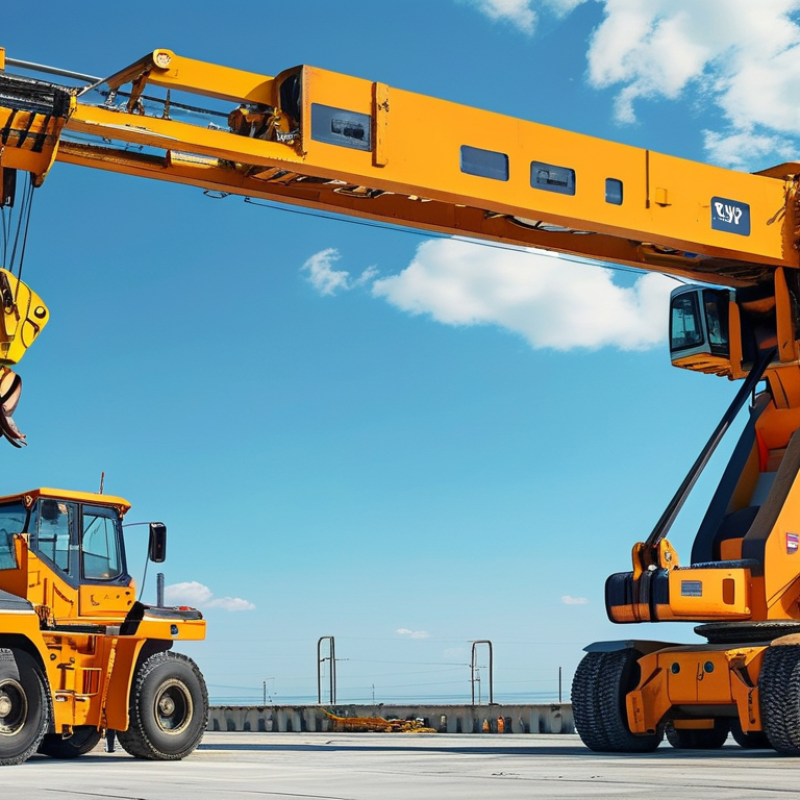
Why Choose a Pneumatic Winch for Your Heavy Lifting Needs?

Understanding Pneumatic Winches and Their Mechanism

Pneumatic winches offer a powerful solution for heavy lifting tasks. Understanding their mechanism is essential. These winches use compressed air to operate, allowing for high torque without electrical components. This design minimizes the risk of overloads that can damage equipment. According to industry data, pneumatic winches can handle loads ranging from 1,500 to over 10,000 pounds, depending on size and configuration.

When considering a pneumatic winch, remember to check the air pressure requirements. Most models operate efficiently at a range of 90 to 100 psi. Ensure your air supply meets these specifications to maximize performance. A pneumatic winch can also provide better safety in wet or explosive environments where electric equipment may pose risks.

One thing to reflect on is the maintenance of these devices. Regular checks can prevent issues and prolong the winch's lifespan. Proactive measures, like examining hoses and seals, can help avoid unexpected downtime. Investing time in these tasks allows for smoother operations in critical lifting scenarios.

Advantages of Using Pneumatic Winches for Heavy Lifting

Pneumatic winches are becoming a popular choice for heavy lifting tasks across various industries. These tools rely on compressed air to create powerful lifting capabilities, an advantage for many applications. Unlike electric winches, pneumatic versions are often lighter and easier to maneuver. This weight reduction allows for greater flexibility on worksites.

Operating in environments that are wet or hazardous also makes pneumatic winches advantageous. Their design minimizes the risk of electrical hazards. This is crucial when working in tough conditions. Additionally, they tend to provide a smoother operation compared to traditional electric winches. Their ability to adjust lifting speeds adds to their reliability.

However, not every project suits pneumatic winches. In some instances, the need for a steady air supply may complicate operations. It's vital to assess your lifting needs and assess your environment. This reflection can lead to a better decision when choosing a winch for heavy lifting tasks.

Applications and Industries Benefiting from Pneumatic Winches

Pneumatic winches are versatile tools widely used across various industries. They excel in environments where electricity is not an option. In construction sites, pneumatic winches lift heavy materials effortlessly. Their ability to operate in wet or harsh conditions makes them indispensable. Workers can trust these tools to perform under pressure.

In marine operations, these winches are crucial for maneuvering boats and other vessels. They offer reliable lifting power without the risk of electrical hazards. Furthermore, in manufacturing, they streamline assembly processes. Loading and unloading heavy components becomes safer and faster.

Though pneumatic winches are effective, they require regular maintenance. Users must inspect air hoses and valves often. Neglect can lead to reduced performance or safety issues. Understanding the limitations is vital. Implementing routine checks ensures better operation and longer lifespan.

Applications of Pneumatic Winches Across Various Industries

Comparing Pneumatic Winches with Other Winch Types

Pneumatic winches are becoming increasingly popular in heavy lifting applications. Compared to electric and Hydraulic Winches, pneumatic winches operate using air pressure, providing unique advantages. According to a report by the Industrial Lifting Solutions Institute, pneumatic systems are often lighter and offer higher lifting speeds. For environments where dust or flammable materials are present, pneumatic winches demonstrate superior safety profiles.

One major factor is their efficiency. Pneumatic winches can work continuously without overheating, unlike electric models. This efficiency can lead to lower operational costs over time. Operators often report that these winches require less maintenance due to fewer electrical components. However, they might struggle in high humidity environments. Understanding the specific use case is crucial.

Tips: Always assess the working environment before choosing a winch. Consider the availability of compressed air lines. Also, evaluate the required lifting capacity carefully. This can prevent unexpected malfunctions and ensure safe operations. Making the right choice in the pneumatic versus hydraulic debate could significantly impact your workflow and safety protocols.

Safety Considerations When Using Pneumatic Winches

When using pneumatic winches, safety must be a top priority. These devices are powerful tools that manage heavy loads, but they can also pose risks. Operators should always wear appropriate personal protective equipment (PPE) like gloves and helmets. This minimizes injury during any unexpected incidents, such as load drops or equipment failures.


It’s important to check the winch and accessories regularly. Inspect for wear and tear, ensuring all parts are functioning properly. Tires, cables, and hoses can degrade over time. Ignoring these checks could lead to severe accidents. Always ensure you are aware of the winch's load capacity. Overloading can cause mechanical failures, endangering everyone nearby.


Tips: Always position the winch on stable ground. This prevents shifting or tipping during operation. Communicate effectively with your team to coordinate actions. Establish clear signals to manage lifting sequences. Regular training sessions can enhance understanding of safety protocols. Familiarize yourself with emergency procedures to react swiftly in case of an incident.

Copyright 2025 Fluidra S.A. | Created by BCM Marketing Agencia Privacy Policy Legal note | Cookie policy |

Technical cookies are strictly necessary for our website to work and you can navigate through it. These types of cookies are those that, for example, allow us to identify you, give you access to certain restricted parts of the page if necessary, or remember different options or services already selected by you, such as your privacy preferences. Therefore, they are activated by default, your authorization not being necessary in this regard. Through the configuration of your browser, you can block or alert the presence of this type of cookies, although such blocking will affect the proper functioning of the different functionalities of our website.


The analysis cookies allow us to study the navigation of the users of our website in general (for example, which sections of the page are the most visited, which services are used most and if they work correctly, etc.). From the statistical information on navigation on our website, we can improve both the operation of the page itself and the different services it offers. Therefore, these cookies do not have an advertising purpose, but only serve to make our website work better, adapting to our users in general. By activating them you will contribute to this continuous improvement. You can enable or disable these cookies by checking the corresponding box, being disabled by default.


Functionality cookies allow us to remember your preferences, to personalize certain characteristics and general options of our website, every time you access it (for example, the language in which the information is presented to you, the sections marked as favorites, your browser type, etc.) Therefore, this type of cookies does not have an advertising purpose, but by activating them you will improve the functionality of the website (for example, adapting to your type of browser) and the customization of it based on your preferences (for example, by presenting the information in the language that you have chosen in previous occasions), which will contribute to the ease, usability and comfort of our page during your navigation. You can enable or disable these cookies by checking the corresponding box, being disabled by default.


Advertising cookies allow us to manage the advertising spaces included in our website based on criteria such as the content shown or the frequency in which the ads are displayed. For example, if you have been shown the same ad several times on our website, and you have not shown a personal interest by clicking on it, it will not appear again. In summary, by activating this type of cookies, the advertising shown on our website will be more useful and diverse, and less repetitive. You can enable or disable these cookies by checking the corresponding box, being disabled by default.


Behavioral advertising cookies allow us to obtain information based on the observation of your browsing habits and behaviors on the web, in order to show you advertising content that best suits your personal tastes and interests. To understand it in a very simple way, we will give you a fictitious example: if your last searches on the web were related to suspense literature, we would show you advertising about suspense books. Therefore, activating this type of cookies, the advertising that we show you on our website will not be generic, but will be oriented to your searches, tastes and interests, therefore adjusting exclusively to you. You can enable or disable these cookies by checking the corresponding box, being disabled by default.
To understand it in a very simple way, we will give you a fictitious example: if your last searches on the web were related to suspense literature, we would show you advertising about suspense books. Therefore, activating this type of cookies, the advertising that we show you on our website will not be generic, but will be oriented to your searches, tastes and interests, therefore adjusting exclusively to you. You can enable or disable these cookies by checking the corresponding box, being disabled by default.

SAVE

We use our own and third-party cookies to ensure the proper functioning of the website and to analyse our services, improve your experience on our website and show you advertisements related to your interests according to profiling based on your browsing habits (e.g. websites visited). You can accept all cookies by clicking "ACCEPT" or set or reject them by clicking here. If you would like to know more about the use of cookies, please see our COOKIE POLICY.


ACCEPT ALL
Reject no essentials


