What is plastic fittings and how are they used?
FLUID HANDLING EXPERTS

Blog, all our news

What is plastic fittings and how are they used?

Plastic fittings are essential components in various industries. They are used to connect pipes and tubes in plumbing, irrigation, and more. These fittings come in different shapes and sizes, making them versatile for numerous applications.

In construction, plastic fittings provide a lightweight alternative to metal fittings. They are resistant to corrosion and are often less expensive. However, their durability can sometimes raise questions. Some users may worry about the long-term effects of exposure to heat and chemicals. This uncertainty warrants careful consideration.

Despite these concerns, plastic fittings offer flexibility. They are easier to handle and install, saving time and labor costs. As industries evolve, the demand for efficient plumbing solutions grows. Thus, understanding plastic fittings becomes crucial for those involved in construction and maintenance.

What is plastic fittings and how are they used?

Understanding Plastic Fittings: Definition and Types

Plastic fittings are versatile components used in various systems. They are primarily made from materials like PVC, CPVC, and polyethylene. Each type of plastic fitting has unique properties, making them suitable for different applications. For instance, PVC fittings resist corrosion and chemicals, while CPVC can withstand higher temperatures.

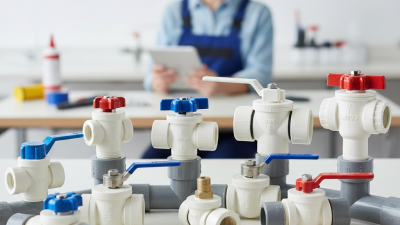
There are several common types of plastic fittings. Couplings connect two pipes or tubes. Elbows change the direction of flow. Tees allow for branching off to different directions. These fittings are widely used in plumbing, irrigation, and HVAC systems due to their lightweight nature and resistance to rust. However, not all plastic fittings are created equal. Some can become brittle over time, especially when exposed to UV light.

Selecting the right type of fitting can be a challenge. Many may overlook the temperature and pressure ratings. These factors are crucial for longevity. Regular maintenance can prevent unexpected failures. While plastic fittings offer durability and ease of installation, careful consideration and reflection on their limitations are necessary.

Common Materials Used in Plastic Fittings and Their Advantages

Plastic fittings are widely utilized in various industries due to their versatility. Common materials used in these fittings include PVC, CPVC, and polyethylene. Each material brings unique advantages that cater to specific needs.

PVC is favored for its durability and light weight. It's resistant to corrosion, making it ideal for plumbing systems. Meanwhile, CPVC can handle higher temperatures, making it suitable for hot water systems. Polyethylene, on the other hand, is flexible and resistant to impact. This material is often used in outdoor applications due to its weather resistance.

However, these materials also have drawbacks. PVC can become brittle over time when exposed to UV light. CPVC, while robust, can be more expensive. Polyethylene may not be as stable under high-pressure conditions. Users need to consider these factors carefully when choosing materials for their projects. Overall, understanding the advantages and limitations of plastic fitting materials is crucial for effective application.

Applications of Plastic Fittings in Various Industries

What is plastic fittings and how are they used?

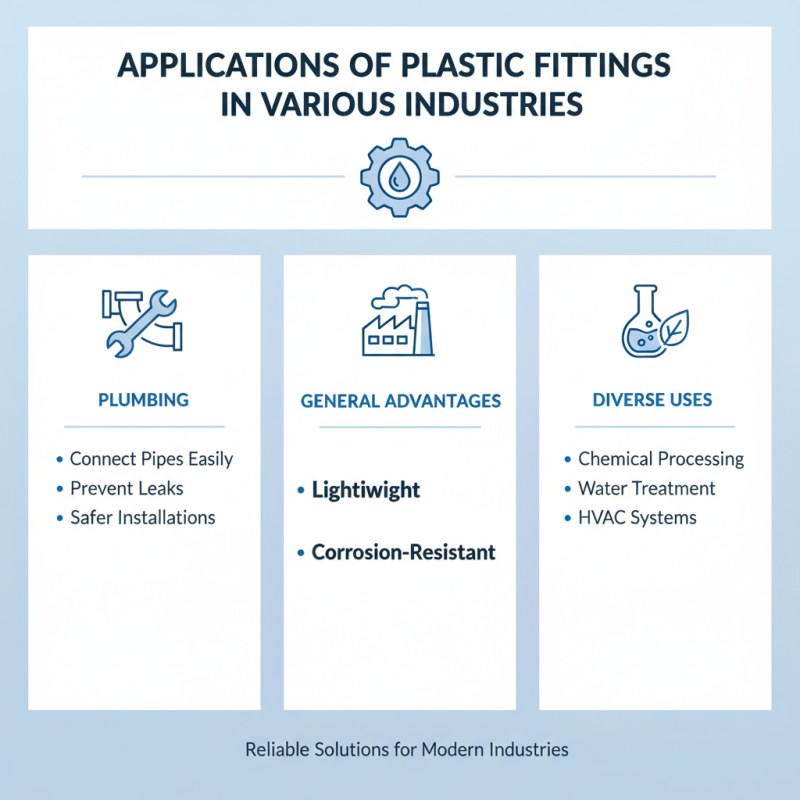
Plastic fittings play a crucial role in various industries. They are lightweight and resistant to corrosion. These properties make them ideal for different applications. In plumbing, plastic fittings are used to connect pipes easily. They help prevent leaks, making installations safer.

In the automotive industry, plastic fittings are essential for fuel systems. They provide a secure connection between fuel lines. This reduces the risk of leaks, improving safety. However, sometimes the durability of these fittings is questioned. They can degrade over time under harsh conditions. This requires frequent inspections.

In electronics, plastic fittings help with cable management. They organize wires, preventing tangling and damage. Yet, not all plastic fittings offer the same strength. Some may not withstand heavy use. Choosing the right fitting is essential for long-term reliability. While plastic fittings are versatile, careful consideration is needed for optimal performance.

Installation and Maintenance of Plastic Fittings

When it comes to plastic fittings, installation and maintenance are crucial. These fittings are widely used in plumbing and electrical systems. Their lightweight nature makes them easy to handle. However, proper installation ensures longevity.

During installation, always check for compatibility. Use the right tools. Tighten fittings adequately to prevent leaks. Over-tightening can lead to cracks. It’s essential to evaluate the space and ensure proper alignment when connecting joints. Mistakes during installation can be costly.

Maintenance of plastic fittings is straightforward. Regular checks can prevent larger issues. Look for signs of wear or damage. Replace any deteriorating parts promptly. Keeping the fittings clean is important. Accumulated dirt can cause blockages.

**Tips:**
- Use heat to soften fittings for easier adjustments.
- Always keep spare fittings available.
- Document any changes made during repairs for future reference.

Plastic Fittings Usage Statistics

Environmental Impact and Sustainability of Plastic Fittings

Plastic fittings are widely used in plumbing and construction. They are lightweight and resistant to corrosion. However, the environmental impact of plastic fittings cannot be overlooked. These products often contribute to plastic waste, as they are not always recyclable. Many end up in landfills or oceans. This raises concerns about their long-term sustainability.

The production of plastic fittings involves petrochemicals, which can deplete natural resources. Manufacturing processes also emit greenhouse gases. While plastic fittings serve practical purposes, their lifecycle poses significant environmental challenges. There are alternatives, like metal or biodegradable materials, but they may not always be cost-effective or practical.

Education on responsible use is essential. Consumers need to understand the implications of their choices. Opting for sustainable options, or recycling existing fittings, can reduce environmental harm. As the world becomes more conscious of pollution, the industry must adapt. Innovations in materials and waste management are necessary for a sustainable future. However, progress is slow, and reflection on our consumption habits is crucial.

What is plastic fittings and how are they used? - Environmental Impact and Sustainability of Plastic Fittings

Dimension Data
Material Types PVC, CPVC, PEX, HDPE
Common Applications Plumbing, HVAC, irrigation, electrical conduits
Environmental Impact Soil and water pollution, microplastics
Sustainability Approach Recycling, bioplastics, biodegradable options
Lifespan of Plastic Fittings 20-50 years depending on conditions
Regulatory Standards NSF, ASTM, ISO certifications
Cost Comparison Generally lower than metal fittings
Advantages Lightweight, corrosion-resistant, easy installation
Challenges Durability under extreme conditions, potential chemical leaching
Copyright 2025 Fluidra S.A. | Created by BCM Marketing Agencia Privacy Policy Legal note | Cookie policy |

Technical cookies are strictly necessary for our website to work and you can navigate through it. These types of cookies are those that, for example, allow us to identify you, give you access to certain restricted parts of the page if necessary, or remember different options or services already selected by you, such as your privacy preferences. Therefore, they are activated by default, your authorization not being necessary in this regard. Through the configuration of your browser, you can block or alert the presence of this type of cookies, although such blocking will affect the proper functioning of the different functionalities of our website.


The analysis cookies allow us to study the navigation of the users of our website in general (for example, which sections of the page are the most visited, which services are used most and if they work correctly, etc.). From the statistical information on navigation on our website, we can improve both the operation of the page itself and the different services it offers. Therefore, these cookies do not have an advertising purpose, but only serve to make our website work better, adapting to our users in general. By activating them you will contribute to this continuous improvement. You can enable or disable these cookies by checking the corresponding box, being disabled by default.


Functionality cookies allow us to remember your preferences, to personalize certain characteristics and general options of our website, every time you access it (for example, the language in which the information is presented to you, the sections marked as favorites, your browser type, etc.) Therefore, this type of cookies does not have an advertising purpose, but by activating them you will improve the functionality of the website (for example, adapting to your type of browser) and the customization of it based on your preferences (for example, by presenting the information in the language that you have chosen in previous occasions), which will contribute to the ease, usability and comfort of our page during your navigation. You can enable or disable these cookies by checking the corresponding box, being disabled by default.


Advertising cookies allow us to manage the advertising spaces included in our website based on criteria such as the content shown or the frequency in which the ads are displayed. For example, if you have been shown the same ad several times on our website, and you have not shown a personal interest by clicking on it, it will not appear again. In summary, by activating this type of cookies, the advertising shown on our website will be more useful and diverse, and less repetitive. You can enable or disable these cookies by checking the corresponding box, being disabled by default.


Behavioral advertising cookies allow us to obtain information based on the observation of your browsing habits and behaviors on the web, in order to show you advertising content that best suits your personal tastes and interests. To understand it in a very simple way, we will give you a fictitious example: if your last searches on the web were related to suspense literature, we would show you advertising about suspense books. Therefore, activating this type of cookies, the advertising that we show you on our website will not be generic, but will be oriented to your searches, tastes and interests, therefore adjusting exclusively to you. You can enable or disable these cookies by checking the corresponding box, being disabled by default.
To understand it in a very simple way, we will give you a fictitious example: if your last searches on the web were related to suspense literature, we would show you advertising about suspense books. Therefore, activating this type of cookies, the advertising that we show you on our website will not be generic, but will be oriented to your searches, tastes and interests, therefore adjusting exclusively to you. You can enable or disable these cookies by checking the corresponding box, being disabled by default.

SAVE

We use our own and third-party cookies to ensure the proper functioning of the website and to analyse our services, improve your experience on our website and show you advertisements related to your interests according to profiling based on your browsing habits (e.g. websites visited). You can accept all cookies by clicking "ACCEPT" or set or reject them by clicking here. If you would like to know more about the use of cookies, please see our COOKIE POLICY.


ACCEPT ALL
Reject no essentials