
Why Do You Need an Industrial Gas Alarm for Safety?
FLUID HANDLING EXPERTS

Blog, all our news

Why Do You Need an Industrial Gas Alarm for Safety?

In various industrial settings, the presence of hazardous gases poses significant risks. A reliable Industrial Gas Alarm is vital for ensuring worker safety. According to the National Institute for Occupational Safety and Health (NIOSH), around 700 workers in the United States die annually due to unintentional exposure to gases. This statistic highlights the urgent need for effective monitoring systems.

The implementation of advanced gas detection technologies has proven critical. For instance, the global gas detection market is expected to reach $4.3 billion by 2026, with a notable emphasis on industrial applications. These alarms not only detect but also prevent catastrophic accidents that can lead to injuries or fatalities.

Moreover, many organizations struggle to maintain a consistent safety culture. Neglecting the installation and maintenance of an Industrial Gas Alarm can result in severe consequences, not just for employees but for the entire facility's operational integrity. Recognizing the importance of these alarms could be the difference between safe operations and tragic outcomes.
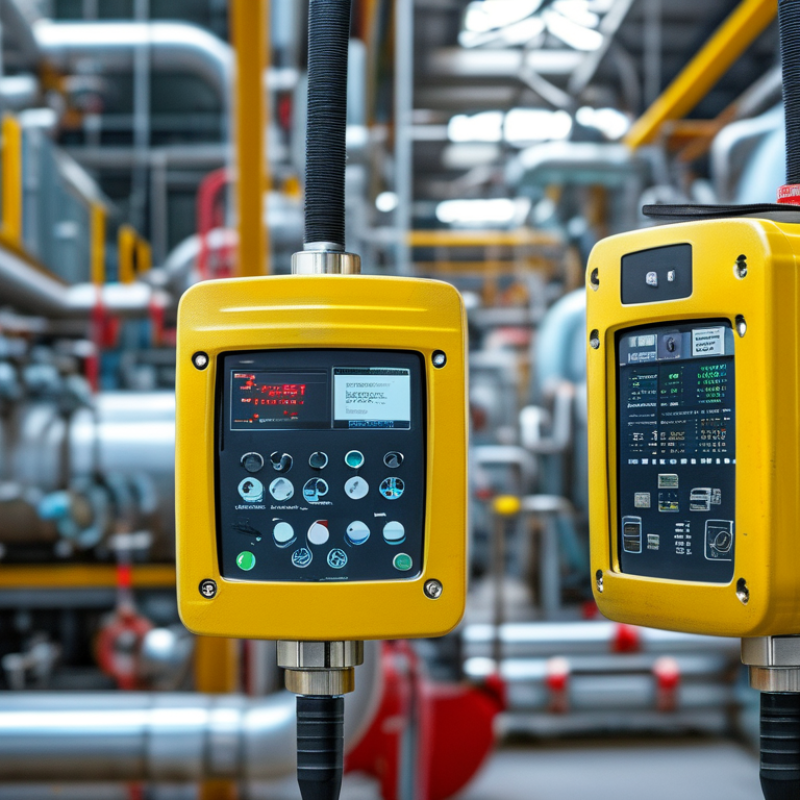
Why Do You Need an Industrial Gas Alarm for Safety?

The Importance of Industrial Gas Alarms in Safety Protocols

Industrial gas alarms play a critical role in ensuring safety in various sectors. These systems detect hazardous gases, enabling prompt action before dangerous situations develop. According to the Occupational Safety and Health Administration (OSHA), an estimated 5,000 workers die each year from gas exposure incidents. Such statistics highlight the significant need for a robust gas detection system in workplaces.

A comprehensive safety protocol must include regular testing and maintenance of gas alarms. The National Fire Protection Association (NFPA) suggests that at least 25% of all workplace accidents are related to gas leaks. These data emphasize the necessity for continual monitoring. A well-calibrated alarm can provide early warnings, potentially saving lives.

Many facilities still lack adequate gas detection measures. Insufficient attention to these systems can lead to catastrophic events. For instance, recent reports suggested that over 30% of chemical facilities in the U.S. do not meet basic gas detection standards. This gap in compliance raises concerns about the effectiveness of safety protocols. Regular audits and training can significantly enhance safety measures and ensure continuous improvement.

Industrial Gas Alarms: Importance in Safety Protocols

Understanding the Types of Industrial Gases and Their Hazards

Industrial gases are essential in many sectors, including manufacturing, healthcare, and energy. However, these gases can pose significant hazards if not properly managed. Understanding the types of industrial gases and their potential risks is crucial for any facility.

Some common industrial gases include oxygen, nitrogen, hydrogen, and carbon dioxide. Each of these gases has specific hazards. For instance, oxygen can support combustion, raising the risk of fires. Nitrogen is generally inert but can displace oxygen in confined spaces, leading to asphyxiation. Exposure to hydrogen poses explosion risks. On the other hand, carbon dioxide can cause dizziness and confusion in high concentrations. Identifying these gases helps in establishing safety protocols.

Safety measures can fall short without proper monitoring. Many facilities overlook the need for industrial gas alarms, thinking regular ventilation suffices. Yet, gas leaks can occur unexpectedly, sometimes with disastrous results. Regular training and drills can ensure preparedness, but reliable alarms are still vital. Reflecting on past incidents reveals that human error often plays a role in gas-related accidents. Therefore, investing in alarm systems is an essential aspect of ensuring workplace safety.

Key Statistics on Accidents Related to Industrial Gas Exposure

Industrial gas exposure poses significant risks in various sectors. According to the Occupational Safety and Health Administration (OSHA), over 3,000 incidents involving gas leaks are reported annually in the United States alone. These accidents result in injuries and even fatalities. The National Institute for Occupational Safety and Health (NIOSH) emphasizes that adequate gas detection systems can prevent many of these tragic events.

A striking statistic from a 2021 industry report reveals that workplaces with gas alarms have reduced gas-related incidents by nearly 45%. This highlights the critical role of industrial gas alarms in creating a safer environment. Many facilities still neglect proper gas monitoring. This oversight can lead to catastrophic outcomes and expose workers to hazardous conditions.

The importance of training employees to recognize gas exposure risks cannot be overstated. Reports show that 60% of gas exposure incidents occur due to human error. Consequently, investing in alarms and proper training is not just a regulatory requirement; it’s essential for the well-being of all personnel. Implementing these safety measures fosters a culture of safety in industries handling potentially dangerous gases.

Regulatory Standards Governing Industrial Gas Alarm Systems

Regulatory standards for industrial gas alarm systems play a crucial role in ensuring workplace safety. Organizations like the Occupational Safety and Health Administration (OSHA) and the National Fire Protection Association (NFPA) set guidelines to prevent hazardous incidents. According to a recent report from the American Gas Association, about 50,000 gas leaks occur annually in industrial settings, underscoring the need for effective detection and alarm systems.

Gas alarms must meet stringent standards. The American National Standards Institute (ANSI) specifies performance requirements. Regular testing and maintenance of these systems are essential to comply with regulatory mandates. Data from the National Institute for Occupational Safety and Health (NIOSH) indicates that proper implementation of gas alarms can reduce incidents by up to 30%.

To enhance safety, ensure that your gas alarms are calibrated according to manufacturer specifications. This calibration helps maintain accuracy in gas concentration detection. It’s important for personnel to be trained in emergency response protocols. Regular drills can significantly improve reaction times during a gas leak.

Incorporating real-time monitoring can boost safety and efficiency. Effective communication systems should alert employees promptly when an alarm is triggered. Remember, investing in quality alarms may seem costly, but the cost of accidents can far exceed the initial investment.

Best Practices for Implementing and Maintaining Gas Alarm Systems

Implementing and maintaining gas alarm systems is crucial for workplace safety. Industry reports suggest that over 20% of industrial accidents are related to gas leaks. Key practices can significantly enhance the effectiveness of gas detection systems. Regular calibration and testing of alarms are essential. Many facilities fail to perform necessary checks consistently, leading to undetected leaks.

Training staff on emergency procedures is another critical component. Lack of awareness can worsen situations when alarms do go off. According to the National Fire Protection Association, effective training reduces response time by up to 30%. Managers should prioritize regular drills and update protocols as needed.

Consider integrating multiple detectors for different gases to cover all bases. Many systems focus mainly on one type, posing risks if other gases are present. Regularly reviewing system performance also helps identify any weaknesses. Assessing how alarms activate and responding to false alarms can aid in refining the process. Keeping an open dialogue with staff about potential hazards is vital for a proactive safety culture.

Copyright 2025 Fluidra S.A. | Created by BCM Marketing Agencia Privacy Policy Legal note | Cookie policy |

Technical cookies are strictly necessary for our website to work and you can navigate through it. These types of cookies are those that, for example, allow us to identify you, give you access to certain restricted parts of the page if necessary, or remember different options or services already selected by you, such as your privacy preferences. Therefore, they are activated by default, your authorization not being necessary in this regard. Through the configuration of your browser, you can block or alert the presence of this type of cookies, although such blocking will affect the proper functioning of the different functionalities of our website.


The analysis cookies allow us to study the navigation of the users of our website in general (for example, which sections of the page are the most visited, which services are used most and if they work correctly, etc.). From the statistical information on navigation on our website, we can improve both the operation of the page itself and the different services it offers. Therefore, these cookies do not have an advertising purpose, but only serve to make our website work better, adapting to our users in general. By activating them you will contribute to this continuous improvement. You can enable or disable these cookies by checking the corresponding box, being disabled by default.


Functionality cookies allow us to remember your preferences, to personalize certain characteristics and general options of our website, every time you access it (for example, the language in which the information is presented to you, the sections marked as favorites, your browser type, etc.) Therefore, this type of cookies does not have an advertising purpose, but by activating them you will improve the functionality of the website (for example, adapting to your type of browser) and the customization of it based on your preferences (for example, by presenting the information in the language that you have chosen in previous occasions), which will contribute to the ease, usability and comfort of our page during your navigation. You can enable or disable these cookies by checking the corresponding box, being disabled by default.


Advertising cookies allow us to manage the advertising spaces included in our website based on criteria such as the content shown or the frequency in which the ads are displayed. For example, if you have been shown the same ad several times on our website, and you have not shown a personal interest by clicking on it, it will not appear again. In summary, by activating this type of cookies, the advertising shown on our website will be more useful and diverse, and less repetitive. You can enable or disable these cookies by checking the corresponding box, being disabled by default.


Behavioral advertising cookies allow us to obtain information based on the observation of your browsing habits and behaviors on the web, in order to show you advertising content that best suits your personal tastes and interests. To understand it in a very simple way, we will give you a fictitious example: if your last searches on the web were related to suspense literature, we would show you advertising about suspense books. Therefore, activating this type of cookies, the advertising that we show you on our website will not be generic, but will be oriented to your searches, tastes and interests, therefore adjusting exclusively to you. You can enable or disable these cookies by checking the corresponding box, being disabled by default.
To understand it in a very simple way, we will give you a fictitious example: if your last searches on the web were related to suspense literature, we would show you advertising about suspense books. Therefore, activating this type of cookies, the advertising that we show you on our website will not be generic, but will be oriented to your searches, tastes and interests, therefore adjusting exclusively to you. You can enable or disable these cookies by checking the corresponding box, being disabled by default.

SAVE

We use our own and third-party cookies to ensure the proper functioning of the website and to analyse our services, improve your experience on our website and show you advertisements related to your interests according to profiling based on your browsing habits (e.g. websites visited). You can accept all cookies by clicking "ACCEPT" or set or reject them by clicking here. If you would like to know more about the use of cookies, please see our COOKIE POLICY.


ACCEPT ALL
Reject no essentials


