
What is Monel 400 Plate and Why is it in Demand?
FLUID HANDLING EXPERTS

Blog, all our news

What is Monel 400 Plate and Why is it in Demand?

The Monel 400 Plate has gained significant traction across various industries. This high-performance alloy, composed primarily of nickel and copper, exhibits remarkable resistance to corrosion and high temperatures. According to a recent report by the Alloy Development Association, the market for Monel 400 products is projected to grow by 6% annually over the next five years. This trend is driven by increasing demand in marine and chemical processing sectors.

Dr. Emily Hadley, a renowned expert in materials science, emphasizes its importance. She states, "Monel 400 Plate combines durability and versatility, making it indispensable in demanding applications." This is echoed by its widespread use in shipbuilding and oil production, where conditions can be harsh.

Despite its advantages, some challenges remain. Sourcing and fabrication costs can be high, leading to potential hesitations for smaller companies. Additionally, market fluctuations affect availability and pricing, complicating procurement for manufacturers. Addressing these issues will be crucial for sustaining the growth of the Monel 400 Plate market.
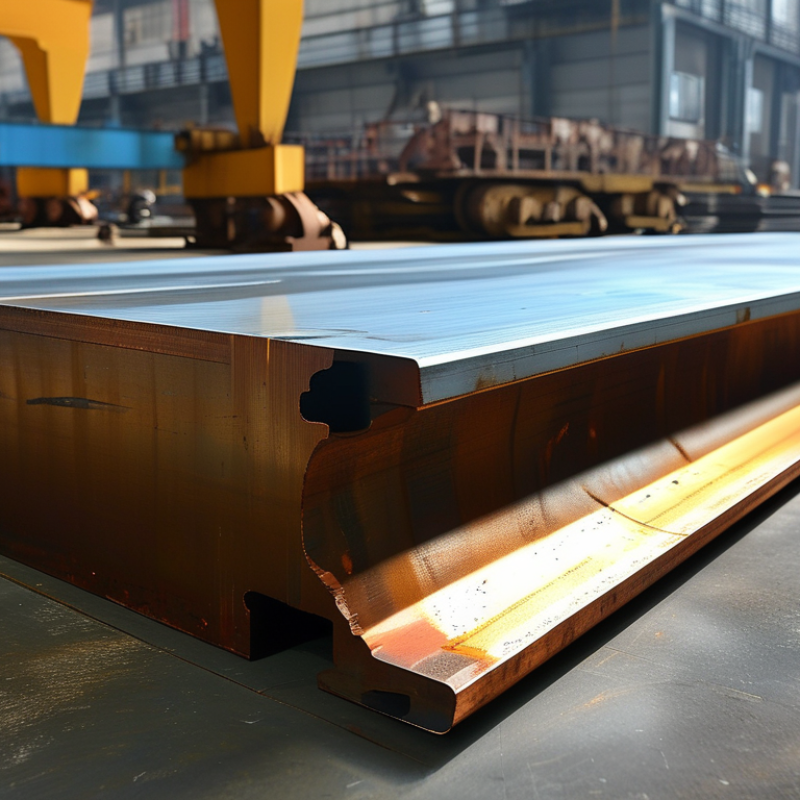
What is Monel 400 Plate and Why is it in Demand?

What is Monel 400 Plate?

Monel 400 plate is a nickel-copper alloy that exhibits excellent corrosion resistance. This alloy is primarily composed of 63% nickel and 28% copper, making it suitable for harsh environments. The unique combination of these metals grants Monel 400 its valuable properties. It is known for its ability to withstand acidic and alkaline conditions. It can also handle temperatures up to 1000°F without losing its strength.

The demand for Monel 400 is surging, particularly in industries such as marine engineering and chemical processing. Reports indicate a market growth rate of 5.8% annually for nickel alloys. This growth is driven by an increase in projects requiring materials that can endure severe conditions. For example, seawater applications benefit from Monel 400’s ability to resist pitting and crevice corrosion.

Monel 400 also has limitations. While it performs well in many environments, it is not the best choice for high-temperature applications beyond 1000°F. Those seeking alternatives should consider costs and availability. Some manufacturers struggle with consistency in production quality, leading to variations in properties. Ensuring a reliable supply chain is crucial for industries relying on this material.

Monel 400 Plate Demand Analysis

Monel 400 plates are widely used across various industries due to their superior corrosion resistance and mechanical properties. This bar chart illustrates the market demand distribution of Monel 400 plates in key sectors. As shown, the largest demand comes from the chemical processing and aerospace industries, indicating strong applications in environments that require high durability and resistance to harsh conditions.

Key Properties of Monel 400 Material

Monel 400 is a nickel-copper alloy valued for its exceptional resistance to corrosion. This material is often used in marine, chemical, and oil applications. Its unique properties make it a preferred choice for industries that operate under harsh conditions. The alloy consists of approximately 67% nickel and 28% copper, along with small quantities of iron and manganese. This composition grants it high strength and maintains good ductility, even at elevated temperatures.

Corrosion resistance is one of its most significant features. Monel 400 withstands saltwater, reducing maintenance costs in marine settings. The alloy also resists oxidation and acidic environments, making it ideal for chemical processing. A 2019 industry report highlighted a 15% rise in demand for Monel 400 in offshore oil rigs. The increasing need for durable materials in these sectors emphasizes its importance.

Tip: When selecting Monel 400 for applications, consider the operating environment carefully. Not every condition may yield optimal performance. Make sure to consult with suppliers about specific grade characteristics.

Another aspect to note is its weldability. Monel 400 can be welded using standard techniques. However, improper welding can lead to issues, such as cracking. Ensure proper techniques and pre-heating measures are in place to avoid complications.

Tip: Conduct thorough testing for weld integrity post-application. This proactive measure can save costs in the long run.

Common Applications of Monel 400 Plates in Industry

Monel 400 plates are widely used in various industries due to their unique properties. This nickel-copper alloy is resistant to corrosion and can withstand high temperatures. Its durability makes it ideal for marine applications, as it can tolerate seawater without degrading. In shipbuilding, Monel 400 is often chosen for valves and pumps. These components need to resist the harsh environment of saltwater.

In chemical processing, Monel 400 plates are essential. They can handle aggressive media, including acids and alkalis. Many manufacturers prefer this alloy for heat exchangers and reactors. Its ability to endure extreme temperatures is vital in these applications. Additionally, Monel 400 is also prominent in oil and gas sectors. This alloy is chosen for its excellent mechanical properties and resistance to stress corrosion cracking. Such applications highlight its versatility and importance in critical industries.

Factors Driving the Demand for Monel 400 Plates

Monel 400 plates are known for their nickel-copper alloy composition. This material exhibits excellent resistance to corrosion and heat. The demand for Monel 400 plates stems from various industries, including marine, chemical processing, and oil and gas. Their ability to withstand harsh environments makes them a preferred choice.

One key factor driving demand is the increasing need for reliable materials in corrosive environments. Industries are shifting towards Monel 400 due to its superior properties. These plates not only offer durability but also require less maintenance. Thus, manufacturers and engineers favor them for long-term projects.

Tips: When selecting Monel 400 plates, ensure you assess the specific requirements of your project. Consider environmental factors like temperature and exposure to harsh chemicals. Always consult with experts who understand the nuances of this material. Another tip is to review the product specifications carefully. Understanding the composition influences performance.

Comparison of Monel 400 with Other Nickel Alloys

Monel 400 is a versatile nickel-copper alloy known for its exceptional resistance to corrosion and high strength. Compared to other nickel alloys, Monel 400 holds a unique position due to its excellent performance in marine environments and chemical processing applications. According to recent industry reports, the global demand for Monel 400 is increasing, fueled by its extensive use in petrochemical, aerospace, and maritime sectors.

When analyzing Monel 400 against other nickel alloys like Inconel and Hastelloy, key differences emerge. Monel 400 offers better resistance to sulfuric acid and hydrofluoric acid, making it a preferred choice in certain corrosive environments. While alloys like Inconel excel at high-temperature applications, Monel 400 shines at moderate temperatures with its remarkable stability. Industry data shows that Monel 400 accounts for about 10% of the nickel alloy market, a testament to its reliability and application versatility.

However, Monel 400 does have limitations. Its workability can be challenging due to its hardness, which requires specialized techniques for machining. Furthermore, while the alloy is less expensive than some high-performance alternatives, its price fluctuates with nickel market trends. This variability raises questions for manufacturers considering cost-effectiveness and long-term project viability.

Article Source:

Copyright 2025 Fluidra S.A. | Created by BCM Marketing Agencia Privacy Policy Legal note | Cookie policy |

Technical cookies are strictly necessary for our website to work and you can navigate through it. These types of cookies are those that, for example, allow us to identify you, give you access to certain restricted parts of the page if necessary, or remember different options or services already selected by you, such as your privacy preferences. Therefore, they are activated by default, your authorization not being necessary in this regard. Through the configuration of your browser, you can block or alert the presence of this type of cookies, although such blocking will affect the proper functioning of the different functionalities of our website.


The analysis cookies allow us to study the navigation of the users of our website in general (for example, which sections of the page are the most visited, which services are used most and if they work correctly, etc.). From the statistical information on navigation on our website, we can improve both the operation of the page itself and the different services it offers. Therefore, these cookies do not have an advertising purpose, but only serve to make our website work better, adapting to our users in general. By activating them you will contribute to this continuous improvement. You can enable or disable these cookies by checking the corresponding box, being disabled by default.


Functionality cookies allow us to remember your preferences, to personalize certain characteristics and general options of our website, every time you access it (for example, the language in which the information is presented to you, the sections marked as favorites, your browser type, etc.) Therefore, this type of cookies does not have an advertising purpose, but by activating them you will improve the functionality of the website (for example, adapting to your type of browser) and the customization of it based on your preferences (for example, by presenting the information in the language that you have chosen in previous occasions), which will contribute to the ease, usability and comfort of our page during your navigation. You can enable or disable these cookies by checking the corresponding box, being disabled by default.


Advertising cookies allow us to manage the advertising spaces included in our website based on criteria such as the content shown or the frequency in which the ads are displayed. For example, if you have been shown the same ad several times on our website, and you have not shown a personal interest by clicking on it, it will not appear again. In summary, by activating this type of cookies, the advertising shown on our website will be more useful and diverse, and less repetitive. You can enable or disable these cookies by checking the corresponding box, being disabled by default.


Behavioral advertising cookies allow us to obtain information based on the observation of your browsing habits and behaviors on the web, in order to show you advertising content that best suits your personal tastes and interests. To understand it in a very simple way, we will give you a fictitious example: if your last searches on the web were related to suspense literature, we would show you advertising about suspense books. Therefore, activating this type of cookies, the advertising that we show you on our website will not be generic, but will be oriented to your searches, tastes and interests, therefore adjusting exclusively to you. You can enable or disable these cookies by checking the corresponding box, being disabled by default.
To understand it in a very simple way, we will give you a fictitious example: if your last searches on the web were related to suspense literature, we would show you advertising about suspense books. Therefore, activating this type of cookies, the advertising that we show you on our website will not be generic, but will be oriented to your searches, tastes and interests, therefore adjusting exclusively to you. You can enable or disable these cookies by checking the corresponding box, being disabled by default.

SAVE

We use our own and third-party cookies to ensure the proper functioning of the website and to analyse our services, improve your experience on our website and show you advertisements related to your interests according to profiling based on your browsing habits (e.g. websites visited). You can accept all cookies by clicking "ACCEPT" or set or reject them by clicking here. If you would like to know more about the use of cookies, please see our COOKIE POLICY.


ACCEPT ALL
Reject no essentials


