
How to Maintain Roll Down Fire Doors for Safety and Compliance?
FLUID HANDLING EXPERTS

Blog, all our news

How to Maintain Roll Down Fire Doors for Safety and Compliance?

Roll Down Fire Doors are critical for ensuring safety in commercial and industrial spaces. These doors serve as a barrier against fire, minimizing damage and protecting lives. Regular maintenance is essential for their effectiveness and compliance with safety standards.

Keeping Roll Down Fire Doors in optimal condition requires attention to detail. Inspecting the components for wear and ensuring they operate smoothly helps avert potential issues. Neglecting these tasks can lead to failures during emergencies. It's alarming to think about the risks involved when fire doors do not perform as intended.

Equally, understanding the specific maintenance requirements is necessary. Each door may have unique features that demand tailored care. It's important to train personnel effectively on these aspects. In this way, we ensure that our safety measures are genuinely effective and reliable. A proactive approach can make a significant difference in emergency situations.
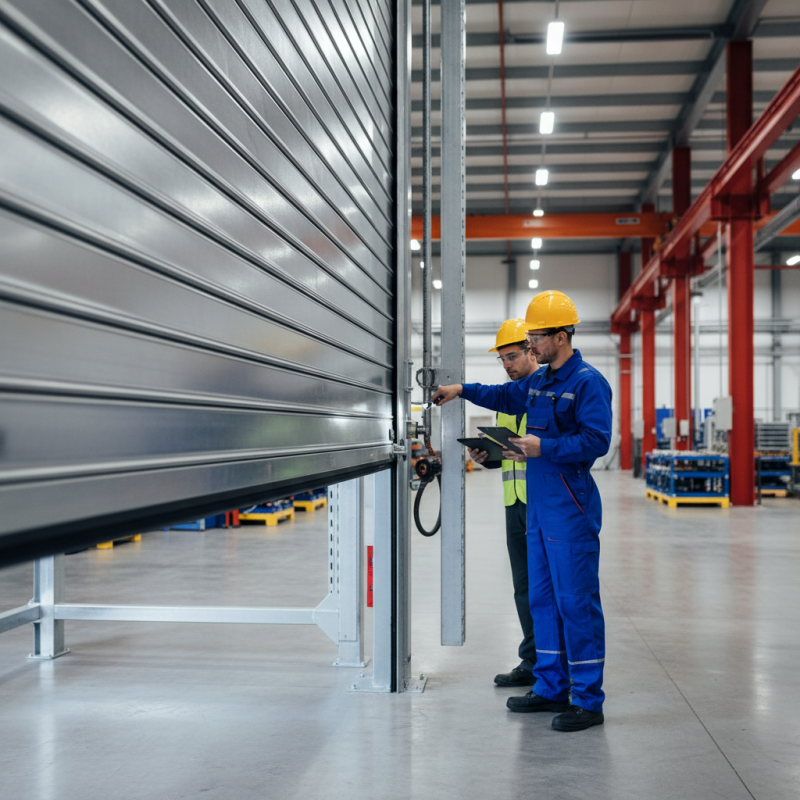
How to Maintain Roll Down Fire Doors for Safety and Compliance?

Understanding the Importance of Roll Down Fire Doors in Safety Protocols

Roll down fire doors play a vital role in safety protocols. They are designed to contain fire and smoke. This helps protect both people and property. When these doors function properly, they can save lives. However, their effectiveness depends on regular maintenance. If not cared for, they may fail when needed most.


Understanding the importance of these doors means acknowledging potential risks. A malfunctioning fire door could let smoke spread quickly. This can result in hazardous situations. Inspecting door operability is crucial. Look for visible damage or rust. Check if the door closes fully. Regular testing ensures that the fire door meets safety standards.


Neglecting maintenance is a common issue. Some facilities may see it as an afterthought. This can lead to non-compliance with safety regulations. Encourage employees to report any issues. Training staff about these doors can create a culture of safety. Every small effort counts towards effective fire safety measures.

Key Components of Roll Down Fire Doors and Their Functions

Roll down fire doors play a critical role in safety and compliance. Understanding their key components helps ensure they function effectively. These doors consist of a sturdy curtain made from fire-resistant materials. The curtain rolls down from a reel, protecting openings during a fire. This mechanism minimizes smoke and fire spread.


Another key element is the automatic closing system. This system activates when fire alarms trigger. It ensures the door closes quickly and securely. However, it is essential to test this mechanism regularly. Blocks, obstructions, or malfunctions can lead to failures. Maintenance checks should include the door's tracks, sensors, and springs. Keeping these parts clean and operable can prevent costly repairs.


Lastly, the control panel is vital. It monitors the door’s status and activates safety features. If it fails, the entire system can be compromised. Regular inspections should address any wear or damage on the panel. Fire doors must be labeled clearly for easy identification during emergencies. These components work together, but neglect can lead to serious safety issues. Regular maintenance and attention to detail are key to ensuring they remain reliable.

Routine Inspection and Maintenance Procedures for Fire Doors

Routine inspections of roll down fire doors are crucial for safety and compliance. Inspecting these doors should happen at least once a month. Look for visible signs of damage, such as dents or rust. Ensure the door opens and closes smoothly without any obstructions. Listen for unusual sounds during operation. Any inconsistencies may indicate underlying issues.

Maintenance procedures are essential to keep fire doors functional. Regularly lubricate the moving parts. This can prevent wear and tear over time. Check the door's seals and gaskets for wear. Damaged seals won't provide adequate protection during a fire. If the doors have been painted, ensure the paint doesn’t obstruct their operation.

Documentation is often overlooked, but it’s necessary. Keep a record of inspection dates and maintenance performed. Sometimes, it’s easy to forget when inspections last occurred. Ensure records are easily accessible for compliance checks. Regularly reviewing these records can uncover patterns, indicating where extra attention is needed.

Routine Inspection and Maintenance of Roll Down Fire Doors

Testing Fire Door Mechanisms for Compliance and Efficiency

Maintaining fire door mechanisms is vital for safety. Regular testing ensures they function correctly in emergencies. A recent study indicates that 70% of fire doors fail due to lack of maintenance. Testing should focus on closing speed, latching, and alignment. Each of these factors plays a significant role in safety compliance.

For example, a door that closes too slowly may not seal properly, allowing smoke to pass. Inspectors recommend monthly checks. Fire doors must also meet regulatory standards. Non-compliance can lead to severe consequences, including legal penalties. Yet, 30% of facilities skip these essential tests, risking lives and property.

Incorporating technology can enhance efficiency. Some facilities use sensors to track door performance. However, reliance on technology alone isn’t enough. Staff training remains crucial. Regular training sessions reinforce the importance of door maintenance and testing. Even with systems in place, human oversight is key to ensuring compliance and safety.

Common Issues and Solutions for Roll Down Fire Door Maintenance

Roll down fire doors play a crucial role in safety. Regular maintenance ensures they function correctly. However, many facilities neglect this essential task. Common issues include jams, improper sealing, and broken hinges. These problems can render the doors ineffective during emergencies.

One common issue is the door getting stuck. This often happens due to dirt buildup or worn-out components. Cleaning the tracks regularly can prevent this. Lubrication is helpful too. Use light oil sparingly. Another frequent problem is gaps around the door. This can happen over time. Ensure seals are intact and replace them if necessary.

Inspections should occur at least annually. However, many overlook this step. Poor maintenance can lead to costly repairs. It's important to document any repairs and changes. The absence of records can complicate compliance checks. Be proactive, not reactive. Regular attention to these doors increases safety for everyone.

How to Maintain Roll Down Fire Doors for Safety and Compliance?

Issue Description Recommended Solution Frequency of Maintenance
Door Won't Close The fire door is stuck and does not fully close. Check for blockages or misalignments and ensure proper lubrication of the tracks. Monthly
Rust or Corrosion Visible rust spots on the door surface. Apply rust remover and repaint the affected areas. Quarterly
Inadequate Fire Rating Door does not meet the necessary fire rating requirements. Upgrade the door or replace it with a compliant model. Annually
Damaged Seals Rubber seals are cracked or missing, allowing airflow. Replace damaged seals to ensure proper containment during a fire. Semi-Annually
Failed Safety Sensors Door sensors do not function correctly, posing a safety risk. Test sensors and replace faulty ones immediately. Monthly
Copyright 2025 Fluidra S.A. | Created by BCM Marketing Agencia Privacy Policy Legal note | Cookie policy |

Technical cookies are strictly necessary for our website to work and you can navigate through it. These types of cookies are those that, for example, allow us to identify you, give you access to certain restricted parts of the page if necessary, or remember different options or services already selected by you, such as your privacy preferences. Therefore, they are activated by default, your authorization not being necessary in this regard. Through the configuration of your browser, you can block or alert the presence of this type of cookies, although such blocking will affect the proper functioning of the different functionalities of our website.


The analysis cookies allow us to study the navigation of the users of our website in general (for example, which sections of the page are the most visited, which services are used most and if they work correctly, etc.). From the statistical information on navigation on our website, we can improve both the operation of the page itself and the different services it offers. Therefore, these cookies do not have an advertising purpose, but only serve to make our website work better, adapting to our users in general. By activating them you will contribute to this continuous improvement. You can enable or disable these cookies by checking the corresponding box, being disabled by default.


Functionality cookies allow us to remember your preferences, to personalize certain characteristics and general options of our website, every time you access it (for example, the language in which the information is presented to you, the sections marked as favorites, your browser type, etc.) Therefore, this type of cookies does not have an advertising purpose, but by activating them you will improve the functionality of the website (for example, adapting to your type of browser) and the customization of it based on your preferences (for example, by presenting the information in the language that you have chosen in previous occasions), which will contribute to the ease, usability and comfort of our page during your navigation. You can enable or disable these cookies by checking the corresponding box, being disabled by default.


Advertising cookies allow us to manage the advertising spaces included in our website based on criteria such as the content shown or the frequency in which the ads are displayed. For example, if you have been shown the same ad several times on our website, and you have not shown a personal interest by clicking on it, it will not appear again. In summary, by activating this type of cookies, the advertising shown on our website will be more useful and diverse, and less repetitive. You can enable or disable these cookies by checking the corresponding box, being disabled by default.


Behavioral advertising cookies allow us to obtain information based on the observation of your browsing habits and behaviors on the web, in order to show you advertising content that best suits your personal tastes and interests. To understand it in a very simple way, we will give you a fictitious example: if your last searches on the web were related to suspense literature, we would show you advertising about suspense books. Therefore, activating this type of cookies, the advertising that we show you on our website will not be generic, but will be oriented to your searches, tastes and interests, therefore adjusting exclusively to you. You can enable or disable these cookies by checking the corresponding box, being disabled by default.
To understand it in a very simple way, we will give you a fictitious example: if your last searches on the web were related to suspense literature, we would show you advertising about suspense books. Therefore, activating this type of cookies, the advertising that we show you on our website will not be generic, but will be oriented to your searches, tastes and interests, therefore adjusting exclusively to you. You can enable or disable these cookies by checking the corresponding box, being disabled by default.

SAVE

We use our own and third-party cookies to ensure the proper functioning of the website and to analyse our services, improve your experience on our website and show you advertisements related to your interests according to profiling based on your browsing habits (e.g. websites visited). You can accept all cookies by clicking "ACCEPT" or set or reject them by clicking here. If you would like to know more about the use of cookies, please see our COOKIE POLICY.


ACCEPT ALL
Reject no essentials


