
What is a Lithium Battery and How Does It Work?
FLUID HANDLING EXPERTS

Blog, all our news

What is a Lithium Battery and How Does It Work?

Lithium Batteries have transformed modern technology. They power our smartphones, laptops, and electric vehicles. Understanding how these batteries work is crucial. Despite their popularity, many people know little about their inner workings.

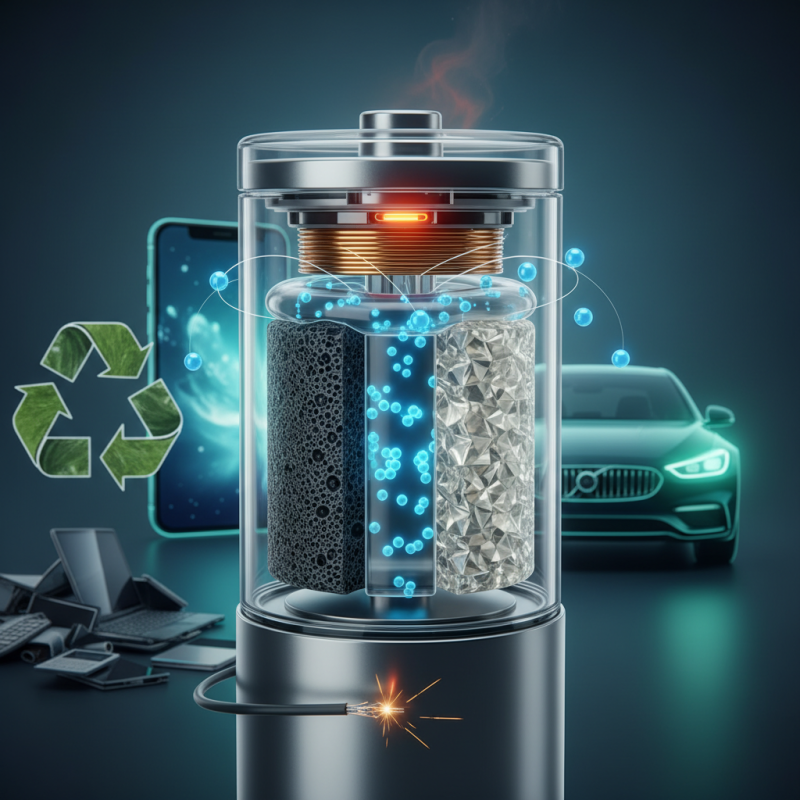
A lithium battery consists of two electrodes: an anode and a cathode. The electrolyte facilitates the movement of lithium ions between these electrodes. During discharge, lithium ions flow from the anode to the cathode, releasing energy. But there are challenges too. Overcharging can lead to overheating. Short circuits can cause battery failures.

The efficiency of lithium batteries has improved over the years. However, questions about their environmental impact remain. Recycling processes need advancements. Striking a balance between performance and sustainability is vital. Lithium batteries hold great promise but require careful consideration and responsible use.
What is a Lithium Battery and How Does It Work?

What is a Lithium Battery?

A lithium battery is a type of rechargeable battery that utilizes lithium ions. These ions move from the anode to the cathode during discharge. This movement creates a flow of electric current. Lithium batteries are popular in many applications. They power smartphones, laptops, and electric vehicles.

According to a report by Markets and Markets, the lithium-ion battery market is expected to reach $129.3 billion by 2027. This growth reflects increasing demand for electric vehicles and renewable energy solutions. However, challenges exist. Manufacturing processes can have high environmental impacts. Mining lithium also raises concerns about water usage and ecosystem damage.

One notable detail is that lithium batteries can become less efficient over time. Their capacity diminishes with each charge cycle. This means that after a few years, performance may not meet user expectations. While improvements are being made, the industry still faces hurdles in sustainability and efficiency. Finding balance remains a critical issue as technology advances.

The Components of a Lithium Battery

Lithium batteries are critical in today's tech-driven world. Their components play a significant role in their performance and reliability. At the heart of a lithium battery are three essential parts: the anode, cathode, and electrolyte. The anode, typically made of graphite, stores lithium ions during charging. This storage is crucial for energy capacity. Studies indicate that the anode can affect overall performance by up to 20% due to its material composition.

The cathode material, commonly a lithium metal oxide, varies significantly. Common compositions include lithium cobalt oxide and lithium iron phosphate. Data shows that the choice of cathode can influence battery life and safety. For instance, lithium iron phosphate offers improved stability but lower energy density compared to other materials. Such trade-offs highlight the necessity of material selection in battery design.

Electrolytes facilitate ion movement between the anode and cathode. They can be liquid or solid, each having unique advantages. Liquid electrolytes are generally more conductive, yet they may increase the risk of leaks. Solid electrolytes, while safer, can limit conductivity. Though advancements are consistently made, issues with efficiency and safety remain in the industry. Understanding these components encourages better design and addresses existing flaws in lithium battery technology.

How Lithium Batteries Generate Power

Lithium batteries are essential for powering many modern devices. They generate power through a chemical reaction between lithium ions and electrolytes. This reaction occurs in three parts: the anode, cathode, and electrolyte. When the battery discharges, lithium ions flow from the anode to the cathode, creating a flow of electricity.

The electrolyte plays a crucial role. It facilitates the movement of ions. Without it, the battery wouldn't function. The materials used can vary, affecting performance. Some batteries do not provide the expected longevity. This can lead to frustration for users.

Tips: Make sure to avoid overcharging your lithium battery. Overcharging can shorten its lifespan significantly. Additionally, avoid exposing the battery to extreme temperatures. This could alter its chemical balance and affect its efficiency. Regularly check for signs of wear, like swelling or leaks. Addressing these early can prevent hazards.

Energy Density of Lithium Batteries

This bar chart illustrates the energy density of various types of lithium batteries measured in watt-hours per kilogram (Wh/kg). Higher energy density indicates a longer runtime for devices powered by these batteries.

The Charging and Discharging Process of Lithium Batteries

Lithium batteries have become essential in today’s technology. Their charging and discharging processes are fascinating yet complex. When charging, lithium ions move from the cathode to the anode through a liquid electrolyte. This process stores energy. According to a 2022 market report, lithium batteries have an energy density of around 150-200 Wh/kg. This makes them ideal for devices like smartphones and electric vehicles.

Discharging occurs when these lithium ions return to the cathode, releasing stored energy. It’s beneficial, but it has drawbacks. The cycle can wear down the battery over time. Studies indicate that a lithium battery can only endure about 500-1,500 charge cycles before significant capacity loss can occur. Additionally, temperature extremes can negatively impact performance and lifespan. An unmonitored charge can lead to risks like overheating or reduced efficiency.

Despite advancements, challenges persist. Recycling these batteries poses environmental concerns. Many lithium batteries end up in landfills, contributing to pollution. Even with proper disposal, the recycling process is not yet efficient. Ongoing research aims to improve battery life and sustainability. It's crucial to reflect on these issues as technology continues to evolve.

Applications and Benefits of Lithium Battery Technology

Lithium battery technology has revolutionized many sectors, especially in electronics and renewable energy. These batteries are lightweight, energy-dense, and long-lasting. They are used in devices from smartphones to electric vehicles. The global lithium-ion battery market was valued at approximately $44 billion in 2020 and is projected to exceed $100 billion by 2027, according to industry reports. This growth highlights their importance in clean energy transitions.

One major application is electric vehicles (EVs). The demand for EVs is driving innovations in battery capacity and charging speed. Studies show that a typical EV can use about 60 kWh for a full charge, allowing it to travel around 200 miles. This energy efficiency is crucial as cities push for greener transportation. However, challenges persist. Charging infrastructure needs improvement, and battery recycling processes are still underdeveloped.

Another key area is renewable energy storage. Lithium batteries help store energy from solar and wind sources, making energy use more efficient. A report by the International Energy Agency indicates that battery storage could increase renewable energy usage by 30% over the next decade. Yet, recycling lithium and the environmental impact of mining raise questions. The industry must address sustainability issues to fulfill its potential.

Copyright 2025 Fluidra S.A. | Created by BCM Marketing Agencia Privacy Policy Legal note | Cookie policy |

Technical cookies are strictly necessary for our website to work and you can navigate through it. These types of cookies are those that, for example, allow us to identify you, give you access to certain restricted parts of the page if necessary, or remember different options or services already selected by you, such as your privacy preferences. Therefore, they are activated by default, your authorization not being necessary in this regard. Through the configuration of your browser, you can block or alert the presence of this type of cookies, although such blocking will affect the proper functioning of the different functionalities of our website.


The analysis cookies allow us to study the navigation of the users of our website in general (for example, which sections of the page are the most visited, which services are used most and if they work correctly, etc.). From the statistical information on navigation on our website, we can improve both the operation of the page itself and the different services it offers. Therefore, these cookies do not have an advertising purpose, but only serve to make our website work better, adapting to our users in general. By activating them you will contribute to this continuous improvement. You can enable or disable these cookies by checking the corresponding box, being disabled by default.


Functionality cookies allow us to remember your preferences, to personalize certain characteristics and general options of our website, every time you access it (for example, the language in which the information is presented to you, the sections marked as favorites, your browser type, etc.) Therefore, this type of cookies does not have an advertising purpose, but by activating them you will improve the functionality of the website (for example, adapting to your type of browser) and the customization of it based on your preferences (for example, by presenting the information in the language that you have chosen in previous occasions), which will contribute to the ease, usability and comfort of our page during your navigation. You can enable or disable these cookies by checking the corresponding box, being disabled by default.


Advertising cookies allow us to manage the advertising spaces included in our website based on criteria such as the content shown or the frequency in which the ads are displayed. For example, if you have been shown the same ad several times on our website, and you have not shown a personal interest by clicking on it, it will not appear again. In summary, by activating this type of cookies, the advertising shown on our website will be more useful and diverse, and less repetitive. You can enable or disable these cookies by checking the corresponding box, being disabled by default.


Behavioral advertising cookies allow us to obtain information based on the observation of your browsing habits and behaviors on the web, in order to show you advertising content that best suits your personal tastes and interests. To understand it in a very simple way, we will give you a fictitious example: if your last searches on the web were related to suspense literature, we would show you advertising about suspense books. Therefore, activating this type of cookies, the advertising that we show you on our website will not be generic, but will be oriented to your searches, tastes and interests, therefore adjusting exclusively to you. You can enable or disable these cookies by checking the corresponding box, being disabled by default.
To understand it in a very simple way, we will give you a fictitious example: if your last searches on the web were related to suspense literature, we would show you advertising about suspense books. Therefore, activating this type of cookies, the advertising that we show you on our website will not be generic, but will be oriented to your searches, tastes and interests, therefore adjusting exclusively to you. You can enable or disable these cookies by checking the corresponding box, being disabled by default.

SAVE

We use our own and third-party cookies to ensure the proper functioning of the website and to analyse our services, improve your experience on our website and show you advertisements related to your interests according to profiling based on your browsing habits (e.g. websites visited). You can accept all cookies by clicking "ACCEPT" or set or reject them by clicking here. If you would like to know more about the use of cookies, please see our COOKIE POLICY.


ACCEPT ALL
Reject no essentials


