
What Is a Laser Tube Cutter and How Does It Work?
FLUID HANDLING EXPERTS

Blog, all our news

What Is a Laser Tube Cutter and How Does It Work?

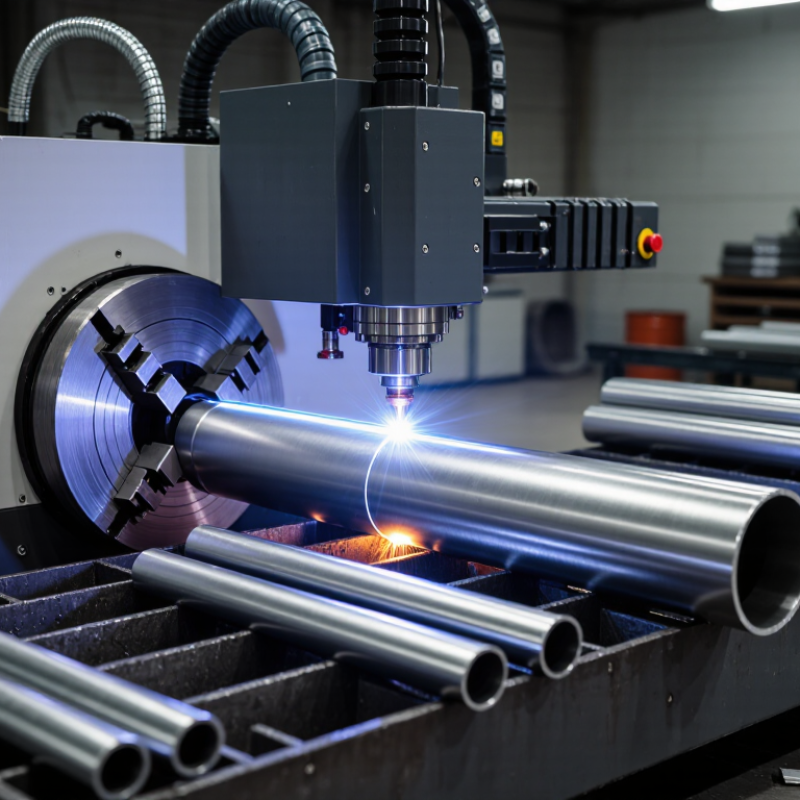
A Laser Tube Cutter shapes round, square, and rectangular metal profiles with a focused beam. It can cut openings, slots, and angled ends without changing tools for every feature. In a workshop, the process may begin with a steel tube resting in a loading rack. A chuck grips and rotates it as the cutting head follows the programmed path. The beam melts or vaporizes a narrow strip of material, while assist gas clears the cut. Small details matter: tube alignment, wall thickness, and focus can all affect edge quality.

The machine combines a laser source, motion controls, a rotary chuck, and software that interprets the part design. Laser technology expert Dr. Reinhart Poprawe is known for his work in laser processing. A verified, topic-specific quotation from him was not available for this introduction, so I will not invent one. A useful summary of the engineering principle is this: precision depends on coordinating energy, motion, and material response. That is a paraphrase, not a direct quotation.

The next sections explain how the machine handles a tube, turns a digital design into tool movement, and produces each cut. They also cover practical limits, including material choice, tube geometry, and setup quality. Not every cut comes out perfect. Burrs, heat marks, or slight dimensional variation can still appear, especially when settings or fixtures are poorly matched. Understanding the process helps buyers and operators ask better questions before production begins.
What Is a Laser Tube Cutter and How Does It Work?

What Is a Laser Tube Cutter?

A laser tube cutter is a computer-controlled machine that cuts hollow metal sections with a focused laser beam. It can process round, square, and rectangular tubes, along with some custom profiles. A chuck grips and rotates the tube while the cutting head follows programmed paths. The beam heats a small area until the material separates, and assist gas helps clear molten metal. The machine can create holes, slots, notches, and angled ends without changing tools for each feature. It is not magic. Material type, wall thickness, focus, and setup all affect the cut.

In practice, an operator loads the tube, checks its dimensions, and enters or imports a cutting layout. Sensors and software can help locate the workpiece, but a bent or dented tube may still cause errors. That detail is easy to underestimate. Tube cutting can reduce manual measuring and trimming, though parts still need inspection. It is especially useful when several features must line up accurately along one piece.

Tips: Check the tube’s actual size and wall thickness before cutting. Secure it firmly, and test unfamiliar settings on a short offcut. Inspect for burrs and heat discoloration before assembly.

What Are the Main Components of a Laser Tube Cutter?

A laser tube cutter combines a focused beam with a system that holds and rotates hollow metal sections. Its components work together to keep the beam aligned as the tube moves. That coordination matters.

The laser source generates the energy used to cut, while the cutting head focuses it through a lens and directs it toward the tube. A nozzle surrounds the beam and delivers assist gas to clear molten material from the cut. The head must stay at a suitable distance from the surface; even a small gap change can affect cut quality. Not just the laser.

A chuck or clamping unit grips the tube and rotates it, while a support bed limits sagging along longer pieces. The motion system moves the head or tube along programmed paths. A controller coordinates these movements and adjusts settings such as speed and power. Sensors may detect the tube’s position or help maintain focus. An extraction system removes smoke and fine particles from the cutting area.

Each machine arranges these parts a little differently. In practice, setup still matters: a poorly supported tube can wobble, leaving uneven edges. Small details count. Operators should check alignment, clamps, and consumables before cutting, since component wear can change results over time.

What Is a Laser Tube Cutter and How Does It Work?

Main Components in the Cutting Workflow

A CNC controller coordinates the tube chuck and motion system with the laser. The laser source generates the beam, which travels through beam-delivery optics to the cutting head. The focused beam and assist gas cut the tube. The numbers show functional workflow order, not component performance; several systems operate together during cutting.

How Does a Laser Tube Cutter Process Tubes Step by Step?

What Is a Laser Tube Cutter and How Does It Work?

How Does a Laser Tube Cutter Process Tubes Step by Step?

A laser tube cutter uses a focused beam to cut profiles into metal tubing. The operator loads a straight tube onto support rollers and secures it in a chuck. The cutting program usually comes from a CAD drawing. Before cutting, the operator checks the tube’s material, diameter, and wall thickness. These details affect focus, speed, and power settings. Small errors matter.

The machine aligns the tube and positions the cutting head. Depending on its design, the chuck rotates the tube, or a feed system moves it through the machine. The laser pierces the wall, then follows the programmed path to create slots, holes, or shaped ends. Assist gas clears molten material from the cut. Sensors may monitor positioning, but they cannot correct every setup problem. A test cut can expose issues that looked fine on screen.

Tips: Check that the tube is seated evenly before starting. Remove scale or oil near the cutting area when needed. Inspect the first cut for burrs and rough edges. If results differ across the tube, pause and recheck alignment and settings. A perfect drawing does not guarantee a perfect part.

Which Tube Materials and Shapes Can It Cut?

A laser tube cutter can process many common metals, but the result depends on the laser source, power, wall thickness, and setup. Mild steel and stainless steel are frequent choices. Aluminum, brass, and copper can also be cut on suitable systems, though reflective metals need careful process control. Not every tube behaves alike. A thin stainless tube may cut cleanly, while a thicker section of the same alloy can need slower settings and more heat management.

The shape matters too. Round, square, and rectangular tubing are widely used, and some machines can handle oval or other formed profiles. A chuck rotates the tube as the cutting head follows the programmed path. This allows holes, slots, and angled ends to be cut without moving the workpiece by hand. Fit matters. Tubes must be held securely and aligned; otherwise, features can land slightly off position.

Open profiles and unusual shapes may be possible, but compatibility depends on the machine’s chuck and support system. Small-diameter tubes can flex, while long sections may sag if they lack support. Cut quality also varies with alloy, surface finish, and assist-gas settings.

A sample cut is worth the time. It can reveal burrs, heat marks, or distortion before a full production run. A material list alone rarely tells the whole story.

Where Are Laser Tube Cutters Commonly Used?

A laser tube cutter uses a focused beam and programmed movement to cut round, square, or rectangular metal profiles. The machine can also make slots and holes before a tube is assembled. This helps shops produce repeatable parts with fewer manual cutting steps. The exact result depends on tube thickness, material, machine setup, and how securely the tube is held.

These cutters are common in furniture manufacturing, where steel or aluminum frames need clean joints and accurately placed openings. A chair leg, for example, may require an angled end and a mounting hole in the same section of tube. Automotive suppliers use cut profiles for seat structures, exhaust components, and other formed assemblies. Fitness equipment makers also use them for frames, handles, and support bars. Small details matter.

Construction and agricultural equipment manufacturers cut tubes for railings, structural supports, and machine frames. In each case, accurate cuts can reduce fitting and welding adjustments later. Less rework. Still, a laser cutter does not guarantee a perfect assembly. Thin walls can deform, and poorly chosen settings may leave rough edges or excess heat marks. Operators need to check sample parts and adjust the program when the material or design changes. Not every shop needs one. It is most useful when production involves many tube parts or repeated, precise features.

What Is a Laser Tube Cutter and How Does It Work? — Where Are Laser Tube Cutters Commonly Used?

Category Typical Material or Profile How It Works or Common Cutting Operations Common Parts and Applications Why Laser Tube Cutting Is Used
Basic process Metal tubes and structural profiles, including round, square, and rectangular sections A focused laser beam melts or vaporizes material along a programmed path. Assist gas helps clear molten material from the cut. The tube is positioned and rotated so the beam can cut around its surface. Cut-to-length sections, openings, slots, miters, and shaped ends It can produce precise features in multiple sides of a tube without requiring a separate tool for each profile.
Construction and structural fabrication Commonly carbon steel and stainless steel tubes; round, square, and rectangular profiles Cutting to length, angled ends, bolt holes, slots, and connection features Frames, supports, railings, trusses, and structural assemblies Accurate, repeatable cuts can help prepare profiles for fitting and welding.
Automotive and transport equipment Steel, stainless steel, and aluminum tubes or formed profiles Cutting holes, notches, contours, and end shapes in production components Seat structures, chassis-related parts, exhaust components, and vehicle frames Programmed cutting supports consistent part geometry and can reduce secondary machining for suitable designs.
Furniture and display products Steel, stainless steel, or aluminum round and rectangular tubing Cutting leg angles, joints, mounting holes, and decorative openings Chair and table frames, shelving, display stands, and store fixtures Complex joints and openings can be cut directly into the tube, supporting efficient assembly.
HVAC and fluid-handling equipment Metal tubes and profiles selected for the system and operating environment Cutting branch openings, ports, slots, and tube ends Duct supports, equipment frames, manifolds, and piping-related components Accurate openings can help components align during fabrication; application suitability depends on the material and design.
Agricultural and construction machinery Often carbon steel tubing and structural profiles Cutting reinforced joints, mounting holes, notches, and angled ends Machine frames, guards, booms, and equipment supports It is useful for producing repeatable features in robust tubular components.
Fitness and recreation equipment Steel or aluminum tubing, including round and oval profiles Cutting frame joints, adjustment holes, slots, and end contours Exercise equipment frames, bicycle components, and recreational structures Precisely cut joints can simplify fit-up and help maintain consistency across batches.
Material considerations Commonly cut metals include carbon steel, stainless steel, and aluminum; some systems can process other suitable metals Cut quality depends on material type, wall thickness, profile geometry, laser power, assist gas, and machine setup. Applications range from light-gauge components to heavier fabricated parts, within the machine’s rated capacity Material and thickness limits vary by machine, so cutting parameters should be selected for the specific job.
Copyright 2025 Fluidra S.A. | Created by BCM Marketing Agencia Privacy Policy Legal note | Cookie policy |

Technical cookies are strictly necessary for our website to work and you can navigate through it. These types of cookies are those that, for example, allow us to identify you, give you access to certain restricted parts of the page if necessary, or remember different options or services already selected by you, such as your privacy preferences. Therefore, they are activated by default, your authorization not being necessary in this regard. Through the configuration of your browser, you can block or alert the presence of this type of cookies, although such blocking will affect the proper functioning of the different functionalities of our website.


The analysis cookies allow us to study the navigation of the users of our website in general (for example, which sections of the page are the most visited, which services are used most and if they work correctly, etc.). From the statistical information on navigation on our website, we can improve both the operation of the page itself and the different services it offers. Therefore, these cookies do not have an advertising purpose, but only serve to make our website work better, adapting to our users in general. By activating them you will contribute to this continuous improvement. You can enable or disable these cookies by checking the corresponding box, being disabled by default.


Functionality cookies allow us to remember your preferences, to personalize certain characteristics and general options of our website, every time you access it (for example, the language in which the information is presented to you, the sections marked as favorites, your browser type, etc.) Therefore, this type of cookies does not have an advertising purpose, but by activating them you will improve the functionality of the website (for example, adapting to your type of browser) and the customization of it based on your preferences (for example, by presenting the information in the language that you have chosen in previous occasions), which will contribute to the ease, usability and comfort of our page during your navigation. You can enable or disable these cookies by checking the corresponding box, being disabled by default.


Advertising cookies allow us to manage the advertising spaces included in our website based on criteria such as the content shown or the frequency in which the ads are displayed. For example, if you have been shown the same ad several times on our website, and you have not shown a personal interest by clicking on it, it will not appear again. In summary, by activating this type of cookies, the advertising shown on our website will be more useful and diverse, and less repetitive. You can enable or disable these cookies by checking the corresponding box, being disabled by default.


Behavioral advertising cookies allow us to obtain information based on the observation of your browsing habits and behaviors on the web, in order to show you advertising content that best suits your personal tastes and interests. To understand it in a very simple way, we will give you a fictitious example: if your last searches on the web were related to suspense literature, we would show you advertising about suspense books. Therefore, activating this type of cookies, the advertising that we show you on our website will not be generic, but will be oriented to your searches, tastes and interests, therefore adjusting exclusively to you. You can enable or disable these cookies by checking the corresponding box, being disabled by default.
To understand it in a very simple way, we will give you a fictitious example: if your last searches on the web were related to suspense literature, we would show you advertising about suspense books. Therefore, activating this type of cookies, the advertising that we show you on our website will not be generic, but will be oriented to your searches, tastes and interests, therefore adjusting exclusively to you. You can enable or disable these cookies by checking the corresponding box, being disabled by default.

SAVE

We use our own and third-party cookies to ensure the proper functioning of the website and to analyse our services, improve your experience on our website and show you advertisements related to your interests according to profiling based on your browsing habits (e.g. websites visited). You can accept all cookies by clicking "ACCEPT" or set or reject them by clicking here. If you would like to know more about the use of cookies, please see our COOKIE POLICY.


ACCEPT ALL
Reject no essentials


