
What is an Industrial Sprocket and How Does It Work?
FLUID HANDLING EXPERTS

Blog, all our news

What is an Industrial Sprocket and How Does It Work?

Industrial Sprockets play a crucial role in machinery and transportation systems. Renowned expert Dr. Michael Thompson, a mechanical engineer, states, “An industrial sprocket is the unsung hero of any power transmission system.” These components transfer motion and force to various machine parts. Understanding their function is vital for engineers and technicians alike.

Sprockets come in various sizes and materials, tailored for specific tasks. They often work in tandem with chains, creating a reliable movement. However, improper alignment can lead to inefficiency and wear. Stability must be prioritized, as a slight deviation can cause significant issues down the line.

Each industrial sprocket installation presents unique challenges. Maintenance and precision are essential for optimal performance. Experts stress that even minor miscalculations can disrupt machinery, leading to unexpected downtime. Reflecting on these aspects helps professionals appreciate the intricacies of sprocket design and usage in industrial settings.
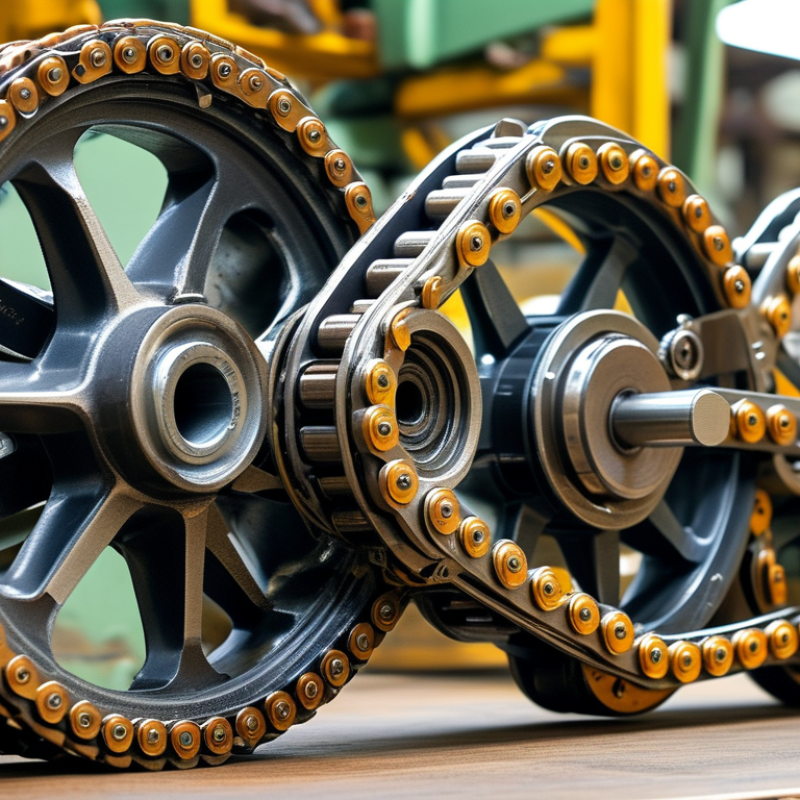
What is an Industrial Sprocket and How Does It Work?

What is an Industrial Sprocket?

An industrial sprocket is a critical component in many machinery systems. It functions as a toothed wheel that engages with a chain or belt to transmit motion and power. Generally made from sturdy materials like steel or high-strength plastic, sprockets differ in size and tooth count. Each design serves specific applications, from conveyors to automotive systems.

The operation of a sprocket is relatively straightforward. When the chain wraps around the sprocket, it engages with the teeth. This engagement allows rotational motion to transfer from the motor to the driven components. However, proper alignment and maintenance are essential. Misalignment can lead to rapid wear or failure. Additionally, not all sprockets work optimally in every environment. Factors like dirt, corrosion, and lubrication play significant roles in their performance.

Understanding the importance of industrial sprockets involves recognizing their potential pitfalls. For instance, using the wrong size or type can hinder efficiency. Regular inspection is vital, yet it’s often overlooked. Many users may not realize the impact of a worn-out sprocket until it causes downtime. This highlights the need for ongoing education about maintenance best practices.

Industrial Sprocket Usage in Various Industries

The Anatomy of a Sprocket: Design and Components

Sprockets are essential components in many mechanical systems, particularly in industrial machinery. They feature teeth that engage with a chain or belt, facilitating movement. Understanding the anatomy of a sprocket helps in appreciating its vital role. Generally, a sprocket consists of several key parts: the body, teeth, and a central hub.

The body of a sprocket is typically made from durable materials, such as steel or plastic. It provides a robust structure that can withstand the stress of continuous operation. The teeth are crucial for engaging with the chain. They come in various shapes, including rounded and square, to suit different applications. Over time, these teeth can wear down, leading to reduced efficiency. Thus, regular inspection is crucial to maintain optimal performance.

The central hub is where the sprocket attaches to the motor shaft or other components. Its design can greatly affect the overall efficiency of the system. If improperly aligned, the sprocket may cause noise or vibration, indicating potential issues. While a sprocket seems simple, its engineering involves intricate details. These details require careful consideration when designing or replacing these components, as they directly impact machinery operation. Understanding these aspects can enhance reliability and prevent costly downtime.

How Sprockets Function in Machinery Systems

Sprockets are critical components in machinery systems, facilitating the transfer of rotational motion. They mesh with chains or belts, ensuring smooth operation. When a drive shaft rotates the sprocket, it in turn moves a connected chain. This interaction converts power into motion, which drives various machinery.

In industrial settings, sprockets are used in conveyor systems, automated assembly lines, and more. According to a 2022 report by the Machinery Industry Association, the efficiency rate of chain-driven systems can exceed 95%. This high performance highlights why understanding sprocket function is vital for optimizing operations.

Tips: Regular maintenance can prevent wear and tear. Inspect sprockets for deformation or misalignment. A small issue can lead to system failure.

Sprocket design varies based on the application. Different tooth profiles, materials, and configurations affect performance. Many industries favor steel for durability, yet plastic options exist for lighter loads. However, choosing the wrong type can reduce efficiency and increase costs, emphasizing the need for careful selection.

Types of Industrial Sprockets and Their Applications

Industrial sprockets come in various types, each tailored for specific applications. Roller sprockets are common in conveyor systems, facilitating the movement of materials efficiently. These sprockets feature teeth that engage with roller chains, offering reliable transmission. They are often made of durable steel to withstand rigorous conditions.

Another type is the silent chain sprocket, designed for quieter operations. These sprockets work with silent chains, reducing noise in environments like automotive and machinery. Their unique tooth design allows for smoother engagement, minimizing wear. However, they can be more expensive, leading to considerations of cost vs. benefit.

Then we have the specialty sprockets. They cater to unique applications, such as those found in robotics or automation. Their designs may vary significantly, depending on the specific needs of a system. While these sprockets add flexibility, they can also introduce complexities during installation and maintenance. Therefore, careful planning and expertise are essential.

Maintenance and Troubleshooting of Industrial Sprockets

Industrial sprockets are crucial components in machinery, transferring power through chains. Regular maintenance is essential for their longevity. A study from the Association of American Railroads indicates that improper maintenance can reduce sprocket lifespan by up to 30%. This statistic highlights the importance of understanding maintenance practices.

Inspecting sprockets regularly is vital. Look for signs of wear such as distorted teeth or unusual noise during operation. Lubrication is often overlooked but is critical. A well-lubricated sprocket reduces friction, which can lead to overheating. Inadequate lubrication can result in a loss of efficiency and mechanical failure.

Troubleshooting is equally important. If you notice a misalignment, it can lead to accelerated wear and uneven power distribution. Addressing these issues early can prevent further damage. Furthermore, keeping a maintenance log might uncover patterns in failures, providing insights for improvement. Engaging in proactive maintenance not only enhances efficiency but also contributes to safety in the workplace.

Copyright 2025 Fluidra S.A. | Created by BCM Marketing Agencia Privacy Policy Legal note | Cookie policy |

Technical cookies are strictly necessary for our website to work and you can navigate through it. These types of cookies are those that, for example, allow us to identify you, give you access to certain restricted parts of the page if necessary, or remember different options or services already selected by you, such as your privacy preferences. Therefore, they are activated by default, your authorization not being necessary in this regard. Through the configuration of your browser, you can block or alert the presence of this type of cookies, although such blocking will affect the proper functioning of the different functionalities of our website.


The analysis cookies allow us to study the navigation of the users of our website in general (for example, which sections of the page are the most visited, which services are used most and if they work correctly, etc.). From the statistical information on navigation on our website, we can improve both the operation of the page itself and the different services it offers. Therefore, these cookies do not have an advertising purpose, but only serve to make our website work better, adapting to our users in general. By activating them you will contribute to this continuous improvement. You can enable or disable these cookies by checking the corresponding box, being disabled by default.


Functionality cookies allow us to remember your preferences, to personalize certain characteristics and general options of our website, every time you access it (for example, the language in which the information is presented to you, the sections marked as favorites, your browser type, etc.) Therefore, this type of cookies does not have an advertising purpose, but by activating them you will improve the functionality of the website (for example, adapting to your type of browser) and the customization of it based on your preferences (for example, by presenting the information in the language that you have chosen in previous occasions), which will contribute to the ease, usability and comfort of our page during your navigation. You can enable or disable these cookies by checking the corresponding box, being disabled by default.


Advertising cookies allow us to manage the advertising spaces included in our website based on criteria such as the content shown or the frequency in which the ads are displayed. For example, if you have been shown the same ad several times on our website, and you have not shown a personal interest by clicking on it, it will not appear again. In summary, by activating this type of cookies, the advertising shown on our website will be more useful and diverse, and less repetitive. You can enable or disable these cookies by checking the corresponding box, being disabled by default.


Behavioral advertising cookies allow us to obtain information based on the observation of your browsing habits and behaviors on the web, in order to show you advertising content that best suits your personal tastes and interests. To understand it in a very simple way, we will give you a fictitious example: if your last searches on the web were related to suspense literature, we would show you advertising about suspense books. Therefore, activating this type of cookies, the advertising that we show you on our website will not be generic, but will be oriented to your searches, tastes and interests, therefore adjusting exclusively to you. You can enable or disable these cookies by checking the corresponding box, being disabled by default.
To understand it in a very simple way, we will give you a fictitious example: if your last searches on the web were related to suspense literature, we would show you advertising about suspense books. Therefore, activating this type of cookies, the advertising that we show you on our website will not be generic, but will be oriented to your searches, tastes and interests, therefore adjusting exclusively to you. You can enable or disable these cookies by checking the corresponding box, being disabled by default.

SAVE

We use our own and third-party cookies to ensure the proper functioning of the website and to analyse our services, improve your experience on our website and show you advertisements related to your interests according to profiling based on your browsing habits (e.g. websites visited). You can accept all cookies by clicking "ACCEPT" or set or reject them by clicking here. If you would like to know more about the use of cookies, please see our COOKIE POLICY.


ACCEPT ALL
Reject no essentials


