
What is Hydraulic Directional Control Valve and How Does It Work?
FLUID HANDLING EXPERTS

Blog, all our news

What is Hydraulic Directional Control Valve and How Does It Work?

The Hydraulic Directional Control Valve is a crucial component in hydraulic systems. This device directs fluid flow, allowing machines to operate efficiently. As hydraulic expert Dr. John Smith states, “A well-functioning hydraulic directional control valve can change the game in precision engineering.” His insights highlight the valve's importance in controlling various machinery functions.

In hydraulic applications, the directional control valve influences performance significantly. It can determine the movement direction of hydraulic actuators and regulate fluid flow. Understanding its mechanism helps engineers design systems that are both effective and reliable. While many systems operate smoothly, the potential for malfunction exists. Regular maintenance and testing are essential for optimal performance.

Despite advancements, some challenges remain in hydraulic systems. Users often overlook the importance of these valves until issues arise. Therefore, evaluating the Hydraulic Directional Control Valve's conditions is critical for sustained operation. Engaging with industry experts can improve system reliability and efficiency.
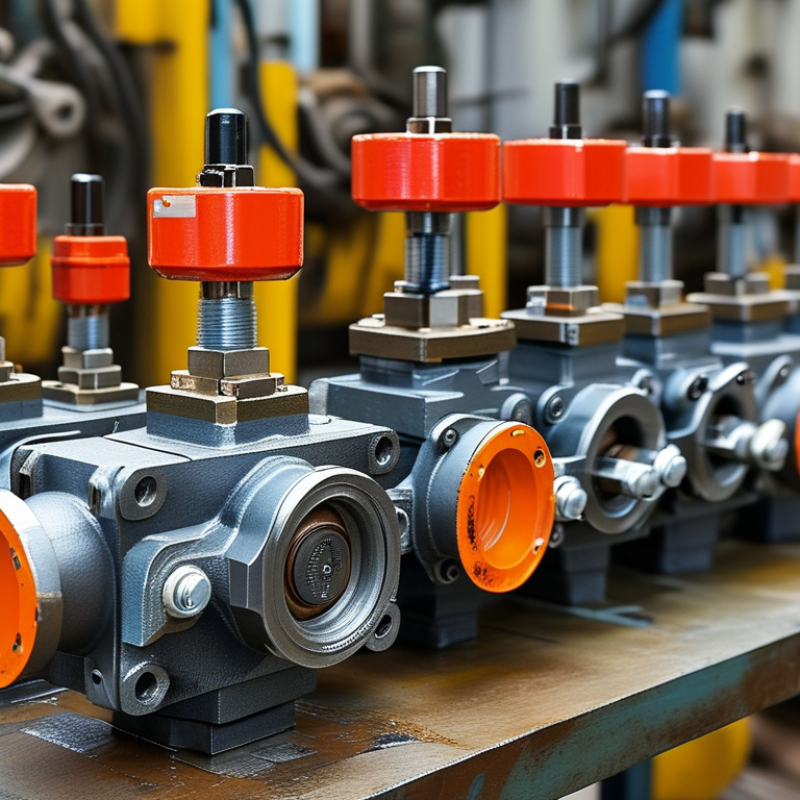
What is Hydraulic Directional Control Valve and How Does It Work?

What is a Hydraulic Directional Control Valve?

A hydraulic directional control valve is a vital component in fluid power systems. It directs the flow of hydraulic fluid to various actuators or components. This functionality is essential in machinery, ensuring efficient operation. According to industry reports, these valves can optimize performance by up to 30%, enhancing energy use in hydraulic setups.

Typically, directional control valves feature various ports and actuators. The most common configurations include 2-way, 3-way, and 4-way valves. Each of these controls fluid in different ways. For example, a 4-way valve is crucial in systems that require complex movements, such as hydraulic cylinders. Many operators overlook the importance of selecting the right valve type, which can lead to reduced efficiency and potential system failures.

Understanding the operation of these valves is crucial. They utilize spool mechanisms to control flow paths. These spools can be manually operated or automated using solenoids. Improper adjustments or malfunctions can lead to unanticipated movement or system inefficiencies. Maintenance strategies should include regular checks for leaks and proper alignment to ensure longevity and reliability. This attention to detail can prevent costly breakdowns and enhance overall system performance.

Key Components of Hydraulic Directional Control Valves

Hydraulic directional control valves are essential in hydraulic systems. They direct fluid flow to different actuators. Understanding their key components is crucial for effective functioning.

The main components include the spool, actuator, and spring. The spool controls the flow paths. It moves inside the valve body. The actuator, often hydraulic, moves the spool based on input signals. Springs ensure the spool returns to a neutral position when not activated.

Tips: Regular maintenance of these parts enhances performance. Check for wear and tear. Replace worn seals promptly to avoid leaks. Keep the system clean to prevent dirt accumulation, which can cause malfunctions.

People often overlook the importance of proper calibration. An improperly calibrated valve can lead to erratic flow and damage. Adjustments should be tested thoroughly. Furthermore, ensure compatibility of the valve with the rest of your hydraulic system. This attention to detail can prevent future complications.

Types of Hydraulic Directional Control Valves and Their Functions

Hydraulic directional control valves are essential components in hydraulic systems. They direct the flow of hydraulic fluid and control the movement of actuators. There are several types of these valves, and each serves a unique purpose. Common types include spool valves, poppet valves, and rotary valves. Each type has distinct structures and applications.

Spool valves are popular for their versatility. They have a sliding spool that moves to open or block different ports. This design allows for multiple paths of fluid flow, making them ideal for complex machines. Poppet valves, on the other hand, function like a light switch. They either fully open or close, providing clear flow control. They are simpler and often used for basic applications. Rotary valves utilize a rotating mechanism to manage flow, often seen in applications requiring precise control.

Understanding these different types is crucial. Each valve has a specific function and must be chosen based on the application needs. Mistakes in selecting a valve can lead to inefficiencies or damage. Therefore, proper knowledge and application are essential in hydraulic system design.

Operating Principles of Hydraulic Directional Control Valves

Hydraulic directional control valves are crucial in directing fluid flow within a hydraulic system. These valves ensure the correct operation of hydraulic components, such as cylinders and motors. They manage the flow path, allowing for precise control over machinery movement.

The operating principles of these valves are based on the concept of changing the direction of hydraulic fluid. When activated, the valve shifts to open or close specific flow paths. This action can occur using manual levers, solenoids, or pilot pressure. Each method affects how quickly and accurately the valve responds.

A common challenge is ensuring the valve operates smoothly over time. Wear and tear can lead to inefficiencies. Regular maintenance is essential to keep the system performing well. Users should remain vigilant for signs of leakage or sticking, which can impact the overall performance. Understanding these nuances can help in troubleshooting issues effectively, and it serves as a reminder of the importance of regular inspection in hydraulic systems.

Hydraulic Directional Control Valve Performance Analysis

This chart illustrates the flow rate (in liters per minute) of various hydraulic directional control valves (Valve A, Valve B, Valve C, Valve D) tested at different pressure levels (in bar).

Applications of Hydraulic Directional Control Valves in Various Industries

Hydraulic directional control valves play a crucial role in many industries. They manage the flow of hydraulic fluid to various actuators and tools. These valves can change the direction of flow in a hydraulic system, allowing for better control of machinery. For example, in construction, these valves enable heavy equipment, like excavators, to move efficiently. Operators can manipulate levers to adjust movements, achieving precise control over heavy loads.

In manufacturing, these valves are essential for automated machines. They change the flow direction quickly and accurately. This ensures the machinery operates smoothly. However, not all systems work perfectly. Some may experience leaks or failures over time. Routine maintenance is often necessary to avoid costly downtime. The performance of these valves can vary based on installation and environmental conditions.

In agriculture, hydraulic directional control valves are essential for tractors and other equipment. They help in lifting, plowing, and tilling. These applications enhance productivity and efficiency. Still, the design of these valves can be complex. This complexity may lead to operational challenges. Users must understand the system thoroughly. Proper training and knowledge will lead to better outcomes in various applications.

Copyright 2025 Fluidra S.A. | Created by BCM Marketing Agencia Privacy Policy Legal note | Cookie policy |

Technical cookies are strictly necessary for our website to work and you can navigate through it. These types of cookies are those that, for example, allow us to identify you, give you access to certain restricted parts of the page if necessary, or remember different options or services already selected by you, such as your privacy preferences. Therefore, they are activated by default, your authorization not being necessary in this regard. Through the configuration of your browser, you can block or alert the presence of this type of cookies, although such blocking will affect the proper functioning of the different functionalities of our website.


The analysis cookies allow us to study the navigation of the users of our website in general (for example, which sections of the page are the most visited, which services are used most and if they work correctly, etc.). From the statistical information on navigation on our website, we can improve both the operation of the page itself and the different services it offers. Therefore, these cookies do not have an advertising purpose, but only serve to make our website work better, adapting to our users in general. By activating them you will contribute to this continuous improvement. You can enable or disable these cookies by checking the corresponding box, being disabled by default.


Functionality cookies allow us to remember your preferences, to personalize certain characteristics and general options of our website, every time you access it (for example, the language in which the information is presented to you, the sections marked as favorites, your browser type, etc.) Therefore, this type of cookies does not have an advertising purpose, but by activating them you will improve the functionality of the website (for example, adapting to your type of browser) and the customization of it based on your preferences (for example, by presenting the information in the language that you have chosen in previous occasions), which will contribute to the ease, usability and comfort of our page during your navigation. You can enable or disable these cookies by checking the corresponding box, being disabled by default.


Advertising cookies allow us to manage the advertising spaces included in our website based on criteria such as the content shown or the frequency in which the ads are displayed. For example, if you have been shown the same ad several times on our website, and you have not shown a personal interest by clicking on it, it will not appear again. In summary, by activating this type of cookies, the advertising shown on our website will be more useful and diverse, and less repetitive. You can enable or disable these cookies by checking the corresponding box, being disabled by default.


Behavioral advertising cookies allow us to obtain information based on the observation of your browsing habits and behaviors on the web, in order to show you advertising content that best suits your personal tastes and interests. To understand it in a very simple way, we will give you a fictitious example: if your last searches on the web were related to suspense literature, we would show you advertising about suspense books. Therefore, activating this type of cookies, the advertising that we show you on our website will not be generic, but will be oriented to your searches, tastes and interests, therefore adjusting exclusively to you. You can enable or disable these cookies by checking the corresponding box, being disabled by default.
To understand it in a very simple way, we will give you a fictitious example: if your last searches on the web were related to suspense literature, we would show you advertising about suspense books. Therefore, activating this type of cookies, the advertising that we show you on our website will not be generic, but will be oriented to your searches, tastes and interests, therefore adjusting exclusively to you. You can enable or disable these cookies by checking the corresponding box, being disabled by default.

SAVE

We use our own and third-party cookies to ensure the proper functioning of the website and to analyse our services, improve your experience on our website and show you advertisements related to your interests according to profiling based on your browsing habits (e.g. websites visited). You can accept all cookies by clicking "ACCEPT" or set or reject them by clicking here. If you would like to know more about the use of cookies, please see our COOKIE POLICY.


ACCEPT ALL
Reject no essentials


