
How to Drink Water Properly Every Day?
FLUID HANDLING EXPERTS

Blog, all our news

How to Drink Water Properly Every Day?

How to Drink Water Properly Every Day? begins with a simple question: are you drinking because your body needs water, or because a schedule tells you to? For most healthy adults, hydration depends on body size, climate, exercise, diet, and health status. A warm afternoon walk can increase fluid needs. A salty meal may leave your mouth dry. Your body gives useful signals, but people sometimes ignore them.

Hydration researcher Dr. Tamara Hew-Butler offers practical guidance: “Thirst is an excellent guide for most healthy people.” This idea challenges the belief that everyone must drink the same fixed amount daily. Drink Water regularly, but avoid treating hydration as a competition. Small amounts throughout the day may feel easier than forcing several glasses at once. Keep a bottle nearby. Take a few sips with meals. Check whether your urine is unusually dark, while remembering that food, supplements, and medication can change its color.

There is no perfect routine.

Even careful advice has limits. People who exercise intensely, work in heat, or have heart, kidney, or liver conditions may need individual guidance from a qualified healthcare professional. Drinking excessive water can also be unsafe. That detail deserves attention, because “more” does not always mean “better.” A realistic plan leaves room for missed glasses, busy mornings, and changing needs. The goal is not perfection. It is noticing your body earlier and building a dependable daily habit.
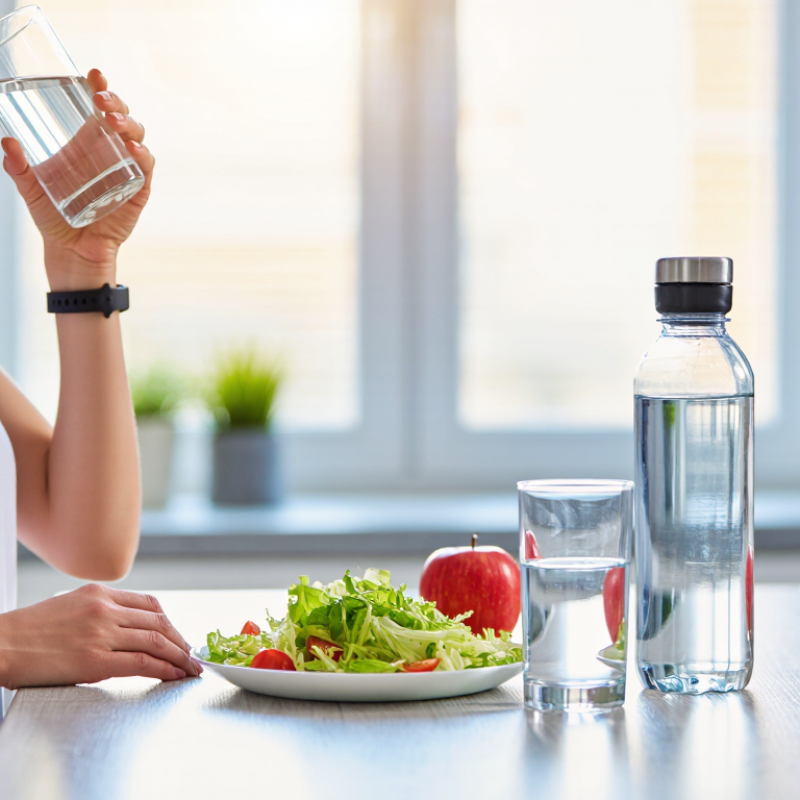
How to Drink Water Properly Every Day?

Understanding the Body’s Daily Water Needs

How to Drink Water Properly Every Day

Daily water needs are not identical for everyone. Body size, temperature, exercise, diet, pregnancy, and illness can change them. Water comes from drinks and moisture-rich foods, not beverages alone. Public health guidance often suggests using thirst as a practical guide. Still, thirst may arrive late during intense exercise or hot weather. Your kidneys also regulate water balance, but they cannot correct careless drinking instantly.

I keep a glass near my desk and drink with meals. Small, regular amounts feel easier than forcing a large bottle at night. Check your urine occasionally. Pale yellow usually suggests reasonable hydration, while very dark urine may signal a need for more fluids. Completely clear urine all day is not a goal. It can reflect excessive intake.

During a long walk, I drink more often and watch for dry lips, headache, or unusual fatigue. Water alone may not replace every electrolyte lost through heavy sweating, especially during prolonged activity. Medical conditions can change fluid advice, so individual guidance matters.

I used to chase a fixed daily number, but that habit was too rigid. Some days, I probably drink less than ideal. That small admission helps me notice patterns instead of pretending one target fits every body.

Choosing the Right Amount of Water to Drink

Choosing the right amount of water starts with your body, not a fixed bottle target.

The National Academies’ dietary reference report estimates 3.7 liters of total water daily for men and 2.7 liters for women.

This includes water from drinks and food. About 20% often comes from meals, such as soup, fruit, and vegetables.

These figures are population averages, not personal prescriptions.

Your needs rise during exercise, hot weather, pregnancy, breastfeeding, fever, or diarrhea. An hour of outdoor activity can leave your shirt visibly damp. Drink regularly instead of waiting for intense thirst.

Pale-yellow urine can offer a rough hydration clue, but it is not a laboratory test.

The European Food Safety Authority lists adequate total water intake at about 2.5 liters for adult men and 2.0 liters for adult women under moderate conditions. Health conditions can change those needs, so medical advice matters.

I used to drink too much at once. It made me feel uncomfortable, not healthier.

Smaller servings worked better:

water with breakfast

a glass beside the computer

and extra fluids after sweating.

Avoid forcing large volumes quickly. Excessive intake can disturb blood sodium levels, although this is uncommon.

I still misjudge hot days sometimes. That is the part worth reviewing: thirst, urine color, activity, climate, and meals should guide adjustments together.

Building a Consistent Daily Hydration Routine

A consistent hydration routine works better than drinking large amounts at once. Keep water within reach during normal daily activities. A glass beside your bed can start the morning gently. Another can sit near your workspace. Small reminders help, but thirst still matters.

I used to wait until I felt thirsty, especially during busy afternoons. That habit often left me with a dry mouth and a dull headache. Now, I drink with regular moments, such as breakfast, lunch, and after exercise. I take small sips instead of forcing a full bottle quickly. This feels easier on my stomach. It also makes the routine more realistic.

Daily needs vary with body size, weather, activity, diet, pregnancy, and health conditions. Someone walking outdoors in hot weather may need more fluids than someone working indoors. Water from foods, including soup, fruit, and vegetables, also contributes. Pale yellow urine can suggest adequate hydration, but it is not a perfect test. Some medicines and health conditions change urine color or fluid needs. Ask a qualified healthcare professional for personal guidance when necessary. Do not treat hydration as a competition. On difficult days, my routine still slips. Adjusting the plan works better than abandoning it.

How to Drink Water Properly Every Day?

Building a Consistent Daily Hydration Routine

How to use this benchmark: Sip water regularly throughout the day instead of drinking a large amount at once. The chart shows the National Academies' adequate intake values for total water and beverages for healthy adults. Total water includes drinking water, other beverages, and moisture from food. Individual needs can increase with exercise, hot weather, pregnancy, or breastfeeding.

Source: National Academies of Sciences, Engineering, and Medicine, Dietary Reference Intakes for Water, Potassium, Sodium, Chloride, and Sulfate.

Drinking Water Safely Throughout the Day

How to Drink Water Properly Every Day?

Safe hydration begins with the water’s source, not the size of your glass. The World Health Organization’s Guidelines for Drinking-water Quality identifies microbial contamination as an immediate public-health concern. In 2022, about 2.2 billion people lacked safely managed drinking water, according to the WHO/UNICEF Joint Monitoring Programme. Use a maintained supply, and follow local advisories after flooding or pipe repairs. Store water in a clean, covered container, away from sunlight, chemicals, and the floor. Wash the container regularly. Clear water is not always safe.

Drink modest amounts across the day instead of waiting for intense thirst. The National Academies estimates total daily water intake at about 3.7 litres for men and 2.7 litres for women. These figures include water from food and all beverages. Heat, exercise, fever, pregnancy, and dry indoor air can increase needs. A bottle beside your workstation can support regular sipping, but it should not become a rigid target. Pale-yellow urine may offer a useful clue, though it is not a medical test.

Avoid forcing large volumes quickly. Excessive water intake can dilute blood sodium and become dangerous. People with kidney, heart, or liver conditions should seek individualized medical guidance. This routine is practical, but imperfect. I might still forget during a busy afternoon. A reminder helps, while common sense matters more than chasing an exact number.

Recognizing Signs of Dehydration and Overhydration

How to Drink Water Properly Every Day: Recognizing Signs of Dehydration and Overhydration

Thirst is useful, but it is not always an early warning. Dry mouth, headache, dark-yellow urine, dizziness, fatigue, and reduced urination can signal dehydration. The Centers for Disease Control and Prevention recommends checking urine color as one practical clue, although medicines and some foods can change it. During heat, illness, or exercise, sip regularly rather than waiting until thirst feels intense. Small, steady amounts are easier to manage.

Water needs differ between people. The National Academies’ Dietary Reference Intakes report estimates total daily water intake at about 3.7 liters for men and 2.7 liters for women, including water from food and all beverages. These figures are not strict targets. Roughly one-fifth may come from foods such as fruit, soup, and vegetables. A fixed “eight glasses” rule can therefore mislead. Body size, climate, activity, pregnancy, and health conditions matter more than a popular number.

Overhydration deserves attention too. Drinking excessive amounts quickly can dilute blood sodium, causing nausea, headache, confusion, muscle cramps, or vomiting. The National Athletic Trainers’ Association advises athletes to avoid excessive drinking and to replace fluids according to individual losses. Clear urine all day is not automatically healthier. It may reflect unnecessary intake. This advice is practical, but imperfect; urine color alone cannot diagnose a medical problem. Seek urgent care for confusion, fainting, severe vomiting, or worsening symptoms, especially after heavy water intake.

Article Source:

Copyright 2025 Fluidra S.A. | Created by BCM Marketing Agencia Privacy Policy Legal note | Cookie policy |

Technical cookies are strictly necessary for our website to work and you can navigate through it. These types of cookies are those that, for example, allow us to identify you, give you access to certain restricted parts of the page if necessary, or remember different options or services already selected by you, such as your privacy preferences. Therefore, they are activated by default, your authorization not being necessary in this regard. Through the configuration of your browser, you can block or alert the presence of this type of cookies, although such blocking will affect the proper functioning of the different functionalities of our website.


The analysis cookies allow us to study the navigation of the users of our website in general (for example, which sections of the page are the most visited, which services are used most and if they work correctly, etc.). From the statistical information on navigation on our website, we can improve both the operation of the page itself and the different services it offers. Therefore, these cookies do not have an advertising purpose, but only serve to make our website work better, adapting to our users in general. By activating them you will contribute to this continuous improvement. You can enable or disable these cookies by checking the corresponding box, being disabled by default.


Functionality cookies allow us to remember your preferences, to personalize certain characteristics and general options of our website, every time you access it (for example, the language in which the information is presented to you, the sections marked as favorites, your browser type, etc.) Therefore, this type of cookies does not have an advertising purpose, but by activating them you will improve the functionality of the website (for example, adapting to your type of browser) and the customization of it based on your preferences (for example, by presenting the information in the language that you have chosen in previous occasions), which will contribute to the ease, usability and comfort of our page during your navigation. You can enable or disable these cookies by checking the corresponding box, being disabled by default.


Advertising cookies allow us to manage the advertising spaces included in our website based on criteria such as the content shown or the frequency in which the ads are displayed. For example, if you have been shown the same ad several times on our website, and you have not shown a personal interest by clicking on it, it will not appear again. In summary, by activating this type of cookies, the advertising shown on our website will be more useful and diverse, and less repetitive. You can enable or disable these cookies by checking the corresponding box, being disabled by default.


Behavioral advertising cookies allow us to obtain information based on the observation of your browsing habits and behaviors on the web, in order to show you advertising content that best suits your personal tastes and interests. To understand it in a very simple way, we will give you a fictitious example: if your last searches on the web were related to suspense literature, we would show you advertising about suspense books. Therefore, activating this type of cookies, the advertising that we show you on our website will not be generic, but will be oriented to your searches, tastes and interests, therefore adjusting exclusively to you. You can enable or disable these cookies by checking the corresponding box, being disabled by default.
To understand it in a very simple way, we will give you a fictitious example: if your last searches on the web were related to suspense literature, we would show you advertising about suspense books. Therefore, activating this type of cookies, the advertising that we show you on our website will not be generic, but will be oriented to your searches, tastes and interests, therefore adjusting exclusively to you. You can enable or disable these cookies by checking the corresponding box, being disabled by default.

SAVE

We use our own and third-party cookies to ensure the proper functioning of the website and to analyse our services, improve your experience on our website and show you advertisements related to your interests according to profiling based on your browsing habits (e.g. websites visited). You can accept all cookies by clicking "ACCEPT" or set or reject them by clicking here. If you would like to know more about the use of cookies, please see our COOKIE POLICY.


ACCEPT ALL
Reject no essentials


