
How to Choose a Flux Core Welder for Your Needs?
FLUID HANDLING EXPERTS

Blog, all our news

How to Choose a Flux Core Welder for Your Needs?

Choosing the right Flux Core Welder begins with the work, not the machine’s advertising claims. A weekend repair on a steel gate needs different capabilities than repeated fabrication on thick structural parts. Material thickness, joint position, available power, and expected workload should guide the decision.

I have seen beginners focus on amperage alone. That approach often disappoints. A welder rated for high output may still struggle with unstable wire feeding or a short duty cycle. Check the recommended wire diameter, voltage range, spool capacity, and duty cycle. A clear control panel also matters when gloves, dust, and poor lighting are involved. Small details count.

Portability can change everything. A compact unit may fit beside a pickup truck, while a heavier model can provide steadier output in a workshop. Gasless flux-cored wire handles outdoor drafts better than gas-shielded processes, but it creates more smoke, slag, and cleanup. Ventilation remains essential. Always follow the manufacturer’s instructions and use suitable eye, hand, and respiratory protection.

The cheapest option is not always economical. I learned that after replacing a worn liner and inconsistent contact tip sooner than expected. Still, expensive equipment does not guarantee better results. Compare reliable specifications, warranty support, replacement parts, and real user feedback. Think about your current projects, but leave room for skill growth. The right Flux Core Welder should feel manageable today and useful months later. Mistakes are part of learning. Good equipment should make them easier to understand, not harder to correct.
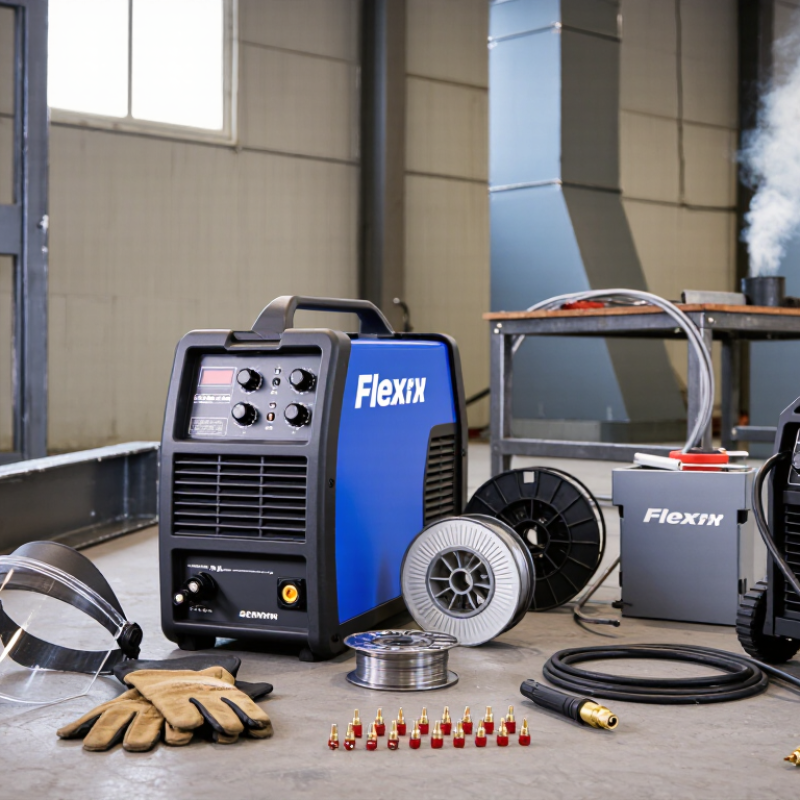
How to Choose a Flux Core Welder for Your Needs?

Define Your Flux Core Welding Requirements

Before choosing a flux core welder, define exactly what you will weld. Consider material type, thickness, joint design, and welding position. For light repairs on 3–6 mm steel, moderate amperage may be enough. Thicker plate requires greater output and a suitable duty cycle. Outdoor work also changes the decision. Wind can disturb shielding, even with flux-cored wire. You may need a machine with stable arc control and enough power for longer welds. Watch the duty cycle carefully. A compact welder may perform well briefly, then need cooling time. That assumption matters.

Your power supply is another practical requirement. Check available voltage, circuit capacity, and extension-cord length before buying. A machine that exceeds your circuit can cause nuisance trips or unsafe heating. Select wire diameter according to the steel thickness and expected weld size. Larger wire can improve deposition, but it may require higher current and better control. I recommend testing settings on scrap steel first. Run short beads, inspect penetration, and adjust travel speed. Poor results may come from technique, not equipment. Keep the workpiece clean and dry. Use suitable eye, hand, and body protection, and provide adequate ventilation for welding fumes. My first setup used too much wire speed, creating a rough, crowded bead. That mistake reminded me to record settings and change one variable at a time.

How to Choose a Flux Core Welder for Your Needs? - Define Your Flux Core Welding Requirements

Requirement Typical Welding Need Recommended Welder Specification Why It Matters
Primary flux core process Outdoor repairs, structural maintenance, or general fabrication Choose a machine that supports self-shielded FCAW; add gas-shielded FCAW capability if cleaner welds and indoor work are also required. Self-shielded wire is less affected by wind, while gas-shielded wire can provide a cleaner arc in controlled indoor conditions.
Material type Mild or low-alloy steel Use a welder rated for steel wire and compatible with the selected flux-cored wire classification. Flux-cored wires are formulated for specific base metals, strength levels, positions, and shielding conditions.
Material thickness Thin sheet, approximately 1.6–3 mm Select a machine with stable low-current control, commonly around 30–90 A, and support for small-diameter wire. Low-current stability helps reduce burn-through and improves control on thinner steel.
Material thickness Medium plate, approximately 3–6 mm Look for an output range of roughly 120–180 A and adjustable voltage or wire-feed settings. Adequate output supports sound fusion without requiring excessive travel speed.
Material thickness Heavy plate above 6 mm or multipass work Consider a machine capable of approximately 200–300 A, with sufficient duty cycle and multipass welding guidance. Heavier sections often require higher heat input, multiple passes, preheating, or joint preparation.
Wire diameter Light fabrication and thinner steel Support approximately 0.8–0.9 mm flux-cored wire. Smaller wire generally allows lower operating current and finer control.
Wire diameter General fabrication and thicker steel Support approximately 1.0–1.2 mm flux-cored wire, provided the drive system is rated for it. Larger wire can deposit more metal but normally requires higher current and suitable feed components.
Power supply Home workshop or light repair A 120 V input model is suitable for lighter work when the circuit has adequate capacity and protection. Lower-voltage machines are convenient but may have reduced maximum output and slower performance on thick steel.
Power supply Frequent fabrication or heavy-duty work A 230 V input model generally provides greater output capacity and better suitability for extended high-current welding. Higher input voltage can support higher welding output, subject to the electrical installation and machine rating.
Duty cycle Occasional repairs A duty cycle around 20–30% at the intended operating current may be adequate. This allows welding for part of a standard 10-minute test period before a cooling interval is required.
Duty cycle Production or long welds Prefer approximately 40–60% or higher at the current you expect to use. A higher duty cycle reduces thermal shutdowns and improves workflow consistency.
Polarity control Switching between different self-shielded wires Choose a machine with clearly marked polarity connections and the polarity range required by the wire manufacturer. Incorrect polarity can cause excessive spatter, unstable arc performance, and poor bead appearance.
Wire-feed system Reliable feeding of soft or knurled flux-cored wire Look for adjustable drive-roll pressure, compatible drive rolls, a quality liner, and a spool size suited to the job. Correct feeding reduces bird-nesting, inconsistent arc starts, and wire deformation.
Portability Field repairs and mobile maintenance Prioritize compact dimensions, manageable weight, a robust handle, and sufficient cable length. A portable setup makes it easier to position the welder near the workpiece and power source.
Safety and usability Regular home or workshop use Require thermal overload protection, clear controls, proper grounding provisions, and compatibility with an approved welding helmet and protective equipment. Electrical protection, correct setup, ventilation, and personal protective equipment are essential for safe flux core welding.

Selection note: Confirm the welder’s rated output, duty cycle, input requirements, wire compatibility, and polarity settings against the wire manufacturer’s technical data and applicable local electrical and safety requirements.

Compare Flux Core Welder Types and Welding Processes

Choosing a flux core welder starts with the welding process, not the machine’s advertised power. Self-shielded FCAW uses tubular wire with internal flux, so it works well outdoors and on farm repairs. Wind can still disturb the arc, but no gas cylinder is required. Gas-shielded FCAW uses external shielding gas and usually produces cleaner welds on structural steel. It needs better setup and wind protection.

Consider the workpiece, position, and thickness. Self-shielded wire tolerates light rust and field conditions, but it creates more slag and visible smoke.

Gas-shielded wire can provide a smoother bead in a workshop, especially on long horizontal welds. For overhead work, lower amperage and controlled travel speed matter more than a large power rating.

A 180-amp machine may handle many repairs, while thicker plate may demand higher duty cycle and input capacity.

The American Welding Society’s 2023 Welding Workforce Data report estimates a US shortage of about 330,000 welding professionals by 2028. That pressure makes practical training important, not just equipment sales. The U.S. Bureau of Labor Statistics projects about 45,600 welding openings annually from 2023 to 2033.

Choose a machine supporting the wire diameter and polarity required by the relevant procedure, such as AWS D1.1. I have seen beginners blame the welder when poor grounding caused unstable arcs. Sometimes, the setup is the real problem. Always test on matching scrap first, then inspect penetration, slag removal, and bead consistency.

Match Welding Output to Material Thickness and Job Size

How to Choose a Flux Core Welder for Your Needs?

Match the welder’s output to the material thickness and the job size. A small repair machine may handle 3 mm steel comfortably, but it can struggle with thicker plate. Check the rated amperage, voltage range, and duty cycle before choosing. Maximum amperage is not a continuous working level. A machine rated at 180 amps may deliver that output only briefly. For repeated welds on 6 mm steel, choose stronger capacity and better cooling.

Think about the work environment, too. Outdoor repairs often suit self-shielded flux core wire because wind can disturb shielding gas. A workshop setup may benefit from gas-shielded operation and cleaner welds. Select wire diameter according to the thickness and position. Thin sheet usually needs lower output and smaller wire. Thick steel needs deeper penetration, controlled travel speed, and sometimes multiple passes.

Test the machine on scrap steel first. Watch the arc sound, bead shape, and penetration on the reverse side. The wire should not repeatedly stub into the plate or burn back toward the contact tip. I have seen users buy oversized welders, then struggle with poor control on thin material. More power is not always better. A reliable choice leaves adjustment room above your normal workload without making low-current welding awkward. Check the duty cycle honestly. Real jobs rarely match perfect workshop conditions.

Evaluate Power, Portability, Controls, and Duty Cycle

Choosing a flux core welder starts with the work you actually perform. Small repairs on 3 mm steel need less power than structural fabrication. Check the machine’s input requirements before buying. A household circuit may not support high-output settings. Power ratings can mislead. Read the operating range, not only the maximum amperage.


Portability matters when repairs happen outdoors, on trailers, or beside farm equipment. A lighter welder is easier to carry, but thin cases may resist impacts poorly. Look for a comfortable handle, stable feet, and enough cable length for safe positioning. Controls should remain clear while wearing gloves. Large, marked dials are often more practical than crowded digital menus. I once underestimated cable reach and spent more time repositioning the machine than welding. That mistake still influences my equipment checks.

Duty cycle shows how long the welder can operate before cooling. A 40% duty cycle at 180 amps may allow four minutes of welding within ten minutes. Lower settings usually extend working time. However, real conditions can differ from laboratory ratings. Hot weather, blocked vents, and extension cords may reduce performance. Leave airflow around the unit. Clean dust from the cooling path regularly. For reliable results, compare the duty cycle at your expected amperage, then choose some reserve capacity. Even experienced welders occasionally select too little power for thick, rusty steel.

Check Safety Features, Accessories, Budget, and Long-Term Value

Choosing a flux core welder starts with safety, not maximum amperage. OSHA identifies welding, cutting, and brazing as tasks performed by more than 500,000 workers in the United States. That exposure makes fume control essential. Look for thermal overload protection, stable arc control, clear controls, and a properly rated ground clamp. Add an auto-darkening helmet, leather gloves, flame-resistant clothing, and local ventilation. A small fume extractor may cost more initially, but it can reduce exposure in a garage or workshop.

Accessories also affect the real budget. Check whether the welder includes a spool holder, work lead, wire liner, contact tips, and a regulator if gas-shielded wire is planned. Compare duty cycle, input voltage, wire diameter range, and repair support. A low purchase price can become expensive after repeated tip replacement or poor wire feeding. Measure your available circuit first. An overloaded extension cord is a serious mistake.

Long-term value matters for occasional users and working fabricators. The American Welding Society’s 2023 workforce report projected a need for about 330,000 additional welding professionals by 2028, reflecting continued demand for dependable equipment. That figure is not a buying formula. It is a reminder to choose a machine that can grow with your work. Record its duty cycle under real jobs, not only advertised conditions. I would also reserve money for consumables and maintenance. The cheapest setup is often the least honest cost.

This illustrative 100-point decision model highlights the factors that commonly influence flux core welder selection. Safety receives the highest priority, followed by long-term value, budget, and included accessories. Compare the model with your workload, material thickness, duty cycle, portability needs, and available electrical supply.

Copyright 2025 Fluidra S.A. | Created by BCM Marketing Agencia Privacy Policy Legal note | Cookie policy |

Technical cookies are strictly necessary for our website to work and you can navigate through it. These types of cookies are those that, for example, allow us to identify you, give you access to certain restricted parts of the page if necessary, or remember different options or services already selected by you, such as your privacy preferences. Therefore, they are activated by default, your authorization not being necessary in this regard. Through the configuration of your browser, you can block or alert the presence of this type of cookies, although such blocking will affect the proper functioning of the different functionalities of our website.


The analysis cookies allow us to study the navigation of the users of our website in general (for example, which sections of the page are the most visited, which services are used most and if they work correctly, etc.). From the statistical information on navigation on our website, we can improve both the operation of the page itself and the different services it offers. Therefore, these cookies do not have an advertising purpose, but only serve to make our website work better, adapting to our users in general. By activating them you will contribute to this continuous improvement. You can enable or disable these cookies by checking the corresponding box, being disabled by default.


Functionality cookies allow us to remember your preferences, to personalize certain characteristics and general options of our website, every time you access it (for example, the language in which the information is presented to you, the sections marked as favorites, your browser type, etc.) Therefore, this type of cookies does not have an advertising purpose, but by activating them you will improve the functionality of the website (for example, adapting to your type of browser) and the customization of it based on your preferences (for example, by presenting the information in the language that you have chosen in previous occasions), which will contribute to the ease, usability and comfort of our page during your navigation. You can enable or disable these cookies by checking the corresponding box, being disabled by default.


Advertising cookies allow us to manage the advertising spaces included in our website based on criteria such as the content shown or the frequency in which the ads are displayed. For example, if you have been shown the same ad several times on our website, and you have not shown a personal interest by clicking on it, it will not appear again. In summary, by activating this type of cookies, the advertising shown on our website will be more useful and diverse, and less repetitive. You can enable or disable these cookies by checking the corresponding box, being disabled by default.


Behavioral advertising cookies allow us to obtain information based on the observation of your browsing habits and behaviors on the web, in order to show you advertising content that best suits your personal tastes and interests. To understand it in a very simple way, we will give you a fictitious example: if your last searches on the web were related to suspense literature, we would show you advertising about suspense books. Therefore, activating this type of cookies, the advertising that we show you on our website will not be generic, but will be oriented to your searches, tastes and interests, therefore adjusting exclusively to you. You can enable or disable these cookies by checking the corresponding box, being disabled by default.
To understand it in a very simple way, we will give you a fictitious example: if your last searches on the web were related to suspense literature, we would show you advertising about suspense books. Therefore, activating this type of cookies, the advertising that we show you on our website will not be generic, but will be oriented to your searches, tastes and interests, therefore adjusting exclusively to you. You can enable or disable these cookies by checking the corresponding box, being disabled by default.

SAVE

We use our own and third-party cookies to ensure the proper functioning of the website and to analyse our services, improve your experience on our website and show you advertisements related to your interests according to profiling based on your browsing habits (e.g. websites visited). You can accept all cookies by clicking "ACCEPT" or set or reject them by clicking here. If you would like to know more about the use of cookies, please see our COOKIE POLICY.


ACCEPT ALL
Reject no essentials


