
How to Choose the Right Backlit Letters Sign?
FLUID HANDLING EXPERTS

Blog, all our news

How to Choose the Right Backlit Letters Sign?

Choosing a Backlit letters sign is not merely a branding decision. It affects visibility, energy use, maintenance, and customer perception.

The Outdoor Advertising Association of America reported that U.S. out-of-home advertising revenue reached approximately $9.1 billion in 2023. This growth reflects continued demand for visible, location-based communication. However, visibility alone is not enough. Letter depth, face material, LED spacing, color temperature, viewing distance, and background contrast must work together. A sign that looks impressive indoors may appear weak beside a busy road.

Details matter.

The U.S. Department of Energy reports that LED lighting uses at least 75% less energy than incandescent lighting and lasts much longer. That advantage can reduce operating costs, but poor installation may still create dark spots, glare, or premature failures. Experienced sign professionals therefore assess the building façade, local weather exposure, electrical access, and nighttime viewing conditions before recommending a design. The International Sign Association and Sign Research Foundation also emphasize that effective signage depends on readability, placement, and the viewer’s decision-making environment.

There is no universal “best” sign. A retail storefront may need crisp white illumination, while a hotel might benefit from warmer light and deeper returns. The right choice should balance appearance with serviceability. It should also reflect real site conditions, not only a polished sample. This guide explains how to compare materials, illumination systems, dimensions, energy performance, and installation quality when selecting the most suitable Backlit letters sign.
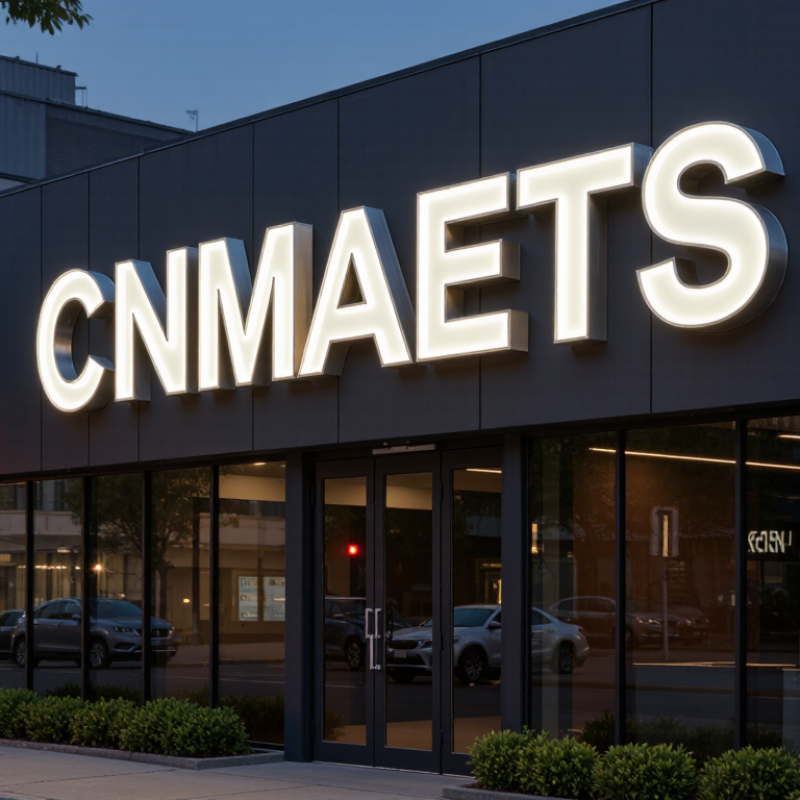
How to Choose the Right Backlit Letters Sign?

Define Your Sign’s Purpose, Audience, and Installation Location

Before choosing backlit letters, define what your sign must achieve. A restaurant may need warm, inviting lettering that remains readable after sunset. A medical office may require calm, high-contrast characters that visitors can find quickly. Your message should match the audience’s expectations, not only your personal taste.

Ask where people will first see it.
From the sidewalk? From passing traffic? From a nearby parking area?

Installation location affects nearly every design decision. Measure the wall, viewing distance, mounting height, and available power before approving the letter size. Letters mounted above a busy entrance need stronger contrast and wider spacing. Signs placed under an awning may need brighter illumination because shadows can reduce visibility.

Check nearby lamps, windows, and reflective surfaces. They can create glare or make parts of the message disappear. A sign can look excellent in a workshop and weak on the building.

Consider maintenance access too. Replacing a failed light should not require unsafe climbing or major wall removal. Ask an experienced sign installer to review the fixing surface, weather exposure, cable route, and drainage.

Test a small illuminated sample at the actual location when possible. It reveals problems that drawings miss. I once underestimated the effect of a pale wall behind white letters; the sign blended in at dusk. That mistake was avoidable.

Still, real conditions often challenge a perfect plan. Leave room to adjust brightness, spacing, or mounting height before final installation.

Compare Backlit Letter Styles, Materials, and Lighting Options

Choosing the right backlit letters begins with understanding how each style changes the building’s appearance.

Face-lit letters shine directly toward viewers. They create strong visibility during busy evenings.

Halo-lit letters cast a soft glow behind each character. This effect feels quieter and more architectural.

Dual-lit letters combine both effects, but they need careful spacing and brightness control.

Material affects durability, weight, and visual texture. Aluminum is lightweight and resists corrosion when properly finished.

Stainless steel offers a sharper, more premium surface. Acrylic faces provide bright, even color and many finish choices.

However, thin acrylic can crack during careless installation. I once saw a sign look excellent indoors but appear too harsh outside.

The issue was not the letters. It was the wrong face brightness.

Lighting options deserve equal attention. Warm white LEDs can make restaurants and hospitality spaces feel inviting.

Cool white light often suits offices, clinics, and modern storefronts. RGB systems offer flexibility, yet changing colors too often may weaken brand consistency.

Ask for measured brightness, LED lifespan data, and access points for future repairs.

Exterior signs should use suitable weather protection and sealed electrical connections.

A qualified installer should confirm mounting strength and local electrical requirements. Small details matter.

A dimmer may prevent glare near windows or roads. Also, test the sign at night before final approval.

Daylight hides problems. Reflection is useful here: the brightest sign is not always the clearest one.

Evaluate Visibility, Readability, and Brand Design Requirements

How to Choose the Right Backlit Letters Sign?

Visibility begins with the viewing distance, traffic speed, and surrounding light. The Sign Research Foundation’s on-premise signage studies show that clear signs influence consumer awareness and location decisions. However, brighter is not always better. Excessive light can create glare, flatten letter shapes, and weaken contrast after sunset. Measure the sign from the farthest practical viewpoint. A useful industry guideline allows about one inch of letter height for every ten feet of viewing distance, though local conditions may require larger letters.

Readability depends on more than size. Choose simple letterforms, generous spacing, and strong contrast between the face and background. Geopath’s out-of-home measurement research consistently emphasizes exposure frequency and viewing conditions, including distance, angle, and illumination. Test the sign at night, in rain, and from a moving vehicle. Read it quickly. If viewers need to stop and decode it, the design is probably too complicated. Keep the message brief. Four to seven words often work better than a crowded statement.

Brand design requirements still matter. The letter depth, glow color, and edge finish should match the building’s materials and visual character. Warm illumination can feel welcoming, while cooler light may appear sharper and more technical. A common mistake is copying a successful sign without checking the site. That approach can fail. Review physical samples, inspect shadows on the wall, and ask independent viewers what they notice first. Their answers may challenge the original concept, which is useful evidence before fabrication.

Review Power Systems, Weather Resistance, and Maintenance Needs

How to Choose the Right Backlit Letters Sign?

A backlit letters sign should begin with its power system, not its appearance. Ask for the driver’s input range, power factor, surge protection, and accessible replacement parts. The U.S. Department of Energy’s Solid-State Lighting research reports that leading LED packages can exceed 200 lumens per watt under controlled conditions. Installed signs usually perform below that figure. Heat, wiring distance, and dusty interiors reduce real efficiency.

Weather resistance deserves equal attention. IEC 60529 rates IP65 enclosures as dust-tight and protected against water jets. That rating does not guarantee corrosion resistance near coastlines or industrial areas. For exposed locations, review metal treatment, drainage paths, cable glands, and sealing details. A sign can look sealed while trapping water behind its letters. This is an easy mistake. Local wind, freezing temperatures, and strong sunlight may also shorten component life.

Tips: Request a nighttime illumination test before approval. Check the driver’s service access. Confirm the warranty covers labor, not only parts. Review the installer’s maintenance schedule. The U.S. Department of Energy commonly associates quality LED systems with long service lives, often up to 50,000 hours under suitable conditions. That figure is not a promise for every sign. Cleaning, loose connections, failed modules, and heat still matter. I would also compare annual energy use, not only purchase price. A cheaper sign may become expensive when every repair requires lifting equipment.

Set a Budget and Verify Local Signage Regulations

How to Choose the Right Backlit Letters Sign?

Set a Budget and Verify Local Signage Regulations

A backlit letters sign needs more than an attractive design. Set a realistic budget before choosing materials, letter depth, lighting, or mounting methods. Include fabrication, wiring, installation, permits, maintenance, and possible repair costs. A small contingency fund can prevent stressful changes later. My first estimate is rarely perfect. Hidden electrical work often changes the final price.

Ask a qualified sign contractor for an itemized quotation. It should show materials, labor, lift equipment, transformer costs, and installation time. Then contact your local planning or building office before approving production. Regulations may control sign size, brightness, projection, mounting height, colors, and operating hours. Historic districts may require additional design approval. A landlord’s permission may also be necessary. Never rely only on verbal advice. Request written requirements and keep the documents.

Tips: Measure the storefront carefully. Photograph the mounting surface. Check nearby signs at night. Ask whether illuminated lettering needs a separate electrical inspection. Confirm that the proposed brightness will not disturb nearby homes or drivers. Choose lighting that remains readable without looking harsh. Leave space for safe access during future maintenance. Small mistakes become expensive when letters are already fabricated. Reflect before signing the final drawing.

How to Choose the Right Backlit Letters Sign? - Set a Budget and Verify Local Signage Regulations

Sign Type Typical Size Estimated Project Cost Illumination Method Best Use Permit Considerations Typical Lead Time
Small individual letters 8–16 in high US$800–2,500 Rear LED halo lighting Reception areas, boutiques, and small storefronts Check wall-mounting rules, electrical requirements, and landlord approval 3–5 weeks
Medium channel letters 16–24 in high US$2,000–6,000 Front-lit LED or front-and-halo LED Main entrances and medium-size commercial façades Verify allowable sign area, projection from the building, brightness, and operating hours 4–7 weeks
Large architectural letters 24–36 in high US$5,000–12,000 High-output LED halo or face illumination Hotels, offices, shopping centers, and large façades Structural review, engineered anchoring, electrical inspection, and planning approval may be required 6–10 weeks
Cabinet with raised letters 2–8 ft wide US$1,500–7,000 Internal LED illumination Businesses needing a compact logo-and-text display Confirm sign-face area, cabinet depth, mounting height, and illuminated-sign restrictions 4–8 weeks
Low-profile halo letters 12–24 in high US$1,500–5,000 Low-voltage rear LED lighting Modern façades and locations requiring subtle illumination Check light-spill limits, nighttime brightness rules, and exterior electrical access 4–6 weeks
Budget and compliance checklist: Include design, fabrication, electrical work, installation equipment, permits, structural reinforcement, taxes, and future maintenance in the budget. Local requirements vary by city and property type, so confirm sign dimensions, placement, brightness, illumination hours, zoning restrictions, historic-district rules, and landlord approval before ordering.
Copyright 2025 Fluidra S.A. | Created by BCM Marketing Agencia Privacy Policy Legal note | Cookie policy |

Technical cookies are strictly necessary for our website to work and you can navigate through it. These types of cookies are those that, for example, allow us to identify you, give you access to certain restricted parts of the page if necessary, or remember different options or services already selected by you, such as your privacy preferences. Therefore, they are activated by default, your authorization not being necessary in this regard. Through the configuration of your browser, you can block or alert the presence of this type of cookies, although such blocking will affect the proper functioning of the different functionalities of our website.


The analysis cookies allow us to study the navigation of the users of our website in general (for example, which sections of the page are the most visited, which services are used most and if they work correctly, etc.). From the statistical information on navigation on our website, we can improve both the operation of the page itself and the different services it offers. Therefore, these cookies do not have an advertising purpose, but only serve to make our website work better, adapting to our users in general. By activating them you will contribute to this continuous improvement. You can enable or disable these cookies by checking the corresponding box, being disabled by default.


Functionality cookies allow us to remember your preferences, to personalize certain characteristics and general options of our website, every time you access it (for example, the language in which the information is presented to you, the sections marked as favorites, your browser type, etc.) Therefore, this type of cookies does not have an advertising purpose, but by activating them you will improve the functionality of the website (for example, adapting to your type of browser) and the customization of it based on your preferences (for example, by presenting the information in the language that you have chosen in previous occasions), which will contribute to the ease, usability and comfort of our page during your navigation. You can enable or disable these cookies by checking the corresponding box, being disabled by default.


Advertising cookies allow us to manage the advertising spaces included in our website based on criteria such as the content shown or the frequency in which the ads are displayed. For example, if you have been shown the same ad several times on our website, and you have not shown a personal interest by clicking on it, it will not appear again. In summary, by activating this type of cookies, the advertising shown on our website will be more useful and diverse, and less repetitive. You can enable or disable these cookies by checking the corresponding box, being disabled by default.


Behavioral advertising cookies allow us to obtain information based on the observation of your browsing habits and behaviors on the web, in order to show you advertising content that best suits your personal tastes and interests. To understand it in a very simple way, we will give you a fictitious example: if your last searches on the web were related to suspense literature, we would show you advertising about suspense books. Therefore, activating this type of cookies, the advertising that we show you on our website will not be generic, but will be oriented to your searches, tastes and interests, therefore adjusting exclusively to you. You can enable or disable these cookies by checking the corresponding box, being disabled by default.
To understand it in a very simple way, we will give you a fictitious example: if your last searches on the web were related to suspense literature, we would show you advertising about suspense books. Therefore, activating this type of cookies, the advertising that we show you on our website will not be generic, but will be oriented to your searches, tastes and interests, therefore adjusting exclusively to you. You can enable or disable these cookies by checking the corresponding box, being disabled by default.

SAVE

We use our own and third-party cookies to ensure the proper functioning of the website and to analyse our services, improve your experience on our website and show you advertisements related to your interests according to profiling based on your browsing habits (e.g. websites visited). You can accept all cookies by clicking "ACCEPT" or set or reject them by clicking here. If you would like to know more about the use of cookies, please see our COOKIE POLICY.


ACCEPT ALL
Reject no essentials


