
How to Choose the Best LPG Generator for Your Needs?
FLUID HANDLING EXPERTS

Blog, all our news

How to Choose the Best LPG Generator for Your Needs?

Choosing the best Lpg Generator begins with understanding your real power needs, not simply selecting the largest model. A dependable choice should match your essential load, operating hours, fuel access, noise limits, and installation environment. Refrigerators, pumps, medical equipment, and heating systems each create different demands. Some appliances also require extra starting power. This detail is easy to miss.

Michael R. Turner, an independent generator systems engineer with field experience in commercial and residential installations, explains, “The right LPG Generator is sized for actual demand, reliable fuel delivery, and safe long-term operation—not maximum output alone.” His view reflects a practical truth. Bigger is not always better. An oversized unit may consume more fuel, cost more, and run inefficiently during light loads.

This guide examines the decisions that matter before purchase. It considers rated watts, starting watts, propane storage, automatic transfer switches, engine durability, emissions performance, weather protection, and service support. It also explains how altitude, temperature, and fuel pressure can affect performance. A generator that works well in a mild climate may struggle in freezing conditions or at higher elevations.

Safety remains central. Installation should follow local electrical and fuel regulations, with qualified professional inspection where required. Regular oil changes, battery checks, leak inspections, and test runs protect both equipment and users. Do not overlook maintenance access.

There is no universal answer. A compact LPG Generator may suit occasional backup power, while a larger standby system may better support a home, workshop, or small business. Careful comparison prevents expensive mistakes and creates a more dependable energy plan.
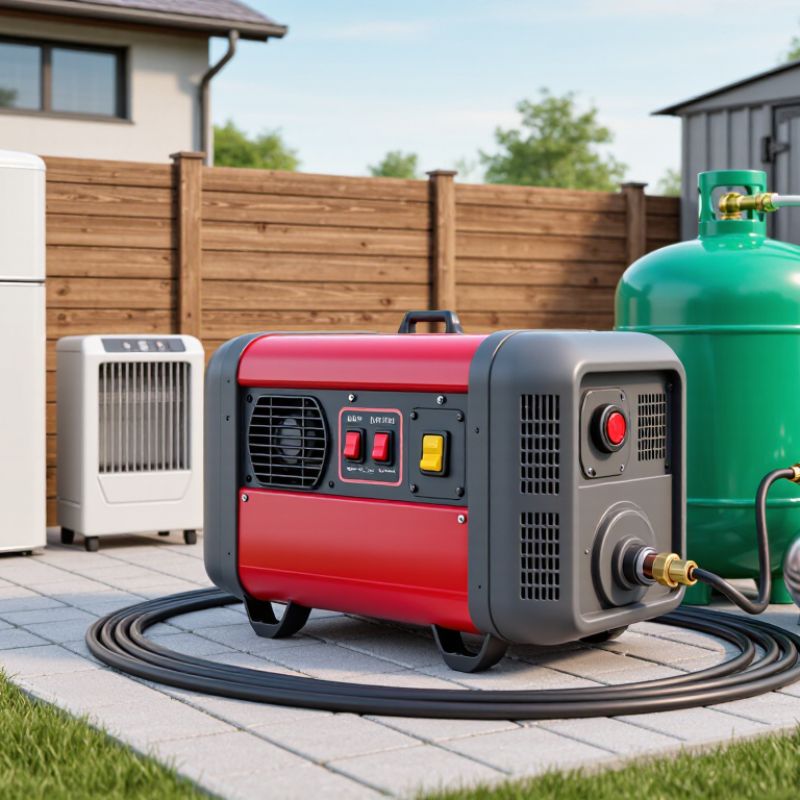
How to Choose the Best LPG Generator for Your Needs?

Define Your LPG Generator Power Requirements

Defining your LPG generator power requirements starts with a careful appliance list. Record each device’s running watts and starting watts. Refrigerators, pumps, and compressors often need extra power for a few seconds. A refrigerator may run at 150 watts but briefly demand 800 watts during startup. Check the rating plate instead of relying on memory.

Add the running watts for essential equipment, then include the highest starting demand. Do not simply add every appliance in your home. Decide what must operate during an outage, such as lights, a refrigerator, a router, or a small water pump. In my own estimate, I once ignored a pump’s startup surge and chose too small a generator. That mistake was obvious when the motor stalled. Leave a practical reserve of about 20 percent for unexpected loads.

LPG performance also depends on cylinder size, outdoor temperature, altitude, and the generator’s fuel pressure requirements. A small cylinder may empty sooner than expected during heavy use. Check the manual for approved hose connections, ventilation distances, and maximum load ratings. Use a licensed electrician for fixed wiring and transfer equipment. Portable extension leads can create voltage drops, especially over long distances. Measure actual appliance consumption with a plug-in meter when possible. Estimates help, but real readings are better.

Compare Generator Types, Fuel Use, and Runtime

Choosing an LPG generator starts with the load, not the advertised wattage. Conventional generators suit pumps, heaters, and heavy tools. Inverter generators usually provide cleaner power for computers and medical electronics. Dual-fuel models add flexibility, but their controls and fuel systems need more inspection. Compare continuous watts, starting watts, and outlet capacity before buying.

Fuel economics can mislead. The U.S. Energy Information Administration reports about 91,452 Btu per gallon for propane, compared with roughly 120,214 Btu for motor gasoline. LPG therefore carries less energy per gallon. A generator may consume more LPG for the same electrical output. Check test data at 25%, 50%, and 100% load. A 20-pound cylinder holds approximately 4.7 gallons, but cold weather and regulator pressure can reduce usable runtime.

Runtime should match your real operating pattern. A refrigerator may start sharply, then cycle quietly. A sump pump can create a larger surge than its running rating suggests. Calculate runtime by dividing usable fuel by hourly consumption at your expected load. The U.S. Department of Energy’s Alternative Fuels Data Center supports comparing propane energy content, but it does not replace model-specific testing. That estimate is imperfect. I would test the generator outdoors with a measured load, record fuel use for two hours, and keep a reserve cylinder. Many buyers overlook refueling time. That mistake becomes obvious during a long outage.

How to Choose the Best LPG Generator for Your Needs? Compare Generator Types, Fuel Use, and Runtime

Generator Type Typical Rated Output Best Use Portability LPG Consumption at 50% Load Approximate Runtime on a 5 US gal LPG Supply Transfer and Start Options Main Advantages Key Limitations
Portable Inverter Generator 1.5–3.5 kW Camping, sensitive electronics, small tools, emergency backup for essential appliances Easy to move; usually equipped with a carry handle or wheels Approximately 0.15–0.25 gal/h
(0.57–0.95 L/h)
About 20–33 hours Manual or electric start; manual transfer through extension cords or a suitable transfer switch Quiet operation, clean power with low harmonic distortion, and efficient fuel use at light loads Limited output; not suitable for large central air-conditioning systems or whole-building loads
Open-Frame Portable Generator 4–8 kW Home emergency backup, construction tools, refrigerators, pumps, and several household circuits Portable but heavier; commonly fitted with wheels and a folding handle Approximately 0.35–0.60 gal/h
(1.32–2.27 L/h)
About 8–14 hours Recoil or electric start; can be connected to selected circuits with a properly installed transfer switch Higher starting capacity and lower purchase cost than many standby systems Noisier than an enclosed inverter model; power quality and fuel efficiency may vary with load
Enclosed LPG Standby Generator 8–16 kW Automatic backup for homes, small offices, refrigeration, well pumps, and heating equipment Fixed installation on a prepared outdoor pad Approximately 0.65–1.20 gal/h
(2.46–4.54 L/h)
About 4–8 hours of equivalent operation Automatic transfer switch and automatic start after a utility outage Fast unattended operation, weather-resistant enclosure, and convenient whole-home or partial-home backup Requires professional installation, adequate ventilation, electrical permitting, and a correctly sized LPG supply
Large Residential or Light-Commercial Standby Generator 17–25 kW Larger homes, small retail spaces, offices, medical support equipment, and multiple motor loads Fixed installation Approximately 1.20–1.90 gal/h
(4.54–7.19 L/h)
About 2.6–4.2 hours of equivalent operation Automatic transfer switch, automatic start, and optional remote monitoring Can support many circuits simultaneously and handles higher motor-starting demands Higher LPG demand, installation cost, noise output, and space requirements
Industrial LPG Generator 30–100 kW Commercial facilities, telecommunications backup, agricultural sites, and critical infrastructure Fixed installation or trailer-mounted, depending on configuration Approximately 2.00–7.00 gal/h
(7.57–26.50 L/h)
About 0.7–2.5 hours of equivalent operation Automatic transfer, remote supervision, paralleling, and load-management options may be available High continuous output, robust controls, and suitability for demanding duty cycles Requires engineered fuel storage, professional commissioning, regular servicing, and sufficient site infrastructure
Fuel-use figures are typical planning estimates for LPG operation at approximately 50% rated load. Actual consumption and runtime vary with generator efficiency, electrical load, starting surges, ambient temperature, altitude, LPG composition, regulator capacity, and maintenance condition. A 5 US gal LPG supply equals approximately 18.9 liters of liquid propane; cylinders and tanks should not be filled or operated beyond their approved limits.

Evaluate Key Features, Safety, and Emissions

How to Choose the Best LPG Generator for Your Needs?

Evaluate the generator’s output, fuel system, safety controls, and emissions before comparing prices. A practical starting point is your continuous load, not the advertised maximum. Add extra capacity for refrigerators, pumps, or motors that demand more power during startup. An LPG generator should maintain stable voltage under changing loads. Clear control panels and accessible service points also matter during bad weather or nighttime maintenance.

Safety deserves close inspection. Look for automatic low-oil shutdown, overload protection, thermal safeguards, and a reliable fuel shutoff valve. Check the hose, regulator, and connections for cracks or loose fittings before every use. Small details prevent trouble. Operate the unit outdoors, away from doors, windows, and air intakes. Install a carbon monoxide detector inside nearby occupied spaces, even when ventilation seems adequate. Never use the generator in a garage or enclosed shelter.

LPG generally produces fewer particulates than gasoline, but combustion still creates carbon monoxide and carbon dioxide. Choose a model with documented emissions data and certification for your region’s requirements. During a site check, listen for uneven running, smell for leaks, and watch for unusual exhaust color. I have seen users select oversized units, then run them lightly and waste fuel. I still find load calculations easy to underestimate. Recheck real appliance readings after installation, because actual demand can differ from the label.

Choose the Right Size, Brand, and Installation Setup

Choosing an LPG generator starts with load measurement, not guesswork. List essential appliances, starting watts, and running watts. Motors may briefly demand two to three times their normal power. Add a 20% capacity margin for cold starts and future equipment. A 5 kW unit may fail when a pump, freezer, and heater start together. It sounds adequate on paper.

The U.S. Energy Information Administration reported that about 5.3 million American households used propane as their primary heating fuel in its 2020 Residential Energy Consumption Survey. This widespread infrastructure can support reliable fuel access, but local availability still matters. Choose a manufacturer with documented testing, accessible parts, clear warranty terms, and trained service technicians. A low purchase price is not necessarily low ownership cost. Check carefully.

Installation quality often decides real-world performance. Place the generator outdoors, away from doors, windows, and air intakes. Use a qualified installer to size the regulator, verify ventilation, and connect the transfer switch correctly. NFPA 58 provides widely used guidance for LP-Gas storage and handling. The World LPG Association’s 2024 statistical review also emphasizes LPG’s broad global use, but conditions differ by region. Do not copy an online setup blindly. Measure gas pressure, inspect hoses, and test the system under load. Small omissions matter.

Plan for Maintenance, Operating Costs, and Long-Term Use

Choosing the best LPG generator requires more than matching its rated power to your equipment. Estimate your real load, then add a sensible reserve for motor starting and future appliances. A unit running near its limit may consume more fuel and wear faster. Check its expected operating hours, tank capacity, ventilation needs, and access for service. These details matter during a long outage, especially when the generator sits outdoors in cold rain.

Maintenance planning should be practical, not optimistic. Schedule oil, air-filter, spark-plug, battery, and hose inspections according to the operating manual. Keep a written log of running hours and unusual sounds. A clean filter can improve combustion, while a weak battery may leave a reliable engine useless. Use qualified technicians for fuel-system checks and follow local safety requirements. No estimate is perfect. Fuel prices, weather, and changing loads can quickly alter operating costs.

Tips: Compare fuel consumption at half-load and full-load, not only the headline rating. Choose service parts that are locally available. Leave clear space around the generator for cooling and inspection. Test the unit monthly under a realistic load. Also, calculate ten-year costs, including servicing, replacement batteries, storage, and installation. A cheaper purchase can become expensive if parts are difficult to source. Think beyond the first week. Long-term convenience usually depends on disciplined maintenance and honest load planning.

Article Source:

Copyright 2025 Fluidra S.A. | Created by BCM Marketing Agencia Privacy Policy Legal note | Cookie policy |

Technical cookies are strictly necessary for our website to work and you can navigate through it. These types of cookies are those that, for example, allow us to identify you, give you access to certain restricted parts of the page if necessary, or remember different options or services already selected by you, such as your privacy preferences. Therefore, they are activated by default, your authorization not being necessary in this regard. Through the configuration of your browser, you can block or alert the presence of this type of cookies, although such blocking will affect the proper functioning of the different functionalities of our website.


The analysis cookies allow us to study the navigation of the users of our website in general (for example, which sections of the page are the most visited, which services are used most and if they work correctly, etc.). From the statistical information on navigation on our website, we can improve both the operation of the page itself and the different services it offers. Therefore, these cookies do not have an advertising purpose, but only serve to make our website work better, adapting to our users in general. By activating them you will contribute to this continuous improvement. You can enable or disable these cookies by checking the corresponding box, being disabled by default.


Functionality cookies allow us to remember your preferences, to personalize certain characteristics and general options of our website, every time you access it (for example, the language in which the information is presented to you, the sections marked as favorites, your browser type, etc.) Therefore, this type of cookies does not have an advertising purpose, but by activating them you will improve the functionality of the website (for example, adapting to your type of browser) and the customization of it based on your preferences (for example, by presenting the information in the language that you have chosen in previous occasions), which will contribute to the ease, usability and comfort of our page during your navigation. You can enable or disable these cookies by checking the corresponding box, being disabled by default.


Advertising cookies allow us to manage the advertising spaces included in our website based on criteria such as the content shown or the frequency in which the ads are displayed. For example, if you have been shown the same ad several times on our website, and you have not shown a personal interest by clicking on it, it will not appear again. In summary, by activating this type of cookies, the advertising shown on our website will be more useful and diverse, and less repetitive. You can enable or disable these cookies by checking the corresponding box, being disabled by default.


Behavioral advertising cookies allow us to obtain information based on the observation of your browsing habits and behaviors on the web, in order to show you advertising content that best suits your personal tastes and interests. To understand it in a very simple way, we will give you a fictitious example: if your last searches on the web were related to suspense literature, we would show you advertising about suspense books. Therefore, activating this type of cookies, the advertising that we show you on our website will not be generic, but will be oriented to your searches, tastes and interests, therefore adjusting exclusively to you. You can enable or disable these cookies by checking the corresponding box, being disabled by default.
To understand it in a very simple way, we will give you a fictitious example: if your last searches on the web were related to suspense literature, we would show you advertising about suspense books. Therefore, activating this type of cookies, the advertising that we show you on our website will not be generic, but will be oriented to your searches, tastes and interests, therefore adjusting exclusively to you. You can enable or disable these cookies by checking the corresponding box, being disabled by default.

SAVE

We use our own and third-party cookies to ensure the proper functioning of the website and to analyse our services, improve your experience on our website and show you advertisements related to your interests according to profiling based on your browsing habits (e.g. websites visited). You can accept all cookies by clicking "ACCEPT" or set or reject them by clicking here. If you would like to know more about the use of cookies, please see our COOKIE POLICY.


ACCEPT ALL
Reject no essentials


