
How to Choose the Best Asphalt Melting Device in 2026?
FLUID HANDLING EXPERTS

Blog, all our news

How to Choose the Best Asphalt Melting Device in 2026?

Choosing an Asphalt Melting Device in 2026 means balancing heat output with material quality, site conditions, and daily workload. A unit that looks powerful on paper may struggle with cold mornings, uneven feedstock, or frequent batch changes. Small details matter. Operators should compare usable capacity, temperature control, insulation, loading access, and cleaning requirements—not just the maximum heating rate.

Industry data offers useful context. The National Asphalt Pavement Association’s 2022 Asphalt Pavement Industry Survey reported that approximately 94.6 million tons of reclaimed asphalt pavement and shingles were recycled or reused. That figure describes material recovery, not melter performance. Still, it underscores why consistent, controlled heating matters: usable reclaimed material has value only when equipment handles it appropriately. NAPA describes asphalt pavement as “the most recycled material in America.” NAPA President Dr. Audrey Copeland is a relevant industry voice on that sustainability context, though this claim is the association’s wording, not a direct quotation from her.

The right machine depends on the job. A contractor heating occasional small batches may need different features from a high-volume paving operation. Check the manufacturer’s documented capacity, temperature range, fuel use, safety controls, and service support. Ask for operating data under conditions like yours. That is easy to overlook. A fast heater is not automatically the best heater, and published specifications do not replace a real-world trial. This guide compares the practical factors behind a dependable 2026 purchase and flags questions worth asking before you commit.
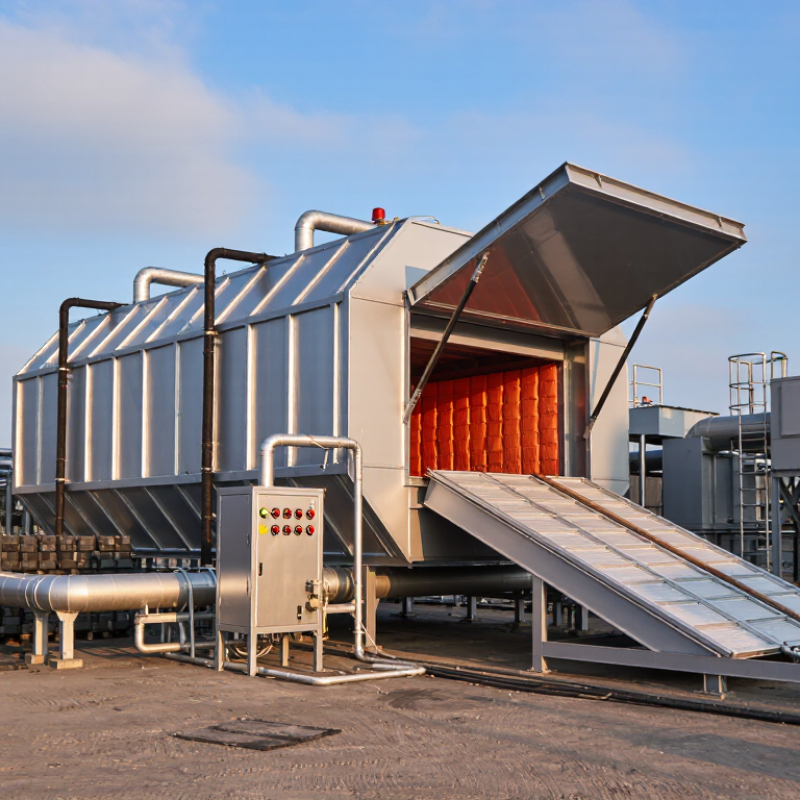
How to Choose the Best Asphalt Melting Device in 2026?

Define Your Asphalt Melting Needs and Job Requirements

Before comparing asphalt melting devices, define what the job actually requires. Are you heating solid chunks, roofing asphalt, or reclaimed material? Measure the largest pieces and estimate daily volume, not just the total project quantity. The National Asphalt Pavement Association’s 2023 industry survey estimated that U.S. producers reused 94.6 million tons of reclaimed asphalt pavement in 2022. That figure describes the wider paving industry, not demand for a particular melter. Still, it shows why material condition and batch size matter.

Match capacity to the work pattern. A road crew needing repeated, steady batches may value throughput and fast recovery between loads. A maintenance team handling small, scattered repairs may need easier transport and simpler setup. Check available power or fuel, loading access, operating temperature, and how much time workers can spend tending the unit. Small details count. A narrow gate or distant power source can make a technically suitable machine impractical.

Specify temperature control, insulation, guarding, and safe handling procedures before requesting quotes. The National Institute for Occupational Safety and Health identifies asphalt fumes as a workplace exposure concern; its guidance makes ventilation and exposure controls relevant planning questions. Ask suppliers for documented capacity under your material and operating conditions, rather than relying on a headline rating. A planning estimate can be wrong. Recheck it against a representative batch, because moisture, chunk size, and cold weather can change heating time.

How to Choose the Best Asphalt Melting Device in 2026?

Define Your Asphalt Melting Needs and Job Requirements

Typical production temperatures vary with the asphalt mix, binder, and process; use the project’s mix-design requirements as the final reference. When choosing a device, consider the target temperature alongside batch size, material form, heating time, and temperature control.

Compare Asphalt Melting Device Types and Heating Methods

Choosing an asphalt melting device starts with the job: batch size, material form, and required output. Kettle-style units melt a measured load, while continuous-feed systems suit steady demand. Heating method matters just as much. Direct-fired units can heat quickly, but uneven loading may create hot spots. Indirect systems use a heated jacket or thermal oil for more even heat, though they may take longer to warm up. Electric units offer precise control and no burner at the worksite, but available power can limit capacity.

The National Asphalt Pavement Association’s 2023 industry survey reported about 94.6 million tons of reclaimed asphalt pavement and shingles reused in U.S. asphalt production. That figure does not compare melting devices, but it shows why consistent heating and material handling matter across asphalt work. Check a unit’s working capacity, temperature controls, insulation, and cleaning access—not just its advertised melting rate. Small details count. A sticky residue around a drain can slow the next batch.

There is no universal winner. Direct-fired equipment may fit short, high-output jobs; indirect or electric heating may better suit sites prioritizing control. Still, catalog ratings rarely capture cold starts, variable feed, or operator routines. Ask for performance data under conditions resembling your own. A faster melt is not automatically a better result. The right choice can be less obvious than it looks.

Evaluate Capacity, Temperature Control, Safety, and Efficiency

Choose capacity from the amount of asphalt you melt per shift, not the tank’s advertised maximum. An undersized unit means repeated heating cycles; an oversized one may waste energy while material sits hot. Ask for usable capacity and recovery time, then compare them with your coldest, busiest workday. Small details matter. I would still question any estimate based only on ideal conditions.

Temperature control should hold a steady working range and prevent overheating. Look for a clear temperature display, an independent high-limit cutoff, and controls operators can reach while wearing gloves. The Federal Highway Administration’s warm-mix asphalt guidance reports production-temperature reductions of about 30–120°F and fuel savings of 20–35% for some processes. Those figures are not a guarantee for a standalone melting device; they show why heat management deserves scrutiny. Not automatically.

Safety and efficiency belong in the same inspection. Check burner guarding, insulated hoses, emergency shutoff access, spill containment, and ventilation around the loading area. NIOSH’s 2000 Criteria for a Recommended Standard: Occupational Exposure to Hot Mix Asphalt Fumes identifies asphalt fumes as a workplace exposure concern. Ask how the unit limits operator contact with heat and fumes, and how quickly routine cleaning can be done. A fast machine is less useful if servicing is awkward or unsafe.

Check Fuel Options, Maintenance Needs, and Operating Costs

Fuel choice affects more than the price shown at the pump. Compare local fuel availability, delivery arrangements, and the heater’s rated consumption under your typical workload. A unit that runs on a readily available fuel may reduce downtime, even if its hourly consumption is slightly higher. Check the manufacturer’s operating data, then track actual use during a normal shift. Conditions matter.

Maintenance can quietly reshape ownership costs. Ask how often burners, hoses, filters, and temperature controls need inspection or replacement. Look for clear access to service points; scraping hardened asphalt from a cramped panel can add labor time. Keep a simple log of fuel use, cleaning hours, and repairs. Small records help reveal patterns. They are not perfect, but they beat guessing.

Estimate total operating cost over a realistic season, not just the purchase price. Include fuel, routine service, replacement parts, transport, and labor during cleaning or warm-up. If one unit heats slowly on cold mornings, extra idle time may erase apparent fuel savings. Compare like-for-like workloads and temperatures. A spreadsheet can still miss an awkward repair or an unusually long setup, so leave room for uncertainty when evaluating the numbers.

Match Device Features to Your Worksite and 2026 Budget

Choosing an asphalt melting device in 2026 starts with the worksite, not the biggest capacity on a sales sheet. A small repair crew moving between scattered jobs may value compact dimensions, stable wheels, and quick setup. A fixed maintenance yard may benefit more from a larger heated tank. Check the material capacity against a typical day’s workload. Too little capacity means repeated refills; too much can leave material waiting longer than necessary.

Look closely at temperature controls, insulation, and clear operating indicators. Consistent heat helps reduce uneven material, while insulation can limit wasted energy during a shift. The power source must suit the site: confirm available electrical supply or fuel access before buying. Safety details matter, too. Look for guarded hot surfaces, practical controls, and accessible emergency shutoff features. Small details. Big consequences. Ask how routine cleaning and replacement parts affect downtime.

Set a 2026 budget using the full cost of ownership, not just the purchase price. Include delivery, setup, energy use, maintenance, and staff training. Compare written quotes with the same capacity and feature list. A cheaper unit may be sensible for occasional work, but not if frequent repairs interrupt busy schedules. I would still leave room for uncertainty; actual usage often differs from estimates. Choose a device that fits the crew’s real workflow, even if its specification sheet looks less impressive.

Copyright 2025 Fluidra S.A. | Created by BCM Marketing Agencia Privacy Policy Legal note | Cookie policy |

Technical cookies are strictly necessary for our website to work and you can navigate through it. These types of cookies are those that, for example, allow us to identify you, give you access to certain restricted parts of the page if necessary, or remember different options or services already selected by you, such as your privacy preferences. Therefore, they are activated by default, your authorization not being necessary in this regard. Through the configuration of your browser, you can block or alert the presence of this type of cookies, although such blocking will affect the proper functioning of the different functionalities of our website.


The analysis cookies allow us to study the navigation of the users of our website in general (for example, which sections of the page are the most visited, which services are used most and if they work correctly, etc.). From the statistical information on navigation on our website, we can improve both the operation of the page itself and the different services it offers. Therefore, these cookies do not have an advertising purpose, but only serve to make our website work better, adapting to our users in general. By activating them you will contribute to this continuous improvement. You can enable or disable these cookies by checking the corresponding box, being disabled by default.


Functionality cookies allow us to remember your preferences, to personalize certain characteristics and general options of our website, every time you access it (for example, the language in which the information is presented to you, the sections marked as favorites, your browser type, etc.) Therefore, this type of cookies does not have an advertising purpose, but by activating them you will improve the functionality of the website (for example, adapting to your type of browser) and the customization of it based on your preferences (for example, by presenting the information in the language that you have chosen in previous occasions), which will contribute to the ease, usability and comfort of our page during your navigation. You can enable or disable these cookies by checking the corresponding box, being disabled by default.


Advertising cookies allow us to manage the advertising spaces included in our website based on criteria such as the content shown or the frequency in which the ads are displayed. For example, if you have been shown the same ad several times on our website, and you have not shown a personal interest by clicking on it, it will not appear again. In summary, by activating this type of cookies, the advertising shown on our website will be more useful and diverse, and less repetitive. You can enable or disable these cookies by checking the corresponding box, being disabled by default.


Behavioral advertising cookies allow us to obtain information based on the observation of your browsing habits and behaviors on the web, in order to show you advertising content that best suits your personal tastes and interests. To understand it in a very simple way, we will give you a fictitious example: if your last searches on the web were related to suspense literature, we would show you advertising about suspense books. Therefore, activating this type of cookies, the advertising that we show you on our website will not be generic, but will be oriented to your searches, tastes and interests, therefore adjusting exclusively to you. You can enable or disable these cookies by checking the corresponding box, being disabled by default.
To understand it in a very simple way, we will give you a fictitious example: if your last searches on the web were related to suspense literature, we would show you advertising about suspense books. Therefore, activating this type of cookies, the advertising that we show you on our website will not be generic, but will be oriented to your searches, tastes and interests, therefore adjusting exclusively to you. You can enable or disable these cookies by checking the corresponding box, being disabled by default.

SAVE

We use our own and third-party cookies to ensure the proper functioning of the website and to analyse our services, improve your experience on our website and show you advertisements related to your interests according to profiling based on your browsing habits (e.g. websites visited). You can accept all cookies by clicking "ACCEPT" or set or reject them by clicking here. If you would like to know more about the use of cookies, please see our COOKIE POLICY.


ACCEPT ALL
Reject no essentials


