
How to Choose Functional T Shirts and Inner Wear?
FLUID HANDLING EXPERTS

Blog, all our news

How to Choose Functional T Shirts and Inner Wear?

Choosing Function T-shirt & Inner Wear requires more than comparing colors, prices, or fabric labels. These garments sit directly against the skin, manage sweat, and influence comfort during long working hours or intense training. Textile Exchange’s Materials Market Report 2024 estimates that global fiber production reached 124 million tonnes in 2023. Polyester represented about 57% of that volume. This scale explains its popularity, but it also raises questions about breathability, durability, recycling, and environmental impact.

Performance should be verified, not assumed. Look for measured moisture-wicking results, fabric weight, stretch recovery, seam construction, and wash durability. ISO 9237 can support air-permeability testing, while AATCC methods are widely used for colorfastness and moisture-management evaluation. A good shirt should feel dry after movement, not merely claim “quick-dry” on a hangtag. Small details matter. Flat seams can reduce rubbing around the shoulders and waist. A shaped gusset may improve mobility. A longer back panel can prevent exposure when bending.

Grand View Research’s 2024 sports apparel analysis reflects continued demand for technical clothing, yet market growth does not guarantee product quality. “Natural” does not automatically mean cooler. Synthetic fibers are not automatically inferior. The right choice depends on climate, activity, skin sensitivity, laundering habits, and fit. A laboratory report is useful, but it cannot fully predict how a garment feels after eight hours of wear. Test the fabric against your own routine. Reconsider the purchase if the fit twists, the elastic presses, or the fabric holds odor after washing. Comfort is personal, but responsible selection should still be evidence-based.
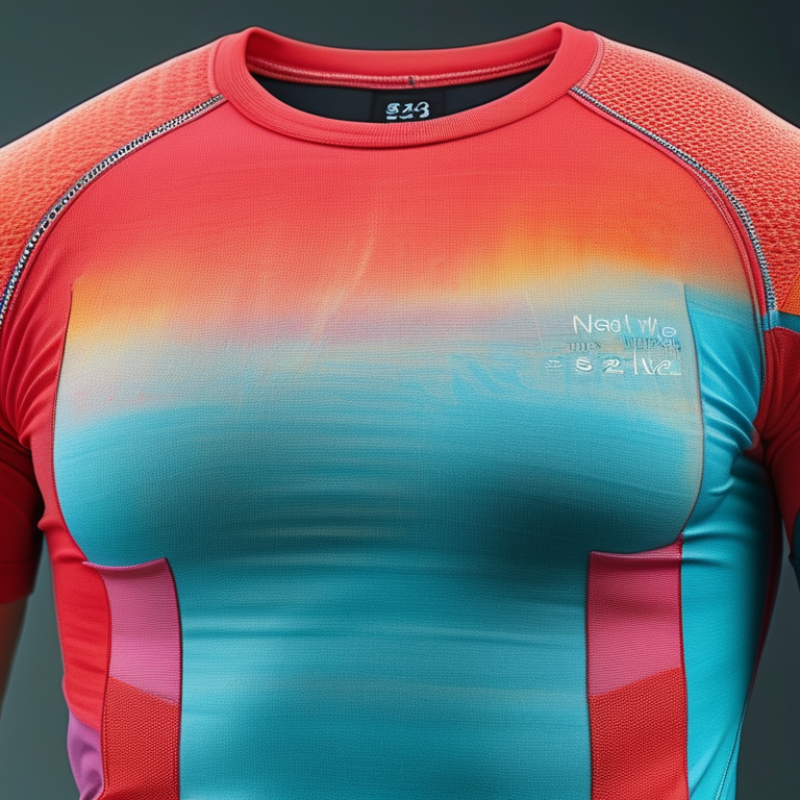
How to Choose Functional T Shirts and Inner Wear?

What Functional T-Shirts and Inner Wear Are Designed to Do

How to Choose Functional T-Shirts and Inner Wear?

Functional T-shirts and inner wear are designed to manage moisture, temperature, movement, and skin comfort. They are not simply thinner versions of everyday clothing. A well-designed shirt can pull sweat away from the skin and help it evaporate during exercise or long working hours. Some fabrics also dry quickly, reducing the cold, sticky feeling after activity. Breathable panels may release heat from the back, chest, or underarms.

Fit matters as much as fabric. Inner wear should stay close to the body without pressing painfully. Flat seams can reduce rubbing around the shoulders, waist, and thighs. Stretch fibers support movement, especially when bending, running, or lifting. For colder conditions, thermal layers are designed to hold a small layer of warm air near the skin. They should feel warm, not bulky.

Tips: Check the care label before buying. A functional fabric may lose performance with high heat or harsh softeners. Wear the garment for a few minutes and move naturally. Does it ride up? Does the waistband dig in? These details matter. I once chose a shirt mainly for its soft feel, but it stayed damp during a long walk. Comfort alone was not enough. Also, avoid assuming every “quick-dry” item performs equally well; construction, fit, and fabric weight can change the result.

How to Match Fabric Properties with Your Daily Activities

Choosing functional T-shirts and inner wear starts with your daily activities, not attractive labels. Fabric properties should match movement, temperature, and contact with your skin. For running, lightweight polyester or nylon can move sweat away quickly and dry faster than cotton. For office commutes, a cotton blend may feel softer and look less sporty. Merino wool can help control odor and temperature, especially during travel. Still, some people find wool itchy. Fit matters too. Tight layers can restrict breathing and leave pressure marks.

Tips: Check the fabric blend, stretch the garment gently, and feel the inner seams. Wear test pieces during a normal day before buying several. Look for moisture management, breathability, and easy washing instructions. A mesh panel may cool your back, but it can feel uncomfortable under a backpack. Flat seams reduce rubbing, yet they do not suit every body shape. This is easy to overlook.

For cycling or hiking, choose a close-fitting base layer that dries quickly and stays stable while moving. For sleep or relaxed indoor use, soft cotton, bamboo-derived fibers, or modal may provide better comfort. However, “breathable” does not always mean cool; fabric weight and garment construction also affect airflow. I once chose a very thin shirt for humid weather, but it held sweat around the collar. The specification looked ideal. Real use proved otherwise. Wash performance, skin sensitivity, and local climate should guide the final choice.

How to Choose Functional T-Shirts and Inner Wear? — How to Match Fabric Properties with Your Daily Activities

Daily Activity Recommended Fabric or Blend Key Fabric Properties Moisture Management Breathability Comfort and Fit Priorities Recommended Garment Features Care Considerations
Office work and commuting Cotton, cotton-modal, or cotton-polyester blend Soft hand feel, everyday comfort, moderate durability, and easy styling Low to moderate Moderate to high Regular or slightly relaxed fit; smooth seams; fabric weight suitable for layering Low-profile neckline, minimal branding, wrinkle-resistant construction, and a length that stays tucked Follow the care label; avoid excessive heat because it can contribute to shrinkage or shape loss
Walking, sightseeing, and light outdoor activities Polyester or polyester-elastane blend Lightweight, durable, quick-drying, and able to retain shape High Moderate to high Light stretch and a comfortable fit that allows unrestricted arm movement Moisture-wicking knit, breathable panels, flat seams, and adequate sun coverage Wash promptly after heavy sweating; avoid fabric softener when it may reduce moisture-wicking performance
Running and high-intensity training Polyester-elastane or nylon-elastane blend Fast drying, abrasion resistance, stretch, and shape recovery High High Close but non-restrictive fit; low-friction construction; enough stretch for repetitive movement Mesh ventilation zones, flatlock seams, bonded hems, reflective details, and sweat-managing fabric Turn garments inside out before washing; keep away from high heat and rough surfaces when possible
Gym training and strength workouts Nylon-elastane or polyester-elastane blend High stretch, strong recovery, durability, and resistance to repeated friction Moderate to high Moderate to high Secure fit around the shoulders and torso without restricting breathing or lifting movements Four-way stretch, reinforced seams, gussets where needed, and a hem that does not ride up Wash after use; avoid bleach and excessive heat, which may weaken elastane fibers
Hot and humid weather Lightweight polyester mesh, linen blend, or lightweight cotton blend Air permeability, lightweight construction, and reduced fabric cling Moderate to high High Relaxed fit with sufficient room for airflow; avoid overly thick or tightly woven fabric Ventilation panels, open-knit structures, light colors for lower heat absorption, and quick-drying layers Rinse or wash soon after use to reduce odor buildup; dry thoroughly before storage
Cool or transitional weather layering Merino wool blend, polyester, or polyester-wool blend Insulation, temperature regulation, odor resistance in wool blends, and layering versatility Moderate Moderate to high Close-to-body base layer fit without compression; long enough to prevent exposed gaps Long sleeves, flat seams, thumb openings when useful, and a smooth surface for easy layering Use a gentle cycle for wool blends; reshape while damp and follow the garment care label
Travel and long periods of sitting Polyester-elastane, merino blend, or modal blend Comfort, odor management, wrinkle resistance, stretch, and shape retention Moderate to high Moderate to high Soft fabric, non-binding armholes, a comfortable waistband, and minimal seam pressure Quick-drying construction, low-wrinkle fabric, hidden seams, and a slightly extended back hem Air garments between wears; do not store damp clothing in luggage for long periods
Sensitive skin and everyday inner wear Soft cotton, modal, TENCEL™ lyocell, or fine merino blend Soft surface, moisture absorption, smooth drape, and reduced seam irritation Moderate Moderate to high Non-compressive fit, covered seams, soft labels, and no rough elastic directly against the skin Seamless or flat-seam construction, breathable panels, and fabrics tested for colorfastness Use fragrance-free detergent if skin is sensitive; rinse thoroughly and avoid over-drying
Low-impact exercise and yoga Nylon-elastane, polyester-elastane, or modal-elastane blend Stretch, softness, shape recovery, and freedom of movement Moderate to high Moderate to high Flexible fit that moves with the body without excessive compression or fabric bunching Four-way stretch, smooth waistband, gusseted construction, and opaque fabric for bending positions Wash with similar colors; avoid high heat to help preserve stretch recovery
Sleep and relaxed home wear Cotton, modal, bamboo-derived viscose, or lightweight cotton-modal blend Softness, moisture absorption, gentle drape, and low skin friction Moderate Moderate to high Loose fit, soft seams, lightweight fabric, and no restrictive waist or arm openings Tag-free neck, breathable knit, smooth elastic, and a length that provides comfortable coverage Wash according to the care label; allow natural fibers to dry fully before folding
Fabric performance depends on fiber content, yarn structure, fabric weight, knit or weave construction, and finishing treatments. Always check the care label and choose the fit according to the activity and personal comfort level.

How to Choose the Right Fit, Support, and Freedom of Movement

Choosing Functional T Shirts and Inner Wear

The right fit should follow your movement, not merely your measurements. In fitting sessions, I check the shoulder seam, chest tension, and sleeve position. A shoulder seam sitting too far outward can restrict arm lifts. Excess fabric under the arms may rub during repeated motion. Try bending, reaching, and twisting before buying. Stand naturally. Then move naturally.

Support should feel steady, never oppressive. Inner wear needs enough structure to reduce unwanted movement during running or training. However, excessive compression can affect comfort and breathing. A useful check is simple: slide two fingers under the main band. You should feel contact without sharp pressure. Watch for pinching, rolling edges, or deep marks after several minutes. Those details matter.

Freedom of movement also depends on fabric and construction. Look for stretch that returns to shape after pulling. Test it with a slow overhead reach. The shirt should follow your back without exposing the waist. Flat seams can reduce friction, especially beneath backpacks or tight outer layers. I once chose a smaller size for a cleaner silhouette. That shortcut failed; the fabric pulled across my shoulders. A slightly relaxed fit worked better, though personal preference still matters. Clothing should support your activity, not distract you from it.

How to Choose Functional T-Shirts and Inner Wear

Compare the practical priorities for different activities. Higher values indicate greater importance when selecting fit, support, and freedom of movement.

Use a close, non-restrictive fit for everyday wear, prioritize support for high-impact activities, and allow greater stretch and mobility for sports involving frequent bending or reaching.

How to Select Suitable Layers for Different Weather Conditions

Choosing functional T-shirts and inner wear starts with the weather, not the fabric label. In warm, humid conditions, choose a lightweight, close-fitting base layer that moves sweat away from the skin.

The U.S. National Weather Service notes that heat stress rises sharply when humidity limits evaporation, especially above a 90°F heat index. Mesh zones can help around the back and underarms. Avoid thick cotton there. It can hold moisture against your skin.

Cold weather needs controlled layering. Wear a moisture-managing inner layer, a light insulating middle layer, and a wind-resistant outer layer.

ASTM F2732/F2732M-23 provides a standardized method for rating cold-weather clothing systems, but personal activity still changes comfort. A slow walk needs more insulation than a fast hike.

I often choose too many layers at the start, then feel damp after ten minutes. That mistake matters.

For changeable weather, select a T-shirt with moderate stretch, flat seams, and quick-drying fibers. The Textile Exchange Materials Market Report 2024 recorded global fiber production at about 124 million tonnes in 2023, showing how widely synthetic fibers are used in performance clothing.

However, fiber type alone does not guarantee comfort. Construction matters. In rain, add a breathable shell rather than relying on a thick inner shirt.

In dry cold, wool-blend layers may feel warmer, but they can dry slowly. Test the outfit outdoors, with the same movement you expect.

Forecasts can be wrong. Your skin gives better evidence.

How to Check Durability, Care Needs, and Overall Value

How to Choose Functional T Shirts and Inner Wear?

Durability begins with fabric structure, not impressive marketing. Check the knit density, seam stitching, and recovery after stretching. A practical test is simple: pull the collar gently, then inspect whether it returns smoothly. Flat seams should feel clean against the skin, especially under the arms. Ask for abrasion, pilling, and colorfastness test results when available. Test names matter less than clear methods and recorded results.

Care needs affect real value. A shirt requiring cold washing, quick drying, and no ironing saves time and energy. However, “easy care” claims can be vague. Read the sewn-in label, not only the online description. WRAP’s Valuing Our Clothes report estimated that extending clothing life by nine months could reduce carbon, water, and waste footprints by about 20–30%. That makes strong seams and stable fabric financially meaningful, even when the purchase price is higher.

Material choice still needs judgment. Textile Exchange reported that global fiber production reached about 124 million tonnes in 2023, with polyester representing roughly 57%. Synthetic fibers may dry quickly, but odor retention and fiber shedding deserve consideration. Cotton can feel cooler, yet poorly finished cotton may lose shape faster. I once judged a shirt by softness alone. That was a mistake. Compare price, expected wears, washing effort, and repairability. A dependable garment should survive repeated washing without twisted seams, fading, or a loose waistband. Less glamorous, but more honest.

Copyright 2025 Fluidra S.A. | Created by BCM Marketing Agencia Privacy Policy Legal note | Cookie policy |

Technical cookies are strictly necessary for our website to work and you can navigate through it. These types of cookies are those that, for example, allow us to identify you, give you access to certain restricted parts of the page if necessary, or remember different options or services already selected by you, such as your privacy preferences. Therefore, they are activated by default, your authorization not being necessary in this regard. Through the configuration of your browser, you can block or alert the presence of this type of cookies, although such blocking will affect the proper functioning of the different functionalities of our website.


The analysis cookies allow us to study the navigation of the users of our website in general (for example, which sections of the page are the most visited, which services are used most and if they work correctly, etc.). From the statistical information on navigation on our website, we can improve both the operation of the page itself and the different services it offers. Therefore, these cookies do not have an advertising purpose, but only serve to make our website work better, adapting to our users in general. By activating them you will contribute to this continuous improvement. You can enable or disable these cookies by checking the corresponding box, being disabled by default.


Functionality cookies allow us to remember your preferences, to personalize certain characteristics and general options of our website, every time you access it (for example, the language in which the information is presented to you, the sections marked as favorites, your browser type, etc.) Therefore, this type of cookies does not have an advertising purpose, but by activating them you will improve the functionality of the website (for example, adapting to your type of browser) and the customization of it based on your preferences (for example, by presenting the information in the language that you have chosen in previous occasions), which will contribute to the ease, usability and comfort of our page during your navigation. You can enable or disable these cookies by checking the corresponding box, being disabled by default.


Advertising cookies allow us to manage the advertising spaces included in our website based on criteria such as the content shown or the frequency in which the ads are displayed. For example, if you have been shown the same ad several times on our website, and you have not shown a personal interest by clicking on it, it will not appear again. In summary, by activating this type of cookies, the advertising shown on our website will be more useful and diverse, and less repetitive. You can enable or disable these cookies by checking the corresponding box, being disabled by default.


Behavioral advertising cookies allow us to obtain information based on the observation of your browsing habits and behaviors on the web, in order to show you advertising content that best suits your personal tastes and interests. To understand it in a very simple way, we will give you a fictitious example: if your last searches on the web were related to suspense literature, we would show you advertising about suspense books. Therefore, activating this type of cookies, the advertising that we show you on our website will not be generic, but will be oriented to your searches, tastes and interests, therefore adjusting exclusively to you. You can enable or disable these cookies by checking the corresponding box, being disabled by default.
To understand it in a very simple way, we will give you a fictitious example: if your last searches on the web were related to suspense literature, we would show you advertising about suspense books. Therefore, activating this type of cookies, the advertising that we show you on our website will not be generic, but will be oriented to your searches, tastes and interests, therefore adjusting exclusively to you. You can enable or disable these cookies by checking the corresponding box, being disabled by default.

SAVE

We use our own and third-party cookies to ensure the proper functioning of the website and to analyse our services, improve your experience on our website and show you advertisements related to your interests according to profiling based on your browsing habits (e.g. websites visited). You can accept all cookies by clicking "ACCEPT" or set or reject them by clicking here. If you would like to know more about the use of cookies, please see our COOKIE POLICY.


ACCEPT ALL
Reject no essentials


