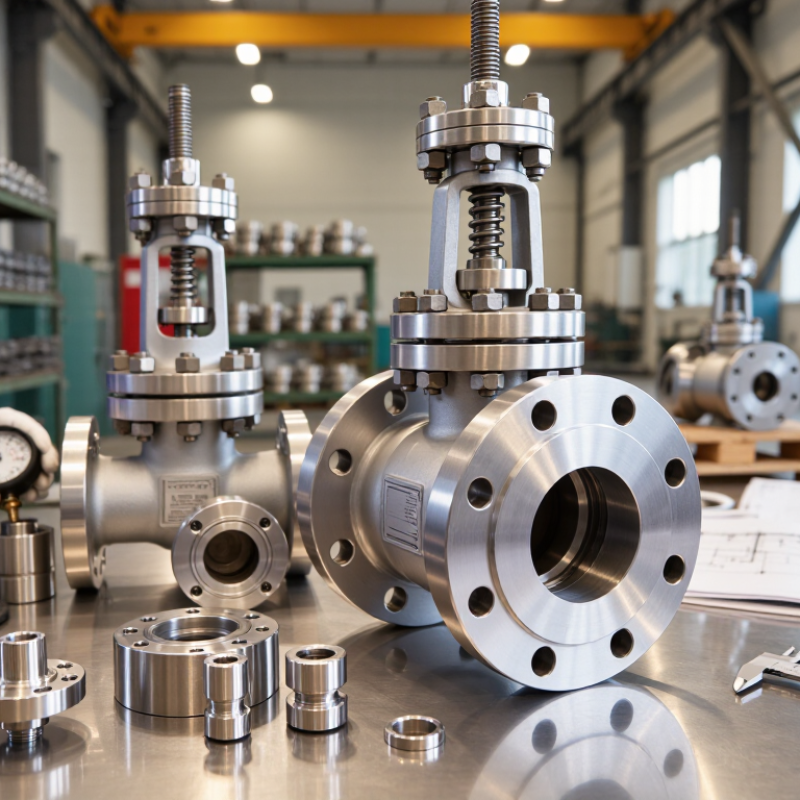
Choosing among China’s best Check Valve manufacturers requires more than comparing prices, catalogs, or polished factory photographs. A reliable decision begins with the valve’s actual working conditions. Media type, pressure, temperature, flow direction, connection size, cracking pressure, and installation position all matter. A valve used for clean water may fail quickly in abrasive slurry. A design suitable for a horizontal pipeline may perform poorly in vertical service.
Valve specialist R. W. Zappe, author of Valve Selection Handbook, offered a practical principle: “Valve selection must begin with service conditions, not price.” This advice remains highly relevant when evaluating Chinese manufacturers. Experienced suppliers should explain body materials, sealing options, spring design, pressure ratings, and resistance to water hammer. They should also provide dimensional drawings, inspection records, pressure-test reports, and traceable material certificates. Ask for evidence, not promises.
Factory experience matters.
A serious manufacturer can discuss production details clearly. Look for controlled casting or forging processes, accurate machining, consistent assembly, and repeatable testing. ISO certification may support credibility, but it does not replace technical verification. Customer references, export experience, and after-sales response reveal more than a certificate alone.
There is no universal “best” Check Valve. That assumption often causes expensive mistakes. Even careful buyers may overlook pulsating flow or unexpected back pressure. A stronger selection process compares technical fit, lifecycle cost, delivery reliability, and communication quality. Visiting a factory can help, but photographs never prove performance. The right supplier is the one that understands your application, documents its claims, and accepts reasonable technical scrutiny.
A check valve is a one-way device that uses line pressure to permit flow and prevent reverse movement. Its disc, piston, or ball closes when flow reverses, protecting pumps, compressors, and pipelines from backflow damage. Selection depends on media, pressure, temperature, installation position, cracking pressure, and closing speed. A valve that works well on clean water may fail quickly with abrasive slurry.
The industrial valves market reflects steady demand. MarketsandMarkets estimated its value at about USD 77.6 billion in 2023 and projected it to reach USD 99.4 billion by 2028. This growth increases interest in Chinese manufacturers, which offer broad machining capacity, multiple materials, and competitive production costs. However, low price is not proof of quality. It can hide weaker springs, poor sealing surfaces, or incomplete testing.
Ask manufacturers for material certificates, pressure-test records, dimensional drawings, and traceability for each batch. Confirm testing against ISO 5208 or API 598 where applicable. Check whether the supplier controls casting, machining, assembly, and final inspection. Third-party audits can reveal more than a polished catalog. Not every factory has the same process discipline. That needs honest verification. A practical buyer should compare total service life, not only the purchase price, while checking spare parts, delivery reliability, and technical communication.
Chinese manufacturers produce several check valve types for water, oil, gas, chemical, and power applications. Swing check valves suit larger pipelines with moderate flow speed. Lift check valves provide tighter guidance but need stronger pressure to open. Wafer and dual-plate check valves save installation space between flanges. Spring-loaded designs respond quickly and reduce reverse flow. Foot valves are commonly installed at pump suction lines, often with an integrated strainer.
Axial-flow and nozzle check valves are used where water hammer must be controlled. Their spring-assisted discs close rapidly, like a door pulled shut before the pipeline flow reverses. Diaphragm check valves can handle corrosive or sanitary services when metallic contact is unsuitable. The correct choice depends on pressure class, temperature, fluid cleanliness, installation direction, and allowable pressure loss. A compact body is not automatically better.
Grand View Research’s 2024 industrial valves analysis identifies water and wastewater as major demand areas, while MarketsandMarkets projects continued growth in the global check valve sector through 2028. China’s manufacturing scale also matters: World Steel Association data recorded about 1.02 billion tonnes of Chinese crude steel production in 2023. However, material volume does not prove valve reliability. Buyers should request pressure-test records, material certificates, cycle-test results, and applicable ISO or API conformity documents. One common mistake is selecting a swing valve for pulsating pump discharge. It may chatter, damage the seat, and fail earlier than expected. Specification review remains essential.
Evaluating China’s best check valve manufacturers requires more than comparing prices. Examine their engineering experience with your valve type, pressure class, temperature range, and fluid conditions. Ask for drawings, material certificates, and documented test procedures. A serious manufacturer should explain cracking pressure, leakage limits, flow direction, and water hammer risks clearly. Vague answers are warning signs.
Visit the production site when possible. Observe machining, cleaning, assembly, and final inspection. Check whether each valve receives pressure and seat-leakage testing before shipment. Reliable factories can provide serial-number traceability, inspection reports, and corrective-action records. Certifications matter, but they should support real processes, not replace them. Contact recent customers and ask about delivery consistency, field failures, and technical support. No supplier is perfect. Even experienced teams can miss details when specifications change late.
Tips: Send a complete operating specification before requesting quotations. Include media, pressure, temperature, connection size, installation position, and required standard. Compare test evidence, not attractive brochures. Request a sample or pilot order when risk is high. Keep questions in writing, because small misunderstandings can become expensive failures.
Recommended evaluation weighting based on common industrial valve procurement requirements and recognized practices such as ISO 5208, API 594, API 6D, and ASME B16.34.
Prioritize manufacturers that provide verified pressure and leakage testing, material traceability, applicable certifications, documented quality control, and reliable delivery. The percentages represent a practical purchasing framework rather than data from any specific company or brand.
When choosing Chinese check valve manufacturers, start with documented standards, not catalog photographs. API 598 and ISO 5208 define pressure and closure testing procedures. API 6D is important for pipeline service, while ASME B16.34 covers pressure-temperature ratings, materials, and design requirements. Ask for current certificates, valve drawings, material traceability, and calibration records. A certificate alone is not proof of consistent production.
Request hydrostatic shell tests, seat leakage tests, reverse-flow checks, and cracking-pressure measurements. For critical service, review positive material identification, non-destructive examination, and cycle testing. The U.S. Department of Energy reports that compressed-air leaks can waste 20–30% of system capacity. Poor valve seating can create similar operating losses, although the actual impact depends on pressure and system design. Test conditions should match your application, including fluid, temperature, pressure, and installation direction.
Inspect one sampled valve yourself when possible. Check the hinge movement, spring response, casting surface, and sealing marks. Ask whether testing covers every valve or only selected units. That distinction matters. Some suppliers provide impressive reports but weak sampling controls. I would also require a third-party inspection for large orders, while admitting this adds cost and may slow delivery. The better question is not “Does it pass?” but “Can the result be repeated?”
| Evaluation Dimension | Applicable Standard or Reference | What to Check | Typical Acceptance or Verification Criteria | Documents or Evidence to Request | Priority |
|---|---|---|---|---|---|
| Valve Design and Rating | API 594; ASME B16.34 | Confirm valve type, pressure class, nominal size, end connection, flow direction, and service temperature. | The design should match the required pressure-temperature rating and the specified piping system. | Approved drawing, datasheet, design calculation, pressure-temperature rating chart, and model identification sheet. | Critical |
| Face-to-Face and End Dimensions | API 594; ASME B16.10; ASME B16.5 or ASME B16.47 | Check face-to-face length, flange dimensions, bolt-hole pattern, bore, and end-to-end tolerances. | Dimensions must conform to the purchase specification and the selected dimensional standard. | Certified dimensional inspection report, general arrangement drawing, and flange inspection records. | Critical |
| Pressure-Containing Materials | ASME B16.34; ASTM material specifications; project material specification | Verify body, cover, disc, hinge, seat, shaft, spring, and fastener materials for the intended fluid and temperature. | Material grade, heat treatment, and service compatibility must comply with the approved bill of materials. | Material test certificates, heat numbers, heat-treatment records, and approved material traceability list. | Critical |
| Material Traceability | ISO 9001 quality-management practices; purchase specification | Check whether each pressure-retaining component can be traced from the finished valve to the original material heat. | Heat numbers on components should match material certificates and manufacturing records without unexplained gaps. | Traceability matrix, marking photographs, material certificates, and production traveler. | Critical |
| Shell Hydrostatic Test | API 598; ISO 5208; EN 12266-1 | Test the pressure boundary of the assembled valve for body, cover, and pressure-containing joint integrity. | Use the pressure, test medium, stabilization time, and allowable leakage requirements specified by the applicable standard and purchase order. No visible pressure-boundary leakage is normally permitted. | Test certificate showing test pressure, duration, medium, gauge identification, result, and inspector approval. | Critical |
| Seat Leakage Test | API 598; ISO 5208; EN 12266-1 | Test both sealing directions where the valve design and service require bidirectional shutoff. | Leakage must not exceed the selected leakage-rate class or the project-specified limit. The test direction and medium must be recorded. | Seat-test report including valve orientation, test pressure, duration, leakage rate, and acceptance class. | Critical |
| Low-Pressure Air or Gas Seat Test | API 598; ISO 5208, when specified | Check low-pressure sealing performance, especially for soft-seated or resilient-seated designs. | Leakage must comply with the applicable standard, valve type, seat material, and purchase specification. | Low-pressure test record identifying test gas, pressure, test time, and measured leakage. | Recommended |
| Functional Operation Test | API 598; API 594; manufacturer quality procedure | Operate the disc, hinge, spring, shaft, and seat through the required movement without sticking or abnormal noise. | The disc should move freely, return correctly, and achieve the specified closed position. No harmful interference or mechanical damage should occur. | Functional test record, operating-cycle count, inspection checklist, and corrective-action history if applicable. | Critical |
| Flow Direction and Non-Return Performance | API 594; approved design documentation | Confirm correct flow-arrow marking, disc orientation, hinge position, spring arrangement, and prevention of reverse flow. | Valve markings and internal assembly must correspond to the approved flow direction and application requirements. | Assembly drawing, nameplate or body-marking photographs, and final inspection report. | Critical |
| Nondestructive Examination | ASME Section V; ASTM E709; ASTM E1444/E1444M; project specification | Inspect castings, forgings, weld repairs, and critical pressure-containing areas for surface or internal discontinuities. | The examination method and acceptance level should be defined by the material, manufacturing route, service risk, and contract specification. | NDT procedures, personnel qualification records, inspection reports, radiographs or digital files, and repair records. | Recommended |
| Positive Material Identification | Project specification; material-control procedure | Verify alloy composition of stainless steel, alloy steel, nickel alloy, and other corrosion-resistant components. | Measured chemical composition must fall within the specified material grade limits. | PMI report, instrument calibration record, test-point map, and component traceability references. | Recommended |
| Sour-Service Compatibility | NACE MR0175/ISO 15156 | For hydrogen-sulfide-containing oil and gas service, review material hardness, heat treatment, environmental limits, and resistance to sulfide stress cracking. | Materials and hardness values must comply with the applicable part of NACE MR0175/ISO 15156 and the project environment. | Sour-service compliance statement, hardness report, heat-treatment records, and material certificates. | Critical |
| Surface Protection and Coating | ISO 12944; project coating specification | Inspect surface preparation, coating type, dry-film thickness, adhesion where required, and protection of machined sealing surfaces. | Coating system and dry-film thickness must meet the specified corrosivity category and project requirements. Sealing faces must remain free of coating damage. | Coating data sheet, surface-preparation record, dry-film thickness report, and inspection photographs. | Recommended |
| Marking and Identification | API 594; ASME B16.34; purchase specification | Check size, pressure class, material designation, body or heat marking, flow direction, and production identification. | Markings must be legible, permanent, and consistent with the approved drawings, certificates, and order documents. | Final visual inspection report and clear marking photographs. | Critical |
| Gasket and Fastener Control | ASME B16.20; ASME B16.21; project specification | Verify gasket type, dimensions, facing compatibility, fastener grade, coating, and tightening requirements. | Components must be compatible with flange rating, temperature, fluid, and corrosion conditions. | Gasket certificates, fastener material certificates, torque procedure, and assembly record. | Recommended |
| Quality Management System | ISO 9001 | Evaluate documented control of design, purchasing, production, inspection, nonconformities, calibration, and corrective actions. | The quality system should be current, relevant to valve manufacturing, and supported by controlled production records. | Valid quality certificate, audit report, quality manual extract, process flow chart, and corrective-action records. | Critical |
| Calibration and Inspection Equipment | ISO 9001; ISO/IEC 17025 for external laboratories | Check calibration of pressure gauges, torque tools, dimensional instruments, test benches, chemical-analysis equipment, and hardness testers. | Calibration must be valid at the time of testing, traceable to recognized standards, and suitable for the measurement range. | Calibration certificates, equipment register, laboratory accreditation evidence, and out-of-calibration evaluation records. | Critical |
| Factory Acceptance Inspection | Inspection and Test Plan; purchaser specification | Define hold points, witness points, document review, sampling level, inspection scope, and release conditions before shipment. | No valve should be released until all required tests are complete, nonconformities are closed, and the final dossier is accepted. | Approved ITP, inspection notices, punch list, nonconformance reports, release note, and final data book. | Critical |
| Final Documentation | Contract quality requirements | Review completeness and consistency of drawings, certificates, test reports, inspection records, manuals, spare-parts lists, and packing records. | Documents should identify the same valve size, rating, material, serial or production number, test results, and revision status. | Indexed manufacturing record book, operation and maintenance manual, inspection dossier, and certificate of conformity. | Critical |
| Packaging and Preservation | Project packaging specification; applicable transport requirements | Check flange protection, desiccant where needed, internal cleanliness, corrosion protection, lifting points, and shock protection. | Valve internals and machined surfaces should be protected against contamination, moisture, impact, and distortion during storage and transport. | Packing list, preservation procedure, packing photographs, storage instructions, and shipping inspection report. | Standard |

Selecting the right check valve manufacturer starts with your application, not a catalogue. Define the medium, pressure, temperature, flow direction, pipe size, and installation angle. A wastewater line may need a resilient seat and strong resistance to suspended solids. A high-temperature process line may require metal sealing and carefully verified materials. The wrong choice can cause reverse flow, water hammer, or repeated maintenance.
Industry data supports a careful approach. The International Energy Agency reported that industry consumed about 37% of global final energy in 2022, making process reliability and energy loss increasingly important. The World Bank’s 2023 water report also found that 2.2 billion people lacked safely managed drinking water services. These figures show why a manufacturer should provide documented testing, traceable materials, and application-specific engineering, especially for water and process systems. Ask for pressure-test records, leakage results under ISO 5208, and evidence of compliance with applicable standards.
Experience matters here. A capable supplier should explain disc design, spring selection, cracking pressure, coating options, and maintenance access without hiding behind vague claims. Request references from similar operating conditions, not only attractive product photographs. Factory audits can reveal machining control, calibration practices, and final inspection quality. I have seen specifications become too generic; that is a real weakness. A valve may meet a nominal rating yet fail because the flow pattern was misunderstood. Compare technical support, response time, warranty terms, spare-part availability, and production consistency before placing an order.

Cepex is the brand for the fluid handling market belonging to the Fluidra group. One of the leading european manufacturer of valves and fittings in thermoplastic materials.
Dedicated to the swimming pool, irrigation and industrial markets, we distribute our products worldwide with the Fluidra commercial network and presence in 46 countries with 136 sales branches.