
How to Choose a Sewer Cleaning Machine in 2026?
FLUID HANDLING EXPERTS

Blog, all our news

How to Choose a Sewer Cleaning Machine in 2026?

Choosing a Sewer Cleaning Machine in 2026 requires more than comparing pressure ratings or drum sizes. The machine must match the pipe, debris, access point, and crew.

The need is substantial. The U.S. Environmental Protection Agency’s 2022 Clean Watersheds Needs Survey estimated $630.1 billion in nationwide wastewater infrastructure needs over 20 years. Wastewater collection and conveyance represented approximately $271.4 billion of that total. ASCE’s 2025 Infrastructure Report Card also rated U.S. wastewater infrastructure D+. These figures suggest aging networks, heavier maintenance demands, and less room for equipment mistakes.

George Hawkins, former DC Water CEO and a widely recognized water-sector leader, has said, “Water is the only utility that touches every person, every day.” That responsibility reaches the sewer-cleaning crew standing beside an open manhole, managing hose recoil, traffic, water supply, and recovered waste. A suitable Sewer Cleaning Machine should provide dependable flow, practical maneuverability, safe controls, and serviceable components. Bigger is not always better. Sometimes, it is simply harder to transport and operate.

This guide examines pressure, vacuum performance, nozzle selection, hose length, tank capacity, power systems, and maintenance access. It also considers pipe diameter and blockage type. Grease behaves differently from roots. Sand behaves differently from hardened deposits.

There is no perfect machine.

The right choice depends on evidence from real cleaning routes, not only brochure claims. Teams should review job records, test difficult sections, and question optimistic productivity figures. That imperfect process often produces the most reliable purchase decision.
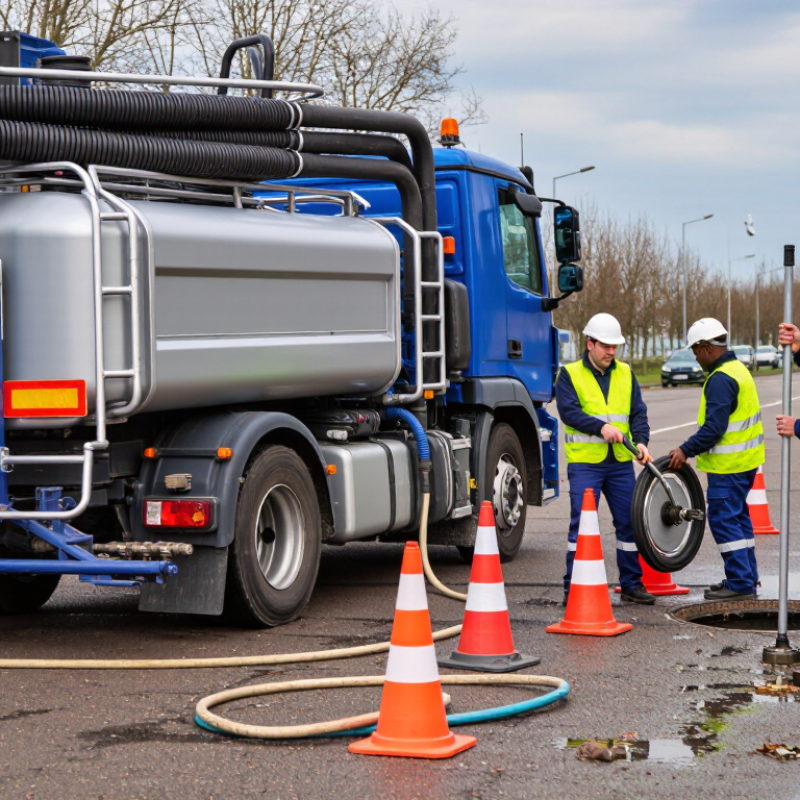
How to Choose a Sewer Cleaning Machine in 2026?

Understanding Sewer Cleaning Machines and Their Core Functions

How to Choose a Sewer Cleaning Machine in 2026?

Understanding Sewer Cleaning Machines and Their Core Functions

A sewer cleaning machine removes blockages, sediment, roots, and grease from drainage lines. Its main purpose is restoring flow without damaging the pipe. Different machines use different working methods. Cable machines rotate a flexible auger through the line. They are useful for localized blockages and smaller indoor drains. High-pressure water jetters use controlled water streams to wash debris from pipe walls. Larger models can handle longer municipal lines, but they need careful pressure control.

Core functions include cutting, flushing, loosening, extracting, and inspecting. A rotating cutter can break through hardened deposits or fine roots. Water jets then carry loosened material toward an access point. Some systems support vacuum recovery, reducing mess around the work area. Inspection cameras help operators confirm the blockage and check pipe condition. This step matters. Cleaning a damaged pipe too aggressively may enlarge an existing weakness.

In 2026, buyers should compare pipe diameter, access points, blockage type, power supply, and operator controls. Adjustable pressure is valuable when older clay or fragile plastic pipes are involved. Cable length also matters, though longer is not always better. It can increase handling difficulty and storage needs. Noise, splash protection, emergency shutoff, and maintenance access deserve equal attention. Field technicians often select equipment after testing the line, not by appearance alone. A machine may look powerful yet perform poorly in narrow bends. That is an easy mistake to make. Reliable records, clear operating training, and scheduled inspections support safer, more consistent results.

Assessing Pipe Conditions and Cleaning Requirements

How to Choose a Sewer Cleaning Machine in 2026?

Assessing Pipe Conditions and Cleaning Requirements

Choosing a sewer cleaning machine starts with the pipe, not the equipment catalog. Record the pipe diameter, length, material, access points, and average flow. A narrow clay line may need a different approach than a large concrete interceptor. Do not guess.

Inspect the interior with a suitable camera whenever access allows. Look for grease, roots, silt, scale, displaced joints, cracks, and standing water. Heavy grease often requires controlled water pressure and the correct nozzle pattern. Root intrusion may need cutting equipment, but excessive force can damage fragile joints. Measure twice.

Cleaning frequency also matters. A residential lateral with occasional buildup may need a compact cable machine. A commercial line carrying kitchen waste may require stronger flushing capacity and debris management. Long runs need enough hose, cable, or water volume to maintain performance without repeated repositioning.

Consider the work environment before selecting power and size. Check electrical access, ventilation, noise limits, operator clearance, and safe hose handling. A powerful machine is not automatically suitable. It can worsen a damaged pipe or leave debris behind. One field mistake is treating a blockage as the whole problem. The obstruction may be a symptom of poor slope or collapsed bedding. Review inspection footage after cleaning, document the result, and adjust the next service plan when the evidence disagrees with the original assumption.

Comparing Machine Types, Power Systems, and Cleaning Methods

How to Choose a Sewer Cleaning Machine in 2026?

Choosing a sewer cleaning machine starts with the blockage, pipe size, and work environment. Cable machines suit roots, compacted waste, and short indoor lines. Their rotating cutters provide direct mechanical control. Sectional units work well where operators need flexible cable lengths. Drum machines are easier to transport, but cable handling can become awkward in narrow spaces. Small details matter.

Hydro jetters clean differently. They use high-pressure water to remove grease, sludge, and loose deposits from pipe walls. They often clean longer runs more evenly than cables. However, jetting needs enough water, proper pressure control, and a reliable waste recovery plan. Electric power works well indoors because it produces fewer fumes and less noise. Battery systems improve mobility, but runtime may disappoint during heavy cleaning. Petrol-powered units offer strong output at remote sites, though ventilation and fuel storage require attention.

Match the power system to daily conditions, not advertised peak performance. Check flow rate, pressure, cable diameter, hose length, pump protection, and emergency shutoff features. Experienced operators also inspect access points before choosing a machine. A powerful unit cannot solve poor entry access. It can make the job harder. Field assessments should record pipe material, diameter, bend frequency, and blockage type. A practical mistake is choosing one machine for every drain. That approach saves planning time, but often increases damage risk and cleaning costs. Safety procedures, operator training, and documented maintenance remain essential for dependable results.

How to Choose a Sewer Cleaning Machine in 2026?

Comparing machine types, power systems, and cleaning methods

The chart compares typical water-flow capacity across common sewer-cleaning configurations. Portable electric jetters are suited to smaller indoor and residential lines, while trailer-mounted and truck-mounted systems provide higher flow for longer or larger-diameter pipes. Recycling jetters reduce freshwater demand by filtering and reusing recovered water. Actual performance depends on nozzle selection, hose length, pipe diameter, blockage type, and operating pressure.

Evaluating Safety, Portability, Maintenance, and Operating Costs

How to Choose a Sewer Cleaning Machine in 2026?

Evaluating Safety, Portability, Maintenance, and Operating Costs

In field work, safety begins before the machine reaches the sewer opening. Choose guarded moving parts, an emergency stop, and stable controls. A ground-fault safety device can reduce electrical risks in wet areas. Check cable condition, drum shielding, and operator visibility during every inspection. I once underestimated cable recoil during a blocked-line job. That mistake changed my inspection routine.

Portability matters on narrow streets, basements, and uneven service entrances. A compact frame helps, but lightweight construction should not sacrifice stability. Check wheel size, lifting points, handle comfort, and balance before purchase. If one worker cannot move the unit safely, transport becomes a hidden labor cost. Bigger is not always better. Battery-powered models may simplify positioning, yet charging time can interrupt urgent work.

Maintenance affects reliability more than many buyers expect. Ask how easily operators can clean the drum, replace cables, inspect belts, and access service panels. Simple parts can reduce downtime. Record cleaning, lubrication, wear, and repairs after each demanding job. Operating costs include electricity, replacement tools, water, transport, training, and lost hours. Compare realistic yearly use, not only the purchase price. A cheaper machine may require frequent repairs. Real costs matter.

Verifying Specifications Before Choosing a Sewer Cleaning Machine

How to Choose a Sewer Cleaning Machine in 2026?

Verifying Specifications Before Choosing a Sewer Cleaning Machine

A sewer cleaning machine should match the pipe, blockage, and working environment. Start by checking its approved pipe diameter range. A machine designed for narrow residential lines may struggle in larger municipal pipes. Confirm the cable length, cable diameter, and maximum working distance. More cable is not always better.

Review motor power, operating torque, water pressure, and flow rate together. High pressure can remove grease quickly, but excessive force may damage fragile or older pipes. Check whether the controls allow gradual adjustment. That small feature matters near joints and weakened sections. Ask for documented performance data, not only sales claims.

Inspect the machine physically. Measure its width and weight before moving it through a basement door or service vehicle. Look for emergency stops, overload protection, splash resistance, and secure cable storage. Confirm the noise level if technicians work near homes or offices. Maintenance details also deserve attention: belt access, lubrication points, replacement parts, and cleaning time.

I once focused too much on motor power. It looked impressive, but the machine was awkward on uneven ground. That was a costly lesson. Test the unit with representative pipe material and a realistic blockage when possible. Record the setup time, operator effort, cable recovery speed, and water usage. Certification documents and clear warranty terms add confidence, but they cannot replace a practical site inspection.

Copyright 2025 Fluidra S.A. | Created by BCM Marketing Agencia Privacy Policy Legal note | Cookie policy |

Technical cookies are strictly necessary for our website to work and you can navigate through it. These types of cookies are those that, for example, allow us to identify you, give you access to certain restricted parts of the page if necessary, or remember different options or services already selected by you, such as your privacy preferences. Therefore, they are activated by default, your authorization not being necessary in this regard. Through the configuration of your browser, you can block or alert the presence of this type of cookies, although such blocking will affect the proper functioning of the different functionalities of our website.


The analysis cookies allow us to study the navigation of the users of our website in general (for example, which sections of the page are the most visited, which services are used most and if they work correctly, etc.). From the statistical information on navigation on our website, we can improve both the operation of the page itself and the different services it offers. Therefore, these cookies do not have an advertising purpose, but only serve to make our website work better, adapting to our users in general. By activating them you will contribute to this continuous improvement. You can enable or disable these cookies by checking the corresponding box, being disabled by default.


Functionality cookies allow us to remember your preferences, to personalize certain characteristics and general options of our website, every time you access it (for example, the language in which the information is presented to you, the sections marked as favorites, your browser type, etc.) Therefore, this type of cookies does not have an advertising purpose, but by activating them you will improve the functionality of the website (for example, adapting to your type of browser) and the customization of it based on your preferences (for example, by presenting the information in the language that you have chosen in previous occasions), which will contribute to the ease, usability and comfort of our page during your navigation. You can enable or disable these cookies by checking the corresponding box, being disabled by default.


Advertising cookies allow us to manage the advertising spaces included in our website based on criteria such as the content shown or the frequency in which the ads are displayed. For example, if you have been shown the same ad several times on our website, and you have not shown a personal interest by clicking on it, it will not appear again. In summary, by activating this type of cookies, the advertising shown on our website will be more useful and diverse, and less repetitive. You can enable or disable these cookies by checking the corresponding box, being disabled by default.


Behavioral advertising cookies allow us to obtain information based on the observation of your browsing habits and behaviors on the web, in order to show you advertising content that best suits your personal tastes and interests. To understand it in a very simple way, we will give you a fictitious example: if your last searches on the web were related to suspense literature, we would show you advertising about suspense books. Therefore, activating this type of cookies, the advertising that we show you on our website will not be generic, but will be oriented to your searches, tastes and interests, therefore adjusting exclusively to you. You can enable or disable these cookies by checking the corresponding box, being disabled by default.
To understand it in a very simple way, we will give you a fictitious example: if your last searches on the web were related to suspense literature, we would show you advertising about suspense books. Therefore, activating this type of cookies, the advertising that we show you on our website will not be generic, but will be oriented to your searches, tastes and interests, therefore adjusting exclusively to you. You can enable or disable these cookies by checking the corresponding box, being disabled by default.

SAVE

We use our own and third-party cookies to ensure the proper functioning of the website and to analyse our services, improve your experience on our website and show you advertisements related to your interests according to profiling based on your browsing habits (e.g. websites visited). You can accept all cookies by clicking "ACCEPT" or set or reject them by clicking here. If you would like to know more about the use of cookies, please see our COOKIE POLICY.


ACCEPT ALL
Reject no essentials


