
The orientation of a sandwich panel can change much more than the appearance of a building. It influences facade proportions, joint arrangements, drainage paths, and even the way installers approach the work. Vertical and horizontal layouts can use the same materials, yet produce noticeably different architectural results. The choice deserves attention early in the design process, especially when a project involves large industrial or commercial buildings.
Vertical panel installation gives a facade a taller, more streamlined appearance. The continuous lines draw the eye upward and can make a wide industrial building look less massive. This approach often works well for warehouses, factories, workshops, and logistics facilities with relatively high wall elevations.
Horizontal installation creates a different impression. Long horizontal lines emphasize the building’s width and give the exterior a more grounded, structured appearance. For low-rise industrial buildings or facilities with extensive wall areas, this arrangement can help break up large facade surfaces.、
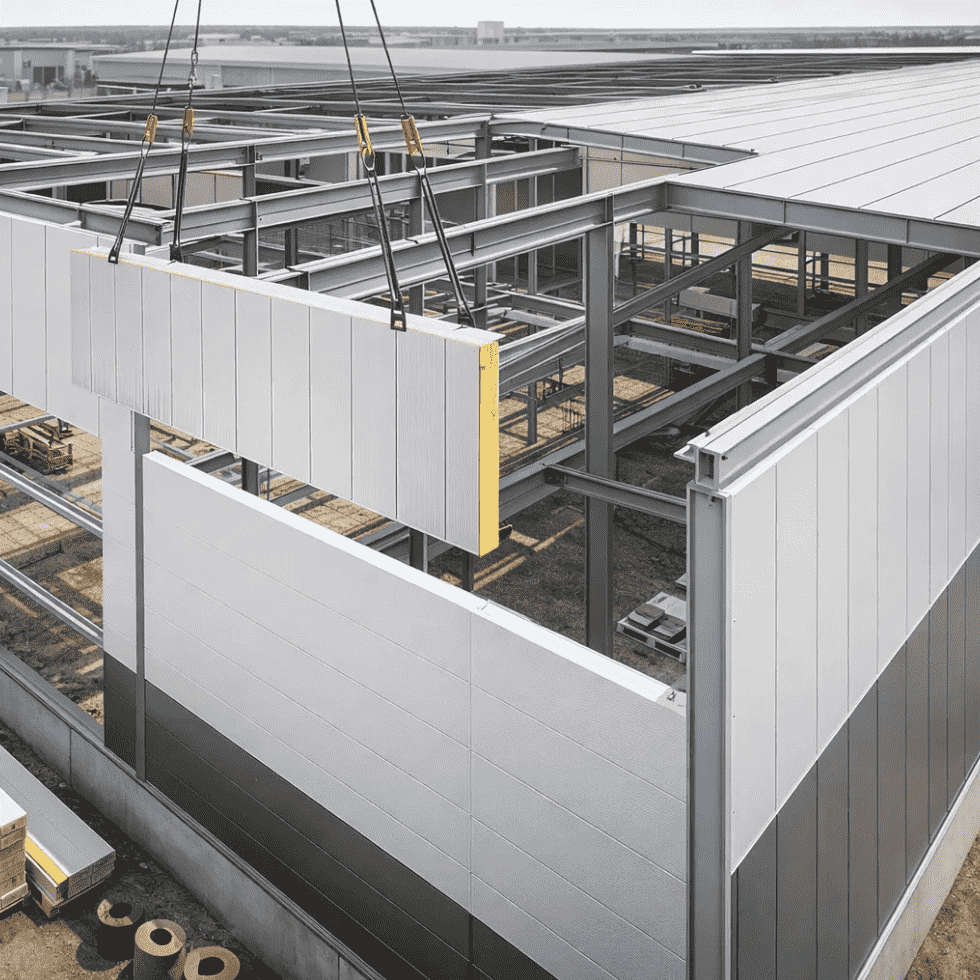
Neither direction automatically produces a better result. The building’s proportions, roof geometry, window positions, and architectural style all influence which layout looks more balanced. A tall building may benefit from horizontal lines that visually reduce its height. A long, low building may use vertical lines to introduce more visual movement.
Facade appearance depends heavily on where panel joints meet windows, doors, corners, and other building elements. A layout that looks simple in an elevation drawing may create awkward details once the actual dimensions come into consideration.
With vertical installation, horizontal joints may appear at panel height transitions or around openings. Designers need to coordinate these positions with window heads, lintels, and intermediate support members. Otherwise, a window may interrupt the visual rhythm or leave narrow panel sections around its edges.
Horizontal installation introduces another set of considerations. Vertical joints need to align with the building’s structural grid and wall openings. Large doors, for example, can interrupt several panel courses. Without proper coordination, the facade may contain small cut pieces or inconsistent joint spacing.
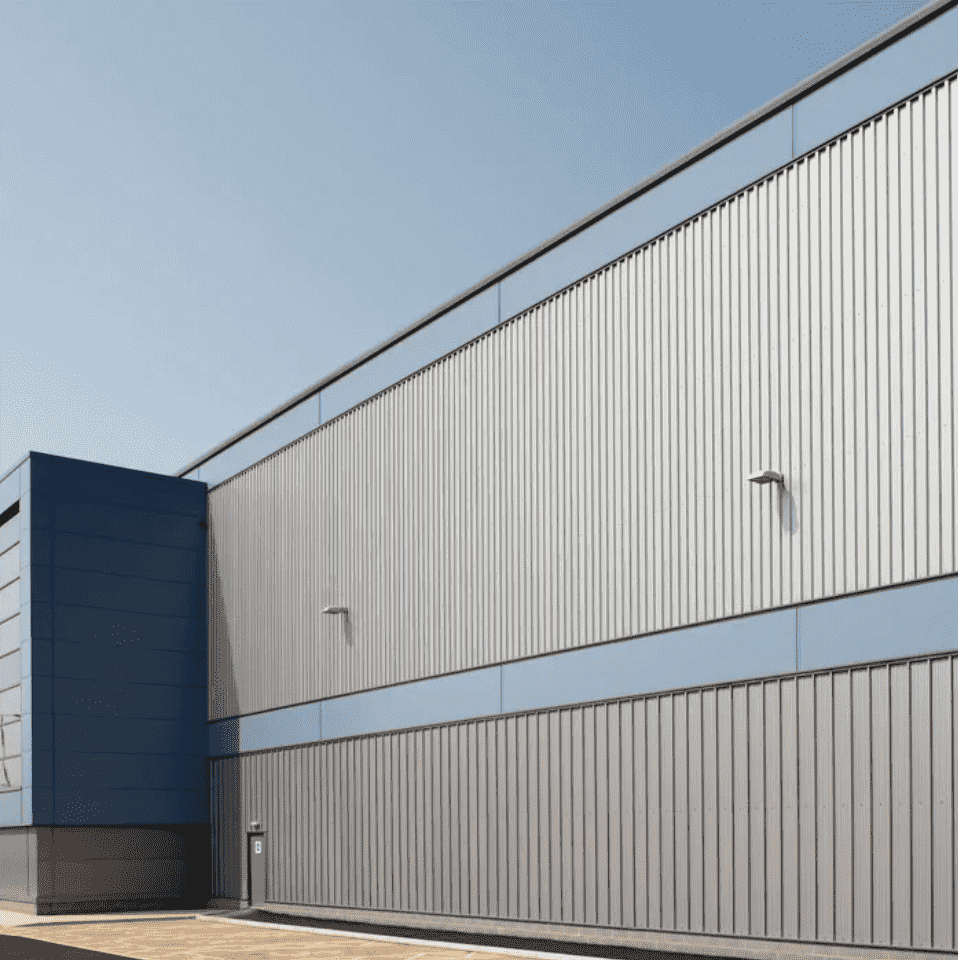
The choice also affects material planning. Panel lengths, cutting requirements, transportation limits, and installation sequences all influence the final arrangement. A practical layout should consider standard production dimensions alongside the architectural drawing. This helps reduce unnecessary offcuts and avoids details that look neat on paper but prove difficult during installation.
Orientation also affects how the wall system interacts with its supporting structure. Vertical panels commonly connect to horizontal girts, while horizontal panels generally require vertical support members or suitable secondary framing. The actual arrangement depends on the manufacturer’s system and the project’s structural design.
This distinction becomes particularly relevant when selecting a sandwich wall panel for a building with unusual dimensions or demanding facade requirements. The supporting members must provide suitable fixing positions and account for panel span, wind pressure, and connection details.
Core material also influences the specification. A rock wool sandwich panel may suit projects with stricter fire performance requirements, while polyurethane cores often provide a lower thermal conductivity. However, material selection and installation direction remain separate design decisions. Changing the orientation does not remove the need to check fire performance, thermal continuity, or structural capacity.
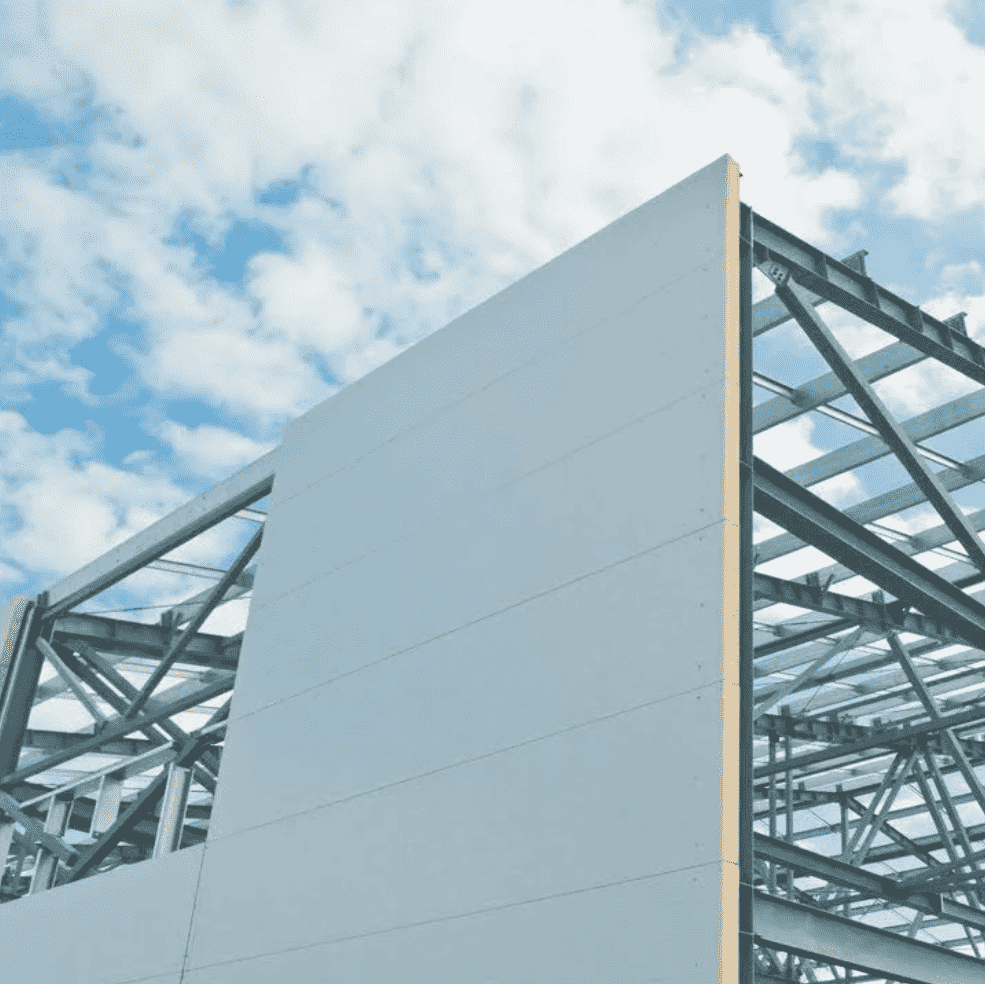
The design should also account for exterior exposure. Horizontal joints need suitable flashing and drainage details to manage rainwater. Vertical arrangements require careful treatment around base tracks, corners, and openings. Both layouts need reliable sealing at panel connections.
The most practical time to determine panel orientation is during the early facade design and coordination stage, rather than after production begins.
For a project with long uninterrupted walls, horizontal installation may simplify certain facade proportions. For buildings with high elevations or a strong vertical architectural rhythm, vertical installation may offer a cleaner appearance. Mixed layouts can also work, particularly when the main walls, entrance areas, and architectural features serve different visual purposes.
However, combining directions introduces additional corner details, transitions, and fixing requirements. It also requires closer coordination between architectural drawings, structural supports, and panel production drawings.
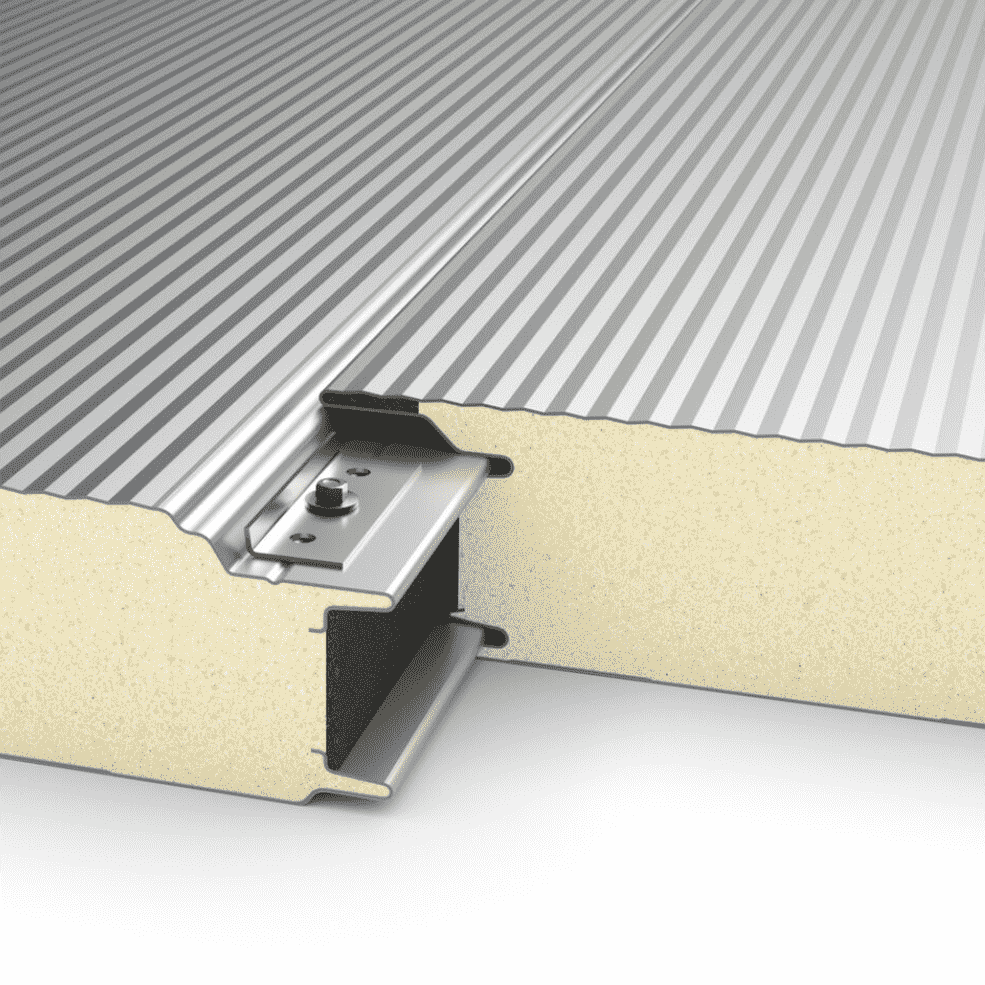
A useful comparison should therefore include more than appearance. Panel dimensions, support spacing, joint locations, cutting waste, transportation, and site installation conditions all deserve consideration.
Facade orientation is a relatively small decision with consequences across architectural design, material planning, and installation. Vertical and horizontal layouts can both deliver a clean exterior, but they suit different building proportions and construction conditions. Reviewing the elevations and panel layout together helps avoid unnecessary adjustments later. For an actual project, the most suitable arrangement depends on the building dimensions, structural grid, openings, and available panel specifications.

Cepex is the brand for the fluid handling market belonging to the Fluidra group. One of the leading european manufacturer of valves and fittings in thermoplastic materials.
Dedicated to the swimming pool, irrigation and industrial markets, we distribute our products worldwide with the Fluidra commercial network and presence in 46 countries with 136 sales branches.


