
What is a Hand Push Thermoplastic Marking Machine?
FLUID HANDLING EXPERTS

Blog, all our news

What is a Hand Push Thermoplastic Marking Machine?

In the ever-evolving field of road safety and traffic management, the Hand Push Thermoplastic Marking Machine has emerged as a crucial tool. Experts like Dr. Mark Stevens, a leading figure in traffic engineering, states, "This machine combines efficiency with precision in road marking." Such endorsements highlight the machine's importance in ensuring visibility and safety on our roads.

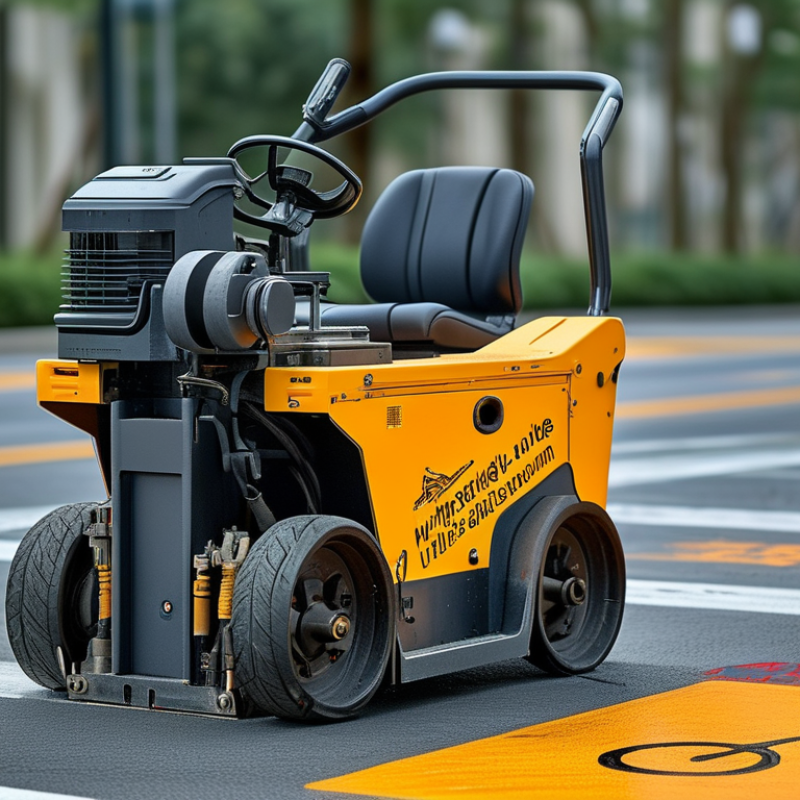
The Hand Push Thermoplastic Marking Machine allows for detailed and clear road markings. It is essential for parking lots, crosswalks, and bike lanes. This equipment offers a unique advantage: it is portable and easy to operate. Users can achieve high-quality markings without the need for heavy machinery.

Despite its benefits, challenges exist. For example, mastering the machine's operation may take time. Ensuring consistent application is also critical. As the industry progresses, we must continuously evaluate and improve these machines for optimal results. The Hand Push Thermoplastic Marking Machine is not just a tool; it's a vital part of enhancing road safety and efficiency.
What is a Hand Push Thermoplastic Marking Machine?

What is a Hand Push Thermoplastic Marking Machine?

A hand push thermoplastic marking machine is a versatile tool for road safety and maintenance. These machines apply thermoplastic material to pavements, creating durable road markings. The thermoplastic is heated to a liquid state before application, ensuring strong adhesion and visibility. Data from recent industry reports show that these machines are increasingly popular due to their efficiency and the longevity of the markings they produce.

In urban areas, road markings are vital for traffic management. According to a 2022 study, the global road marking materials market is projected to reach $4.3 billion by 2027, with thermoplastic materials gaining significant traction. The durability of thermoplastic markings lasts longer than traditional paint, reducing maintenance costs over time. However, improper application can lead to peeling. This highlights the importance of operator training and equipment care.

Certain challenges arise with hand push machines. They require skilled personnel to ensure proper technique and consistency. Additionally, climate conditions can affect the setting time of thermoplastic, leading to variability in results. In areas with extreme weather, the effectiveness can diminish, necessitating further research into adapting these machines for varying conditions. Proper assessment and local knowledge play crucial roles in their successful deployment.

Key Components of Hand Push Thermoplastic Marking Machines

Hand push thermoplastic marking machines are essential for road maintenance. They help create durable, visible markings on various surfaces. Understanding their key components is crucial for effective use.

One of the main components is the heating system. This system heats the thermoplastic material until it reaches a liquid state. Proper heating ensures an even application and adhesion to the road surface. A reliable temperature gauge is vital to monitor this process. If the thermoplastic is not heated enough, it may not bond well.

Another important part is the applicator nozzle. This component controls the thickness and pattern of the marking. A well-designed nozzle allows for greater precision, making sharp, clear lines. Operators should regularly check for blockages or wear. Inadequate maintenance may lead to uneven application, affecting the quality. Testing different nozzles can also help achieve the desired results.

Lastly, the frame of the machine should be sturdy yet portable. A lightweight design makes it easier to maneuver on various terrains. However, if it's too light, stability may become an issue. Operators must strike a balance between ease of transport and sturdiness. Regularly assessing these components can help ensure optimal performance and reliable markings.

How Hand Push Thermoplastic Marking Machines Work

A hand push thermoplastic marking machine is a vital tool for road and pavement marking. It uses thermoplastic material that becomes liquid when heated. This type of machine is operated manually, offering flexibility in application. Users can navigate tight spaces with ease, making it ideal for various environments, from parking lots to roadways.

The working mechanism involves heating thermoplastic materials until they melt. Once melted, the machine applies it to the surface, using a specially designed nozzle. The user can control the flow and pressure, ensuring accuracy in the markings. This precision is crucial; any inconsistency can lead to safety hazards.

While hand push machines are effective, they require practice for optimal results. Operators must be aware of environmental conditions, such as temperature and humidity, which affect material adherence. Some users report challenges in maintaining consistent thickness. These factors highlight the importance of training and experience in using such machinery effectively.

Thermoplastic Marking Machine Performance Comparison

Applications of Hand Push Thermoplastic Marking Machines

Hand push thermoplastic marking machines are widely utilized in various industries. They are primarily designed for creating durable and visible road markings. These machines are favored for their portability and ease of use, making them a choice for small to medium-sized projects. In 2022, the global market for thermoplastic road marking materials was valued at approximately $1.5 billion and is projected to grow by 6% annually. This growth reflects the increasing demand for safety and efficiency in infrastructure.

In urban planning and traffic management, hand push thermoplastic marking machines are essential. They are often employed for marking lanes, pedestrian crossings, and symbols on roadways. These markings enhance road safety by providing clear guidance to drivers and pedestrians. According to industry experts, nearly 80% of traffic accidents can be mitigated through proper road markings. However, there is room for improvement in maintenance practices. Many municipalities struggle to maintain road markings due to budget constraints and outdated equipment.

The application of thermoplastic markings extends beyond roads; they are also used in warehouses and factories. Clear floor markings improve safety in bustling environments. However, improper application can lead to uneven surfaces, which may diminish visibility. The industry sees a continuous need for training and better quality control measures to ensure consistent results. These challenges underline the importance of investing in high-quality equipment and skilled operators.

Advantages of Using Hand Push Thermoplastic Marking Machines

Hand push thermoplastic marking machines have gained popularity in various industries due to their efficiency and versatility. These machines are designed for road marking, parking lot delineation, and sports field line painting. One of the key advantages is their ability to provide durable markings that last longer than traditional paints. Reports indicate that thermoplastic markings can withstand heavy traffic for up to five years without significant deterioration.

In a study by the International Road Assessment Programme, it was highlighted that well-marked roads can reduce accidents by 30%. This statistic underscores the importance of reliable marking techniques. Additionally, these machines ensure a consistent and smooth application process, minimizing human error. Operators often report faster completion times, which enhances productivity at job sites.

Tips: When operating a hand push thermoplastic marking machine, ensure proper temperature control for the thermoplastic material. This affects adhesion and longevity. Take breaks to prevent fatigue, as detailed work requires focus.

It’s important to note that regular maintenance on these machines prolongs their lifespan. Sometimes, practitioners overlook minor repairs. However, neglecting them may lead to machine failure during critical jobs. Pay attention to wear and tear on moving parts to maintain optimal performance.

Copyright 2025 Fluidra S.A. | Created by BCM Marketing Agencia Privacy Policy Legal note | Cookie policy |

Technical cookies are strictly necessary for our website to work and you can navigate through it. These types of cookies are those that, for example, allow us to identify you, give you access to certain restricted parts of the page if necessary, or remember different options or services already selected by you, such as your privacy preferences. Therefore, they are activated by default, your authorization not being necessary in this regard. Through the configuration of your browser, you can block or alert the presence of this type of cookies, although such blocking will affect the proper functioning of the different functionalities of our website.


The analysis cookies allow us to study the navigation of the users of our website in general (for example, which sections of the page are the most visited, which services are used most and if they work correctly, etc.). From the statistical information on navigation on our website, we can improve both the operation of the page itself and the different services it offers. Therefore, these cookies do not have an advertising purpose, but only serve to make our website work better, adapting to our users in general. By activating them you will contribute to this continuous improvement. You can enable or disable these cookies by checking the corresponding box, being disabled by default.


Functionality cookies allow us to remember your preferences, to personalize certain characteristics and general options of our website, every time you access it (for example, the language in which the information is presented to you, the sections marked as favorites, your browser type, etc.) Therefore, this type of cookies does not have an advertising purpose, but by activating them you will improve the functionality of the website (for example, adapting to your type of browser) and the customization of it based on your preferences (for example, by presenting the information in the language that you have chosen in previous occasions), which will contribute to the ease, usability and comfort of our page during your navigation. You can enable or disable these cookies by checking the corresponding box, being disabled by default.


Advertising cookies allow us to manage the advertising spaces included in our website based on criteria such as the content shown or the frequency in which the ads are displayed. For example, if you have been shown the same ad several times on our website, and you have not shown a personal interest by clicking on it, it will not appear again. In summary, by activating this type of cookies, the advertising shown on our website will be more useful and diverse, and less repetitive. You can enable or disable these cookies by checking the corresponding box, being disabled by default.


Behavioral advertising cookies allow us to obtain information based on the observation of your browsing habits and behaviors on the web, in order to show you advertising content that best suits your personal tastes and interests. To understand it in a very simple way, we will give you a fictitious example: if your last searches on the web were related to suspense literature, we would show you advertising about suspense books. Therefore, activating this type of cookies, the advertising that we show you on our website will not be generic, but will be oriented to your searches, tastes and interests, therefore adjusting exclusively to you. You can enable or disable these cookies by checking the corresponding box, being disabled by default.
To understand it in a very simple way, we will give you a fictitious example: if your last searches on the web were related to suspense literature, we would show you advertising about suspense books. Therefore, activating this type of cookies, the advertising that we show you on our website will not be generic, but will be oriented to your searches, tastes and interests, therefore adjusting exclusively to you. You can enable or disable these cookies by checking the corresponding box, being disabled by default.

SAVE

We use our own and third-party cookies to ensure the proper functioning of the website and to analyse our services, improve your experience on our website and show you advertisements related to your interests according to profiling based on your browsing habits (e.g. websites visited). You can accept all cookies by clicking "ACCEPT" or set or reject them by clicking here. If you would like to know more about the use of cookies, please see our COOKIE POLICY.


ACCEPT ALL
Reject no essentials


