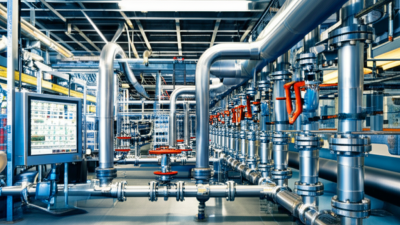
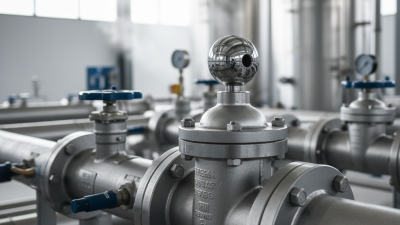
Fluid valves play a crucial role in managing the flow of liquids and gases in various systems. These components control the direction, pressure, and flow rate of fluids. Understanding how fluid valves operate is essential for engineers and technicians who design and maintain fluid systems.
Fluid valves come in various types, including gate, globe, and ball valves. Each type serves a different function and is designed for specific applications. Their operation can vary based on the mechanisms used, such as manual levers or automated controls. Recognizing the differences can be challenging, yet it is vital for effective system management.
While fluid valves are reliable components, they require regular maintenance and occasional replacement. Wear and tear can lead to malfunction, affecting overall system efficiency. As users, we must remain vigilant. A small oversight in valve maintenance can lead to significant issues down the line. It is imperative to prioritize understanding how fluid valves work and to implement best practices in their care.
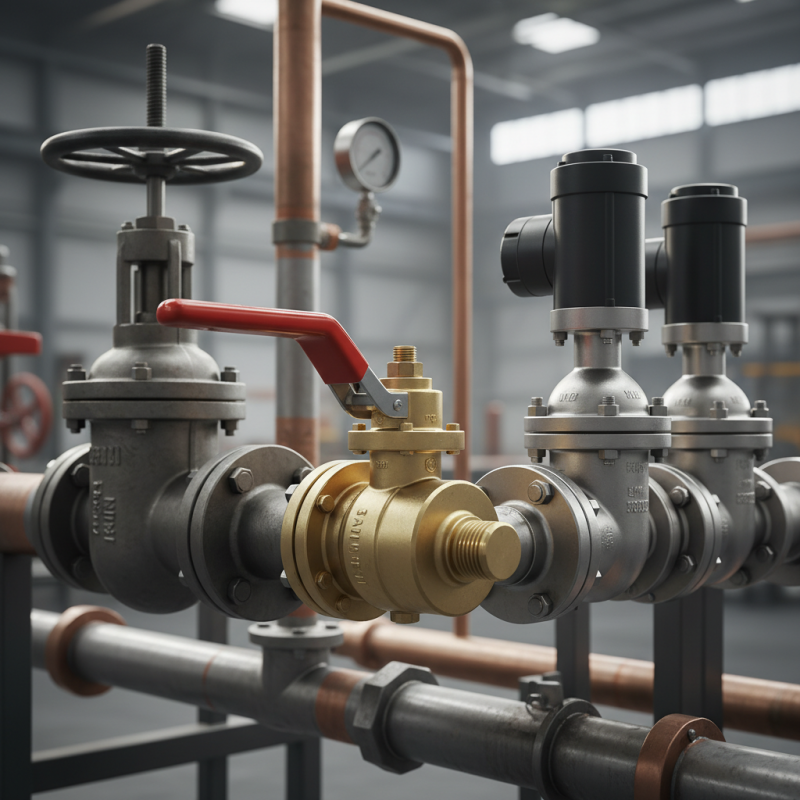
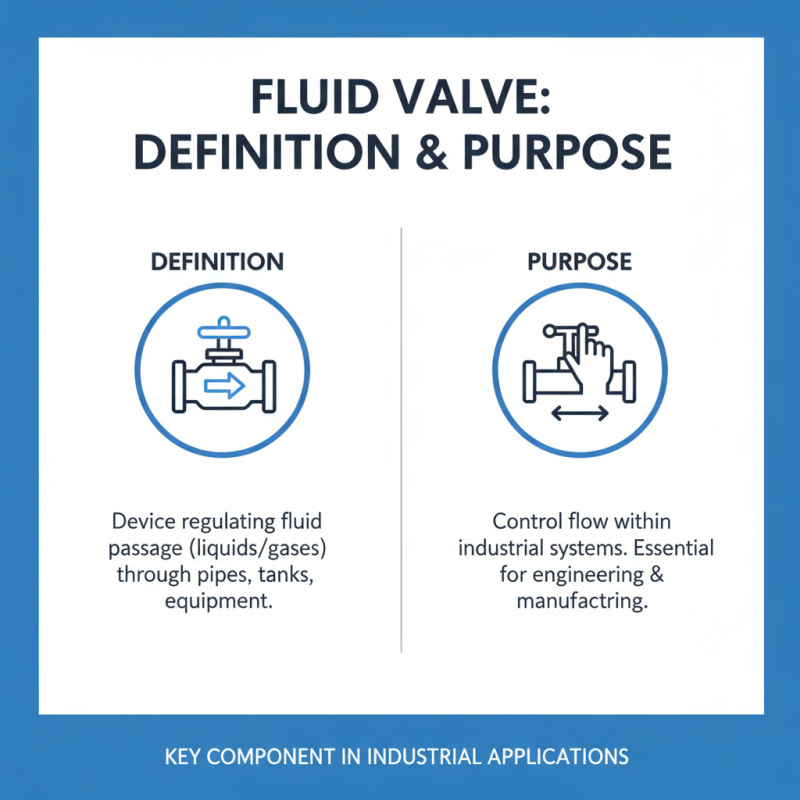
A fluid valve is a crucial component in various industrial applications. It serves to control the flow of liquids and gases within a system. Understanding its definition and purpose is essential for professionals in engineering and manufacturing. A fluid valve can be defined as a device that regulates the passage of fluids through pipes, tanks, or other equipment.
According to a report by the Global Valve Market, the industry is expected to reach $100 billion by 2026. This signifies the growing need for efficient flow control solutions. Fluid valves play a pivotal role in maintaining operational efficiency in industries such as oil and gas, water treatment, and chemical processing. Their primary purpose is to isolate, throttle, or divert fluid flow, providing essential control in complex systems.
The physical design of a fluid valve can vary greatly. It may incorporate different actuation methods, including manual, pneumatic, or electric. This variety allows for tailored solutions to specific industrial needs. However, selecting the right valve can be challenging. Factors like pressure rating, temperature limits, and specific fluid characteristics must be considered. Inaccurate choices can lead to system failures, highlighting the necessity for expert knowledge in valve selection and application.
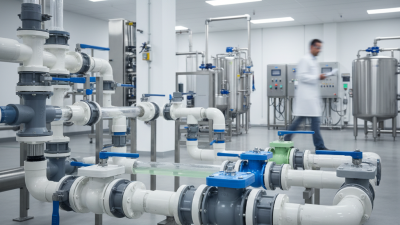
Fluid valves play a crucial role in various industries, managing the flow of liquids and gases. They come in several types, each with specific applications. For example,
gate valves are often used in water supply systems, while globe valves are prevalent in applications requiring
flow regulation. According to industry reports, the global valve market size was valued at
$75 billion in 2020 and is expected to reach $120 billion by 2027, reflecting a significant demand for effective
flow control solutions.
Fluid valves play a crucial role in controlling the flow of liquids and gases in various systems. Understanding how these valves operate involves examining the mechanisms and principles behind them. Typically, a fluid valve works by opening, closing, or partially obstructing passages. This manipulation of flow is often achieved through mechanical means, such as levers or electric actuators.
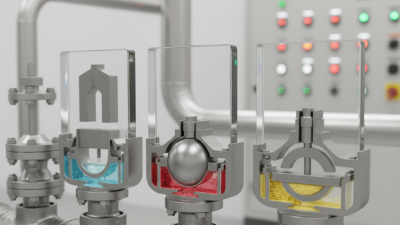
The most common types of fluid valves include ball valves, gate valves, and check valves. Each type has its unique operational principle. For instance, ball valves use a spherical closure element. Rotating the ball allows or blocks flow. Gate valves, on the other hand, involve a gate that slides into the flow path. Their movement can regulate flow with minimal obstruction when fully open.
**Tips:** Ensure the valve is compatible with the fluid type. Different materials resist different fluids. Regular maintenance checks are vital for longevity. Inspect for leaks and ensure proper sealing. Troubleshoot unexpected flow issues by examining actuator responsiveness.
Fluid valves play a crucial role in various industries, controlling the flow of liquids and gases. Their performance is influenced by several key factors. One significant aspect is the fluid characteristics such as viscosity, temperature, and pressure. According to the International Journal of Fluid Mechanics, these parameters can alter the valve's flow rate and response time.
Another important factor is the valve material. Different materials offer various resistance levels to corrosion and temperature. A report from the American Society of Mechanical Engineers notes that choosing the right material can extend a valve's lifecycle significantly. Consider the operating environment. High-heat applications may require specialized materials to prevent failure.
**Tip:** Always assess the compatibility of valve materials with the fluids they will handle.
Additionally, the valve design influences performance. Options include globe, gate, and ball valves, each serving distinct functions. A study by the Valve Manufacturers Association indicates that improper valve selection can lead to inefficiencies, increasing energy consumption by as much as 25%.
**Tip:** Regularly review system requirements to optimize valve selection.
Undoubtedly, these factors are interrelated. Poor assessments can result in costly maintenance or system downtime. Continuous evaluation ensures that the fluid system operates effectively and sustainably.
| Dimension | Description | Influencing Factor | Impact on Performance |
|---|---|---|---|
| Type | Ball Valve | Flow Rate | High flow rate leads to reduced resistance. |
| Material | Stainless Steel | Corrosion Resistance | Improves longevity and reliability in various environments. |
| Size | 2 inches | Valving Specifications | Proper sizing ensures efficient operation and minimal leakage. |
| Pressure Rating | 150 psi | Operating Conditions | High pressure increases the risk of failure if not properly rated. |
| Temperature Range | -20 to 200 °C | Environmental Factors | Exceeding range can lead to valve failure. |
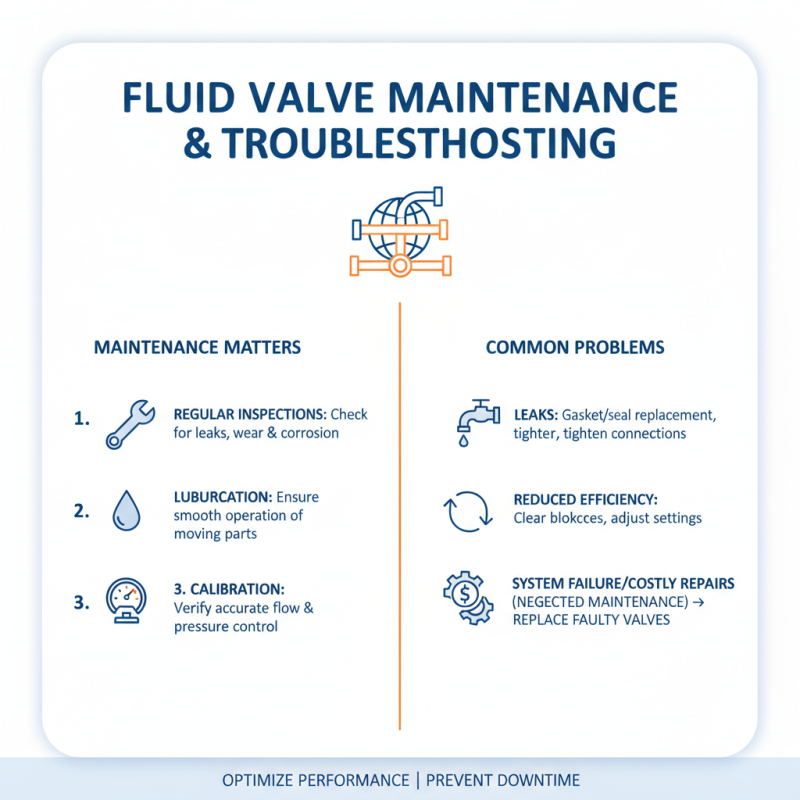
Fluid valves are critical components in various systems. They control the flow and pressure of fluids. Regular maintenance is vital to ensure they operate efficiently. Neglecting maintenance can lead to leaks, reduced efficiency, and costly repairs.
Start by checking for leaks around the valve seals. Use a simple paper towel to detect fluid drops. Inspect the valve body for corrosion or wear. Small cracks can develop over time, compromising performance. If the valve operates erratically, it may mean the components are clogged or damaged. Disassembly and cleaning might be necessary.
Keep a log of maintenance activities. This record helps track performance and identify recurring issues. Always refer to the manufacturer's guidelines for specific troubleshooting steps. Fluid valves can be tricky, and even experienced technicians may overlook small symptoms. Regular training and education about new technologies can help prevent these oversights.

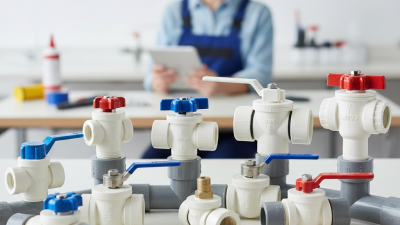
Cepex is the brand for the fluid handling market belonging to the Fluidra group. One of the leading european manufacturer of valves and fittings in thermoplastic materials.
Dedicated to the swimming pool, irrigation and industrial markets, we distribute our products worldwide with the Fluidra commercial network and presence in 46 countries with 136 sales branches.