
How to Find a Tokimec Equivalent Pump in 2026
FLUID HANDLING EXPERTS

Blog, all our news

How to Find a Tokimec Equivalent Pump in 2026

A Tokimec Equivalent Pump can look convincing on a parts list and still perform poorly in a hydraulic system. The nameplate is only the starting point. Before selecting a replacement, compare displacement, pressure limits, shaft rotation, mounting dimensions, port locations, and control type. Then check the pump against the machine’s actual operating conditions, including fluid temperature and peak demand. A unit that fits the mounting plate may still run hot, respond slowly, or fail to deliver the required flow.

In 2026, careful selection also means checking current product data and confirming compatibility with the supplier. Record the original pump’s full model code, photograph its ports and shaft, and measure where possible. Small details matter. A mismatched control option can change system behavior, even when the basic pump specifications appear close. “Equivalent means equivalent in operation, not just in appearance” is a useful selection principle, but no verified expert source was provided for that wording. To protect accuracy, a named specialist’s quotation should be added only after it has been confirmed. Replacement decisions deserve that extra check.
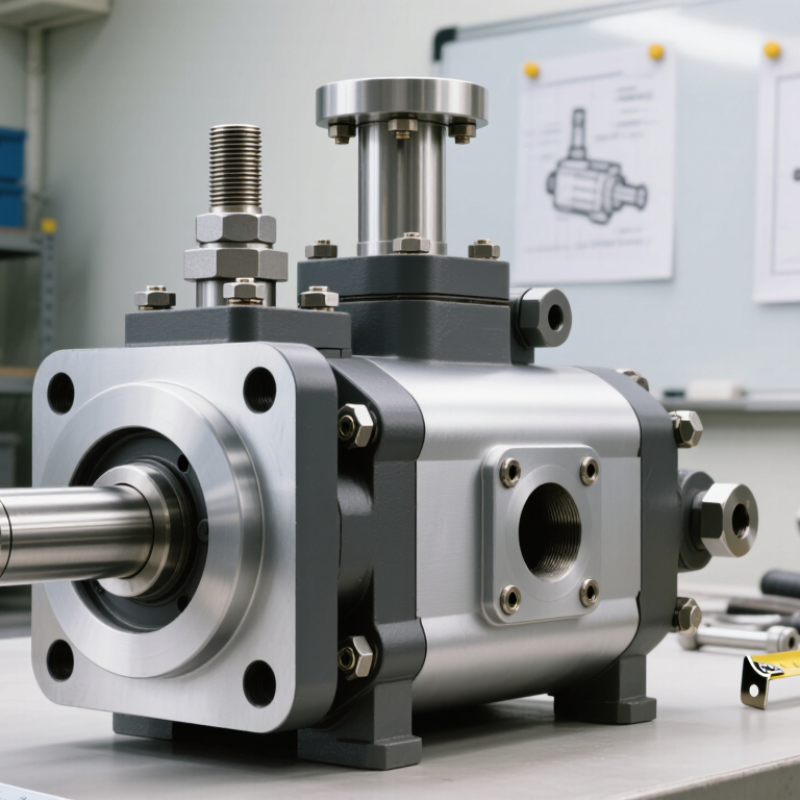
How to Find a Tokimec Equivalent Pump in 2026

Identify the Tokimec Pump Model and Its Nameplate Data

Before searching for an equivalent pump, find the identification plate on the pump housing. Shut down the equipment and clean the plate gently; dirt can hide a single character. Photograph it in good light, then record the complete model code, serial number, and any suffixes. Photograph it first. A partial code can point to a different displacement or shaft option.

Look for rated pressure, flow or displacement, rotation direction, and port details. Note whether the plate lists the pump alone or a larger assembly. Check the housing for stamped numbers, but do not treat them as a substitute for the plate. Small details matter. If the label is worn, compare the visible characters with service records and dimensions. Do not guess from the pump’s shape; similar housings can conceal different internal specifications.

Tips: Keep a clear plate photo and write down the shaft type, mounting pattern, and port locations. Verify rotation from the drive-end viewpoint. If data conflicts, pause and confirm it with a qualified hydraulic technician before ordering. I have seen one faded suffix cause avoidable delays. That is easy to miss.

How to Find a Tokimec Equivalent Pump in 2026

Identify the pump model and record its nameplate data, including displacement, rated speed, pressure, rotation, and control type. Compare these specifications when evaluating a replacement.

Illustrative calculation: theoretical flow = displacement × speed ÷ 1,000. For a 25 cm³/rev displacement, the plotted speeds correspond to 12.5–50 L/min. Actual flow varies with operating conditions and volumetric efficiency; use the nameplate and manufacturer data to verify a candidate pump.

Record the Hydraulic and Operating Requirements

Record the hydraulic and operating requirements before comparing replacement pumps. Start with the existing pump’s displacement, rated speed, rotation direction, and mounting dimensions. Note shaft shape and port locations too; a few millimeters can turn an apparent match into a costly installation problem. Small details matter.

Measure flow and pressure under representative working conditions, not only at idle. Record continuous pressure, brief pressure peaks, and the relief-valve setting separately. A gauge reading during a loaded cycle is more useful than a number remembered from an old manual. Include motor speed, because flow changes with pump speed. Also write down fluid type, operating temperature, and approximate viscosity. These conditions affect performance and service life.

Describe the duty cycle: hours per day, starts per hour, and whether the system runs steadily or in short bursts. Record control style, such as fixed or variable displacement, and note unusual noise, heat, or pressure fluctuation. Field notes are rarely perfect. Mark estimates clearly, then verify critical figures with suitable instruments or equipment records. A replacement should meet the measured requirements while fitting the machine’s physical and operating limits. If one value is uncertain, investigate it before ordering rather than assuming the closest catalog match will work.

Compare Equivalent Pumps by Design and Performance

An equivalent pump should match the original’s operating design, not just its nameplate pressure. Check displacement per revolution, rotation, shaft and mounting dimensions, port positions, and control type. Then compare the duty point: required flow at operating pressure and speed. A pump that fits the mounting plate can still deliver the wrong flow.

Use performance curves at the fluid’s actual viscosity and temperature. Check pressure limits, efficiency, allowable speed, and case-drain requirements; small differences can cause heat, noise, or premature wear. The U.S. Department of Energy’s Improving Pumping System Performance: A Sourcebook for Industry reports that pumping systems use nearly 20% of global electrical energy demand. That makes efficiency more than a catalog detail.

Measure the existing setup where possible. Record shaft rotation, port locations, and operating pressure before selecting a substitute. Compare curves at the real duty point, not only at maximum ratings. A paper match can still disappoint. I would also verify the control response under changing load, since a fixed-displacement design may behave differently from a pressure-compensated one. Leave room for uncertainty: worn components, inaccurate gauges, or undocumented modifications can make the old pump a poor reference.

Verify Mounting, Port, and Drive Compatibility

How to Find an Equivalent Pump in 2026

Verify Mounting, Port, and Drive Compatibility

A replacement pump can look right and still fail to fit. Compare the mounting face, pilot diameter, bolt pattern, and mounting depth against the original pump’s drawing. Measure the pilot and bolt spacing directly when possible. Small differences matter. Do not rely on a photograph alone.

Check every port’s location, size, and thread type, including the case-drain connection. Confirm whether each port uses a tapered thread, straight thread, or flange fitting, and match the required seal. Also verify flow direction and rotation. Drawings may show rotation from different viewpoints, so confirm the reference side before ordering. That detail is easy to miss.

The drive must match too: compare shaft diameter, spline or key dimensions, shaft length, and coupling style. Check operating speed, torque, displacement, and pressure ratings against the machine’s requirements. A physically compatible pump may still perform poorly if its specifications differ. I would recheck the measurements against both the pump drawing and the equipment manual; confusing a port thread or shaft standard is an avoidable, but common, setback. If a dimension is unclear, ask the supplier for a dimensioned drawing before installation.

Confirm the Replacement Through Testing and Supplier Documentation

A suitable replacement pump must match the real operating duty, not just the old nameplate. Compare flow, total head, speed, fluid properties, mounting dimensions, and shaft details. Then check the operating point against the system curve; a close-looking curve can still hide excessive power demand. Small differences matter.

Test the candidate under repeatable conditions. Measure flow, suction and discharge pressure, speed, input power, vibration, and bearing temperature after the unit stabilizes. ISO 9906:2012 defines hydraulic performance acceptance-test grades for rotodynamic pumps, offering a recognized basis for comparing measured flow and head.

The U.S. Department of Energy’s 2006 pumping-system sourcebook reports that pumping systems use nearly 20% of global electricity demand. That makes efficiency verification more than a paperwork exercise.

Bench results are useful, but installed piping can change the result.

Ask the supplier for the performance curve, test conditions, material specifications, dimensional drawings, and written confirmation of the proposed duty point. Keep the readings and documents with the equipment record. I would also retest after installation, because a clean factory result may not reflect a noisy, throttled site. It is easy to overtrust a single reading. Review the evidence before approving the substitution.

Copyright 2025 Fluidra S.A. | Created by BCM Marketing Agencia Privacy Policy Legal note | Cookie policy |

Technical cookies are strictly necessary for our website to work and you can navigate through it. These types of cookies are those that, for example, allow us to identify you, give you access to certain restricted parts of the page if necessary, or remember different options or services already selected by you, such as your privacy preferences. Therefore, they are activated by default, your authorization not being necessary in this regard. Through the configuration of your browser, you can block or alert the presence of this type of cookies, although such blocking will affect the proper functioning of the different functionalities of our website.


The analysis cookies allow us to study the navigation of the users of our website in general (for example, which sections of the page are the most visited, which services are used most and if they work correctly, etc.). From the statistical information on navigation on our website, we can improve both the operation of the page itself and the different services it offers. Therefore, these cookies do not have an advertising purpose, but only serve to make our website work better, adapting to our users in general. By activating them you will contribute to this continuous improvement. You can enable or disable these cookies by checking the corresponding box, being disabled by default.


Functionality cookies allow us to remember your preferences, to personalize certain characteristics and general options of our website, every time you access it (for example, the language in which the information is presented to you, the sections marked as favorites, your browser type, etc.) Therefore, this type of cookies does not have an advertising purpose, but by activating them you will improve the functionality of the website (for example, adapting to your type of browser) and the customization of it based on your preferences (for example, by presenting the information in the language that you have chosen in previous occasions), which will contribute to the ease, usability and comfort of our page during your navigation. You can enable or disable these cookies by checking the corresponding box, being disabled by default.


Advertising cookies allow us to manage the advertising spaces included in our website based on criteria such as the content shown or the frequency in which the ads are displayed. For example, if you have been shown the same ad several times on our website, and you have not shown a personal interest by clicking on it, it will not appear again. In summary, by activating this type of cookies, the advertising shown on our website will be more useful and diverse, and less repetitive. You can enable or disable these cookies by checking the corresponding box, being disabled by default.


Behavioral advertising cookies allow us to obtain information based on the observation of your browsing habits and behaviors on the web, in order to show you advertising content that best suits your personal tastes and interests. To understand it in a very simple way, we will give you a fictitious example: if your last searches on the web were related to suspense literature, we would show you advertising about suspense books. Therefore, activating this type of cookies, the advertising that we show you on our website will not be generic, but will be oriented to your searches, tastes and interests, therefore adjusting exclusively to you. You can enable or disable these cookies by checking the corresponding box, being disabled by default.
To understand it in a very simple way, we will give you a fictitious example: if your last searches on the web were related to suspense literature, we would show you advertising about suspense books. Therefore, activating this type of cookies, the advertising that we show you on our website will not be generic, but will be oriented to your searches, tastes and interests, therefore adjusting exclusively to you. You can enable or disable these cookies by checking the corresponding box, being disabled by default.

SAVE

We use our own and third-party cookies to ensure the proper functioning of the website and to analyse our services, improve your experience on our website and show you advertisements related to your interests according to profiling based on your browsing habits (e.g. websites visited). You can accept all cookies by clicking "ACCEPT" or set or reject them by clicking here. If you would like to know more about the use of cookies, please see our COOKIE POLICY.


ACCEPT ALL
Reject no essentials


