
Why Are Filtration Screens Essential for Effective Filtration?
FLUID HANDLING EXPERTS

Blog, all our news

Why Are Filtration Screens Essential for Effective Filtration?

Filtration Screens play a critical role in ensuring effective filtration in various industries. According to Jane Smith, a leading expert in filtration technology, "The quality of filtration screens can make or break a filtration system." Her statement highlights the importance of these components in achieving optimal results.

Filtration screens work by removing unwanted particles from liquids and gases, thus enhancing overall process efficiency. They are essential in applications ranging from water treatment to food processing. The right filtration screen can significantly improve product quality and reduce maintenance costs.

However, many companies overlook their significance. Poor choice or maintenance of filtration screens can lead to system failures or inefficiencies. Investing in high-quality screens is crucial for both performance and reliability. This is an area where improvement is necessary for many operations. Understanding the vital role of filtration screens can lead to better filtration solutions and sustained success.
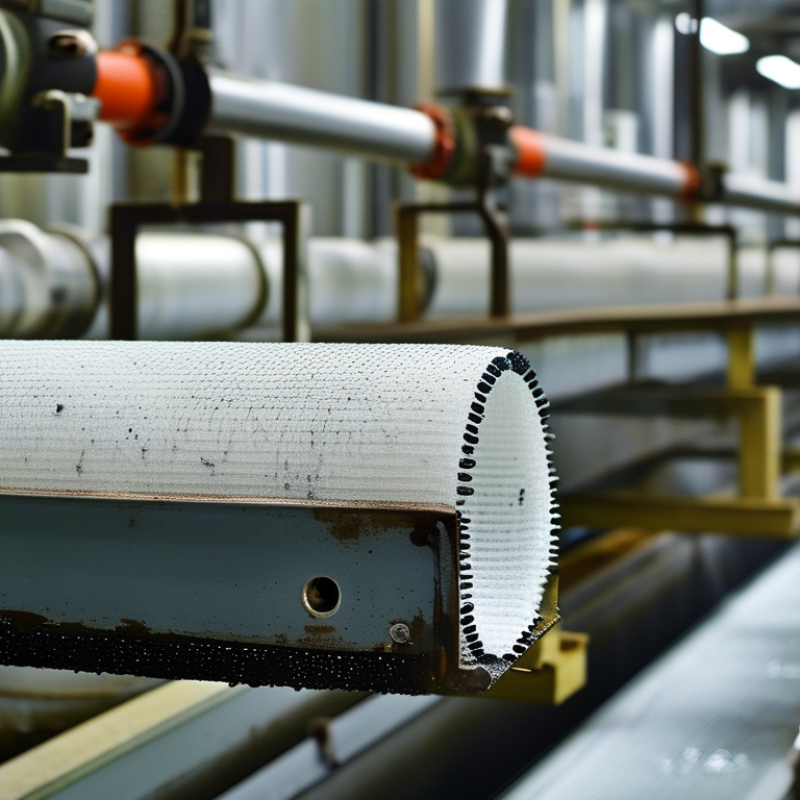
Why Are Filtration Screens Essential for Effective Filtration?

Understanding the Role of Filtration Screens in Filtration Systems

Filtration screens play a crucial role in ensuring effective filtration within various systems. Their primary function is to prevent larger particles from entering the filtration medium. By doing so, they maintain the efficiency and lifespan of the entire filtration system. This not only saves time but also reduces costs associated with maintenance and replacement.

One important aspect to consider is the mesh size of the filtration screens. A finer mesh can capture smaller particles, but it may also lead to quicker clogging. Conversely, a coarser mesh allows larger debris to pass through, potentially compromising the filtration quality. It’s essential to choose the right balance for your specific application.

Tips: Regular inspection of filtration screens is vital. It can help detect blockages early. Ensure you have replacement screens on hand for quick changes. Also, consider the environmental factors that may affect screen performance. High levels of dirt or grime may require more frequent cleaning.

Selecting the right screen involves understanding not just the operation but also the environment it functions in. Each situation is unique, revealing areas for improvement. Fine-tuning your choice of screen can lead to better filtration results. Aim for continuous evaluation of your system's performance to ensure optimal efficiency.

Types of Filtration Screens and Their Applications

Filtration screens come in various types, each designed for specific applications. These screens act as barriers to separate unwanted materials from liquids or gases. In industrial settings, wedge wire screens are common. They efficiently filter out solids while allowing fluids to pass through. Their design minimizes clogging, ensuring continuous operation.

Another type is the mesh screen, often used in water treatment. It captures larger particles and debris. Mesh screens are simple to maintain and can be easily cleaned. However, they may struggle with finer particles. For that, filter bags provide a solution. These bags trap smaller contaminants effectively but require regular replacement to maintain performance.

Choosing the right filtration screen depends on the specific needs of the application. It's essential to consider factors like the type of fluid, particle size, and flow rate. An improper choice may lead to inefficiency and increased costs. Each option comes with its challenges, reflecting the importance of expertise in making the right selection.

Why Are Filtration Screens Essential for Effective Filtration? - Types of Filtration Screens and Their Applications

Filtration Screen Type Mesh Size (microns) Material Applications Efficiency (%)
Wire Mesh 50-200 Stainless Steel Industrial Filtration 90-95
Polyester Screen 10-100 Polyester Food & Beverage 85-90
Nylon Filter 5-50 Nylon Chemical Filtration 95-98
Activated Carbon Screen 1-5 Activated Carbon Water Treatment 99+
Ceramic Filter 0.1-1 Ceramic Residential Filtration 99.9

How Filtration Screens Enhance Operational Efficiency

Filtration screens play a critical role in enhancing operational efficiency across various industries. These screens are designed to capture particulates and impurities from fluids, ensuring that the processed liquids remain clean. By minimizing the amount of debris entering systems, filtration screens help maintain equipment integrity. With less wear and tear, machinery can operate at optimal performance levels.

In addition to protecting equipment, filtration screens improve overall productivity. Clean fluids enhance the quality of the final product. This means fewer quality control issues and reduced downtime. However, it's essential to regularly monitor and maintain these screens. Neglect can lead to blockages, affecting flow rates and potentially causing system failures.

Moreover, the choice of filtration screens impacts energy consumption. Efficient screens require less energy to operate, contributing to sustainability efforts. Businesses should invest in high-quality screens tailored to their specific needs. This approach not only improves efficiency but also supports a more reliable operation. Balancing cost and effectiveness can be challenging, but with proper evaluation, the right decisions can lead to long-term benefits.

Maintenance Practices for Optimal Filtration Screen Performance

Filtration screens play a crucial role in various industries, ensuring efficient filtration processes. Regular maintenance of these screens is essential for optimal performance. According to a report from the American Filtration Society, worn or clogged screens can reduce filtration efficiency by up to 40%. This decline can lead to increased operational costs and more frequent equipment failures.

Proper cleaning practices are vital. It is recommended to use non-abrasive methods to avoid damaging the filter material. Many facilities overlook the importance of monitoring the pressure drop across the screens. A pressure drop exceeding 15 psi can indicate that maintenance is needed. Neglecting this can lead to serious complications down the line.

Routine inspections can reveal wear and tear that may not be easily visible. Operators should document their findings. This data can provide insights into the screen's lifespan and effectiveness. Establishing a proactive maintenance schedule is often overlooked but can prevent costly downtime. Many facilities fail to adhere to maintenance best practices, leading to inefficient filtration.

Impact of Screen Design on Filtration Effectiveness

Filtration screens play a crucial role in the efficiency of various filtration systems. The design of these screens directly affects the filtration process. For instance, a study from the Filtration Society reveals that screens with optimal mesh sizes can improve particle capture rates by up to 30%. This means that selecting the right screen is essential for effective filtration.

Different materials used in screen design also impact performance. A report from the Institute of Chemical Engineers indicates that stainless steel screens endure higher flow rates without compromising integrity. These materials help prevent clogging and allow for longer operational periods. However, not all designs achieve these benefits. Some screens can create excessive pressure drops, reducing overall efficiency.

Examining the structural properties of screens can further highlight design flaws. A poorly designed screen can lead to improper flow channels. This creates turbulence, which may reduce the effective filtration surface area. It's vital for engineers to choose the right specifications based on the application to minimize potential issues. Failing to do so can compromise the entire filtration process.

Copyright 2025 Fluidra S.A. | Created by BCM Marketing Agencia Privacy Policy Legal note | Cookie policy |

Technical cookies are strictly necessary for our website to work and you can navigate through it. These types of cookies are those that, for example, allow us to identify you, give you access to certain restricted parts of the page if necessary, or remember different options or services already selected by you, such as your privacy preferences. Therefore, they are activated by default, your authorization not being necessary in this regard. Through the configuration of your browser, you can block or alert the presence of this type of cookies, although such blocking will affect the proper functioning of the different functionalities of our website.


The analysis cookies allow us to study the navigation of the users of our website in general (for example, which sections of the page are the most visited, which services are used most and if they work correctly, etc.). From the statistical information on navigation on our website, we can improve both the operation of the page itself and the different services it offers. Therefore, these cookies do not have an advertising purpose, but only serve to make our website work better, adapting to our users in general. By activating them you will contribute to this continuous improvement. You can enable or disable these cookies by checking the corresponding box, being disabled by default.


Functionality cookies allow us to remember your preferences, to personalize certain characteristics and general options of our website, every time you access it (for example, the language in which the information is presented to you, the sections marked as favorites, your browser type, etc.) Therefore, this type of cookies does not have an advertising purpose, but by activating them you will improve the functionality of the website (for example, adapting to your type of browser) and the customization of it based on your preferences (for example, by presenting the information in the language that you have chosen in previous occasions), which will contribute to the ease, usability and comfort of our page during your navigation. You can enable or disable these cookies by checking the corresponding box, being disabled by default.


Advertising cookies allow us to manage the advertising spaces included in our website based on criteria such as the content shown or the frequency in which the ads are displayed. For example, if you have been shown the same ad several times on our website, and you have not shown a personal interest by clicking on it, it will not appear again. In summary, by activating this type of cookies, the advertising shown on our website will be more useful and diverse, and less repetitive. You can enable or disable these cookies by checking the corresponding box, being disabled by default.


Behavioral advertising cookies allow us to obtain information based on the observation of your browsing habits and behaviors on the web, in order to show you advertising content that best suits your personal tastes and interests. To understand it in a very simple way, we will give you a fictitious example: if your last searches on the web were related to suspense literature, we would show you advertising about suspense books. Therefore, activating this type of cookies, the advertising that we show you on our website will not be generic, but will be oriented to your searches, tastes and interests, therefore adjusting exclusively to you. You can enable or disable these cookies by checking the corresponding box, being disabled by default.
To understand it in a very simple way, we will give you a fictitious example: if your last searches on the web were related to suspense literature, we would show you advertising about suspense books. Therefore, activating this type of cookies, the advertising that we show you on our website will not be generic, but will be oriented to your searches, tastes and interests, therefore adjusting exclusively to you. You can enable or disable these cookies by checking the corresponding box, being disabled by default.

SAVE

We use our own and third-party cookies to ensure the proper functioning of the website and to analyse our services, improve your experience on our website and show you advertisements related to your interests according to profiling based on your browsing habits (e.g. websites visited). You can accept all cookies by clicking "ACCEPT" or set or reject them by clicking here. If you would like to know more about the use of cookies, please see our COOKIE POLICY.


ACCEPT ALL
Reject no essentials


