
5 Essential Tips for Choosing the Right Butterfly Valve?
FLUID HANDLING EXPERTS

Blog, all our news

5 Essential Tips for Choosing the Right Butterfly Valve?

Choosing the right butterfly valve can be challenging. Many factors play a role in making the best choice. With so many options available, it’s essential to focus on the primary features that will meet your needs. These 5 Butterfly Valve tips can guide you through the selection process.

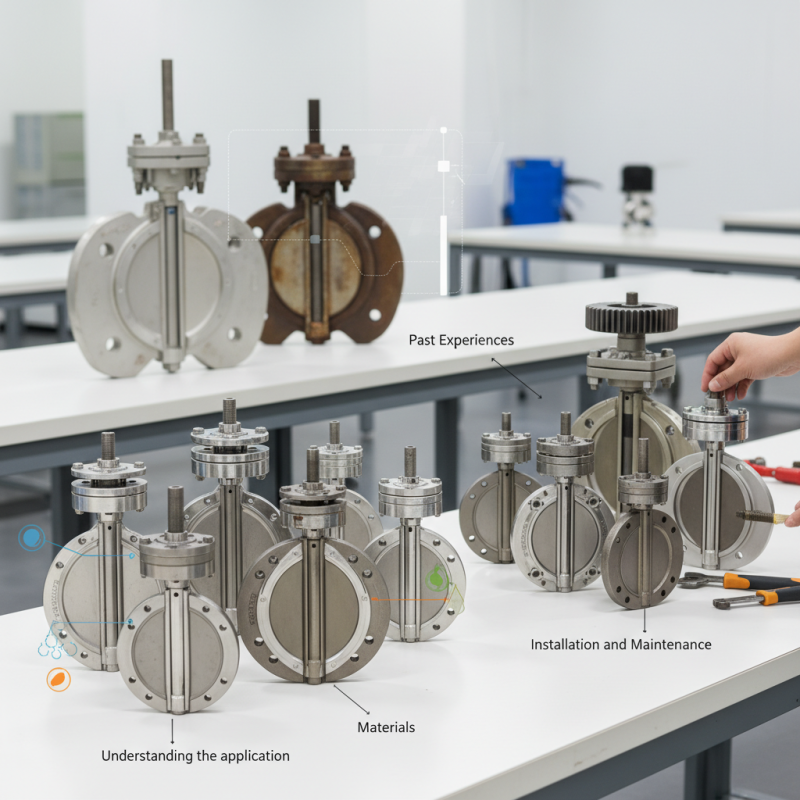
Understanding the application is crucial. The function of the butterfly valve should align with the specific requirements of your system. Consider the materials used in the valve and how they interact with the fluid. This attention to detail can prevent costly mistakes.

Moreover, installation and maintenance are vital considerations. A valve that is easy to install and maintain can save time and resources later. Reflecting on past experiences can help. Many overlook these aspects, leading to difficulties down the line. Always prioritize quality while meeting standards. This approach ensures reliability and performance in the long term.
5 Essential Tips for Choosing the Right Butterfly Valve?

Understanding the Basics of Butterfly Valves

Butterfly valves are essential components in controlling fluid flow. Their simple design allows for easy operation and maintenance. Understanding the basic structure of these valves is crucial for effective usage. Typically, they consist of a disc, a stem, and a body. The disc rotates to open or close the flow. This simplicity makes them ideal for various applications, from water treatment to HVAC systems.

Choosing the right butterfly valve requires some insights. Consider the media type—liquids, gases, or slurries each have different requirements. The valve material matters too. Stainless steel is common for its durability, while PVC works well for certain chemicals. Pressure and temperature ratings must align with your system's needs. Too often, users overlook these specifications, leading to premature failure.

It's vital to recognize that not all butterfly valves are created equal. While one might fit the basic requirements, it could struggle under high demand. Testing and feedback play significant roles in determining performance. A valve that works in one setting may not perform in another. Understanding these nuances can significantly enhance operational reliability and efficiency.

Identifying Your Application Needs for Valve Selection

When selecting A Butterfly Valve, it's crucial to define your application needs first. Various industries utilize butterfly valves differently, so understanding your specific requirements is essential. According to a recent market analysis, 70% of valve failures stem from incorrect application choices. Valve type, material, and pressure rating must match your system’s demands.

For example, a food processing plant's valve should be corrosion-resistant and compliant with sanitary standards. In contrast, a chemical processing facility may require a valve that can withstand harsh chemicals. Consider the temperature and pressure conditions as well. The valve must operate efficiently under expected flows and pressures. An ill-fit can lead to inefficiencies and maintenance issues.

Furthermore, think about the valve's control method. Manual or automated, the right choice impacts operational efficiency significantly. Reports indicate that automated systems can improve response times by up to 30%. However, they also introduce complexity in maintenance and require skilled personnel. Always weigh these factors against your operational goals. Balancing functionality with practicality is key to selecting the right butterfly valve for your application.

5 Essential Tips for Choosing the Right Butterfly Valve

Evaluating Valve Materials and Construction Options

When selecting a butterfly valve, material and construction are crucial. The valve material influences durability and performance. Common choices include stainless steel, ductile iron, and PVC. Each material has its pros and cons. For example, stainless steel offers corrosion resistance, while PVC is lightweight and cost-effective. The type of service environment should guide material selection. According to industry reports, improper material choice can lead to failures, potentially costing operations thousands in downtime.

Tip: Prioritize the application environment when choosing material. Exposure to chemicals or temperature fluctuations can impact valve longevity.

Construction options also matter. Consider the design, including the seat and disc. A high-quality seat can enhance sealing. Low-quality seats may cause leaks, impacting system efficiency. Studies indicate that poorly constructed valves lead to a 20% increase in maintenance costs.

Tip: Evaluate both the design and the construction method. Each affects how well the valve performs under pressure and flow conditions.

Examining Size and Flow Characteristics for Optimal Performance

When selecting a butterfly valve, size and flow characteristics are crucial. A well-sized valve ensures minimal pressure loss while allowing optimal flow rates. According to industry reports, pressure drop can increase by up to 40% when the valve is improperly sized. This highlights the importance of accurate calculations during selection.

Different applications require various flow rates and sizes to function efficiently. For instance, power plants may need larger valves for high flow and minimal turbulence. Conversely, smaller systems in residential settings benefit from compact designs. Understanding these characteristics can lead to improved energy efficiency and cost savings, with studies indicating savings of up to 20% on energy bills when the right valve is used.

It's also vital to reflect on the valve's material and environmental compatibility. Corrosive environments can compromise even the best valves. Choosing materials that align with the specific conditions of your system is critical. Do not overlook this aspect, as it can lead to costly replacements. Balancing size, flow, and material properties will drive better performance in your applications.

Considering Maintenance and Durability Factors in Choice

When selecting the right butterfly valve, maintenance and durability are critical factors. Regular upkeep can significantly extend the lifespan of your valve. You should check for wear and tear frequently. Components like seals and disc materials are particularly prone to degradation. Understanding the environment is essential. Will your valve face corrosive substances or extreme temperatures? These conditions dictate material choice.

Durability is more than just choosing strong materials. It involves knowing how they perform over time. For example, softer materials might be easier to install but could wear out quickly. Consider the valve's operational cycle. A valve that is opened and closed frequently may require more robust components. Additionally, installation errors can shorten a valve’s life. Proper alignment and seal placement matter.

Reflect on your specific needs and constraints. High initial costs won't necessarily equate to better durability. Sometimes, budget options perform well under certain conditions. You may find that a seemingly less durable option suits your application better. Assess whether you're prioritizing long-term performance over immediate savings.

Copyright 2025 Fluidra S.A. | Created by BCM Marketing Agencia Privacy Policy Legal note | Cookie policy |

Technical cookies are strictly necessary for our website to work and you can navigate through it. These types of cookies are those that, for example, allow us to identify you, give you access to certain restricted parts of the page if necessary, or remember different options or services already selected by you, such as your privacy preferences. Therefore, they are activated by default, your authorization not being necessary in this regard. Through the configuration of your browser, you can block or alert the presence of this type of cookies, although such blocking will affect the proper functioning of the different functionalities of our website.


The analysis cookies allow us to study the navigation of the users of our website in general (for example, which sections of the page are the most visited, which services are used most and if they work correctly, etc.). From the statistical information on navigation on our website, we can improve both the operation of the page itself and the different services it offers. Therefore, these cookies do not have an advertising purpose, but only serve to make our website work better, adapting to our users in general. By activating them you will contribute to this continuous improvement. You can enable or disable these cookies by checking the corresponding box, being disabled by default.


Functionality cookies allow us to remember your preferences, to personalize certain characteristics and general options of our website, every time you access it (for example, the language in which the information is presented to you, the sections marked as favorites, your browser type, etc.) Therefore, this type of cookies does not have an advertising purpose, but by activating them you will improve the functionality of the website (for example, adapting to your type of browser) and the customization of it based on your preferences (for example, by presenting the information in the language that you have chosen in previous occasions), which will contribute to the ease, usability and comfort of our page during your navigation. You can enable or disable these cookies by checking the corresponding box, being disabled by default.


Advertising cookies allow us to manage the advertising spaces included in our website based on criteria such as the content shown or the frequency in which the ads are displayed. For example, if you have been shown the same ad several times on our website, and you have not shown a personal interest by clicking on it, it will not appear again. In summary, by activating this type of cookies, the advertising shown on our website will be more useful and diverse, and less repetitive. You can enable or disable these cookies by checking the corresponding box, being disabled by default.


Behavioral advertising cookies allow us to obtain information based on the observation of your browsing habits and behaviors on the web, in order to show you advertising content that best suits your personal tastes and interests. To understand it in a very simple way, we will give you a fictitious example: if your last searches on the web were related to suspense literature, we would show you advertising about suspense books. Therefore, activating this type of cookies, the advertising that we show you on our website will not be generic, but will be oriented to your searches, tastes and interests, therefore adjusting exclusively to you. You can enable or disable these cookies by checking the corresponding box, being disabled by default.
To understand it in a very simple way, we will give you a fictitious example: if your last searches on the web were related to suspense literature, we would show you advertising about suspense books. Therefore, activating this type of cookies, the advertising that we show you on our website will not be generic, but will be oriented to your searches, tastes and interests, therefore adjusting exclusively to you. You can enable or disable these cookies by checking the corresponding box, being disabled by default.

SAVE

We use our own and third-party cookies to ensure the proper functioning of the website and to analyse our services, improve your experience on our website and show you advertisements related to your interests according to profiling based on your browsing habits (e.g. websites visited). You can accept all cookies by clicking "ACCEPT" or set or reject them by clicking here. If you would like to know more about the use of cookies, please see our COOKIE POLICY.


ACCEPT ALL
Reject no essentials


