
How to Effectively Use Warning Scaffold Tag for Safety Tips?
FLUID HANDLING EXPERTS

Blog, all our news

How to Effectively Use Warning Scaffold Tag for Safety Tips?

In the construction industry, safety is paramount. One effective tool for enhancing safety measures is the Warning Scaffold Tag. These tags play a crucial role in communicating the status of scaffolding to workers. They provide vital information about the scaffolding's load capacity and any potential hazards. However, they are often overlooked or misused on job sites.

Understanding the proper use of the Warning Scaffold Tag is essential for worksite safety. Tags must be clear and visible, easily identifiable by all personnel. Insufficient training or unclear instructions can lead to serious accidents. Workers may ignore the tags if they are not confident in their meaning. This shows a gap in safety awareness that needs addressing.

By implementing proper practices and reinforcing tag importance, we can create a safer working environment. Regular inspections and staff training are essential. Everyone must be aware that these tags are not just compliance tools; they are life-saving signals. Making safety a shared responsibility can transform perspectives on scaffolding safety measures.
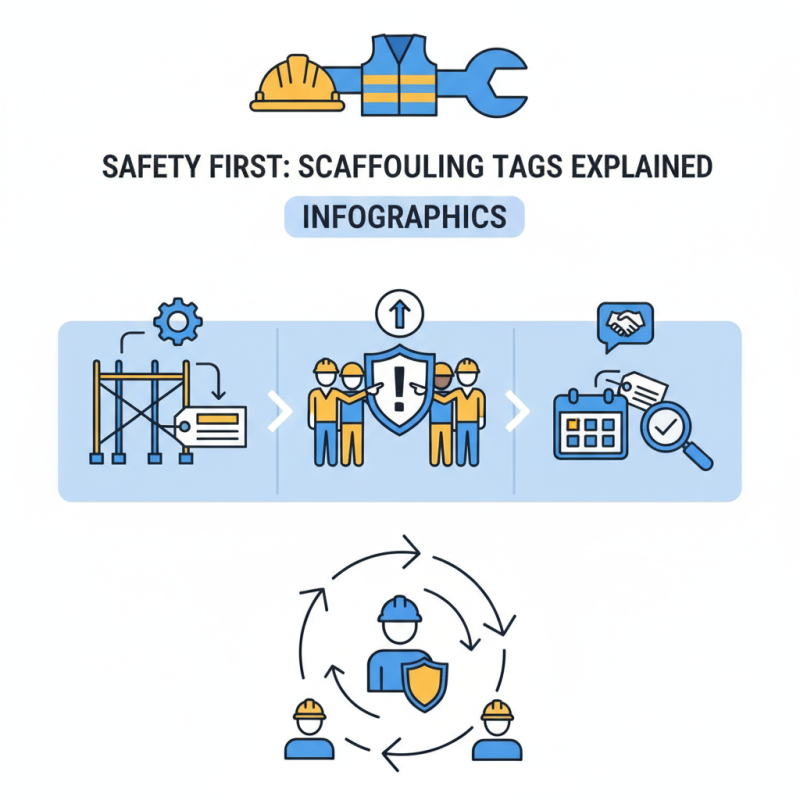
How to Effectively Use Warning Scaffold Tag for Safety Tips?

Understanding Warning Scaffold Tags and Their Purpose

Warning scaffold tags serve an essential purpose in promoting safety on construction sites. These tags highlight potential hazards that workers may encounter. Each tag provides clear, visual cues to remind everyone of existing risks. By using bright colors and bold text, they grab attention effectively.

Understanding the proper placement of these tags is crucial. Tags should be placed near areas with ongoing work or specific hazards. Proper visibility ensures that workers remain aware of their surroundings. This awareness can significantly reduce accidents. However, some sites might overlook consistent tagging, leading to confusion or increased risk.

Reflecting on practices can reveal gaps in safety protocols. Regular inspections should ensure tags are not faded or missing. Workers should be encouraged to voice concerns about tag placement. This can create a culture of safety that promotes collaboration and vigilance. In doing so, teams can better navigate their work environment together.

How to Effectively Use Warning Scaffold Tag for Safety Tips?

Safety Tip Description Usage Frequency Applicable Areas
Always Wear Protection Gear Ensure to wear helmets, gloves, and harnesses at all times. Always Construction Sites
Check Scaffold Stability Inspect scaffolding for any signs of instability before use. Before Use All Work Areas
Avoid Overloading Never exceed the maximum load capacity of the scaffolding. During Use High-Rise Buildings
Clear Area Below Keep the area under the scaffold free of debris and personnel. Always Active Work Sites
Regular Inspections Conduct regular checks on equipment and scaffolding integrity. Weekly Construction Facilities

Key Safety Tips Indicated by Warning Scaffold Tags

Warning scaffold tags play a crucial role in providing safety information on construction sites. These tags often display essential safety tips designed to protect workers from potential hazards. For example, they may indicate whether a harness is required when working at heights. Workers need to pay attention to these reminders to avoid accidents.

Another important feature of warning scaffold tags is their color coding. Bright colors grab attention, signaling urgency and caution. Red tags typically indicate immediate dangers, while yellow tags suggest caution. It is essential for all site personnel to understand these color codes for effective safety practices. Taking time to review these tags can prevent injuries and save lives.

Despite their importance, some workers overlook these warnings. This negligence can stem from familiarity with the environment or a misconception that they're safe. Regular training sessions can help reinforce the significance of these tags. It creates a culture of safety awareness and encourages workers to respect these critical resources. Remember, safety is a shared responsibility.

Safety Tips Effectiveness Comparison Using Warning Scaffold Tags

Best Practices for Implementing Warning Scaffold Tags on Sites

When it comes to site safety, using warning scaffold tags is crucial. These tags communicate essential information to workers and visitors. The implementation of warning scaffold tags should be systematic to ensure maximum effectiveness. Clear visibility is key. Use bright colors and large fonts for immediate recognition. Place tags at eye level and near hazardous areas.


Tip: Regularly inspect tags for wear and tear. Damaged tags can lead to confusion and jeopardize safety. Ensure that tags include specific warnings relevant to the scaffolding. This could range from fall hazards to load limits. Each tag should give precise and actionable information.


Consider involving workers in the tagging process. Gather feedback on tag effectiveness and clarity. This can lead to improved safety measures on-site. A tag may seem straightforward, but it plays a vital role in preventing accidents. Keep updating the tags as conditions change. A static warning can become irrelevant quickly, making it essential to regularly review and revise the information provided.

Common Mistakes to Avoid When Using Warning Scaffold Tags

Warning scaffold tags play a vital role in ensuring safety at construction sites. However, several common mistakes can undermine their effectiveness. One of the most significant errors is overlooking the proper placement of these tags. They should be easily visible to all workers. If they are hidden or too high, their purpose is defeated.

Another mistake is using vague language on the tags. Clear and direct messages are crucial. Workers must understand the risks at a glance. For instance, instead of saying "caution," specify "slippery surface." This clarity reduces the chances of accidents.

Tips for using warning scaffold tags effectively include checking the tags regularly for damage. Torn or faded tags can create confusion. Always replace them if they become unreadable. Engaging workers in discussions about safety and the meaning of each tag fosters a culture of awareness. Simple dialogues can identify potential oversights and improve the overall safety environment.

Regulatory Standards and Compliance for Scaffold Safety Tags

When working with scaffolds, safety is paramount. Compliance with regulatory standards is crucial to ensure worker protection and site safety. Various organizations set these guidelines, aiming to minimize accidents. For instance, OSHA outlines specific training requirements for scaffold use. It also mandates the presence of warning scaffold tags, serving as essential communication tools.

These tags provide real-time safety information. They inform users about the scaffold's load capacity, inspection dates, and any potential hazards. A well-implemented tagging system can significantly reduce injuries. However, it is not foolproof. Workers and supervisors must remain vigilant. Tags may be ignored or misunderstood when urgency arises. Keeping the workplace education ongoing helps reinforce the importance of these tags.

Employers can face severe consequences for non-compliance. The lack of adherence to safety standards may lead to hefty fines. Additionally, ignoring safety regulations can result in increased liability. Continuous training sessions are vital for fostering a culture of safety. This commitment ensures that workers are aware and can responsibly engage with scaffolding situations.

Copyright 2025 Fluidra S.A. | Created by BCM Marketing Agencia Privacy Policy Legal note | Cookie policy |

Technical cookies are strictly necessary for our website to work and you can navigate through it. These types of cookies are those that, for example, allow us to identify you, give you access to certain restricted parts of the page if necessary, or remember different options or services already selected by you, such as your privacy preferences. Therefore, they are activated by default, your authorization not being necessary in this regard. Through the configuration of your browser, you can block or alert the presence of this type of cookies, although such blocking will affect the proper functioning of the different functionalities of our website.


The analysis cookies allow us to study the navigation of the users of our website in general (for example, which sections of the page are the most visited, which services are used most and if they work correctly, etc.). From the statistical information on navigation on our website, we can improve both the operation of the page itself and the different services it offers. Therefore, these cookies do not have an advertising purpose, but only serve to make our website work better, adapting to our users in general. By activating them you will contribute to this continuous improvement. You can enable or disable these cookies by checking the corresponding box, being disabled by default.


Functionality cookies allow us to remember your preferences, to personalize certain characteristics and general options of our website, every time you access it (for example, the language in which the information is presented to you, the sections marked as favorites, your browser type, etc.) Therefore, this type of cookies does not have an advertising purpose, but by activating them you will improve the functionality of the website (for example, adapting to your type of browser) and the customization of it based on your preferences (for example, by presenting the information in the language that you have chosen in previous occasions), which will contribute to the ease, usability and comfort of our page during your navigation. You can enable or disable these cookies by checking the corresponding box, being disabled by default.


Advertising cookies allow us to manage the advertising spaces included in our website based on criteria such as the content shown or the frequency in which the ads are displayed. For example, if you have been shown the same ad several times on our website, and you have not shown a personal interest by clicking on it, it will not appear again. In summary, by activating this type of cookies, the advertising shown on our website will be more useful and diverse, and less repetitive. You can enable or disable these cookies by checking the corresponding box, being disabled by default.


Behavioral advertising cookies allow us to obtain information based on the observation of your browsing habits and behaviors on the web, in order to show you advertising content that best suits your personal tastes and interests. To understand it in a very simple way, we will give you a fictitious example: if your last searches on the web were related to suspense literature, we would show you advertising about suspense books. Therefore, activating this type of cookies, the advertising that we show you on our website will not be generic, but will be oriented to your searches, tastes and interests, therefore adjusting exclusively to you. You can enable or disable these cookies by checking the corresponding box, being disabled by default.
To understand it in a very simple way, we will give you a fictitious example: if your last searches on the web were related to suspense literature, we would show you advertising about suspense books. Therefore, activating this type of cookies, the advertising that we show you on our website will not be generic, but will be oriented to your searches, tastes and interests, therefore adjusting exclusively to you. You can enable or disable these cookies by checking the corresponding box, being disabled by default.

SAVE

We use our own and third-party cookies to ensure the proper functioning of the website and to analyse our services, improve your experience on our website and show you advertisements related to your interests according to profiling based on your browsing habits (e.g. websites visited). You can accept all cookies by clicking "ACCEPT" or set or reject them by clicking here. If you would like to know more about the use of cookies, please see our COOKIE POLICY.


ACCEPT ALL
Reject no essentials



