
What is a Dust Test Chamber and How Does it Work?
FLUID HANDLING EXPERTS

Blog, all our news

What is a Dust Test Chamber and How Does it Work?

A Dust Test Chamber is an essential tool in many industries. It helps evaluate how products withstand exposure to dust and particulate matter. This testing is crucial for ensuring reliability, especially for electronics and mechanical devices. The chamber simulates real-world conditions, challenging products in a controlled environment.

Inside a Dust Test Chamber, dust is generated and introduced to the test samples. This process allows engineers to assess durability and performance. They often look for signs of wear or malfunction. Such evaluations can reveal unexpected vulnerabilities in seemingly robust products. The insights gained are valuable, driving design improvements and enhancing product longevity.

Moreover, the effectiveness of a Dust Test Chamber relies on accurate conditions, like airflow and dust concentration. Creating a realistic environment is not effortless. Engineers must balance various factors to ensure meaningful results. This complexity highlights the importance of professional expertise in the testing process. A Dust Test Chamber not only tests products but also guides innovation, making it a cornerstone in product development.
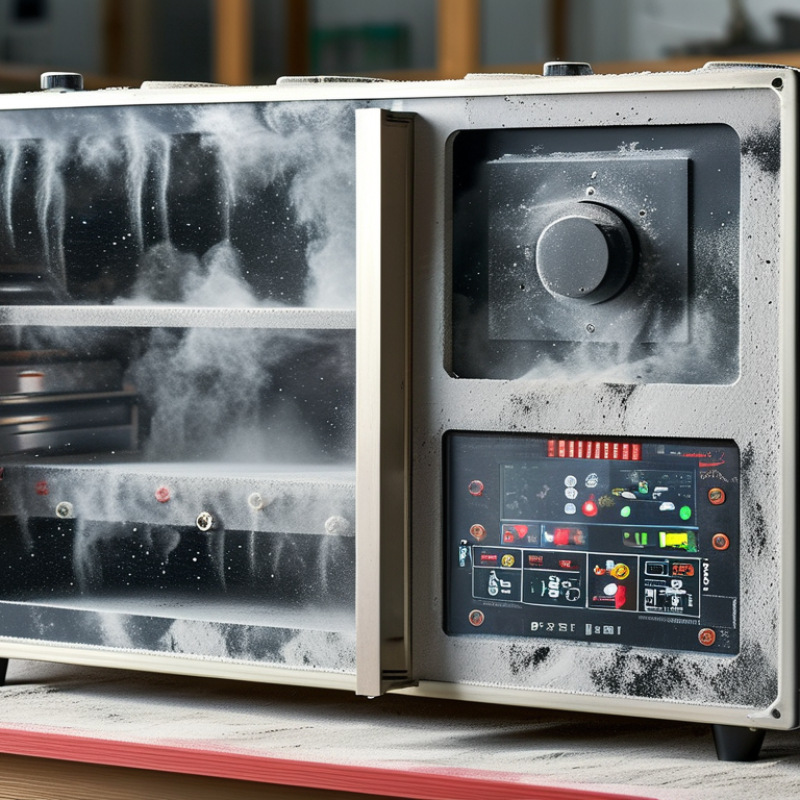
What is a Dust Test Chamber and How Does it Work?

Definition and Purpose of a Dust Test Chamber

A dust test chamber is a controlled environment used to assess the performance of materials and products in the presence of dust. Its primary purpose is to simulate real-world conditions where dust and particulate matter can impact the operation and longevity of devices. By exposing products to specific dust concentrations, manufacturers can evaluate their durability and reliability.

According to industry reports, around 80% of electronic failures are directly attributed to dust accumulation. The dust test chamber creates a standardized method to measure this effect. It provides a quantifiable approach to assess how well products resist dust ingress. The International Electrotechnical Commission outlines rigorous standards for testing, emphasizing the need for accurate data in product development.

Understanding the importance of dust testing is crucial. Dust can lead to overheating, reduced functionality, and even product failure. Some studies indicate that devices exposed to high dust levels may degrade 30% faster than those kept clear. These statistics highlight the necessity for manufacturers to invest in reliable dust test chambers to ensure product longevity and consumer satisfaction.

Components of a Dust Test Chamber

A dust test chamber is critical in evaluating the durability of products against dust exposure. Understanding its components helps in comprehending its functionality. Key parts include the test chamber, dust feed system, and control unit. Each component plays a significant role in simulating real-world dust conditions.

The test chamber itself is designed to create a controlled environment. Measurements and adjustments are vital here. Studies indicate that about 70% of product failures occur due to dust infiltration. Therefore, testing products in a dust chamber provides reliable data. The dust feed system introduces specific quantities of dust particles, ensuring accurate simulations. Control units monitor dust concentration and airflow, providing valuable insights into product performance.

However, the efficiency of dust test chambers can vary based on design nuances. Some chambers may not effectively mimic real-world conditions, leading to potentially flawed results. Engineers need to analyze test conditions carefully. Proper calibration and maintenance of equipment are essential for precise results. Understanding the limitations of the testing setup is crucial for improving product resilience.

Dust Test Chamber Performance Metrics

Working Principles of a Dust Test Chamber

A dust test chamber is a specialized tool designed to evaluate the resistance of materials to dust exposure. This chamber simulates real-world conditions by generating a controlled dust environment. The process involves the introduction of dust particles into a sealed chamber. As materials are tested, various factors like time and concentration levels are monitored. This helps in understanding how dust might affect the product’s performance.

Inside the chamber, a dust distribution system ensures even dispersion of particles. The airflow is also precisely controlled to mimic different environmental conditions. Equipment is expected to face dust in many settings, such as construction sites or manufacturing plants. Testing helps manufacturers determine the durability and longevity of their products. They can observe how dust accumulates and whether it impacts the functionality.

However, not all dust test chambers operate the same way. Some may lack the proper calibration for accurate results. This could lead to misleading conclusions about a product's durability. Therefore, it's crucial for engineers to regularly review and adjust their testing processes. Balancing realism and repeatability is essential to obtaining valuable data. Evaluating how the systems react to dust not only improves product design but also enhances overall safety standards.

Applications of Dust Test Chambers in Various Industries

Dust test chambers are essential in various industries for evaluating the performance of products against dust exposure. These chambers simulate real-world dusty environments, allowing manufacturers to assess the durability and reliability of their products. For example, the automotive sector employs dust test chambers to verify how well components function in sandy or particulate-laden conditions.

In electronics, a report by MarketsandMarkets states that the dust testing market is expected to grow significantly, driven by increased demand for robust devices. Testing helps ensure that devices are not only operable but also maintain performance even in harsh conditions. Industries like aerospace and telecommunications likewise rely on dust testing to fulfill rigorous standards, ensuring safety and operational integrity.

Tips: Always check the calibration of your dust chamber before testing. Small errors can skew results significantly. Additionally, consider the specific type of dust applicable to your product. Not all dust is the same, and the type can influence performance outcomes. Engaging with third-party testing services may provide fresh insights and validate your findings.

Maintenance and Best Practices for Dust Test Chambers

Dust test chambers are essential for evaluating the performance of electronic devices and other materials in dusty environments. Regular maintenance is crucial to ensure accurate test results. A well-maintained chamber minimizes contamination and prolongs its lifespan. Calibration is essential for reliability. Regular checks help identify any deviations in performance.

The International Electrotechnical Commission (IEC) recommends dust test cycles to simulate real-world conditions. Regular dust particle concentration checks, adhering to IEC standards, enhance testing effectiveness. Chambers should also undergo routine cleaning. Dust build-up can skew test outcomes, making consistent maintenance a priority.

Documenting all maintenance activities creates a reliable tracking system. This practice helps manufacturers identify patterns over time. It contributes to continuous improvement in testing processes. Ultimately, a systematic approach to maintenance not only ensures compliance but also enhances the credibility of test results.

What is a Dust Test Chamber and How Does it Work? - Maintenance and Best Practices for Dust Test Chambers

Parameter Description Recommended Value
Chamber Size Internal dimensions for testing samples 1m x 1m x 1m
Dust Type Type of dust used for testing Class A - Fine Dust
Test Duration Time duration for each dust test 2 hours
Airflow Rate Volume of air passed through the chamber during testing 500 L/min
Temperature Range Operating temperature during testing 20°C to 25°C
Humidity Control Humidity level required during tests 40% to 60%
Safety Features Integrated safety mechanisms to prevent accidents Overheat protection, emergency stop
Copyright 2025 Fluidra S.A. | Created by BCM Marketing Agencia Privacy Policy Legal note | Cookie policy |

Technical cookies are strictly necessary for our website to work and you can navigate through it. These types of cookies are those that, for example, allow us to identify you, give you access to certain restricted parts of the page if necessary, or remember different options or services already selected by you, such as your privacy preferences. Therefore, they are activated by default, your authorization not being necessary in this regard. Through the configuration of your browser, you can block or alert the presence of this type of cookies, although such blocking will affect the proper functioning of the different functionalities of our website.


The analysis cookies allow us to study the navigation of the users of our website in general (for example, which sections of the page are the most visited, which services are used most and if they work correctly, etc.). From the statistical information on navigation on our website, we can improve both the operation of the page itself and the different services it offers. Therefore, these cookies do not have an advertising purpose, but only serve to make our website work better, adapting to our users in general. By activating them you will contribute to this continuous improvement. You can enable or disable these cookies by checking the corresponding box, being disabled by default.


Functionality cookies allow us to remember your preferences, to personalize certain characteristics and general options of our website, every time you access it (for example, the language in which the information is presented to you, the sections marked as favorites, your browser type, etc.) Therefore, this type of cookies does not have an advertising purpose, but by activating them you will improve the functionality of the website (for example, adapting to your type of browser) and the customization of it based on your preferences (for example, by presenting the information in the language that you have chosen in previous occasions), which will contribute to the ease, usability and comfort of our page during your navigation. You can enable or disable these cookies by checking the corresponding box, being disabled by default.


Advertising cookies allow us to manage the advertising spaces included in our website based on criteria such as the content shown or the frequency in which the ads are displayed. For example, if you have been shown the same ad several times on our website, and you have not shown a personal interest by clicking on it, it will not appear again. In summary, by activating this type of cookies, the advertising shown on our website will be more useful and diverse, and less repetitive. You can enable or disable these cookies by checking the corresponding box, being disabled by default.


Behavioral advertising cookies allow us to obtain information based on the observation of your browsing habits and behaviors on the web, in order to show you advertising content that best suits your personal tastes and interests. To understand it in a very simple way, we will give you a fictitious example: if your last searches on the web were related to suspense literature, we would show you advertising about suspense books. Therefore, activating this type of cookies, the advertising that we show you on our website will not be generic, but will be oriented to your searches, tastes and interests, therefore adjusting exclusively to you. You can enable or disable these cookies by checking the corresponding box, being disabled by default.
To understand it in a very simple way, we will give you a fictitious example: if your last searches on the web were related to suspense literature, we would show you advertising about suspense books. Therefore, activating this type of cookies, the advertising that we show you on our website will not be generic, but will be oriented to your searches, tastes and interests, therefore adjusting exclusively to you. You can enable or disable these cookies by checking the corresponding box, being disabled by default.

SAVE

We use our own and third-party cookies to ensure the proper functioning of the website and to analyse our services, improve your experience on our website and show you advertisements related to your interests according to profiling based on your browsing habits (e.g. websites visited). You can accept all cookies by clicking "ACCEPT" or set or reject them by clicking here. If you would like to know more about the use of cookies, please see our COOKIE POLICY.


ACCEPT ALL
Reject no essentials


