
What is Construction Pipe and How to Choose the Right One?
FLUID HANDLING EXPERTS

Blog, all our news

What is Construction Pipe and How to Choose the Right One?

Construction Pipes play a crucial role in modern infrastructure. They facilitate the movement of liquids, gases, and other materials essential in construction projects. The global construction pipe market is projected to reach $150 billion by 2025, according to industry analysts. With such significant investment, choosing the right type of construction pipe is vital for project success.

Different types of construction pipes exist, including PVC, CPVC, and metal pipes. Each type has unique properties suited to various applications. For instance, PVC pipes are durable and cost-effective, making them popular for water supply systems. In contrast, metal pipes offer greater strength and heat resistance, suitable for industrial applications. Amid these options, selecting the appropriate construction pipe could significantly impact efficiency and safety.

However, determining the best pipe for a project is not always straightforward. Factors such as environmental conditions, pressure requirements, and compatibility with fluids must be considered. Misjudging these parameters can result in project delays or increased costs. Therefore, a careful evaluation of existing data and professional insights is essential for making an informed decision in the rapidly evolving construction landscape.
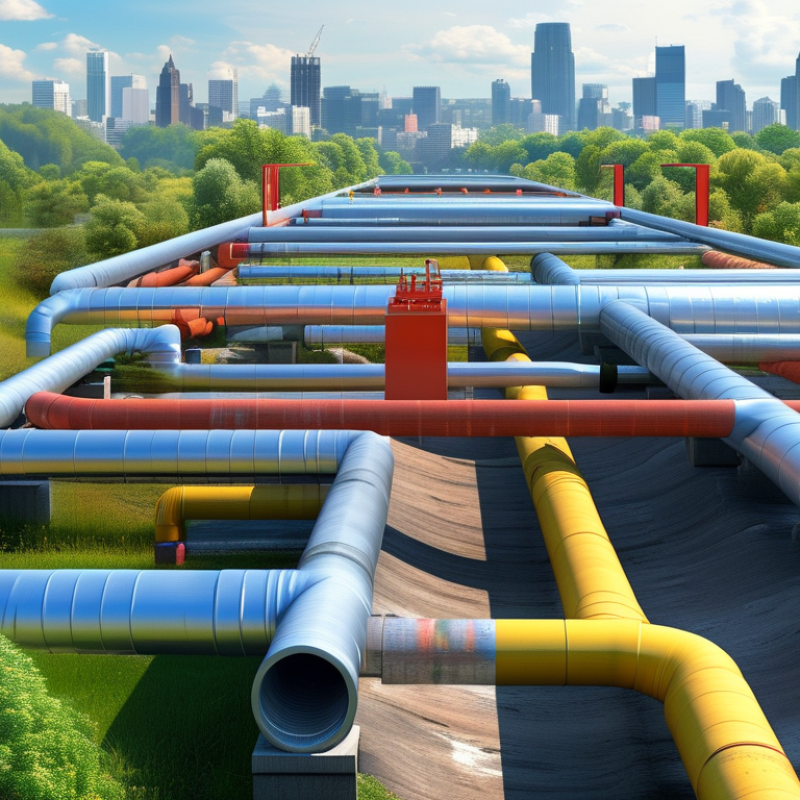
What is Construction Pipe and How to Choose the Right One?

What is Construction Pipe?

Construction pipes are essential components in various building projects. They are used for conveying liquids, gases, or even solid materials. This versatility makes them a critical aspect of plumbing, drainage, and ventilation systems. A construction pipe can be made from several materials, each offering unique benefits. Common options include PVC, copper, and steel. Each material has specific applications and characteristics that must be considered.

Choosing the right construction pipe involves understanding the project requirements. For instance, PVC pipes are lightweight and resistant to corrosion, ideal for many residential services. Copper pipes, while more expensive, are durable and provide excellent thermal conductivity. Steel pipes offer strength and support heavy loads, making them suitable for industrial settings. It’s important to evaluate factors like pressure, temperature, and fluid type before making a decision. Mistakes can lead to leaks or failures, compromising structural integrity.

Additionally, local building codes often dictate which materials can be used in construction. Familiarity with these regulations is vital. Always consult with experts in the field when unsure. Relying on experience and knowledge can prevent costly errors. Make informed choices, and ensure the longevity and safety of your projects.

Types of Construction Pipes and Their Applications

Construction pipes play a vital role in various sectors, including residential, commercial, and industrial settings. Selecting the right type of pipe is crucial for ensuring durability and efficiency. Common types of construction pipes include PVC, CPVC, PEX, and metal pipes. Each material has unique properties suited for specific applications.

PVC pipes are lightweight and resistant to corrosion. They are ideal for drainage systems and plumbing. CPVC pipes can handle hotter water, making them suitable for hot water lines. PEX is flexible and great for fast installations, often used in residential buildings. Metal pipes, like Copper or Steel, provide strength and durability, mostly used in high-pressure applications.

Tip: Always consider the environment where the pipe will be used. For example, underground installations require durable options that can withstand soil conditions.

When choosing a pipe, it's important to align your selection with industry standards. According to the American Society for Testing and Materials (ASTM), proper pipe selection can improve system performance and longevity.

Reflecting on past projects can provide insights. Were the chosen materials appropriate? Did they meet the long-term needs? Analyzing these aspects helps in making better choices for future projects.

Factors to Consider When Choosing Construction Pipes

When selecting construction pipes, several key factors must be considered. The material type is crucial. PVC pipes are widely used due to their durability and low cost, but they may not withstand extreme heat. Conversely, steel pipes offer strength and resilience, yet they are heavier and more expensive. A report from the American Society of Civil Engineers states that material selection impacts project cost by 30% or more.

Another important aspect is pipe size. Proper sizing ensures efficient fluid flow and pressure management. Oversized pipes can lead to increased costs without benefits. On the other hand, undersized pipes risk pressure drops and potential failures. According to the National Institute of Standards and Technology, 20% of installation errors stem from improper sizing.

Installation environment also plays a role. Pipes used in corrosive environments require protective coatings or corrosion-resistant materials. Ignoring these details can lead to premature failures. Insight from industry experts reveals that about 25% of pipe failures are due to environmental influences. Choosing the right construction pipe requires careful evaluation of these factors, reflecting a blend of technical knowledge and practical experience.

How to Evaluate Quality and Durability of Pipes

When evaluating the quality and durability of construction pipes, materials matter significantly. Common options include PVC, CPVC, HDPE, and metal. Each material has distinct advantages. PVC is lightweight and resistant to corrosion. Metal can withstand high pressure but may be prone to rust. The choice depends on specific project needs.

Inspect the pipe's specifications carefully. Look for certifications and industry standards that validate quality. Consider wall thickness, which impacts durability. Thicker walls often mean better resistance to pressure and wear. Additionally, flexibility can be important for installation purposes. A pipe that bends ensures adaptability in various environments.

Don't overlook the importance of the installation process. Poor installation can lead to future issues, regardless of material quality. Always seek expert advice for optimal fitting techniques. Reflect on past projects — where did installations fail? Learning from these experiences can guide better decisions. Ultimately, a well-chosen pipe enhances longevity and functionality in construction.

Best Practices for Installation and Maintenance of Construction Pipes

When it comes to installing and maintaining construction pipes, attention to detail is crucial. Proper installation can significantly impact the lifespan and functionality of the pipes. According to industry reports, improperly installed pipes can lead to leaks and costly repairs, with estimates suggesting that these issues can raise operational costs by up to 30%.

Regular maintenance is equally important. Inspections should be conducted at least once a year. These inspections can identify potential failures early. For example, corrosion in steel pipes can lead to catastrophic failures if not addressed. The National Association of Corrosion Engineers reported that about 25% of piping systems suffer from corrosion-related issues.

Choosing the right materials for specific environments enhances pipe longevity. PVC pipes are often recommended for underground installations as they resist corrosion effectively. However, environmental factors must also be considered. Rainfall, soil type, and temperature can affect pipe performance. Failure to account for these can lead to premature failures. Regular monitoring and adapting maintenance practices can lead to improved outcomes in pipe infrastructure.

What is Construction Pipe and How to Choose the Right One? - Best Practices for Installation and Maintenance of Construction Pipes

Pipe Material Common Uses Advantages Disadvantages Maintenance Tips
PVC Drainage, Irrigation Lightweight, Corrosion-resistant Brittle in cold temperatures Inspect for cracks and leaks annually
HDPE Water Supply, Sewage Flexible, Resistant to impact Can be damaged by UV light Store in shaded areas to prevent degradation
Copper Drinking Water, Heating Systems Durable, Antimicrobial properties Expensive, Can corrode if not maintained Use anti-corrosive solutions to prolong life
Steel Gas Lines, Structural Applications Strong, High pressure resistance Susceptible to rust and corrosion Regularly paint or coat to prevent rust
Fiberglass Chemical Processing, Waste Treatment Lightweight, Corrosion-resistant Sensitive to UV light Use UV protective coatings

Article Source:

Copyright 2025 Fluidra S.A. | Created by BCM Marketing Agencia Privacy Policy Legal note | Cookie policy |

Technical cookies are strictly necessary for our website to work and you can navigate through it. These types of cookies are those that, for example, allow us to identify you, give you access to certain restricted parts of the page if necessary, or remember different options or services already selected by you, such as your privacy preferences. Therefore, they are activated by default, your authorization not being necessary in this regard. Through the configuration of your browser, you can block or alert the presence of this type of cookies, although such blocking will affect the proper functioning of the different functionalities of our website.


The analysis cookies allow us to study the navigation of the users of our website in general (for example, which sections of the page are the most visited, which services are used most and if they work correctly, etc.). From the statistical information on navigation on our website, we can improve both the operation of the page itself and the different services it offers. Therefore, these cookies do not have an advertising purpose, but only serve to make our website work better, adapting to our users in general. By activating them you will contribute to this continuous improvement. You can enable or disable these cookies by checking the corresponding box, being disabled by default.


Functionality cookies allow us to remember your preferences, to personalize certain characteristics and general options of our website, every time you access it (for example, the language in which the information is presented to you, the sections marked as favorites, your browser type, etc.) Therefore, this type of cookies does not have an advertising purpose, but by activating them you will improve the functionality of the website (for example, adapting to your type of browser) and the customization of it based on your preferences (for example, by presenting the information in the language that you have chosen in previous occasions), which will contribute to the ease, usability and comfort of our page during your navigation. You can enable or disable these cookies by checking the corresponding box, being disabled by default.


Advertising cookies allow us to manage the advertising spaces included in our website based on criteria such as the content shown or the frequency in which the ads are displayed. For example, if you have been shown the same ad several times on our website, and you have not shown a personal interest by clicking on it, it will not appear again. In summary, by activating this type of cookies, the advertising shown on our website will be more useful and diverse, and less repetitive. You can enable or disable these cookies by checking the corresponding box, being disabled by default.


Behavioral advertising cookies allow us to obtain information based on the observation of your browsing habits and behaviors on the web, in order to show you advertising content that best suits your personal tastes and interests. To understand it in a very simple way, we will give you a fictitious example: if your last searches on the web were related to suspense literature, we would show you advertising about suspense books. Therefore, activating this type of cookies, the advertising that we show you on our website will not be generic, but will be oriented to your searches, tastes and interests, therefore adjusting exclusively to you. You can enable or disable these cookies by checking the corresponding box, being disabled by default.
To understand it in a very simple way, we will give you a fictitious example: if your last searches on the web were related to suspense literature, we would show you advertising about suspense books. Therefore, activating this type of cookies, the advertising that we show you on our website will not be generic, but will be oriented to your searches, tastes and interests, therefore adjusting exclusively to you. You can enable or disable these cookies by checking the corresponding box, being disabled by default.

SAVE

We use our own and third-party cookies to ensure the proper functioning of the website and to analyse our services, improve your experience on our website and show you advertisements related to your interests according to profiling based on your browsing habits (e.g. websites visited). You can accept all cookies by clicking "ACCEPT" or set or reject them by clicking here. If you would like to know more about the use of cookies, please see our COOKIE POLICY.


ACCEPT ALL
Reject no essentials


