
How to Choose Type C Conductive FIBC for Safe Packaging?
FLUID HANDLING EXPERTS

Blog, all our news

How to Choose Type C Conductive FIBC for Safe Packaging?

When selecting the right packaging solution for sensitive materials, safety is paramount. Type C Conductive FIBC bags provide a unique solution for minimizing static electricity hazards. These bags are designed with conductive threads, effectively dissipating static charges. This feature makes them ideal for industries handling flammable or explosive materials.

However, the choice of Type C Conductive FIBC requires careful consideration. Not all bags are created equal, and factors like material quality and bag size play significant roles. It is essential to ensure that the bags meet industry standards. Relying solely on vendor promises may lead to inadequate protection. A thorough evaluation of the supplier’s technical expertise is crucial.

Investing time in understanding the specifications of Type C Conductive FIBC will yield safer operations. A misplaced assumption about their effectiveness could result in hazardous situations. It is vital to reflect on past experiences and customer reviews. Engaging with experienced professionals can guide you in making informed decisions. Ultimately, the right Type C Conductive FIBC can safeguard both products and personnel.
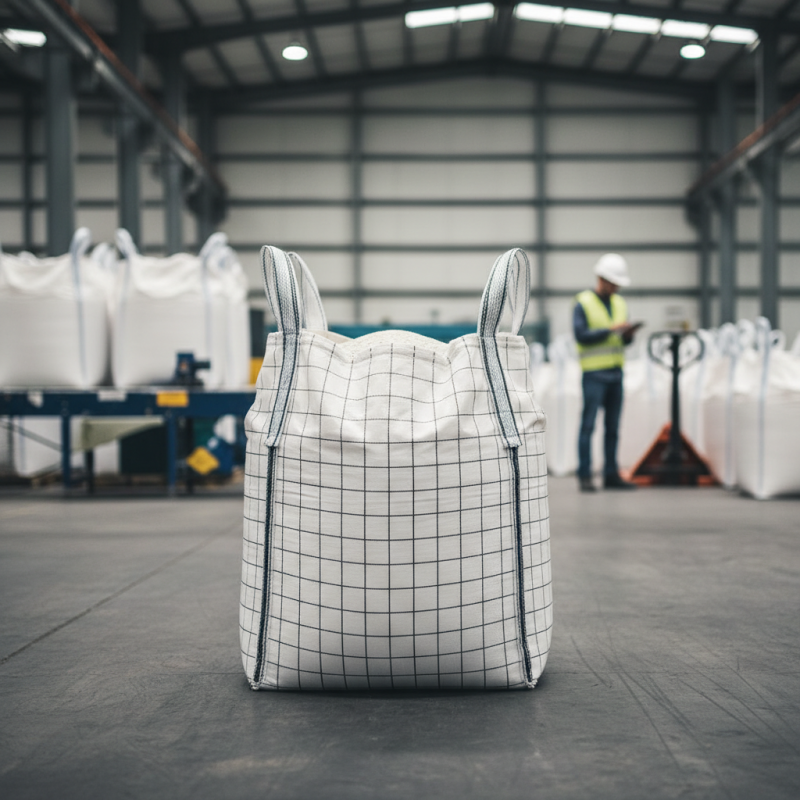
How to Choose Type C Conductive FIBC for Safe Packaging?

Understanding Type C Conductive FIBC: Definition and Applications

Type C conductive flexible intermediate bulk containers (FIBCs) are designed specifically for handling combustible materials. These FIBCs are made with conductive materials that provide grounding. This characteristic is crucial in preventing static discharge, which can ignite flammable powders. According to industry reports, improper packaging can lead to significant hazards. In fact, approximately 70% of industrial accidents involve static electricity issues. Understanding the definition and applications of Type C conductive FIBCs is essential for safe operations.

Industries that frequently use Type C FIBCs include pharmaceuticals, chemicals, and food production. These sectors often deal with powders that pose explosion risks. The use of conductive FIBCs can mitigate these risks effectively. They ensure that any built-up static energy is dissipated, making the handling process safer. Reports indicate that companies using Type C FIBCs see a decrease in accident rates by nearly 40%.

Tip: When selecting Type C FIBCs, check for proper certification. Look for compliance with safety standards. Also, evaluate the specific materials being handled, as some may require specialized packaging. These steps can significantly enhance safety and reduce liability. Always involve a safety expert when making packaging decisions.

How to Choose Type C Conductive FIBC for Safe Packaging?

Dimension Specification Application Safety Features
Height 2.5 m Bulk powder packaging Static electricity dissipation
Width 1.2 m Chemical materials Grounding features
Weight Capacity 1000 kg Food ingredients Electrostatic discharge (ESD) protection
Material Conductive polypropylene Pharmaceuticals Flame retardant options

Key Factors to Consider When Selecting Type C Conductive FIBC

When selecting Type C conductive Flexible Intermediate Bulk Containers (FIBCs), several key factors come into play. One important aspect is the grounding method. Effective grounding is crucial to prevent static electricity accumulation during the handling of flammable materials. Ensure the FIBC has proper grounding mechanisms in place. This can include conductive threads or strips integrated into the fabric.

Material composition is another consideration. The fabric should provide sufficient conductivity while maintaining its mechanical strength. Look for fabrics that can withstand both mechanical stress and abrasive environments. The type of closure also matters. Zipper closures, for example, may provide easier access but may not always ensure the same level of conductivity as traditional tie closures.

Compatibility with the product being packed should not be overlooked either. Understand the chemical properties of the materials involved. Not all conductive FIBCs are suitable for every type of product. Testing can help in this scenario, revealing weaknesses or strengths you didn’t expect.

Choosing the right Type C FIBC is complex, requiring careful deliberation and an understanding of specific needs.

Material Composition of Type C Conductive FIBC and Its Safety Benefits

When selecting Type C conductive FIBC (Flexible Intermediate Bulk Containers), understanding material composition is vital for ensuring safety. Type C FIBCs are made from woven fabric with conductive materials integrated into the design. This composition allows for safe handling of flammable powders and granules, minimizing electrostatic discharge (ESD) risks. According to industry studies, the right FIBC can reduce ignition hazards by up to 75%.

The primary materials used include polypropylene and conductive fibers. These conductive fibers often consist of carbon or stainless steel threads, which effectively dissipate static electricity. A report from the International Electrostatic Society highlights that the resistance levels of Type C bags range from 106 to 109 ohms. This level of conductivity is crucial in specific industries, such as pharmaceuticals and food processing, where static can lead to significant hazards.

However, even with these advancements, users should reflect on their specific applications and environments. Not all Type C FIBCs are suitable for every situation. Factors like moisture levels, temperature, and the nature of the materials being stored can impact safety. Regular inspections and adherence to best practices are necessary for maintaining the integrity of these conductive bags.

Industry Standards and Regulations Governing Type C Conductive FIBC

When selecting Type C conductive FIBC for safe packaging, understanding the industry standards and regulations is crucial. These standards ensure materials effectively dissipate static electricity, preventing explosive hazards. According to the Electrostatic Discharge Association, static discharge can ignite flammable materials. Type C FIBCs minimize this risk by incorporating conductive threads.

Tips: Always check for compliance with IEC 61340-4-4, which outlines essential requirements for static control. Verify that your supplier is familiar with these standards. This knowledge enhances safety and reliability.

Testing is vital. Regular audits of FIBC performance according to ASTM D6773 specifications can help. These specifications detail material requirements and performance testing, focusing on how well the bags manage electrostatic charges. Failure to adhere can lead to serious incidents. Moreover, ongoing education for staff about these principles can improve overall safety protocols.

Consider that even compliant FIBCs could fail if misused. Staff must be trained in proper handling practices. For instance, overfilling a bag can compromise its conductive properties. Awareness and vigilance play essential roles in maintaining safety throughout storage and transportation.

Conductive FIBC Usage by Industry (2023)

Best Practices for Storing and Handling Type C Conductive FIBC

When handling Type C conductive FIBC (Flexible Intermediate Bulk Containers), proper care and attention are vital. These bags are designed to safely store and transport potentially hazardous materials. Therefore, correct storage practices are essential. Store these FIBCs in a cool, dry area. Moisture can compromise the material’s effectiveness. Assess the environment regularly. Be mindful of temperature fluctuations that might affect the integrity of the bags.

Handling Type C conductive FIBCs requires a thoughtful approach. Always use gloves to avoid contamination and ensure a secure grip. Inspect each bag prior to use. Look for any signs of tears or other damage. Improperly damaged bags can lead to catastrophic failures. When filling the bags, maintain a steady and controlled pace. Overfilling can cause stress on the seams, making the bags more vulnerable.

Training workers on the risks associated with these bags is crucial. Ensure they understand the importance of following safety protocols. Encourage open communication about any concerns related to handling or storing these containers. Even minor oversights can lead to serious consequences. Cultivating a culture of safety can empower workers and minimize risks.

Copyright 2025 Fluidra S.A. | Created by BCM Marketing Agencia Privacy Policy Legal note | Cookie policy |

Technical cookies are strictly necessary for our website to work and you can navigate through it. These types of cookies are those that, for example, allow us to identify you, give you access to certain restricted parts of the page if necessary, or remember different options or services already selected by you, such as your privacy preferences. Therefore, they are activated by default, your authorization not being necessary in this regard. Through the configuration of your browser, you can block or alert the presence of this type of cookies, although such blocking will affect the proper functioning of the different functionalities of our website.


The analysis cookies allow us to study the navigation of the users of our website in general (for example, which sections of the page are the most visited, which services are used most and if they work correctly, etc.). From the statistical information on navigation on our website, we can improve both the operation of the page itself and the different services it offers. Therefore, these cookies do not have an advertising purpose, but only serve to make our website work better, adapting to our users in general. By activating them you will contribute to this continuous improvement. You can enable or disable these cookies by checking the corresponding box, being disabled by default.


Functionality cookies allow us to remember your preferences, to personalize certain characteristics and general options of our website, every time you access it (for example, the language in which the information is presented to you, the sections marked as favorites, your browser type, etc.) Therefore, this type of cookies does not have an advertising purpose, but by activating them you will improve the functionality of the website (for example, adapting to your type of browser) and the customization of it based on your preferences (for example, by presenting the information in the language that you have chosen in previous occasions), which will contribute to the ease, usability and comfort of our page during your navigation. You can enable or disable these cookies by checking the corresponding box, being disabled by default.


Advertising cookies allow us to manage the advertising spaces included in our website based on criteria such as the content shown or the frequency in which the ads are displayed. For example, if you have been shown the same ad several times on our website, and you have not shown a personal interest by clicking on it, it will not appear again. In summary, by activating this type of cookies, the advertising shown on our website will be more useful and diverse, and less repetitive. You can enable or disable these cookies by checking the corresponding box, being disabled by default.


Behavioral advertising cookies allow us to obtain information based on the observation of your browsing habits and behaviors on the web, in order to show you advertising content that best suits your personal tastes and interests. To understand it in a very simple way, we will give you a fictitious example: if your last searches on the web were related to suspense literature, we would show you advertising about suspense books. Therefore, activating this type of cookies, the advertising that we show you on our website will not be generic, but will be oriented to your searches, tastes and interests, therefore adjusting exclusively to you. You can enable or disable these cookies by checking the corresponding box, being disabled by default.
To understand it in a very simple way, we will give you a fictitious example: if your last searches on the web were related to suspense literature, we would show you advertising about suspense books. Therefore, activating this type of cookies, the advertising that we show you on our website will not be generic, but will be oriented to your searches, tastes and interests, therefore adjusting exclusively to you. You can enable or disable these cookies by checking the corresponding box, being disabled by default.

SAVE

We use our own and third-party cookies to ensure the proper functioning of the website and to analyse our services, improve your experience on our website and show you advertisements related to your interests according to profiling based on your browsing habits (e.g. websites visited). You can accept all cookies by clicking "ACCEPT" or set or reject them by clicking here. If you would like to know more about the use of cookies, please see our COOKIE POLICY.


ACCEPT ALL
Reject no essentials



