
How to Choose the Right Shrink Wrap Bag for Your Products?
FLUID HANDLING EXPERTS

Blog, all our news

How to Choose the Right Shrink Wrap Bag for Your Products?

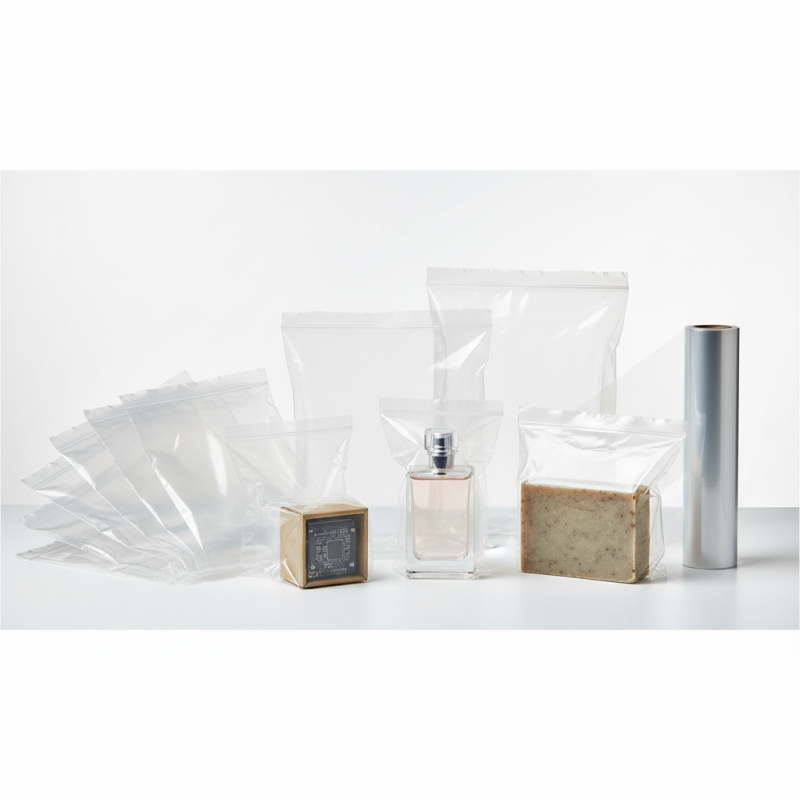
Choosing the right Shrink Wrap Bag is crucial for product protection and presentation. It serves various purposes, from safeguarding fragile items to enhancing aesthetic appeal. Selecting the appropriate type may seem easy, but there are nuances involved.

Understanding your product's dimensions and material is vital. Each Shrink Wrap Bag has unique characteristics. For instance, some are better suited for heat-sensitive goods. Others may offer superior puncture resistance for heavy items. Reflecting on these factors can lead to more informed decisions.

An effective Shrink Wrap Bag reduces waste and minimizes costs. However, picking the wrong type can lead to significant issues. It might compromise product integrity or create an unprofessional appearance. Consider how your choice reflects your brand's quality. It's essential to balance functionality with visual impact to capture customer interest.
How to Choose the Right Shrink Wrap Bag for Your Products?

Understanding the Different Types of Shrink Wrap Bags Available

When selecting a shrink wrap bag, understanding the various types available is crucial. There are several varieties, each suited for specific products and applications. Polyethylene (PE) bags are popular for their versatility and affordability. They provide a strong barrier against moisture and dust, making them ideal for food and consumer goods. According to a recent market report, the demand for PE bags is expected to grow by 5% annually, driven by packaging innovations.

Another option is Polyvinyl Chloride (PVC) shrink bags. They offer excellent clarity and shrinkability. Often used for retail displays, PVC bags enhance product presentation. However, these bags can be less eco-friendly compared to other materials. Packaging sustainability is becoming more important. A study revealed that 70% of consumers prefer brands using environmentally responsible materials.

In addition, cross-linked shrink films provide durability and strength. They are suitable for heavy items but can be costlier. Pricing and material selection should reflect product requirements and target audience preferences. Analyzing these factors can lead to improved packaging decisions. Remember, not all shrink bags are created equal, and the right choice can significantly impact product appeal and safety.

Key Factors to Consider When Selecting Shrink Wrap Bags

Choosing the right shrink wrap bag can feel overwhelming. Several key factors should influence your decision. Consider the size of your product. A bag that’s too small or too large can lead to damage or inefficiencies. Measure your items carefully to ensure a snug fit, promoting durability and visual appeal.

Material selection is crucial. PVC and polyethylene are common choices, each with unique properties. PVC is often more rigid, suitable for items needing extra protection. Polyethylene, however, is flexible and offers great clarity for display purposes. Assessing your product's nature helps determine which material provides the best balance of strength and flexibility.

While evaluating the shrink wrap options, think about the purpose. Are you aiming for long-term storage or presentation on shelves? The intended use directly impacts the material and size choice. Reflect on your needs, as sometimes we choose options based on price rather than quality. Making an informed decision can save costs in the long run and enhance product appeal.

How to Choose the Right Shrink Wrap Bag for Your Products? - Key Factors to Consider When Selecting Shrink Wrap Bags

Product Type Bag Size (inches) Material Seal Type Temperature Rating (°F) Special Features
Electronics 10 x 8 PVC Top Seal 180 Anti-static
Food Products 12 x 10 Polyolefin Bottom Seal 190 Microwave Safe
Personal Care Items 8 x 6 LDPE Side Seal 160 UV Protection
Toys 14 x 12 PVC Center Seal 180 Child Safe
Clothing 16 x 14 Polyolefin Top Seal 200 Recyclable

Assessing the Size and Dimensions for Your Products

Choosing the right shrink wrap bag begins with assessing the size and dimensions of your products. Measure your items carefully, taking into account their width, height, and depth. It's essential to have accurate measurements to avoid selecting a bag that is too tight or too loose. An improper fit can lead to inadequate protection and presentation issues.

Consider the shape of your products as well. Irregularly shaped items may require custom sizes. Think about the space needed for the closure method as well. Some bags need more room at the top for sealing. If the dimensions are off, it could compromise your packaging integrity. Additionally, sometimes, we overlook the weight of the contents. Heavier items may need thicker materials for support.

Reflecting on these factors is crucial. You might believe that one size fits all, but that's rarely the case. Each product’s unique characteristics must guide your choice. Too often, businesses have gone with generic solutions, only to face issues later. Finding the right fit not only enhances durability but also improves shelf appeal.

Evaluating Material Options for Shrink Wrap Bags

Choosing the right material for shrink wrap bags is critical. The options typically include polyethylene, PVC, and polyolefin. Each material has distinct properties that can affect the product’s protection and appearance. For instance, polyethylene is flexible and cost-effective but may not provide the best clarity. In contrast, polyolefin offers excellent clarity and is resistant to punctures. This makes it ideal for high-quality displays.

Evaluating the intended use is essential. Consider the temperature range during shrinkage. Some materials can withstand higher temperatures, which can enhance the sealing process. Moisture resistance is also a key factor. Products like food items need bags that prevent spoilage. It’s important to test different materials for your specific needs. What works well for one product may not suit another.

Practical experience often reveals issues. Some users find that bags may not shrink uniformly, leading to uneven presentation. Others discover that certain materials tear easily during handling. Understanding each material’s limitations can prevent costly mistakes.

Choosing the right shrink wrap bag involves careful evaluation and occasional trial and error.

Choosing the Right Shrink Temperature and Equipment for Your Needs

Choosing the right shrink temperature and equipment is critical for effective shrink wrapping. Each product requires a specific temperature to ensure proper sealing and protection. For example, research shows that a temperature range of 250°F to 350°F is common for most plastic films. However, some materials may behave differently, necessitating adjustment in heating. Improper temperature settings can lead to inadequate sealing or even damage to the product.

Equipment selection is equally important. Manual, semi-automatic, and automatic machines all have distinct advantages. A study by Packaging Strategies indicated that automatic machinery increases efficiency by up to 30% in high-volume environments. In contrast, manual machines can be cost-effective for small businesses but may struggle with consistency. Operators must be trained to avoid common pitfalls, such as misalignment, which can lead to wasted materials and time.

Understanding the specifics of your shrink wrap needs helps avoid costly mistakes. Not all shrink films are created equal. Some have better clarity, while others offer superior puncture resistance. Choosing between PVC, polyolefin, or others requires careful consideration of your products. Therefore, investing time in equipment and temperature selection can significantly impact your packaging quality and overall operational success.

Temperature Settings for Optimal Shrink Wrap Results

This chart illustrates the relationship between different temperature settings used for shrink wrapping and the resulting shrinkage rate of the packaging. Selecting the appropriate temperature is crucial for achieving optimal results in shrink wrapping processes.

Copyright 2025 Fluidra S.A. | Created by BCM Marketing Agencia Privacy Policy Legal note | Cookie policy |

Technical cookies are strictly necessary for our website to work and you can navigate through it. These types of cookies are those that, for example, allow us to identify you, give you access to certain restricted parts of the page if necessary, or remember different options or services already selected by you, such as your privacy preferences. Therefore, they are activated by default, your authorization not being necessary in this regard. Through the configuration of your browser, you can block or alert the presence of this type of cookies, although such blocking will affect the proper functioning of the different functionalities of our website.


The analysis cookies allow us to study the navigation of the users of our website in general (for example, which sections of the page are the most visited, which services are used most and if they work correctly, etc.). From the statistical information on navigation on our website, we can improve both the operation of the page itself and the different services it offers. Therefore, these cookies do not have an advertising purpose, but only serve to make our website work better, adapting to our users in general. By activating them you will contribute to this continuous improvement. You can enable or disable these cookies by checking the corresponding box, being disabled by default.


Functionality cookies allow us to remember your preferences, to personalize certain characteristics and general options of our website, every time you access it (for example, the language in which the information is presented to you, the sections marked as favorites, your browser type, etc.) Therefore, this type of cookies does not have an advertising purpose, but by activating them you will improve the functionality of the website (for example, adapting to your type of browser) and the customization of it based on your preferences (for example, by presenting the information in the language that you have chosen in previous occasions), which will contribute to the ease, usability and comfort of our page during your navigation. You can enable or disable these cookies by checking the corresponding box, being disabled by default.


Advertising cookies allow us to manage the advertising spaces included in our website based on criteria such as the content shown or the frequency in which the ads are displayed. For example, if you have been shown the same ad several times on our website, and you have not shown a personal interest by clicking on it, it will not appear again. In summary, by activating this type of cookies, the advertising shown on our website will be more useful and diverse, and less repetitive. You can enable or disable these cookies by checking the corresponding box, being disabled by default.


Behavioral advertising cookies allow us to obtain information based on the observation of your browsing habits and behaviors on the web, in order to show you advertising content that best suits your personal tastes and interests. To understand it in a very simple way, we will give you a fictitious example: if your last searches on the web were related to suspense literature, we would show you advertising about suspense books. Therefore, activating this type of cookies, the advertising that we show you on our website will not be generic, but will be oriented to your searches, tastes and interests, therefore adjusting exclusively to you. You can enable or disable these cookies by checking the corresponding box, being disabled by default.
To understand it in a very simple way, we will give you a fictitious example: if your last searches on the web were related to suspense literature, we would show you advertising about suspense books. Therefore, activating this type of cookies, the advertising that we show you on our website will not be generic, but will be oriented to your searches, tastes and interests, therefore adjusting exclusively to you. You can enable or disable these cookies by checking the corresponding box, being disabled by default.

SAVE

We use our own and third-party cookies to ensure the proper functioning of the website and to analyse our services, improve your experience on our website and show you advertisements related to your interests according to profiling based on your browsing habits (e.g. websites visited). You can accept all cookies by clicking "ACCEPT" or set or reject them by clicking here. If you would like to know more about the use of cookies, please see our COOKIE POLICY.


ACCEPT ALL
Reject no essentials


