
2026 How to Choose the Right Quarter-turn Actuator for Your Needs?
FLUID HANDLING EXPERTS

Blog, all our news

2026 How to Choose the Right Quarter-turn Actuator for Your Needs?

Selecting the right Quarter-turn Actuator is crucial for optimal performance in various industries. This decision impacts efficiency, safety, and cost-effectiveness. According to a 2022 market research report from MarketsandMarkets, the global actuator market is expected to reach $38 billion by 2026, with quarter-turn actuators being a significant segment. Proper selection can reduce operational risks and improve reliability.

Industry expert Dr. Julia Hartman states, “Choosing the right actuator is about understanding the specific application needs.” Her insights emphasize that matching actuator specifications to application requirements is vital. The quarter-turn actuator varies in torque, speed, and control mechanisms. Using the wrong actuator can lead to mechanical failures or inefficiencies.

Many companies rush the selection process. This often results in product mismatches and unexpected costs. A well-informed choice requires consideration of factors such as load conditions, media types, and environmental influences. Understanding these aspects is key to leveraging actuator technology effectively. Thus, thorough research and expert consultation are essential in making an informed decision.
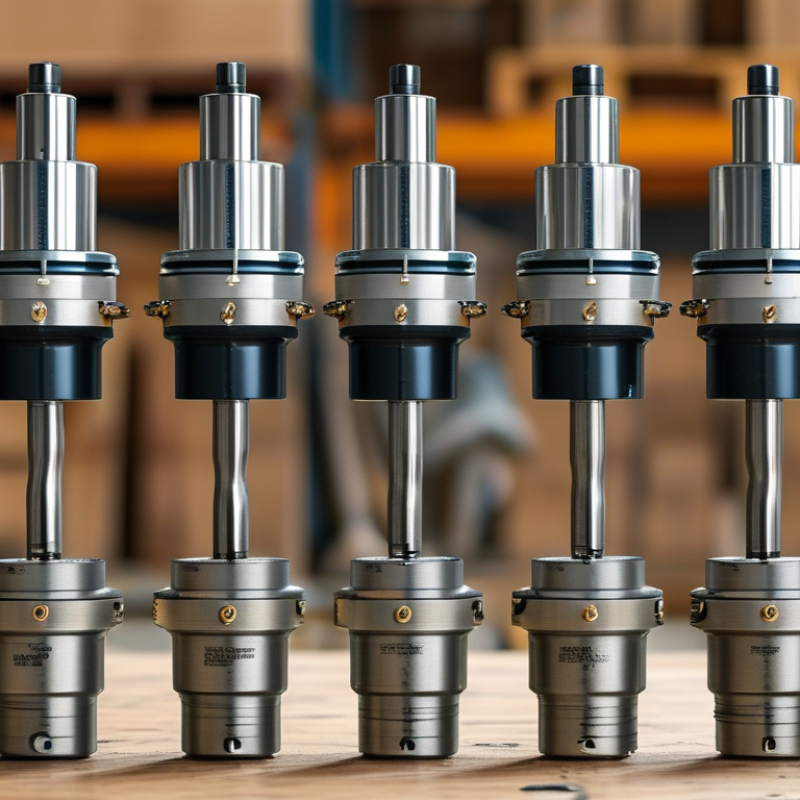
2026 How to Choose the Right Quarter-turn Actuator for Your Needs?

Understanding Quarter-turn Actuators and Their Applications

Quarter-turn actuators are pivotal in various industries, from water treatment to manufacturing. They operate valves and dampers, offering precise control in critical processes. These devices are often chosen for their reliability and efficiency. According to a market report by Research and Markets, the global quarter-turn actuator market is expected to grow at a CAGR of 6.5% from 2021 to 2026. This growth indicates an increasing reliance on these actuators across sectors.

When selecting a quarter-turn actuator, understanding its applications is crucial. These actuators come in different configurations. Electric, pneumatic, and hydraulic types serve varied needs. Each type brings unique advantages to the table. For instance, electric actuators are known for their ease of integration with automated systems. However, they may not perform well in extreme environments. Pneumatic actuators, on the other hand, excel in high-speed applications but may require a constant air supply.

Several challenges arise in actuator selection. Users must assess the torque requirements and the specific environment where the actuator will operate. Evaluating these factors helps avoid costly mistakes. In many cases, a mismatched actuator can lead to inefficient operation or even failure. Understanding these elements ensures a more tailored approach to choosing the right actuator for your application needs.

2026 How to Choose the Right Quarter-turn Actuator for Your Needs?

Actuator Type Torque Range (Nm) Power Supply (V) Control Type Application
Electric Quarter-turn 20 - 200 24 Modulating HVAC Systems
Pneumatic Quarter-turn 50 - 500 Air Pressure (6-8 bar) On/Off Process Control
Hydraulic Quarter-turn 100 - 1000 Hydraulic Fluid Continuous Heavy Industries
Spring-return Quarter-turn 10 - 100 24 / 120 Fail-safe Emergency Systems
Manual Quarter-turn Varied N/A Manual Small Valves

Key Factors to Consider When Selecting a Quarter-turn Actuator

When selecting a quarter-turn actuator, several key factors come into play. Understanding these factors can lead to better decisions in your projects. Start by identifying the specific requirements of your application. This includes the type of media being controlled, such as water, gas, or chemicals. Each medium may require different materials and sealing capabilities in the actuator.

Another critical aspect is the torque and power requirements. Knowing the force needed to operate your valve is essential. Aggressive media may require more robust actuators. Additionally, consider the duty cycle. If your actuator will be used frequently, it must be built for durability to avoid premature failures. Evaluating the environmental conditions is equally important. Factors like temperature ranges, humidity, and exposure to corrosive elements can significantly impact performance.

Lastly, your installation space can impose limitations. Some actuators take up less room but may not provide the necessary power. The choice should reflect a balance between size, performance, and reliability. As you weigh these factors, remember that the perfect actuator does not exist. Each selection may come with trade-offs, and continuous reflection on performance can improve future choices.

Quarter-turn Actuator Comparison

This bar chart compares key specifications of various quarter-turn actuators, such as torque rating, response time, weight, operating temperature, and power consumption. Selecting the right actuator involves weighing these factors based on your specific application requirements.

Evaluating the Compatibility with Your Existing System

When selecting a quarter-turn actuator, compatibility with your existing system is crucial. Many industrial systems have varying specifications. A study by the Automation Federation found that 70% of actuator failures stem from poor integration with existing setups. This highlights the importance of evaluating specifications like torque requirements and connection types.

Consider the communication protocols used in your current system. Does it employ Modbus, CANopen, or another protocol? Ensure the actuator supports these standards. Compatibility issues may create communication failures and affect overall performance. Check any necessary adjustments or converters to bridge gaps between systems.

Tip: Always consult with industry professionals to assess your needs carefully. They can offer insights on potential integration challenges.

Another significant factor is physical dimensions. Verify the actuator can fit your system's designated space. Inadequate space may lead to overheating or mechanical failure.

Tip: Make a detailed comparison of dimensions and mounting options to identify potential discrepancies before installation. A close inspection can save time and resources, enhancing system reliability.

Assessing Control and Feedback Mechanisms for Actuators

Choosing the right quarter-turn actuator involves understanding control and feedback mechanisms. These systems are crucial for ensuring precise operation in various industrial applications. According to a recent report by a leading industry analysis firm, 70% of actuator failures stem from inadequate control systems. This highlights the importance of selecting a mechanism that fits your specific needs.

In assessing control mechanisms, consider the types. Proportional, on-off, and modulating controls each offer unique advantages. For instance, proportional controls provide smoother operation, essential for sensitive processes. Responding accurately to feedback is critical. Recent studies show that systems with robust feedback loops improve efficiency by up to 30%.

Tips: Focus on reliability. Look for actuators that minimize downtime. Also, ensure compatibility with existing systems. Custom feedback options can significantly enhance performance. Balancing complexity and functionality is vital. Analyze your operational needs well. Strive for a solution that prevents complications and fosters ongoing reliability.

Cost Considerations and Long-term Value of Quarter-turn Actuators

When selecting a quarter-turn actuator, cost considerations play a crucial role. The price range for these actuators can vary significantly based on their features and capabilities. A recent industry report indicated that the average cost of industrial quarter-turn actuators is between $500 and $2,500. This range reflects the complexity and the technology used. Understanding this pricing structure is vital.

Additionally, assessing long-term value is essential. Cheaper actuators may seem appealing upfront but may incur substantial maintenance costs. Long-lasting actuators reduce downtime and enhance operational efficiency. According to a study, companies that invest in high-quality actuators often see a 20% increase in productivity over five years. Investing wisely can yield substantial returns.

Tip: Consider your operational environment. Harsh conditions may necessitate a more robust actuator, impacting initial costs but saving in the long run. Evaluate your specific requirements carefully.

Tip: Review the actuator’s warranty and support. A longer warranty typically indicates manufacturer confidence in product reliability. This can save costs by minimizing replacements and repairs.

Copyright 2025 Fluidra S.A. | Created by BCM Marketing Agencia Privacy Policy Legal note | Cookie policy |

Technical cookies are strictly necessary for our website to work and you can navigate through it. These types of cookies are those that, for example, allow us to identify you, give you access to certain restricted parts of the page if necessary, or remember different options or services already selected by you, such as your privacy preferences. Therefore, they are activated by default, your authorization not being necessary in this regard. Through the configuration of your browser, you can block or alert the presence of this type of cookies, although such blocking will affect the proper functioning of the different functionalities of our website.


The analysis cookies allow us to study the navigation of the users of our website in general (for example, which sections of the page are the most visited, which services are used most and if they work correctly, etc.). From the statistical information on navigation on our website, we can improve both the operation of the page itself and the different services it offers. Therefore, these cookies do not have an advertising purpose, but only serve to make our website work better, adapting to our users in general. By activating them you will contribute to this continuous improvement. You can enable or disable these cookies by checking the corresponding box, being disabled by default.


Functionality cookies allow us to remember your preferences, to personalize certain characteristics and general options of our website, every time you access it (for example, the language in which the information is presented to you, the sections marked as favorites, your browser type, etc.) Therefore, this type of cookies does not have an advertising purpose, but by activating them you will improve the functionality of the website (for example, adapting to your type of browser) and the customization of it based on your preferences (for example, by presenting the information in the language that you have chosen in previous occasions), which will contribute to the ease, usability and comfort of our page during your navigation. You can enable or disable these cookies by checking the corresponding box, being disabled by default.


Advertising cookies allow us to manage the advertising spaces included in our website based on criteria such as the content shown or the frequency in which the ads are displayed. For example, if you have been shown the same ad several times on our website, and you have not shown a personal interest by clicking on it, it will not appear again. In summary, by activating this type of cookies, the advertising shown on our website will be more useful and diverse, and less repetitive. You can enable or disable these cookies by checking the corresponding box, being disabled by default.


Behavioral advertising cookies allow us to obtain information based on the observation of your browsing habits and behaviors on the web, in order to show you advertising content that best suits your personal tastes and interests. To understand it in a very simple way, we will give you a fictitious example: if your last searches on the web were related to suspense literature, we would show you advertising about suspense books. Therefore, activating this type of cookies, the advertising that we show you on our website will not be generic, but will be oriented to your searches, tastes and interests, therefore adjusting exclusively to you. You can enable or disable these cookies by checking the corresponding box, being disabled by default.
To understand it in a very simple way, we will give you a fictitious example: if your last searches on the web were related to suspense literature, we would show you advertising about suspense books. Therefore, activating this type of cookies, the advertising that we show you on our website will not be generic, but will be oriented to your searches, tastes and interests, therefore adjusting exclusively to you. You can enable or disable these cookies by checking the corresponding box, being disabled by default.

SAVE

We use our own and third-party cookies to ensure the proper functioning of the website and to analyse our services, improve your experience on our website and show you advertisements related to your interests according to profiling based on your browsing habits (e.g. websites visited). You can accept all cookies by clicking "ACCEPT" or set or reject them by clicking here. If you would like to know more about the use of cookies, please see our COOKIE POLICY.


ACCEPT ALL
Reject no essentials



