
How to Choose the Right Machine Screws for Your Project?
FLUID HANDLING EXPERTS

Blog, all our news

How to Choose the Right Machine Screws for Your Project?

Choosing the right Machine Screws for your project can seem daunting. However, understanding their types and functionalities can simplify the process. Machine screws are versatile fasteners, used in various applications. They come in different sizes, materials, and thread types, which can impact their performance.

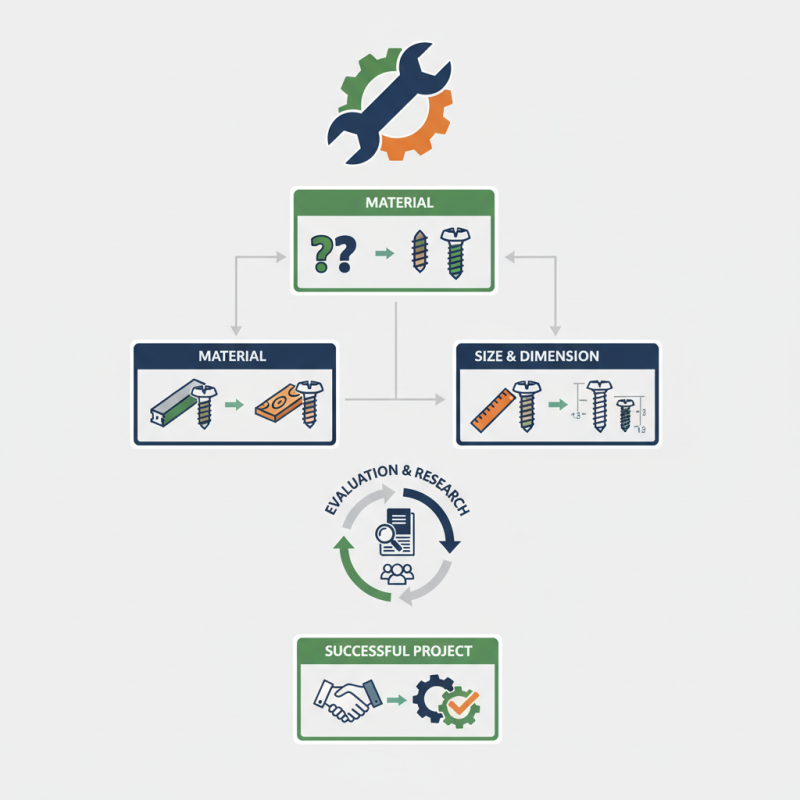
When selecting machine screws, consider the project’s specific requirements. Think about the materials you are working with, such as metal or wood. Each material may require a different type of screw for optimal results. Also, pay attention to the length and diameter. The measurements must align with your project's needs to ensure safety and effectiveness.

It’s essential to reflect on your choices. Sometimes, the screw you believe is suitable may not perform as expected. Research and seek advice from industry professionals or reliable sources. Even experienced craftsmen learn from their mistakes. Being diligent in your selection will lead to a more successful project outcome. Understanding the importance of machine screws is key to achieving quality workmanship.
How to Choose the Right Machine Screws for Your Project?

Understanding the Basics of Machine Screws

Machine screws are essential components in various projects, but choosing the right type can be challenging. Understanding the basics is crucial. Machine screws are typically threaded along their entire length and are designed for use in tapped holes or with nuts. They come in various sizes, materials, and head types, making them versatile but sometimes overwhelming.

When selecting machine screws, consider the material. Stainless steel offers corrosion resistance, while brass adds a decorative touch. Each material affects strength and durability. The size matters too. Choosing a screw that is too long or too short can compromise the integrity of your project. Head types like flat, round, or hex also impact how you can fasten the screw. It’s essential to align the screw head with your tools and the application.

It's easy to make mistakes. For example, using the wrong material can lead to rusting in moist environments. Sometimes, I underestimate the importance of compatibility. Ensuring the screw fits well with the existing components can save time and trouble later. Reflecting on past choices helps improve future decisions. The details may seem minor, but they play a critical role in the overall success of your project.

Identifying the Right Material for Your Machine Screws

Choosing the right material for machine screws is crucial for the durability and functionality of your project. According to industry reports, over 60% of hardware failures are linked to improper material selection. Each material has unique properties that affect strength, corrosion resistance, and thermal stability. For instance, stainless steel is commonly chosen for its high corrosion resistance, while carbon steel provides higher strength at a lower cost.

When considering your project requirements, think about the environment. Will the screws be exposed to moisture or chemicals? Aluminum might be a better choice for its lightweight and corrosion resistance. However, many manufacturers note that aluminum screws can be less strong compared to steel. This trade-off is essential for decision-making.

Plastic screws are emerging as a viable option in various applications. They are lightweight and resistant to corrosion, but their strength is lower than that of metals. Understanding the specific needs of your project is important. Assess the load-bearing requirements and environmental factors to avoid costly errors. Making a well-informed decision can significantly impact your project's overall success.

Determining the Appropriate Size and Length for Screws

Choosing the right size and length of machine screws for your project is crucial. The screw's diameter impacts its strength and load-bearing capacity. Consider the thickness of the materials you will join. A screw that is too short may not hold securely, while one that is too long can cause damage.

Tips: Measure the materials carefully. A good measurement ensures you select the perfect screw length. Using a ruler or caliper can provide more accurate dimensions.

When selecting screws, also think about the screw thread. Fine threads are better for hard materials. Coarse threads work well in softer materials. This choice affects how well the screw will grip the material and resist loosening over time.

Tips: Don’t underestimate the importance of a proper fit. A loose screw can lead to structural failure. You may need to experiment with different screws to find the optimal solution for your project. Remember, safety is paramount.

Choosing the Right Machine Screws: Size and Length Analysis

This chart illustrates the recommended lengths for various machine screw sizes, helping you make informed decisions when selecting screws for your projects.

Assessing the Thread Type and Pitch for Your Project

When selecting machine screws for your project, thread type and pitch are crucial. Different applications require specific threads. For instance, coarse threads provide better grip in softer materials. On the other hand, fine threads are ideal for harder substances. Understanding these distinctions can prevent frustration down the line.

Pitch refers to the distance between threads. Choosing the correct pitch impacts how tightly screws fit together. A tighter fit offers more strength, but can be challenging to align. It's essential to assess your project needs carefully. Sometimes, projects call for a mix of both fine and coarse threads, depending on the materials involved.

Mistakes can happen. Misjudging thread type may lead to stripped screws or poor fastening. Take time to measure and assess your materials before purchasing. Don't rush this decision. A small error could lead to significant complications later on. Always keep the end use in mind when making your choice.

How to Choose the Right Machine Screws for Your Project? - Assessing the Thread Type and Pitch for Your Project

Screw Type Thread Type Pitch Length (inches) Material
Machine Screw UNC (Coarse) 16 1 Steel
Drain Plug Screw UNF (Fine) 24 0.75 Brass
Set Screw Metric 1.0 1.5 Stainless Steel
Self-Tapping Screw UNF 18 2 Aluminum
Wood Screw Coarse 8 2.5 Copper

Choosing the Right Drive Type for Optimal Performance

When it comes to selecting machine screws, the drive type plays a crucial role in performance. Different drive types provide varying levels of torque and precision. Common options include the Phillips, flat, and Torx drives. Each of these features unique advantages and disadvantages. For example, Phillips screws can strip easily, leading to issues during installation or removal. In contrast, Torx screws offer a better grip and reduce the likelihood of slippage.

Consider the environment of your project. If you are working in a tight space, a low-profile screw might be advantageous. However, a more robust drive type may be needed for heavy-duty applications. Think about user experience too. Some drive types are easier for inexperienced workers. They can make installation tasks simpler but may invite mistakes if not chosen carefully.

Reflect on your goals for the project. What level of durability do you need? Will the screws face constant wear? These questions can guide your choice. Often, a more complex drive type offers better performance but requires the right tools. Weigh these factors thoughtfully; the decision process is crucial for long-term success.

Article Source:

Copyright 2025 Fluidra S.A. | Created by BCM Marketing Agencia Privacy Policy Legal note | Cookie policy |

Technical cookies are strictly necessary for our website to work and you can navigate through it. These types of cookies are those that, for example, allow us to identify you, give you access to certain restricted parts of the page if necessary, or remember different options or services already selected by you, such as your privacy preferences. Therefore, they are activated by default, your authorization not being necessary in this regard. Through the configuration of your browser, you can block or alert the presence of this type of cookies, although such blocking will affect the proper functioning of the different functionalities of our website.


The analysis cookies allow us to study the navigation of the users of our website in general (for example, which sections of the page are the most visited, which services are used most and if they work correctly, etc.). From the statistical information on navigation on our website, we can improve both the operation of the page itself and the different services it offers. Therefore, these cookies do not have an advertising purpose, but only serve to make our website work better, adapting to our users in general. By activating them you will contribute to this continuous improvement. You can enable or disable these cookies by checking the corresponding box, being disabled by default.


Functionality cookies allow us to remember your preferences, to personalize certain characteristics and general options of our website, every time you access it (for example, the language in which the information is presented to you, the sections marked as favorites, your browser type, etc.) Therefore, this type of cookies does not have an advertising purpose, but by activating them you will improve the functionality of the website (for example, adapting to your type of browser) and the customization of it based on your preferences (for example, by presenting the information in the language that you have chosen in previous occasions), which will contribute to the ease, usability and comfort of our page during your navigation. You can enable or disable these cookies by checking the corresponding box, being disabled by default.


Advertising cookies allow us to manage the advertising spaces included in our website based on criteria such as the content shown or the frequency in which the ads are displayed. For example, if you have been shown the same ad several times on our website, and you have not shown a personal interest by clicking on it, it will not appear again. In summary, by activating this type of cookies, the advertising shown on our website will be more useful and diverse, and less repetitive. You can enable or disable these cookies by checking the corresponding box, being disabled by default.


Behavioral advertising cookies allow us to obtain information based on the observation of your browsing habits and behaviors on the web, in order to show you advertising content that best suits your personal tastes and interests. To understand it in a very simple way, we will give you a fictitious example: if your last searches on the web were related to suspense literature, we would show you advertising about suspense books. Therefore, activating this type of cookies, the advertising that we show you on our website will not be generic, but will be oriented to your searches, tastes and interests, therefore adjusting exclusively to you. You can enable or disable these cookies by checking the corresponding box, being disabled by default.
To understand it in a very simple way, we will give you a fictitious example: if your last searches on the web were related to suspense literature, we would show you advertising about suspense books. Therefore, activating this type of cookies, the advertising that we show you on our website will not be generic, but will be oriented to your searches, tastes and interests, therefore adjusting exclusively to you. You can enable or disable these cookies by checking the corresponding box, being disabled by default.

SAVE

We use our own and third-party cookies to ensure the proper functioning of the website and to analyse our services, improve your experience on our website and show you advertisements related to your interests according to profiling based on your browsing habits (e.g. websites visited). You can accept all cookies by clicking "ACCEPT" or set or reject them by clicking here. If you would like to know more about the use of cookies, please see our COOKIE POLICY.


ACCEPT ALL
Reject no essentials


