
How to Choose the Right Junction Cabinet for Your Needs?
FLUID HANDLING EXPERTS

Blog, all our news

How to Choose the Right Junction Cabinet for Your Needs?

Choosing the right Junction Cabinet plays a crucial role in the efficiency of your electrical systems. This selection process can be overwhelming with numerous options available. A suitable Junction Cabinet ensures the safety and functionality of your components, and it's essential to understand your specific needs.

Many factors influence this decision. Assess the environment where the cabinet will be installed. Will it face dust, moisture, or extreme temperatures? Consider the size of your equipment. The wrong cabinet can lead to overheating or equipment damage. Professional guidance is often beneficial, but personal expertise can also help.

Reflections on past experiences show that many overlook the significance of quality. Finding a reputable supplier is vital. Sometimes, the cheapest option leads to costly repairs later. Take the time to evaluate your choices carefully. Remember, a thoughtful selection can save time and resources in the long run.
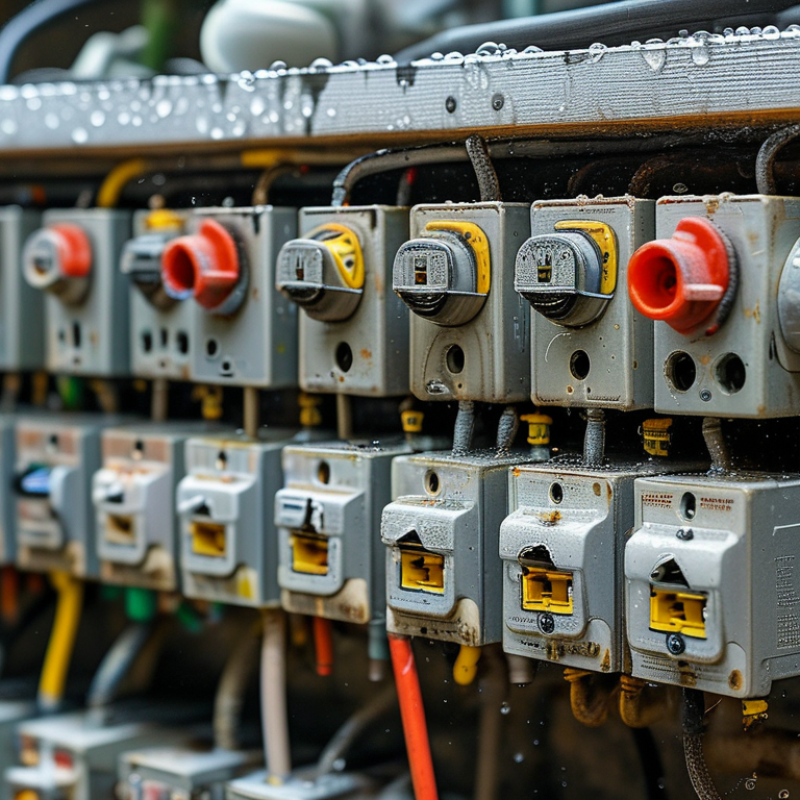
How to Choose the Right Junction Cabinet for Your Needs?

Understanding Junction Cabinets: Types and Functions

Junction cabinets serve key functions in electrical systems. They protect wiring, house essential connections, and allow for safe access during maintenance. Understanding their types can simplify the selection process. For instance, wall-mounted cabinets are ideal for saving space in smaller environments, while free-standing cabinets offer flexibility for larger setups.

There are several types of junction cabinets. Metal cabinets provide strong protection against environmental factors. On the other hand, polycarbonate cabinets are lightweight and resistant to corrosion, making them suitable for diverse conditions. Each type has its own advantages, but the choice depends on specific needs, such as the location and expected use.

It's important to consider your environment as well. Extreme temperatures or exposure to moisture may necessitate a certain level of protection. Reflecting on these details can prevent costly mistakes. Choosing the right size also matters. A cabinet that's too small can lead to overcrowding, while an overly large cabinet can waste space and resources.

Key Considerations for Selecting a Junction Cabinet

When selecting a junction cabinet, there are several key considerations. The cabinet's size should match your specific installation needs. Measure your equipment and ensure there’s room for future expansion. A cabinet that’s too small may limit your options later. Check the weight capacity. Heavy equipment requires sturdy construction to ensure safety.

Material is another important factor. Metal cabinets offer durability, while fiberglass provides corrosion resistance. Understand the environment the cabinet will reside in. If it's outdoors, select a model rated for harsh climates. Verify the sealing and shielding capabilities to protect against moisture and dust.

Consider airflow as well. Proper ventilation prevents heat buildup and reduces equipment failure. Ask yourself how much access you require. Cabinets with removable doors can be easier to maintain but may expose internal wiring more readily. Think about security features as well. The right cabinet protects your valuable equipment and prevents unauthorized access. Each decision matters, and reflection on these details ensures you choose the best junction cabinet for your situation.

Assessing Size and Space Requirements for Junction Cabinets

When selecting a junction cabinet, understanding size and space requirements is crucial. Assess your available space before making a choice. Measure the area where the cabinet will be installed. Remember to account for any existing equipment or obstacles. A thorough measurement can prevent future headaches.

Capacity is another essential factor. Match the cabinet size to your needs. Consider the amount of wiring or equipment you plan to use. A cabinet that is too small may restrict your setup, while one that is too large can waste valuable space. Visualizing the layout can help you make a better decision.

It's important to think about accessibility as well. Ensure that there is enough room to open the cabinet doors fully and perform maintenance. Cramped spaces can hinder your ability to work efficiently. Reflect on your current and future needs, allowing for growth in your systems. Taking the time to assess these elements can lead to a more effective and reliable junction cabinet choice.

How to Choose the Right Junction Cabinet for Your Needs?

This bar chart illustrates the recommended sizes of junction cabinets based on varying installation scenarios, allowing you to assess the appropriate dimensions for your needs.

Evaluating Material and Durability for Junction Cabinets

When selecting a junction cabinet, evaluating its material and durability is crucial. The choice of material directly impacts the cabinet's ability to withstand environmental stressors. For instance, cabinets made from stainless steel offer superior resistance to corrosion and physical damage. Data indicates that stainless steel cabinets have a lifespan exceeding 25 years in harsh conditions. In contrast, fiberglass options may only last 10-15 years due to susceptibility to UV damage.

Durability also involves assessing the cabinet’s design. EMT cabinets, with reinforced corners, exhibit better protection against impacts. According to industry standards, cabinets should comply with NEMA ratings. A NEMA 4X rating indicates excellent resistance to moisture and dust, essential for outdoor installations. Additionally, the weight of the cabinet can influence installation ease. Lightweight materials like aluminum are easier to handle but might compromise durability in high-traffic areas.

It’s important to reflect on how environmental factors can degrade materials over time. Regular maintenance and inspections are necessary to prolong the cabinet's life. A poorly chosen cabinet may lead to unexpected failures, causing costly downtime. Investing in quality materials will ultimately safeguard your equipment and ensure operational efficiency. Consider these aspects wisely, as they have a lasting impact on performance.

Identifying Budget Constraints and Cost-effectiveness Factors

When selecting a junction cabinet, budget constraints play a crucial role. Cost-effectiveness is not just about the initial price. Consider the total cost of ownership, including maintenance and operating costs. A cheaper cabinet might need frequent repairs. This can offset initial savings.

Assess your specific needs and long-term goals. Analyze the potential lifespan of the junction cabinet. Some models may appear economical upfront but require more investment later. Regular upgrades or replacements can affect overall expenses.

Think about the features you require. A basic cabinet may be less expensive but may lack essential components. On the other hand, a well-equipped cabinet might save money in the long run. Evaluate your priorities carefully. What is essential, and what can wait? Balancing quality and cost is key to making a smart choice.

How to Choose the Right Junction Cabinet for Your Needs? - Identifying Budget Constraints and Cost-effectiveness Factors

Feature Description Estimated Cost Cost-effectiveness Rating
Material Quality Durable materials like steel offer longevity. $300 High
Size Standard sizes fit most applications, but custom sizes may be needed. $200 Medium
Ingress Protection Rating IP ratings indicate the level of protection against dust and moisture. $150 High
Ease of Access Design features that enhance access for maintenance. $100 Medium
Installation Ease Simplified installation processes reduce labor costs. $50 High
Copyright 2025 Fluidra S.A. | Created by BCM Marketing Agencia Privacy Policy Legal note | Cookie policy |

Technical cookies are strictly necessary for our website to work and you can navigate through it. These types of cookies are those that, for example, allow us to identify you, give you access to certain restricted parts of the page if necessary, or remember different options or services already selected by you, such as your privacy preferences. Therefore, they are activated by default, your authorization not being necessary in this regard. Through the configuration of your browser, you can block or alert the presence of this type of cookies, although such blocking will affect the proper functioning of the different functionalities of our website.


The analysis cookies allow us to study the navigation of the users of our website in general (for example, which sections of the page are the most visited, which services are used most and if they work correctly, etc.). From the statistical information on navigation on our website, we can improve both the operation of the page itself and the different services it offers. Therefore, these cookies do not have an advertising purpose, but only serve to make our website work better, adapting to our users in general. By activating them you will contribute to this continuous improvement. You can enable or disable these cookies by checking the corresponding box, being disabled by default.


Functionality cookies allow us to remember your preferences, to personalize certain characteristics and general options of our website, every time you access it (for example, the language in which the information is presented to you, the sections marked as favorites, your browser type, etc.) Therefore, this type of cookies does not have an advertising purpose, but by activating them you will improve the functionality of the website (for example, adapting to your type of browser) and the customization of it based on your preferences (for example, by presenting the information in the language that you have chosen in previous occasions), which will contribute to the ease, usability and comfort of our page during your navigation. You can enable or disable these cookies by checking the corresponding box, being disabled by default.


Advertising cookies allow us to manage the advertising spaces included in our website based on criteria such as the content shown or the frequency in which the ads are displayed. For example, if you have been shown the same ad several times on our website, and you have not shown a personal interest by clicking on it, it will not appear again. In summary, by activating this type of cookies, the advertising shown on our website will be more useful and diverse, and less repetitive. You can enable or disable these cookies by checking the corresponding box, being disabled by default.


Behavioral advertising cookies allow us to obtain information based on the observation of your browsing habits and behaviors on the web, in order to show you advertising content that best suits your personal tastes and interests. To understand it in a very simple way, we will give you a fictitious example: if your last searches on the web were related to suspense literature, we would show you advertising about suspense books. Therefore, activating this type of cookies, the advertising that we show you on our website will not be generic, but will be oriented to your searches, tastes and interests, therefore adjusting exclusively to you. You can enable or disable these cookies by checking the corresponding box, being disabled by default.
To understand it in a very simple way, we will give you a fictitious example: if your last searches on the web were related to suspense literature, we would show you advertising about suspense books. Therefore, activating this type of cookies, the advertising that we show you on our website will not be generic, but will be oriented to your searches, tastes and interests, therefore adjusting exclusively to you. You can enable or disable these cookies by checking the corresponding box, being disabled by default.

SAVE

We use our own and third-party cookies to ensure the proper functioning of the website and to analyse our services, improve your experience on our website and show you advertisements related to your interests according to profiling based on your browsing habits (e.g. websites visited). You can accept all cookies by clicking "ACCEPT" or set or reject them by clicking here. If you would like to know more about the use of cookies, please see our COOKIE POLICY.


ACCEPT ALL
Reject no essentials


