
How to Choose an IP68 Metal Cable Gland Manufacturer?
FLUID HANDLING EXPERTS

Blog, all our news

How to Choose an IP68 Metal Cable Gland Manufacturer?

Choosing the right IP68 Metal Cable Gland Manufacturer is more than comparing prices and product photos. A dependable supplier should understand sealing performance, cable protection, material behavior, and long-term installation conditions. The gland may sit quietly inside a control cabinet, but moisture, vibration, salt air, and temperature changes can test every small detail.

Look beyond the IP68 label. Ask how the manufacturer tested its products and under which conditions. A professional supplier should provide clear test reports, dimensional drawings, material specifications, and quality records. Stainless steel 316L may suit coastal equipment, while nickel-plated brass can offer a practical balance for many industrial projects. Check cable diameter ranges carefully. A gland that grips a 9-millimeter cable poorly may allow water to enter, even when the catalog looks impressive.

Small details matter.

An experienced IP68 Metal Cable Gland Manufacturer should also explain thread options, sealing inserts, strain relief, operating temperatures, and installation torque. Sample testing can reveal more than a polished brochure. Inspect the threads, compression seal, locknut fit, and surface finish by hand. Ask whether production batches are traceable and whether replacement parts remain available after the first order.

Reliability develops through evidence, not confident promises. One weakness in this selection process is assuming that every IP68 claim means identical field performance. It does not. Conditions vary, and testing may not represent your enclosure, cable type, or environment. Compare technical documents, request samples, and discuss actual application risks before committing. A manufacturer willing to question your assumptions may deserve closer attention than one offering only the lowest quotation.
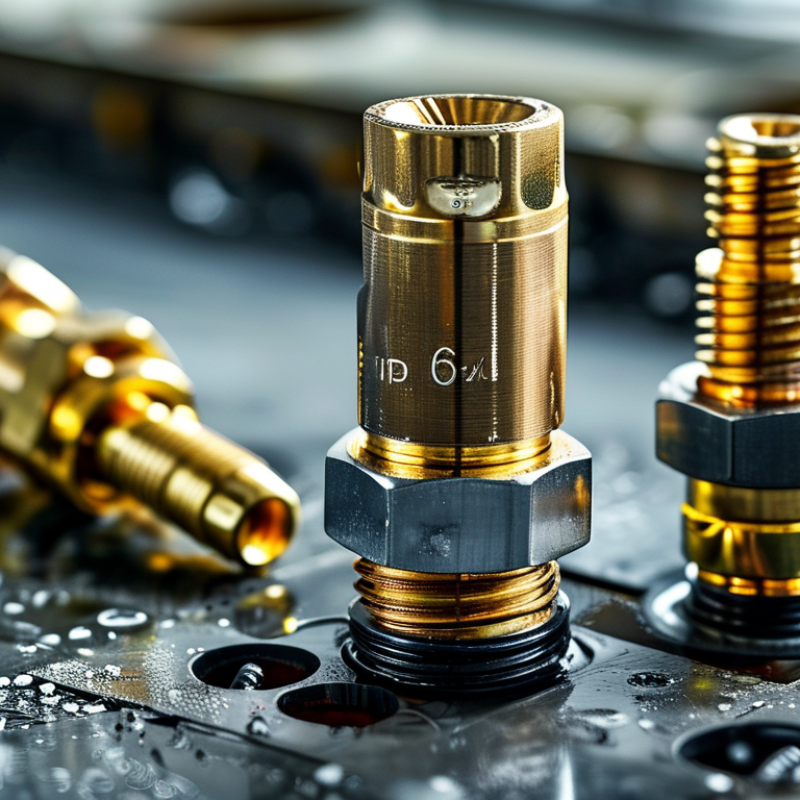
How to Choose an IP68 Metal Cable Gland Manufacturer?

Understanding IP68 Metal Cable Glands and Their Applications

IP68 metal cable glands protect cable entry points from dust, moisture, vibration, and accidental immersion. Their performance depends on the complete assembly, not the gland alone. A reliable gland uses strong metal, precise threads, and a durable sealing ring. Nickel-plated brass suits many industrial panels, while stainless steel performs better in corrosive or outdoor environments. Applications include control cabinets, marine equipment, renewable energy systems, and factory machinery.

When choosing a manufacturer, inspect material certificates, sealing test reports, and production consistency. Confirm the cable diameter range before ordering. A small mismatch can create a hidden leak. Check thread standards, operating temperature, clamping strength, and resistance to oil or chemicals.

IP68 does not always mean unlimited immersion. The tested depth and duration must match your installation. I once treated an IP rating as a complete guarantee. That was too simple. The enclosure, cable jacket, and installation torque also affect real performance.

Tips: Request production samples and test them with your actual cable. Measure the sealing ring after compression. Ask whether each batch receives dimensional inspection. Review the manufacturer’s failure records, not only its product brochure. A dependable supplier should explain limitations clearly and provide traceable documents. Avoid choosing only by price, because inconsistent threads or brittle seals can delay maintenance and damage connected equipment. Small details matter.

Defining the Required Materials, Standards, and Protection Features

How to Choose an IP68 Metal Cable Gland Manufacturer?

Defining the Required Materials, Standards, and Protection Features

Material selection should match the installation environment, not only the cable diameter. Nickel-plated brass suits general industrial panels and offers practical corrosion resistance. Stainless steel performs better near salt spray, washdown areas, and chemical exposure. Ask the manufacturer for material grades, surface treatment details, and sealing compound information. Vague answers deserve caution.

IP68 is not a universal promise under identical conditions. IEC 60529 defines the protection rating, but immersion depth and duration must be stated. A reliable manufacturer should provide current test reports, sample identification, and traceable production records. IEC 62444 also helps verify cable gland design and mechanical performance. Check whether the report covers the complete assembly, including the locknut and sealing washer.

Look closely at the construction. A firm elastomer seal should grip the cable without cutting its jacket. An O-ring should remain seated during tightening. For armored cables, inspect the earth continuity path and clamping arrangement. Temperature ratings matter near motors, heaters, and outdoor enclosures. Salt fog testing may reveal weaknesses that a clean laboratory sample hides.

In field inspections, installers often over-tighten glands. That can deform the seal and reduce reliability. I once focused too heavily on the IP rating and overlooked thread tolerance. The installation became difficult. Manufacturer support, torque guidance, spare seals, and dimensional drawings are practical signs of competence. Ask for them before ordering.

Evaluating a Manufacturer’s Engineering and Production Capabilities

How to Choose an IP68 Metal Cable Gland Manufacturer?

Evaluating a manufacturer’s engineering and production capabilities reveals more than a polished product sample. Ask how engineers define the IP68 test conditions, including water depth, exposure time, and cable diameter. IP68 is not a universal promise. The stated conditions matter.

Review the gland’s material selection, thread accuracy, sealing design, and strain relief structure. Stainless steel, nickel-plated brass, and aluminum each behave differently under heat, moisture, and vibration. A capable manufacturer should provide drawings, tolerance data, inspection records, and test reports. Ask for evidence. Vague answers deserve caution. Production equipment also matters. CNC machining, controlled plating, automated assembly, and calibrated inspection tools can reduce variation between batches. In practice, small dimensional changes can affect sealing performance. A supplier may have strong machinery but weak process control, which is easy to miss during a factory visit.

Tips: Request a pilot batch before large orders. Check thread fit with actual enclosures and cables. Confirm whether every batch receives documented inspections. Traceability should connect raw materials, operators, equipment, and test results. I have found that simple records often reveal more than impressive presentations. No factory is perfect. Even reliable manufacturers should explain their failure handling, corrective actions, and re-testing process. A useful question is: “What happens when a gland fails inspection?” The answer shows whether quality is built into production or checked only at the end.

Checking Quality Control, Certifications, and Product Testing

How to Choose an IP68 Metal Cable Gland Manufacturer?

An IP68 rating is only meaningful when testing follows IEC 60529. It indicates protection against dust and prolonged water immersion under specified conditions. A reliable manufacturer should provide test depth, immersion time, temperature, and sample details. According to a 2024 cable gland market report by MarketsandMarkets, the global market is projected to grow at approximately 6% annually. That growth can attract inexperienced suppliers. Quality control matters more than a polished catalogue.

Ask for material certificates, dimensional inspection records, and batch traceability. Stainless steel, nickel-plated brass, and sealing compounds should match the stated environment. Testing laboratories should operate under ISO/IEC 17025 accreditation. Check tensile, corrosion, temperature cycling, and cable-retention results. A factory audit can reveal simple weaknesses, such as mixed batches or poorly calibrated torque tools. I have found that these details often predict field performance better than marketing language. Still, no audit captures every production risk.

Tips: Request a recent IP test report, not only a certificate. Confirm the exact gland size and sealing range tested. Compare declared torque with installation instructions. Review salt-spray hours when corrosion resistance matters. Ask whether tests used production samples. That question is easy to miss. Also, verify certificate scope and expiry dates independently. A supplier may pass one test and still need improvement in consistency. This is where careful review becomes necessary.

How to Choose an IP68 Metal Cable Gland Manufacturer?

Understand the IP code first, then verify the manufacturer’s quality control, certification records, and product test reports.

The first IP digit represents protection against solid particles, while the second digit represents protection against water. IP68 requires the highest solid-particle protection level, IP6X, and an IPX8 water-ingress test. Because IEC 60529 does not define one universal depth and duration for IPX8, buyers should request the exact test conditions, laboratory report, material certificates, thread inspection records, and production quality-control documentation from the manufacturer.

Comparing Customization, Technical Support, Pricing, and Delivery Terms

When choosing an IP68 metal cable gland manufacturer, compare more than unit price. Fortune Business Insights forecasts the cable glands market to grow at over 5% annually through 2032. Demand is rising, but supplier quality varies.

Customization should match your cable diameter, thread standard, metal grade, and installation environment. Ask for drawings, sample glands, sealing range data, and IP68 test records under IEC 60529. For outdoor equipment, confirm corrosion testing and temperature limits. EMC options may require different inserts or plating. Small details matter. A supplier that only changes thread size may not solve your real problem.

Technical support should include torque guidance, installation instructions, and failure analysis. Pricing must include tooling, samples, minimum order quantities, packaging, and replacement costs. A low quote can become expensive after redesigns. Delivery terms deserve equal attention. Request production lead time, inspection timing, shipping terms, and a realistic buffer. Grand View Research identifies industrial equipment and infrastructure as important cable-gland demand areas, where delayed components can interrupt larger projects. No manufacturer scores perfectly. I would document every assumption, because verbal promises often disappear during urgent orders.

Copyright 2025 Fluidra S.A. | Created by BCM Marketing Agencia Privacy Policy Legal note | Cookie policy |

Technical cookies are strictly necessary for our website to work and you can navigate through it. These types of cookies are those that, for example, allow us to identify you, give you access to certain restricted parts of the page if necessary, or remember different options or services already selected by you, such as your privacy preferences. Therefore, they are activated by default, your authorization not being necessary in this regard. Through the configuration of your browser, you can block or alert the presence of this type of cookies, although such blocking will affect the proper functioning of the different functionalities of our website.


The analysis cookies allow us to study the navigation of the users of our website in general (for example, which sections of the page are the most visited, which services are used most and if they work correctly, etc.). From the statistical information on navigation on our website, we can improve both the operation of the page itself and the different services it offers. Therefore, these cookies do not have an advertising purpose, but only serve to make our website work better, adapting to our users in general. By activating them you will contribute to this continuous improvement. You can enable or disable these cookies by checking the corresponding box, being disabled by default.


Functionality cookies allow us to remember your preferences, to personalize certain characteristics and general options of our website, every time you access it (for example, the language in which the information is presented to you, the sections marked as favorites, your browser type, etc.) Therefore, this type of cookies does not have an advertising purpose, but by activating them you will improve the functionality of the website (for example, adapting to your type of browser) and the customization of it based on your preferences (for example, by presenting the information in the language that you have chosen in previous occasions), which will contribute to the ease, usability and comfort of our page during your navigation. You can enable or disable these cookies by checking the corresponding box, being disabled by default.


Advertising cookies allow us to manage the advertising spaces included in our website based on criteria such as the content shown or the frequency in which the ads are displayed. For example, if you have been shown the same ad several times on our website, and you have not shown a personal interest by clicking on it, it will not appear again. In summary, by activating this type of cookies, the advertising shown on our website will be more useful and diverse, and less repetitive. You can enable or disable these cookies by checking the corresponding box, being disabled by default.


Behavioral advertising cookies allow us to obtain information based on the observation of your browsing habits and behaviors on the web, in order to show you advertising content that best suits your personal tastes and interests. To understand it in a very simple way, we will give you a fictitious example: if your last searches on the web were related to suspense literature, we would show you advertising about suspense books. Therefore, activating this type of cookies, the advertising that we show you on our website will not be generic, but will be oriented to your searches, tastes and interests, therefore adjusting exclusively to you. You can enable or disable these cookies by checking the corresponding box, being disabled by default.
To understand it in a very simple way, we will give you a fictitious example: if your last searches on the web were related to suspense literature, we would show you advertising about suspense books. Therefore, activating this type of cookies, the advertising that we show you on our website will not be generic, but will be oriented to your searches, tastes and interests, therefore adjusting exclusively to you. You can enable or disable these cookies by checking the corresponding box, being disabled by default.

SAVE

We use our own and third-party cookies to ensure the proper functioning of the website and to analyse our services, improve your experience on our website and show you advertisements related to your interests according to profiling based on your browsing habits (e.g. websites visited). You can accept all cookies by clicking "ACCEPT" or set or reject them by clicking here. If you would like to know more about the use of cookies, please see our COOKIE POLICY.


ACCEPT ALL
Reject no essentials


