
How to Choose Home Connectors in 2026?
FLUID HANDLING EXPERTS

Blog, all our news

How to Choose Home Connectors in 2026?

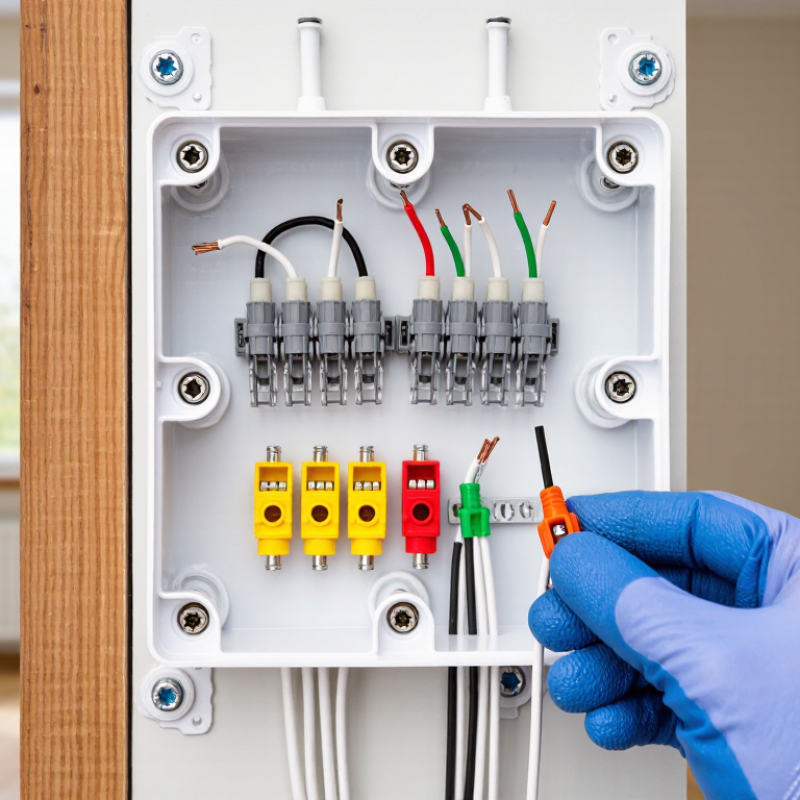
Choosing Home Connectors in 2026 is not just a matter of finding a part that fits. A connector must suit the wire size, conductor material, circuit load, and installation environment. A compact push-in terminal may work well inside a rated junction box, while a damp location calls for components specifically rated for that exposure. Small details matter: a loose fit, mismatched wire gauge, or unsuitable temperature rating can undermine an otherwise careful installation.

The risks deserve attention. NFPA’s report, “Home Fires Involving Electrical Distribution and Lighting Equipment,” estimated an average of 32,620 U.S. home structure fires involving this equipment each year from 2015 to 2019. The report does not attribute those fires specifically to connectors, but it shows why sound electrical choices matter. Check product markings, manufacturer instructions, and applicable certification from recognized testing organizations. For connected devices, also confirm protocol compatibility, such as whether a product supports the smart-home platform already in your home. That matters.

A useful comparison should include more than price or appearance. Look at rated voltage and current, approved wire types, reusable or single-use design, corrosion resistance, and access for future inspection. A connector that saves a few minutes today may be difficult to service behind a cabinet later. Product specifications can be confusing, and no single connector suits every project. When wiring conditions or code requirements are uncertain, consult a qualified electrician. The right choice is the one documented for the job, installed as directed, and checked against the actual conditions in your home.
How to Choose Home Connectors in 2026?

Identify the Types and Uses of Home Connectors

How to Choose Home Connectors in 2026?
Identify the Types and Uses of Home Connectors

Home connectors join wiring, devices, and communication systems. The right type depends on the connection, location, and electrical load. Twist-on caps, push-in terminals, and lever connectors join wires inside suitable electrical boxes. Coaxial connectors carry television or antenna signals. Ethernet plugs link routers, computers, and smart-home equipment. Fiber-optic connectors carry data through delicate glass strands. Each has a different job.

Check the connector’s wire size, material compatibility, and rated capacity before installation. A connector meant for copper may not suit aluminum wiring. Moisture, heat, and vibration also affect the choice. For household mains wiring, follow local electrical requirements and consult a qualified electrician if anything is unclear. A neat-looking fit is not proof of a secure connection. That detail is easy to overlook.

Tips: Match the connector to the wire gauge and use. Turn off power before working on electrical wiring, then verify it is off with a suitable tester. Keep signal connectors clean and avoid sharp bends in fiber cables. I still find labels confusing sometimes, so checking the product specifications is worth the extra minute.

How to Choose Home Connectors in 2026? Identify the Types and Uses

Typical Current Ratings of Common Household Plug Types

Choose a plug that matches your device and the outlet system used in your region. These are typical maximum ratings for the listed plug configurations—not a measure of power quality or a recommendation to draw that current continuously. Always check the connector’s markings and local electrical requirements.

Reference families: IEC 60884-1, BS 1363 and NEMA 5-series configurations. Ratings can vary by specific connector and installation.

Assess Electrical Ratings, Materials, and Environmental Conditions

How to Choose Home Connectors in 2026?

Assess Electrical Ratings, Materials, and Environmental Conditions

A reliable home connector must match the circuit, not just the appliance plug. Check its rated voltage and current against the circuit and expected load. A connector rated too low can overheat, especially when several devices run together. Check the wire size it accepts, too; a poor fit can loosen over time. Read the product markings carefully. Do not guess.

Tips: Keep the connector’s rating label handy while comparing options. Look for clear details on temperature limits and approved wire types. If the markings are missing or confusing, pause and ask a qualified electrician.

Material and location matter just as much. Copper contacts generally conduct well, while suitable insulation helps resist heat and wear. In a damp laundry area or garage, choose a connector rated for that exposure, and protect it from splashes. Outdoors, sunlight and temperature swings can weaken materials not designed for them. An enclosure’s ingress rating can help you judge protection from dust and moisture, but it does not make every installation safe. Conditions are easy to underestimate. A connector that works in a dry hallway may fail near a humid window or dusty workshop. Check the manufacturer’s specifications, local electrical requirements, and installation instructions before buying. If the conditions seem unusual, get professional advice rather than relying on appearance.

Check Compatibility with Wires, Devices, and Existing Systems

When choosing home connectors in 2026, match the connector to the actual wire, not just its appearance. Check conductor material, gauge, solid or stranded construction, and the connector’s voltage, current, and temperature ratings. A connector approved for copper may not suit aluminum. For smart devices, also confirm terminal size, polarity, grounding, and whether a neutral wire is required. Small details matter.

Check the device and existing system together. Compare the connector with the device’s load and voltage, then verify that your wiring and control system support its requirements. A familiar plug shape does not guarantee electrical or communication compatibility. The U.S. Energy Information Administration’s 2020 Residential Energy Consumption Survey found that 87% of U.S. homes used air conditioning, a reminder that household devices can place very different demands on wiring. NFPA’s Home Electrical Fires report estimated 32,620 home structure fires involving electrical distribution or lighting equipment annually from 2015 to 2019. Compatibility checks are practical risk reduction, not paperwork. Look closely at faded labels and older wiring; they can make the right choice less obvious. When ratings or wiring are unclear, pause and ask a qualified electrician to verify them.

Verify Safety Standards, Certifications, and Local Code Requirements

Choosing a home connector in 2026 means checking more than its package claims. Confirm that the exact model is certified by a recognized testing body for its intended use. For wire connectors, check the applicable standard, such as UL 486A-486B in the United States. Match the connector’s ratings to the wire material, gauge, temperature, and circuit. A certification mark can look reassuring. Verify it in the certifier’s online directory, and make sure the listed model matches the product in your hand.

Local rules matter. The National Electrical Code is adopted and amended by jurisdictions, so check which edition your local authority enforces. Requirements can differ by location and installation type.

NFPA’s 2022 Electrical Fires report estimated 24,200 U.S. home structure fires per year involving electrical distribution or lighting equipment, based on 2015–2019 data. These fires caused an estimated 310 civilian deaths annually. That is a sobering reason to avoid guessing about connector compatibility. If a product’s documentation is unclear, pause and consult a qualified electrician or local building department.

Tips: Photograph the label, note wire size and material, and confirm each rating before purchase. Check the connector’s installation instructions, too. A small detail can matter. I would not rely on a retailer listing alone; it may omit the exact certification or code conditions.

Compare Installation Methods, Durability, and Maintenance Needs

How to Choose Home Connectors in 2026?

Installation method affects both repair time and the chance of a poor fit. Compression connectors use a nut and ring, so careful tightening matters. Push-fit options can simplify work in accessible, compatible pipe systems, but they still need clean, correctly sized pipe. Threaded connections are familiar, though sealing threads takes practice. Check the connector’s material and pipe compatibility before buying; a convenient fit is not always a suitable one.

Durability depends on more than the connector itself. Heat, vibration, moisture, and repeated pressure changes can stress joints, especially under sinks or near appliances. Choose materials rated for the intended conditions, and avoid mixing materials unless the connection is designed for it. Leave room to inspect the joint. Small leaks can hide behind stored items. I’ve found that maintenance plans are often overlooked: periodically check for corrosion, mineral deposits, dampness, or loose fittings, while following the maker’s inspection guidance. Not every joint needs frequent adjustment, and overtightening can cause damage.

Tips: Photograph the existing connection before removal, measure the pipe, and keep the area dry while testing a new joint. After installation, run water and check with a dry tissue around the connection. If access is cramped or the pipe is damaged, pause and get qualified help; guessing can turn a minor repair into a bigger one.

Copyright 2025 Fluidra S.A. | Created by BCM Marketing Agencia Privacy Policy Legal note | Cookie policy |

Technical cookies are strictly necessary for our website to work and you can navigate through it. These types of cookies are those that, for example, allow us to identify you, give you access to certain restricted parts of the page if necessary, or remember different options or services already selected by you, such as your privacy preferences. Therefore, they are activated by default, your authorization not being necessary in this regard. Through the configuration of your browser, you can block or alert the presence of this type of cookies, although such blocking will affect the proper functioning of the different functionalities of our website.


The analysis cookies allow us to study the navigation of the users of our website in general (for example, which sections of the page are the most visited, which services are used most and if they work correctly, etc.). From the statistical information on navigation on our website, we can improve both the operation of the page itself and the different services it offers. Therefore, these cookies do not have an advertising purpose, but only serve to make our website work better, adapting to our users in general. By activating them you will contribute to this continuous improvement. You can enable or disable these cookies by checking the corresponding box, being disabled by default.


Functionality cookies allow us to remember your preferences, to personalize certain characteristics and general options of our website, every time you access it (for example, the language in which the information is presented to you, the sections marked as favorites, your browser type, etc.) Therefore, this type of cookies does not have an advertising purpose, but by activating them you will improve the functionality of the website (for example, adapting to your type of browser) and the customization of it based on your preferences (for example, by presenting the information in the language that you have chosen in previous occasions), which will contribute to the ease, usability and comfort of our page during your navigation. You can enable or disable these cookies by checking the corresponding box, being disabled by default.


Advertising cookies allow us to manage the advertising spaces included in our website based on criteria such as the content shown or the frequency in which the ads are displayed. For example, if you have been shown the same ad several times on our website, and you have not shown a personal interest by clicking on it, it will not appear again. In summary, by activating this type of cookies, the advertising shown on our website will be more useful and diverse, and less repetitive. You can enable or disable these cookies by checking the corresponding box, being disabled by default.


Behavioral advertising cookies allow us to obtain information based on the observation of your browsing habits and behaviors on the web, in order to show you advertising content that best suits your personal tastes and interests. To understand it in a very simple way, we will give you a fictitious example: if your last searches on the web were related to suspense literature, we would show you advertising about suspense books. Therefore, activating this type of cookies, the advertising that we show you on our website will not be generic, but will be oriented to your searches, tastes and interests, therefore adjusting exclusively to you. You can enable or disable these cookies by checking the corresponding box, being disabled by default.
To understand it in a very simple way, we will give you a fictitious example: if your last searches on the web were related to suspense literature, we would show you advertising about suspense books. Therefore, activating this type of cookies, the advertising that we show you on our website will not be generic, but will be oriented to your searches, tastes and interests, therefore adjusting exclusively to you. You can enable or disable these cookies by checking the corresponding box, being disabled by default.

SAVE

We use our own and third-party cookies to ensure the proper functioning of the website and to analyse our services, improve your experience on our website and show you advertisements related to your interests according to profiling based on your browsing habits (e.g. websites visited). You can accept all cookies by clicking "ACCEPT" or set or reject them by clicking here. If you would like to know more about the use of cookies, please see our COOKIE POLICY.


ACCEPT ALL
Reject no essentials


