
How to Choose the Right Electric Generator?
FLUID HANDLING EXPERTS

Blog, all our news

How to Choose the Right Electric Generator?

An Electric Generator can keep essential equipment running when the grid fails, but choosing one is rarely a simple wattage exercise. A refrigerator may need modest running power yet demand a sharp starting surge. A well pump, freezer, medical device, or workshop tool can create different loads. I have seen buyers focus on advertised peak watts and overlook fuel storage, transfer arrangements, and noise near living spaces. That mistake is expensive.

This guide explains how to match generator capacity, fuel type, runtime, voltage, and portability with your actual needs. It considers manufacturer specifications, recognized electrical safety guidance, and practical installation limits. Continuous output matters more than impressive peak numbers. So does maintenance. A generator that starts easily after months of storage is more useful than a larger model with neglected oil or stale fuel. Check the manual.

Reliable selection also requires honest questions. Will the unit operate outdoors with proper ventilation? Can the site remain dry while exhaust stays away from doors and windows? Do local rules require a licensed electrician or approved transfer switch? These details protect people and equipment, not merely the purchase. Some recommendations depend on climate, altitude, fuel availability, and budget. There is no perfect model. My own judgment can miss a household’s unusual load, so verify every calculation against the manufacturer’s data and a qualified professional’s advice. The right Electric Generator should fit real routines, not just a sales label.
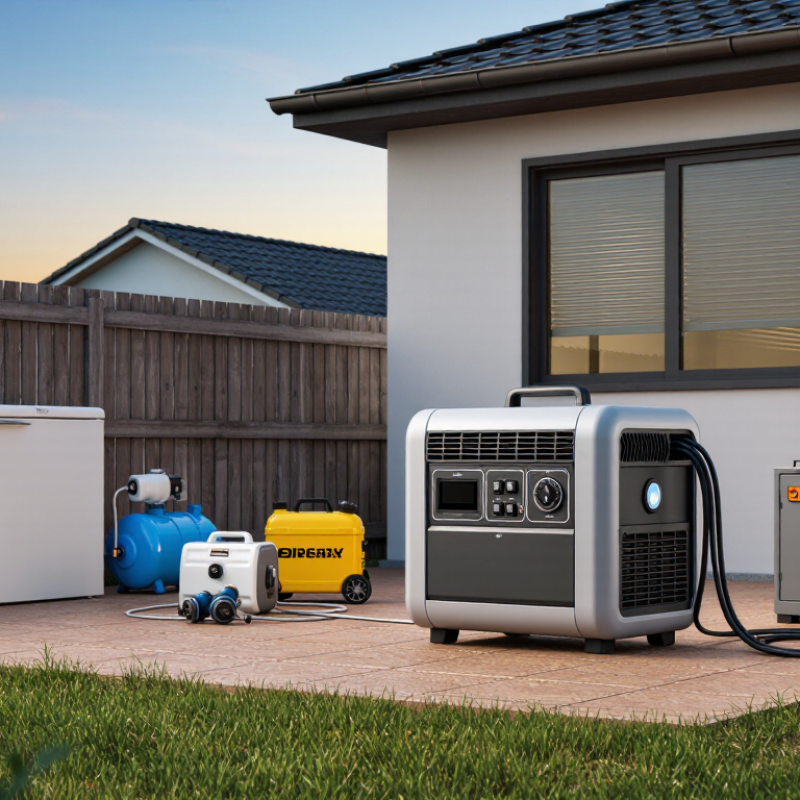
How to Choose the Right Electric Generator?

Define Your Power Requirements

Choosing an electric generator starts with a realistic power list, not the advertised maximum. Walk through the space and record every device you may use during an outage. Include lights, a refrigerator, a sump pump, medical equipment, heating controls, and communication devices. Write down each item’s running watts and starting watts. Motors often need a short surge before settling.

Add the running watts together, then identify which devices might start simultaneously. A refrigerator and pump can briefly demand far more power than their labels suggest. My first estimate was too optimistic because I ignored startup demand. Measure carefully. Leave extra capacity, but avoid buying far beyond your actual needs. Oversizing can increase purchase, fuel, and maintenance costs.

Think about essential loads rather than powering everything. A small household setup may only need refrigeration, lighting, internet equipment, and selected outlets. Check voltage, frequency, outlet type, and transfer arrangements before choosing a model. A qualified electrician should verify any connection to household wiring. Keep a written load schedule near the generator, and update it when equipment changes. Recheck your calculation each year. Circumstances change.

Choose the Generator Type and Fuel

Choosing the right electric generator starts with matching its type to your actual use. A portable generator suits temporary power for tools, outdoor work, or emergencies. It is easy to move, but it may require frequent refueling. An inverter generator produces cleaner, quieter power for computers and sensitive appliances. A standby generator connects to a building’s electrical system and starts automatically during an outage. It costs more and needs professional installation.

Fuel choice changes operating cost, storage needs, and maintenance. Gasoline is widely available, but it degrades during long storage and can be difficult to keep safely. Diesel often supports heavy, extended use and performs well under demanding loads. Propane stores longer and burns more cleanly, although cold temperatures can reduce performance. Natural gas is convenient for fixed installations, but service interruptions remain possible. Dual-fuel models offer flexibility when one fuel becomes unavailable.

Check the starting watts of motors, not only their running watts. A refrigerator may need a short surge before settling into normal use. During a site assessment, I list every appliance, then add a safety margin of about 20 percent. More capacity is not always better. An oversized unit can waste fuel and operate poorly under light loads. I have also seen buyers overlook noise, exhaust direction, and fuel storage. That mistake becomes obvious at night. Always use adequate ventilation and follow local electrical and fuel-safety requirements.

Match Generator Capacity to Your Electrical Loads

Choosing the right electric generator starts with your electrical loads, not the generator’s advertised size. List every appliance you may run together, including refrigerators, pumps, lights, tools, and chargers. Record each item’s running watts and starting watts.

Starting demand can be much higher. A refrigerator might run on 200 watts but briefly need 800 watts to start. A well pump or workshop saw can create an even sharper surge. Add the running watts, then identify the largest starting load. The generator should cover the total running load plus the highest additional starting demand. Leave practical headroom, often 20 percent, for voltage changes and future needs. Do not rely on guesswork.

I have seen users measure only lighting and overlook a freezer compressor. That mistake can trip protection or stress the generator. A plug-in watt meter gives useful real-world readings, although startup spikes may still escape measurement. Check the equipment manuals and generator specifications carefully. Some ratings describe continuous output, while others highlight short-term peak output. They are not interchangeable. Keep sensitive electronics on stable, properly rated power, and ask a qualified electrician about transfer switches or fixed wiring. I would also question whether every load must run at once. A smaller, well-managed load may be safer, quieter, and more efficient than choosing an oversized unit. Don’t ignore cable length. Long or undersized cables can cause voltage drop and overheating.

Compare Safety Features, Efficiency, and Controls

How to Choose the Right Electric Generator?

Choosing the right generator starts with safe behavior, not peak wattage. In practical inspections, I check overload protection, low-oil shutdown, and a stable frame. A clear grounding point matters on damp ground. Keep exhaust gases outdoors, far from doors and windows. Carbon monoxide monitoring adds protection, but it cannot replace fresh air. Read the operating instructions before connecting any equipment. Small oversights can create serious hazards.

Efficiency depends on the load you actually need. List essential devices, then add their starting wattage. Refrigerators and pumps can briefly demand much more power. A generator running far below its capacity may waste fuel. A heavily loaded unit may overheat or shut down. Look for fuel-use information at different loads, not only the best advertised figure. Regular oil changes, clean filters, and proper storage also affect efficiency. I have found that maintenance is often the forgotten cost.

Controls should be simple under pressure. A readable display can show voltage, frequency, runtime, and fault alerts. Electric start is convenient, while manual backup starting can be valuable. Automatic transfer equipment should be installed by a qualified electrician to prevent dangerous backfeeding. Remote controls sound useful, but weak signals or dead batteries can disappoint. Test every control before an emergency. I would also reconsider buying a model with complicated features that nobody in the household understands. Simplicity sometimes protects better.

Evaluate Installation, Maintenance, and Operating Costs

How to Choose the Right Electric Generator?

Installation cost starts before the generator arrives. Measure the real load, not the appliance labels alone. A site survey should check wiring capacity, fuel access, ventilation, noise, and drainage. A qualified electrical contractor should verify the transfer switch and grounding plan. Local installation requirements can also affect labor and permit fees. Do not ignore delivery access. A narrow gate may require extra equipment and time.

Maintenance costs often decide whether a generator remains dependable. Ask about oil, filter, battery, coolant, and belt replacement intervals. In my field experience, neglected batteries cause many failed starts after long periods of silence. Schedule test runs under meaningful load, not only brief no-load exercises. Keep service records with dates, running hours, and replaced parts. Small omissions become expensive later. I have overlooked battery age before, and that mistake changed my cost estimate.

Operating cost depends on load, fuel type, runtime, and electricity demand. Compare fuel consumption at 25%, 50%, and 75% load. A large generator running lightly may waste fuel and reduce efficiency. Calculate fuel storage, routine inspections, emergency callouts, and downtime risks. Ask for a cost-per-hour estimate based on your actual load profile. Then test the assumptions during one normal operating month. Estimates can be wrong. Real usage reveals uncomfortable details, especially during cold starts, frequent outages, or extended low-load operation.

Copyright 2025 Fluidra S.A. | Created by BCM Marketing Agencia Privacy Policy Legal note | Cookie policy |

Technical cookies are strictly necessary for our website to work and you can navigate through it. These types of cookies are those that, for example, allow us to identify you, give you access to certain restricted parts of the page if necessary, or remember different options or services already selected by you, such as your privacy preferences. Therefore, they are activated by default, your authorization not being necessary in this regard. Through the configuration of your browser, you can block or alert the presence of this type of cookies, although such blocking will affect the proper functioning of the different functionalities of our website.


The analysis cookies allow us to study the navigation of the users of our website in general (for example, which sections of the page are the most visited, which services are used most and if they work correctly, etc.). From the statistical information on navigation on our website, we can improve both the operation of the page itself and the different services it offers. Therefore, these cookies do not have an advertising purpose, but only serve to make our website work better, adapting to our users in general. By activating them you will contribute to this continuous improvement. You can enable or disable these cookies by checking the corresponding box, being disabled by default.


Functionality cookies allow us to remember your preferences, to personalize certain characteristics and general options of our website, every time you access it (for example, the language in which the information is presented to you, the sections marked as favorites, your browser type, etc.) Therefore, this type of cookies does not have an advertising purpose, but by activating them you will improve the functionality of the website (for example, adapting to your type of browser) and the customization of it based on your preferences (for example, by presenting the information in the language that you have chosen in previous occasions), which will contribute to the ease, usability and comfort of our page during your navigation. You can enable or disable these cookies by checking the corresponding box, being disabled by default.


Advertising cookies allow us to manage the advertising spaces included in our website based on criteria such as the content shown or the frequency in which the ads are displayed. For example, if you have been shown the same ad several times on our website, and you have not shown a personal interest by clicking on it, it will not appear again. In summary, by activating this type of cookies, the advertising shown on our website will be more useful and diverse, and less repetitive. You can enable or disable these cookies by checking the corresponding box, being disabled by default.


Behavioral advertising cookies allow us to obtain information based on the observation of your browsing habits and behaviors on the web, in order to show you advertising content that best suits your personal tastes and interests. To understand it in a very simple way, we will give you a fictitious example: if your last searches on the web were related to suspense literature, we would show you advertising about suspense books. Therefore, activating this type of cookies, the advertising that we show you on our website will not be generic, but will be oriented to your searches, tastes and interests, therefore adjusting exclusively to you. You can enable or disable these cookies by checking the corresponding box, being disabled by default.
To understand it in a very simple way, we will give you a fictitious example: if your last searches on the web were related to suspense literature, we would show you advertising about suspense books. Therefore, activating this type of cookies, the advertising that we show you on our website will not be generic, but will be oriented to your searches, tastes and interests, therefore adjusting exclusively to you. You can enable or disable these cookies by checking the corresponding box, being disabled by default.

SAVE

We use our own and third-party cookies to ensure the proper functioning of the website and to analyse our services, improve your experience on our website and show you advertisements related to your interests according to profiling based on your browsing habits (e.g. websites visited). You can accept all cookies by clicking "ACCEPT" or set or reject them by clicking here. If you would like to know more about the use of cookies, please see our COOKIE POLICY.


ACCEPT ALL
Reject no essentials


