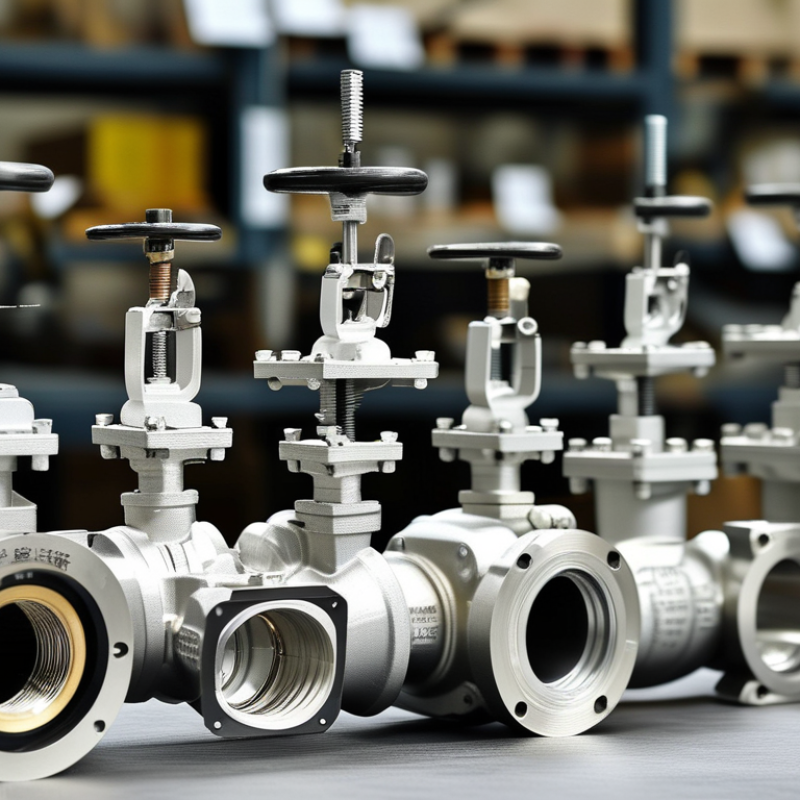
Choosing a China Check Valve supplier is not simply a price comparison. It is a decision about flow safety, manufacturing discipline, and long-term maintenance.
Valve engineer Dr. Li Zhi once said, “A check valve protects a system only when its details match the flow.” This principle deserves attention. A supplier may offer stainless steel bodies, wafer designs, swing valves, and impressive catalog photographs. However, the real question is whether the valve fits your medium, pressure, temperature, and installation position. Ask for material certificates, pressure-test records, dimensional drawings, and clear information about cracking pressure. Small details matter. A poorly selected disc can create water hammer, noise, or unstable closing.
Experienced buyers should examine the factory beyond its website. Look for CNC machining, controlled assembly areas, calibrated testing equipment, and traceable batch numbers. Request samples before approving a large order. Test sealing performance under realistic conditions, not only at comfortable workshop settings. Review the supplier’s experience with water treatment, chemical processing, oil systems, or power equipment. Different industries expose different weaknesses.
Communication is also evidence of reliability. Can the supplier explain failure risks without hiding behind technical language? Can it respond with drawings and measurable data? A low quotation may look attractive, yet inconsistent machining can become an expensive problem. No supplier is perfect. Even a respected manufacturer may miss a delivery detail or provide an unsuitable standard. That is why careful verification remains necessary. The strongest China Check Valve partner combines engineering support, honest documentation, stable quality, and the willingness to admit what still needs improvement.
Understanding China Check Valve Types and Applications
Choosing a China check valve supplier requires more than comparing prices. You need to understand how each valve type behaves in service. Swing check valves suit water pipelines with steady flow and moderate pressure loss. Their hinged disc needs enough flow velocity to open fully. Lift check valves provide reliable sealing in smaller, high-pressure lines, but they require clean media and correct installation.
Wafer and dual-plate check valves save space between flanges. They work well in compact pumping stations, cooling systems, and process piping. Spring-loaded silent check valves can reduce water hammer near pumps. Ball check valves are practical for wastewater and viscous fluids, although trapped solids may affect sealing. Small details matter.
A dependable supplier should explain these differences with drawings, test records, and application data. Ask about body materials, seat compounds, pressure ratings, temperature limits, and inspection procedures. An experienced engineering team should review flow direction, pipe size, installation position, and possible backflow conditions. I have seen low-cost selections fail because the line contained abrasive particles. The valve looked suitable on paper.
Supplier evaluation should include hydrostatic testing, leakage standards, traceable materials, and clear documentation. Check whether the factory can provide sample testing before volume production. Communication also matters. Delayed technical replies can become expensive during commissioning. No valve fits every line. Rechecking the actual medium and operating cycle may expose an uncomfortable mistake before it reaches the pipeline.
Defining Your Technical and Procurement Requirements
How to Choose a China Check Valve Supplier?
Defining Your Technical and Procurement Requirements
A reliable purchase starts with a clear operating profile. Record the fluid, pressure range, temperature, flow direction, and expected cycle frequency. A check valve for clean water may fail quickly in abrasive slurry service. That difference matters.
Specify the connection type, nominal size, pressure class, and installation position. Also define the required closing speed. Fast closure can reduce reverse flow, but it may create water hammer. Our engineering reviews often begin with this trade-off. Small details matter.
Material selection needs practical evidence. Request body, disc, spring, and seal materials with traceable test records. Ask how the supplier controls casting defects, machining tolerance, and seat leakage. Confirm inspection points before production starts. Useful documents include drawings, pressure-test reports, material certificates, and dimensional records.
Procurement requirements should be equally specific. State the target quantity, delivery window, packaging method, spare-part expectations, and communication process. Request a sample approval plan before placing a larger order. A factory visit or independent inspection can reveal storage problems that photographs miss.
Price alone is a weak comparison. Compare valve life, inspection coverage, replacement access, and shipping risk. That assumption failed in one project. The lowest quotation required extra testing later. Leave room for technical clarification. Suppliers should answer questions with measurements, not vague promises. Document every agreed tolerance and acceptance criterion in the purchase order.
Evaluating Supplier Qualifications and Manufacturing Capabilities
Choosing a China check valve supplier requires more than comparing prices. Qualification should begin with verifiable records. The 2023 ISO Survey reported more than 1.2 million ISO 9001 certificates worldwide, but certification alone proves limited capability. Ask for the certificate scope, issuing body, recent audit status, and covered factory address. The legal manufacturer should match the audited production site.
Manufacturing evidence should be practical and traceable. Review material certificates, heat-number tracking, welding procedures, and calibration records. For pressure equipment, confirm testing against ISO 5208 or the project’s specified standard. Suppliers serving oil, gas, water, or chemical systems may also need compliance with API 6D or ASME B16.34, depending on the application. Request sample inspection reports showing shell tests, seat tests, leakage class, and dimensional checks. A clean report matters more than polished sales language.
Factory capacity needs physical verification. Check casting sources, CNC machines, assembly areas, pressure-test benches, and spare-part controls. The supplier should explain monthly output without confusing installed capacity with actual production. A short video is useful, but an independent audit is stronger. I would also compare three recent batches, not one perfect sample. This step can expose inconsistent sealing surfaces or delayed traceability. A weakness remains: smaller suppliers may have excellent technicians but incomplete documentation. That deserves scrutiny, not automatic rejection. Audits should record corrective actions, closure dates, and responsible personnel. Reliable sourcing depends on evidence repeated over time.
Checking Product Quality, Certifications, and Testing Standards
How to Choose a China Check Valve Supplier?
Product quality should be verified through evidence, not attractive photographs. Ask for drawings, material specifications, pressure ratings, and documented inspection procedures. A reliable supplier can explain valve performance in plain technical language. They should also provide material certificates, preferably with heat numbers matching the valve body and trim. Traceability matters when several production batches look identical.
Testing standards deserve close attention. Depending on the valve design, ask whether testing follows ISO 5208, API 598, or EN 12266. Confirm the required shell test, seat leakage test, and test pressure. Request recent test reports showing equipment numbers, test medium, duration, and acceptance results. Calibration certificates should still be valid. Small details often expose weak control.
Do not treat ISO 9001 as proof of valve performance. It supports a quality system, but it does not replace product testing. Ask about applicable certifications, material compliance, and third-party inspection options. A factory visit can reveal useful details, such as clean assembly areas and clearly labeled test benches. Still, appearances can mislead. I have seen tidy workshops with incomplete records. That is an uncomfortable reminder to verify documents independently. Consider witnessing a sample test before placing a large order. Ask how failed valves are quarantined, repaired, and retested. Good suppliers answer directly, even when a process needs improvement.
Comparing Pricing, Communication, Delivery, and After-Sales Support
How to Choose a China Check Valve Supplier?
Price is only the opening test. Request a written quotation with valve material, pressure class, inspection scope, tooling, packaging, and shipping terms. Compare the landed cost, not the unit price. A low quote may exclude testing or spare seals. I have seen “complete” offers change after drawings are approved. That is a warning, but not always proof of poor ethics. Ask for three recent quotations and clarify every assumption.
Communication affects technical accuracy. A capable supplier should answer questions with drawings, standards, and measurable tolerances. Ask how quickly engineers respond to pressure, temperature, or leakage concerns. Keep one approved specification sheet. The World Bank’s 2023 Logistics Performance Index rated China at 3.7 out of 5, yet factory-level execution still varies widely. Request sample inspection reports, production photos, and a named project contact. Vague replies create expensive delays.
Delivery planning needs evidence. UNCTAD’s Review of Maritime Transport reports that over 80% of global trade by volume moves by sea. Therefore, confirm production time, port options, holiday shutdowns, and buffer days. Use milestone updates, not promises alone. After-sales support should include replacement seals, failure analysis, and a response deadline. Ask whether warranty decisions rely on test records. My checklist is imperfect; field conditions can expose gaps. A small pilot order often reveals more than a polished presentation.
How to Choose a China Check Valve Supplier? - Comparing Pricing, Communication, Delivery, and After-Sales Support
Evaluation Criteria
Profile A Cost-Focused
Profile B Balanced Exporter
Profile C Quality-Oriented
Recommended Check
Typical product range
Threaded and wafer check valves
Threaded, flanged, wafer, and dual-plate valves
Engineered valves for demanding services
Confirm material, pressure class, end connection, and operating temperature.
Indicative price level
Low About 10–20% below the median quotation
Medium Usually close to the market median
Medium to high Often 10–25% above the median quotation
Compare total landed cost, not only the unit price.
Quotation transparency
Basic
Good
Very good
Request a line-item quotation covering valve body, trim, testing, packaging, and freight terms.
Response time
1–3 business days
Within 1 business day
Within 1 business day
Evaluate response speed during technical clarification, not only during the first inquiry.
Technical communication
Mainly sales-based
Sales and engineering support
Dedicated engineering review
Ask for drawings, pressure-temperature data, flow direction, and applicable standards.
Minimum order flexibility
High for standard sizes
Moderate
Lower for customized designs
Confirm minimum order quantity, mixed-size rules, and sample-order policy.
Standard production lead time
15–25 days
20–35 days
30–50 days
Obtain a written schedule covering approval, production, inspection, and dispatch.
Customization capability
Limited
Moderate to high
High
Check whether custom materials, coatings, dimensions, and certificates are supported in-house.
Quality documentation
Basic inspection report
Inspection report and material certificates when requested
Comprehensive quality dossier available
Verify hydrostatic, shell, seat, dimensional, and material traceability records.
Pre-shipment inspection
Available at additional cost
Usually available
Normally included or easily arranged
Define inspection scope, sampling level, acceptance criteria, and reporting format before production.
Clarify coverage, exclusions, claim evidence, replacement procedure, and freight responsibility.
Spare parts availability
Standard parts only
Common parts usually available
Planned spare-parts support
Request a recommended spare-parts list and current replacement lead times.
After-sales response
Case-by-case support
Structured email and remote support
Formal claim tracking and technical support
Ask for a defined escalation path and target response time for quality issues.
Best suited for
Standard, price-sensitive orders
Most routine export projects
Critical, customized, or highly documented projects
Match supplier capability with project risk, compliance requirements, and lifecycle cost.
Note: The ranges shown are practical purchasing benchmarks for standard industrial check valves. Actual prices and lead times depend on valve size, pressure rating, body and trim materials, standards, testing requirements, order quantity, and shipping terms.
Cepex is the brand for the fluid handling market belonging to the Fluidra group. One of the leading european manufacturer of valves and fittings in thermoplastic materials.
Dedicated to the swimming pool, irrigation and industrial markets, we distribute our products worldwide with the Fluidra commercial network and presence in 46 countries with 136 sales branches.
Your data will be processed by CEPEX S.A., with address at C. Lluís Companys, 51-53, 08400, Granollers (Barcelona), and C.I.F. nº A-08928707, to send you communications about our products based on your interests. You can consult more information about the processing of your data and how to exercise your rights as described in the Privacy Policy.
Technical cookies are strictly necessary for our website to work and you can navigate through it. These types of cookies are those that, for example, allow us to identify you, give you access to certain restricted parts of the page if necessary, or remember different options or services already selected by you, such as your privacy preferences. Therefore, they are activated by default, your authorization not being necessary in this regard. Through the configuration of your browser, you can block or alert the presence of this type of cookies, although such blocking will affect the proper functioning of the different functionalities of our website.
The analysis cookies allow us to study the navigation of the users of our website in general (for example, which sections of the page are the most visited, which services are used most and if they work correctly, etc.). From the statistical information on navigation on our website, we can improve both the operation of the page itself and the different services it offers. Therefore, these cookies do not have an advertising purpose, but only serve to make our website work better, adapting to our users in general. By activating them you will contribute to this continuous improvement. You can enable or disable these cookies by checking the corresponding box, being disabled by default.
Functionality cookies allow us to remember your preferences, to personalize certain characteristics and general options of our website, every time you access it (for example, the language in which the information is presented to you, the sections marked as favorites, your browser type, etc.) Therefore, this type of cookies does not have an advertising purpose, but by activating them you will improve the functionality of the website (for example, adapting to your type of browser) and the customization of it based on your preferences (for example, by presenting the information in the language that you have chosen in previous occasions), which will contribute to the ease, usability and comfort of our page during your navigation. You can enable or disable these cookies by checking the corresponding box, being disabled by default.
Advertising cookies allow us to manage the advertising spaces included in our website based on criteria such as the content shown or the frequency in which the ads are displayed. For example, if you have been shown the same ad several times on our website, and you have not shown a personal interest by clicking on it, it will not appear again. In summary, by activating this type of cookies, the advertising shown on our website will be more useful and diverse, and less repetitive. You can enable or disable these cookies by checking the corresponding box, being disabled by default.
Behavioral advertising cookies allow us to obtain information based on the observation of your browsing habits and behaviors on the web, in order to show you advertising content that best suits your personal tastes and interests. To understand it in a very simple way, we will give you a fictitious example: if your last searches on the web were related to suspense literature, we would show you advertising about suspense books. Therefore, activating this type of cookies, the advertising that we show you on our website will not be generic, but will be oriented to your searches, tastes and interests, therefore adjusting exclusively to you. You can enable or disable these cookies by checking the corresponding box, being disabled by default. To understand it in a very simple way, we will give you a fictitious example: if your last searches on the web were related to suspense literature, we would show you advertising about suspense books. Therefore, activating this type of cookies, the advertising that we show you on our website will not be generic, but will be oriented to your searches, tastes and interests, therefore adjusting exclusively to you. You can enable or disable these cookies by checking the corresponding box, being disabled by default.
We use our own and third-party cookies to ensure the proper functioning of the website and to analyse our services, improve your experience on our website and show you advertisements related to your interests according to profiling based on your browsing habits (e.g. websites visited). You can accept all cookies by clicking "ACCEPT" or set or reject them by clicking here. If you would like to know more about the use of cookies, please see our COOKIE POLICY.